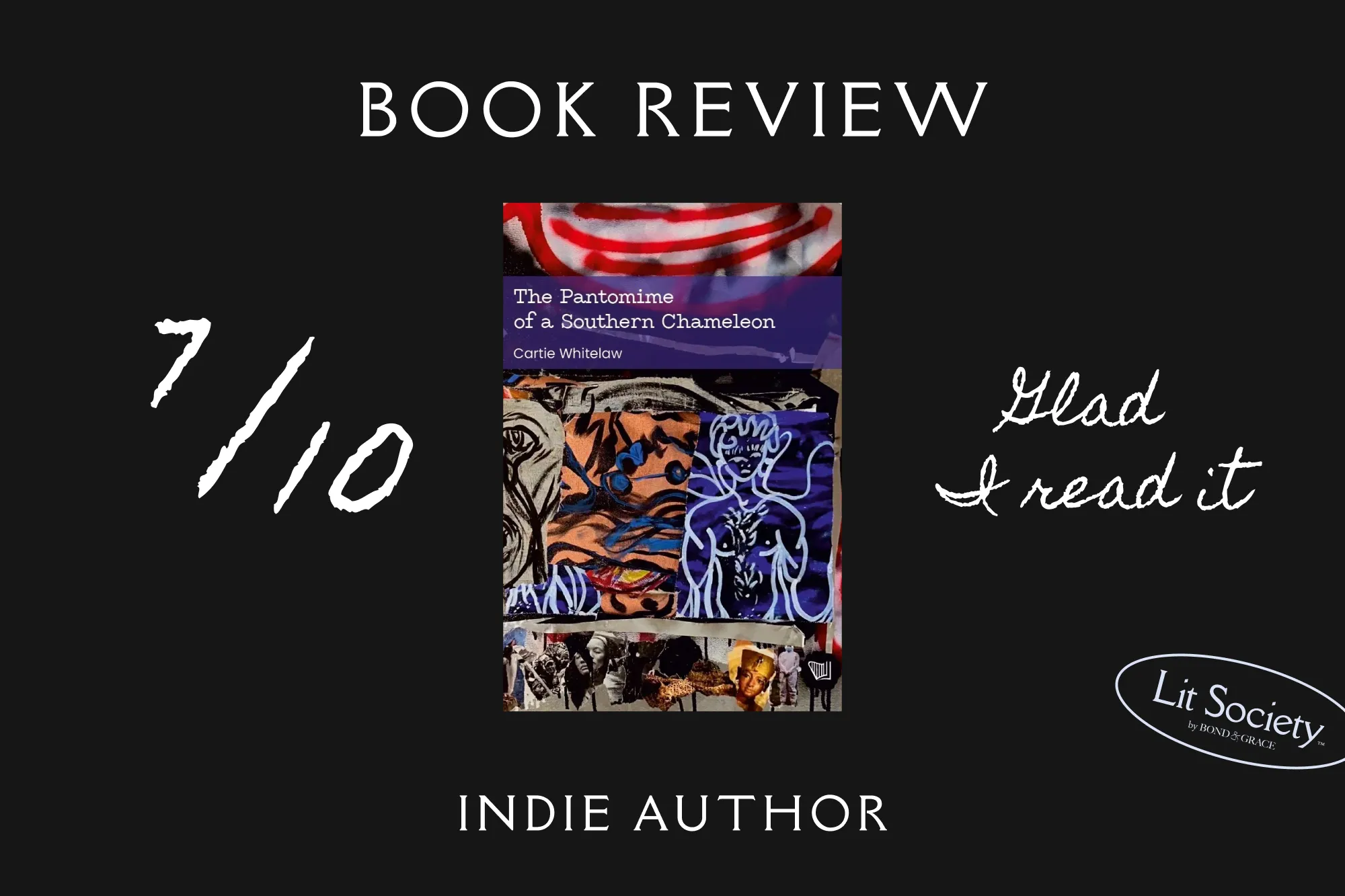
As part of Lit Society’s Book Review Program, members are reading and reviewing books by independent writers we think deserve more attention. This review reflects one reader’s honest experience and aims to spotlight exciting new voices.
Big Take? The Pantomime of a Southern Chameleon by Cartie Whitelaw explores identity and belonging. Through his personal experiences in the American South, Whitelaw reflects on the challenges of navigating a world where being yourself is not always easy. This book is especially suited for readers who enjoy personal memoirs, stories about LGBTQ+ experiences, and reflections on society and culture.
- Would You Recommend It? Yes
- Book Club Worthy? No
- Would You Read This Author Again? No
- Did It Change How You See Something? No
- Is It More Plot or Ideas? Ideas
- Pace: Fast
- Emotional Impact: Lingering
- Best For: (e.g., vacation read, quiet weekend, deep thinking, etc.): Vacation read
- Skimmable or Demands Attention? Skimmable
- Would You Reread It? No
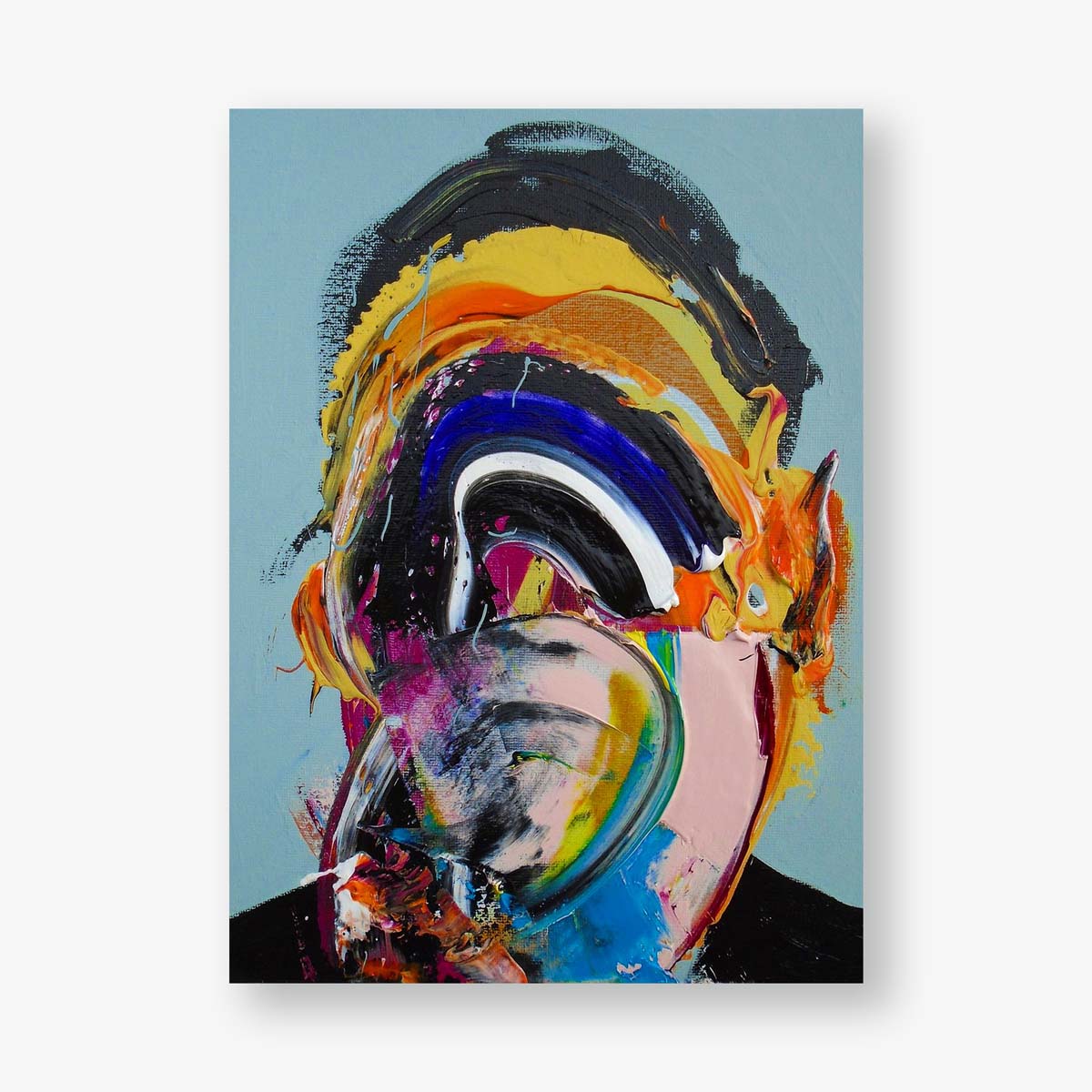
Cartie Whitelaw’s The Pantomime of a Southern Chameleon (published in June by Ybernia Books in Madrid) is an unusual and thought-provoking memoir about the instability of identity during the college years. Rather than presenting the past as a neat sequence of events, Whitelaw approaches memory as something fragmented, theatrical, and open to interpretation. The result is a narrative that feels less like a conventional autobiography and more like an artistic reconstruction of a formative period.
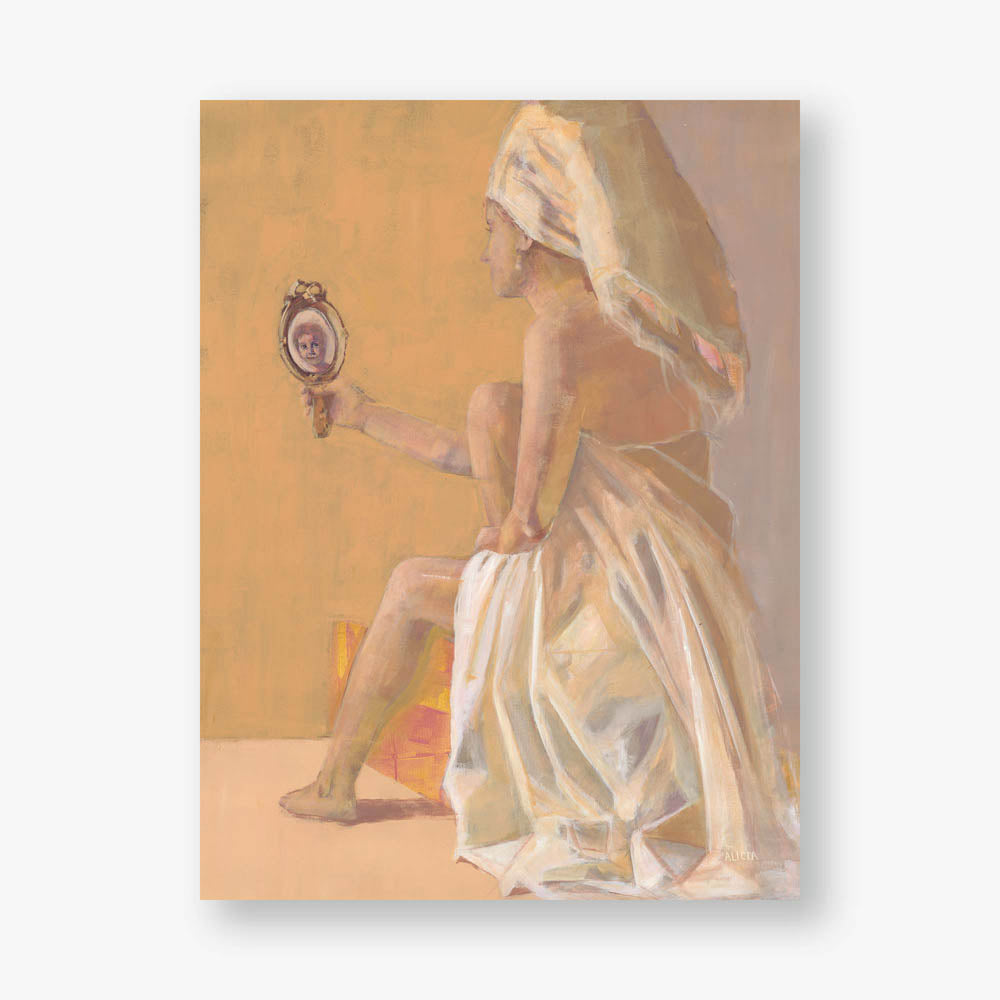
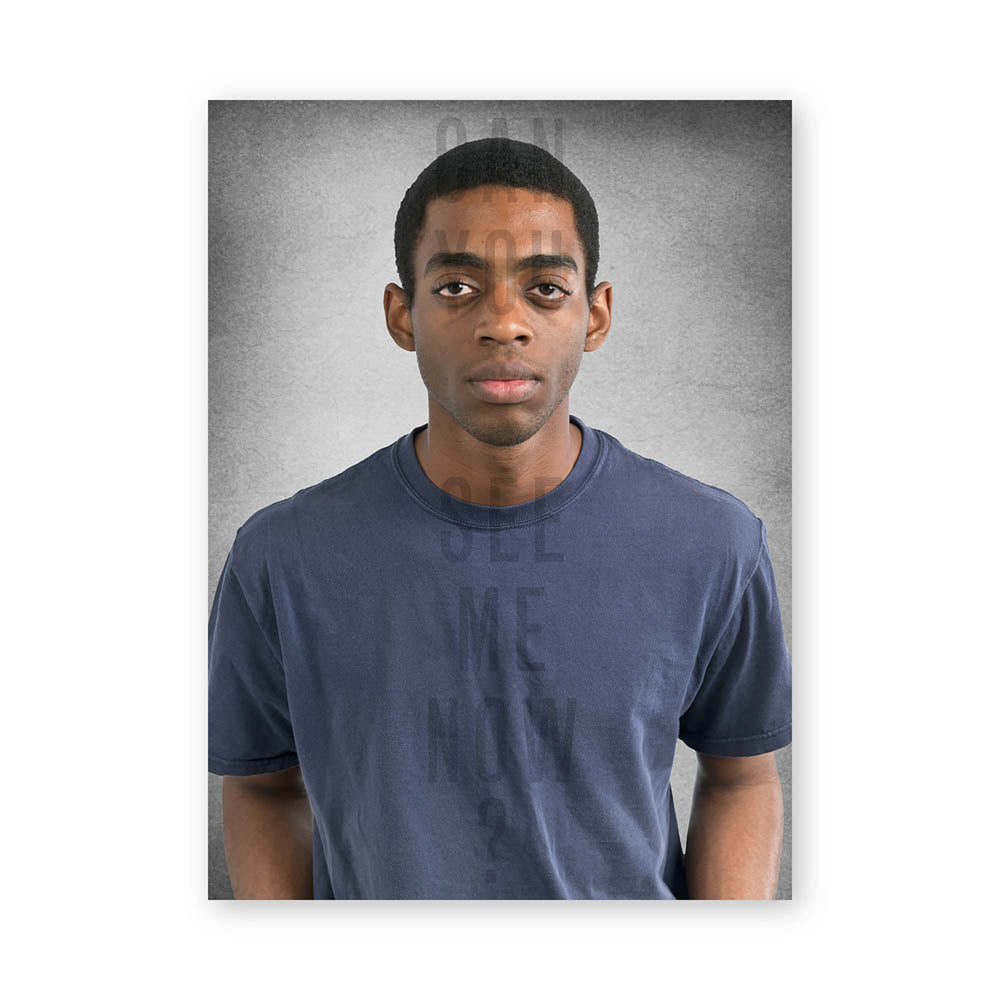
Rather than offering a straightforward portrait of college life, Whitelaw uses his experiences to explore the larger question of how a person becomes or performs the self. As a gay man navigating the social expectations of the American South, Whitelaw faces additional challenges in his struggle for acceptance. The title captures the memoir’s central tension. “Pantomime” suggests performance, silence, and the communication of feelings through gesture rather than direct explanation. “Chameleon” suggests a person who continually changes in response to different surroundings. The two words create an image of someone learning to navigate social life by adapting to it, while gradually wondering whether adaptation has come at the cost of authenticity.
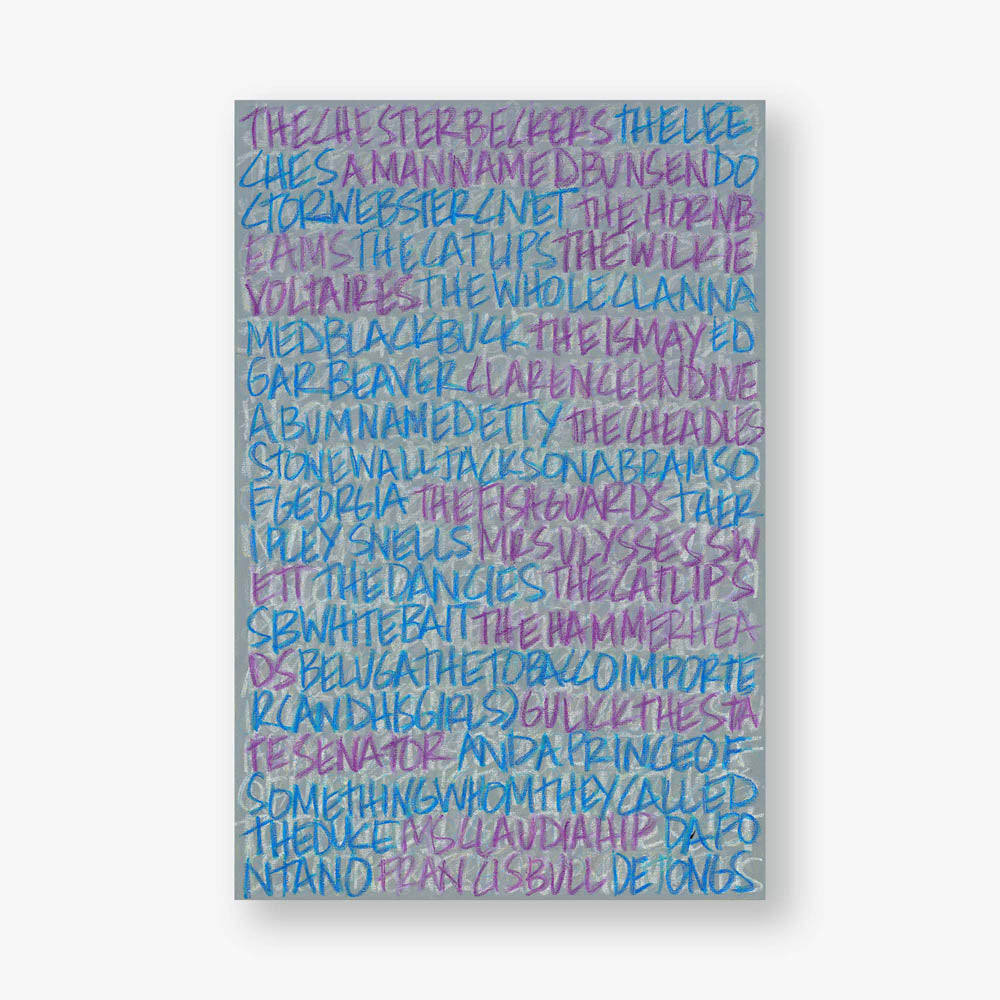
In terms of style, Whitelaw’s background as a visual artist appears to shape the book’s sensibility. The memoir is written as an arrangement of images and impressions rather than simply a record of events. Its atmosphere, symbolism, and attention to perception are as important as its narrative development. The writing encourages readers to look closely and to accept ambiguity rather than expecting every emotional question to be resolved.
The Pantomime of a Southern Chameleon’s greatest strength is its willingness to remain enigmatic. It does not reduce personal transformation to a simple lesson or present identity as something that can be easily defined. Instead, it shows how people perform, adapt, remember, and reinterpret themselves. Some readers may find its indirectness challenging, particularly if they prefer memoirs with a clear chronological structure. However, that uncertainty is also central to the book’s artistic purpose.
At some point in our lives, most of us have experienced a similar feeling of having to change a part of ourselves to fit in. I connected with the idea that sometimes we care so much about how others see us that we forget to be ourselves; I’ve certainly experienced moments when I’ve held back my opinions or gone along with what others wanted to avoid feeling judged or out of place. Whitelaw reminded me that fitting in isn’t worth it if it means losing the parts of myself that make me who I am.
The Pantomime of a Southern Chameleon will appeal to readers interested in experimental memoir, coming-of-age writing, and the relationship between visual art and literature. Overall, I think the book succeeds in encouraging readers to think about how much they change themselves to be accepted. Its strongest message is that fitting in shouldn't mean losing sight of who you really are.
Favorite Lines?
“Feel everything and never avoid it. It’s like credit card debt; you will eventually have to pay the price at some point.”
“Always allow yourself to try something new, even if it’s uncomfortable.”
“Transform your wounds into something beautiful.”

Recommended Media?
🎸 Cigarettes After Sex — “Cry”
Support independent authors and purchase The Pantomime of a Southern Chameleon here.