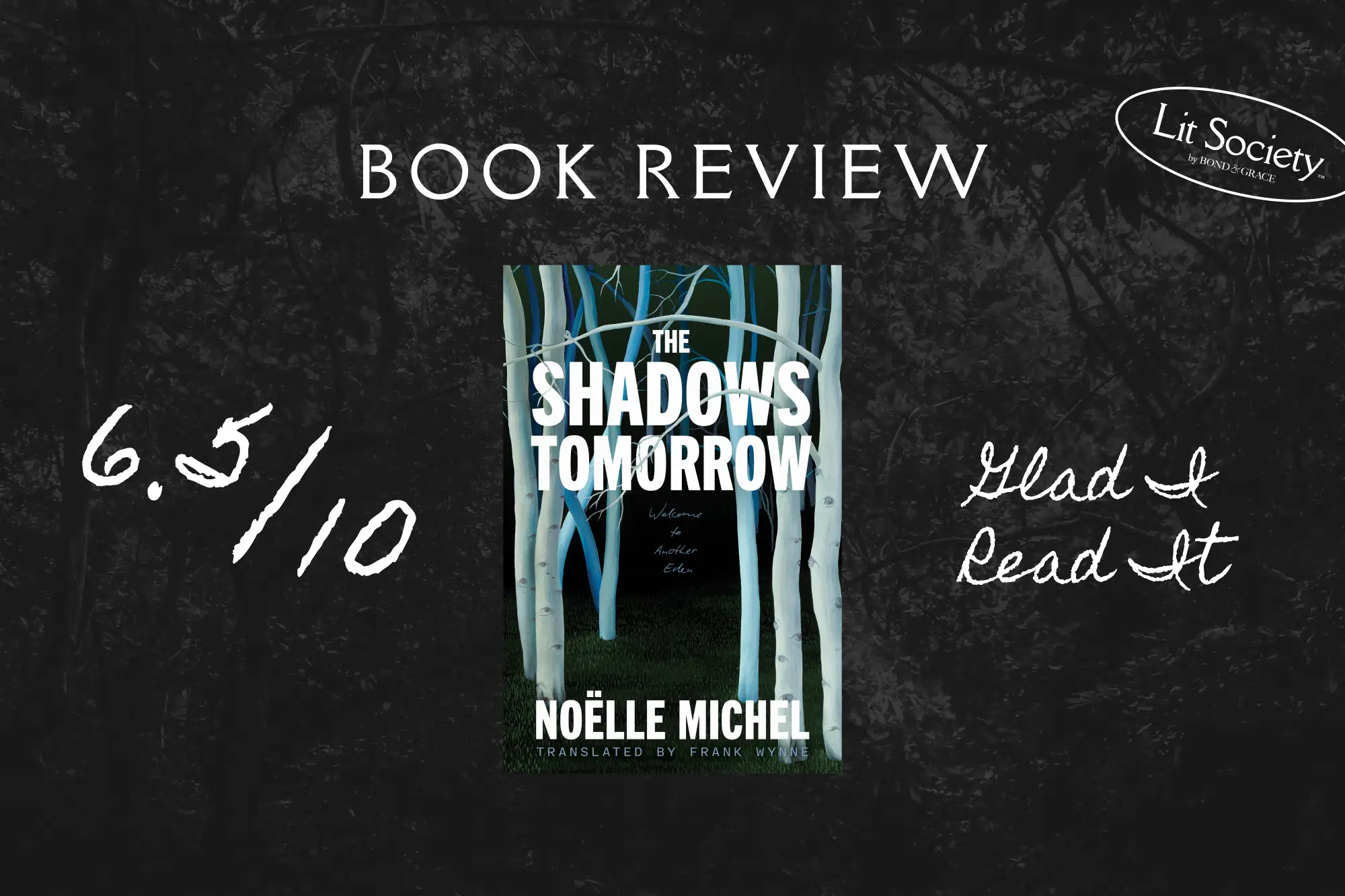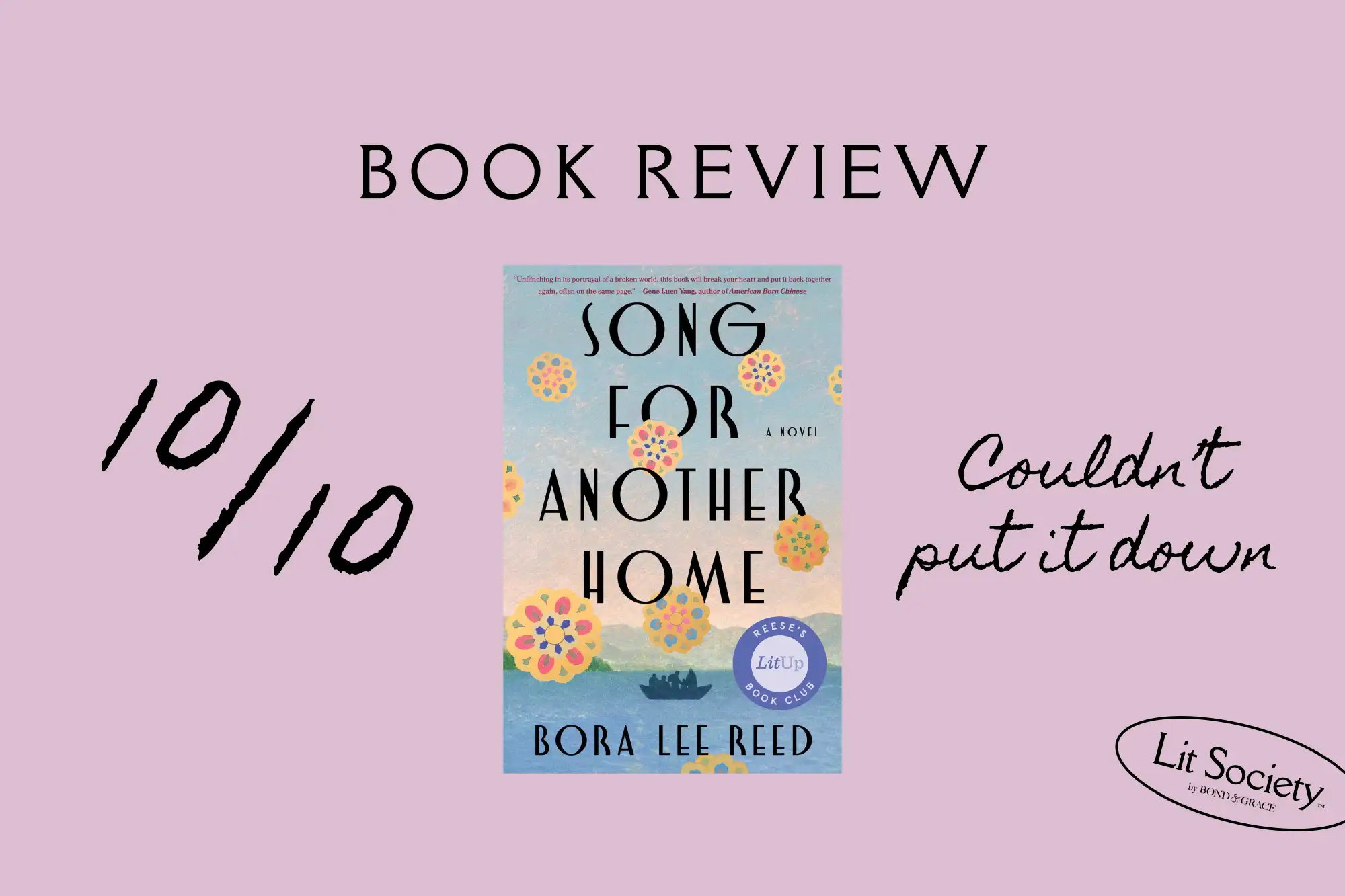
As part of Lit Society’s Book Review Program, members are reading and reviewing books by independent writers we think deserve more attention. This review reflects one reader’s honest experience and aims to spotlight exciting new voices.
Big Take? A heartbreaking dual narrative of a family separated by The Korean War. This is a story of quiet “jeong” and wandering for deliverance.
- Would You Recommend It? Yes
- Book Club Worthy? Yes - Passport Book Club!
- Would You Read This Author Again? Yes
- Did It Change How You See Something? Yes
- Is It More Plot or Ideas? Ideas
- Pace: Short and Steady
- Emotional Impact: Devastating and Lingering (the devastation lingers!)
- Best For: An easy read but also easy to slip into deep thinking
- Skimmable or Demands Attention? Close Reading
- Would You Reread It? Yes
Beyond war’s physical destruction and death, this historical fiction novel tells a story of familial bonds and the pains of surviving without the people you love most. If you don’t mind crying and feeling a bit empty inside, this may be the perfect book to torture your soul. Published in July by the Korean American author Bora Lee Reed, Song For Another Home gently reminds you that your life is a series of moments—and people—rarely cherished in full. You’ll leave wondering if you’ve truly been grateful enough for your everyday safety, security, and the people in your life who make it special. If you love a good book about family, this one is for you.
Centering around two cousins, Oksoon and Junho, the novel unfolds as they survive the Korean War. Junho, already south, near Jinju, seeks refuge at an orphanage and writes letters to American Christians for help on behalf of the institution. Meanwhile, Oksoon, her mother, and brother travel by foot from Pyongyang to Seoul seeking the other half of the family. Both live for hope of reconciliation and deliverance.
The novel immerses you into the war through the perspective of a Korean teenager. Junho is 17 and old enough to be conscripted; he lies to get accepted by the orphanage but becomes invaluable to their survival. The only one who knows enough English, he writes to Americans to beg for money and resources. In Oksoon’s story, her only purpose seems to be the “girl” in the family and yet she bravely becomes a leader in their survival.
The two stories are not about physical resilience, economic advantage, or an elaborate strategy of survival. Much like the game of Baduk—a two-player strategy game of control and occupation played throughout the novel—their stories come down to something more elemental: each character’s ability to trust their instincts, make the next move, and live another day. We’re taken through quiet and simple scenes where the devastation haunts. Bora Lee Reed beautifully writes the complicated emotional decisions one must make—such as whether to choose your family or yourself over others. The characters grow from this experience, becoming humbled by the realities of war.
Christian themes and religious skepticism appear in the book as they try to find safety. Ultimately, they’re delivered, so to speak, through their inner toolkits—their skills and strengths. The reader understands that destruction and grief are everywhere but it is the emotional experience of loss that hurts most. The bonds that we form by chance can help us survive—whether through unexpected friendships among miscreants who become part of a lost and broken family, or through Junho’s adamant protection of the heartbreaking truth of an innocent orphan, even when exploiting that story might garner the sympathy needed to save the orphanage. By the end, deliverance looks different from what these characters imagined at the beginning of the war. What remains is a sense of protection born from love, camaraderie, and shared grief. It is jeong.
Favorite Line?
I chose these lines because, when I came across them, I found myself getting lost in thought about the author’s messaging, wondering about their purpose within the story and how perfectly they capture its heart:
“Oksoon wondered what it would be like to be a boy, to be encouraged to have adventures and go to school… The world was spacious and broad and interesting if you were a boy.” Page 25
“It’s jeong,” Old Cook says. “That deep affection - it can come upon you when you least expect it. Page 265
“Her father sat cross-legged and puffed on his long pipe. Oksoon sensed his irritation at what he thought of as her mother’s jansori - a woman's weakness to nag and complain.” Page 278

Recommended Media?
🎵 "Saturn" by Sleeping At Last
🎵 "Last Hope" by Paramore
📖 Pachinko by Min Jin Lee
Interested in purchasing Song For Another Home? Support Bond & Grace and purchase the book via Bookshop here.