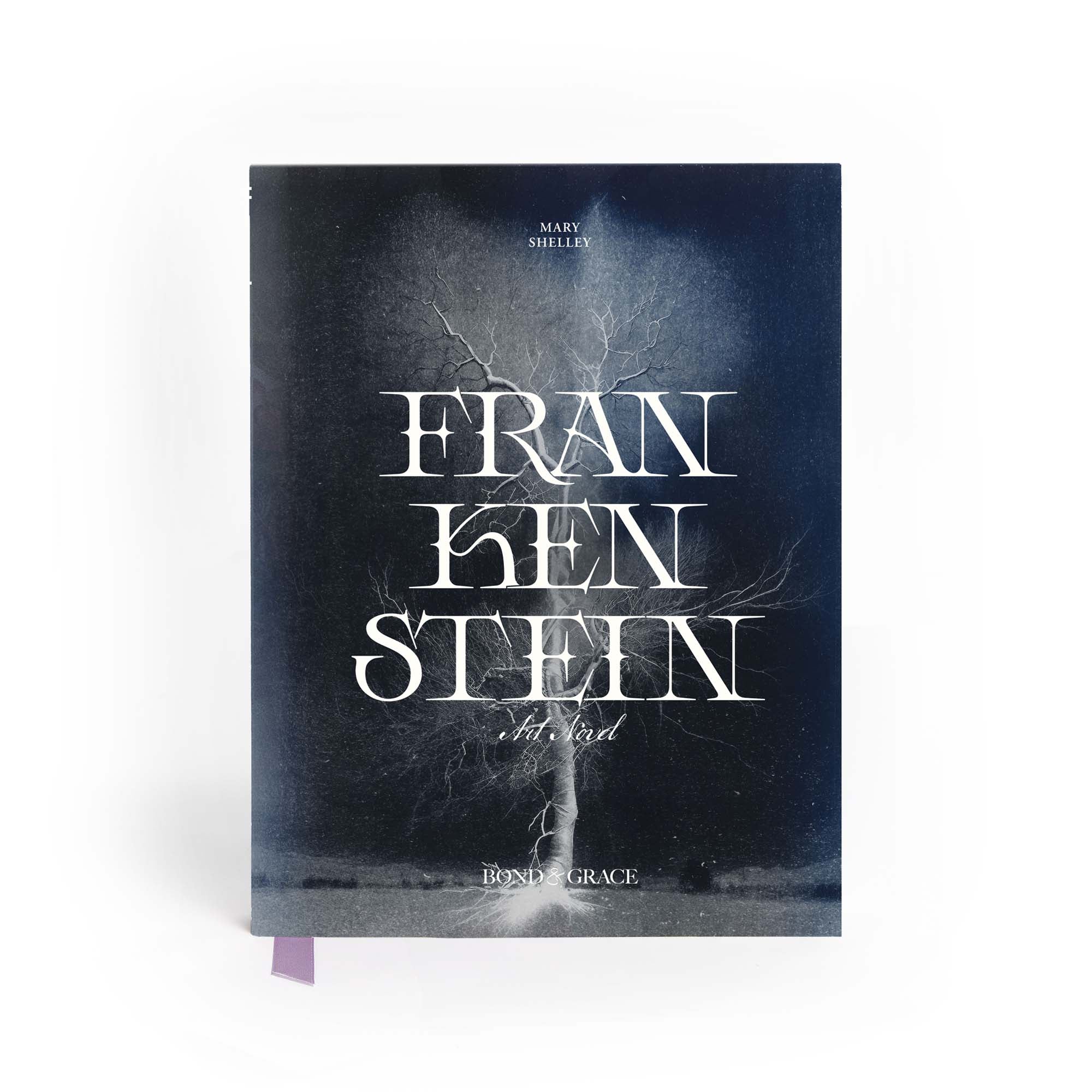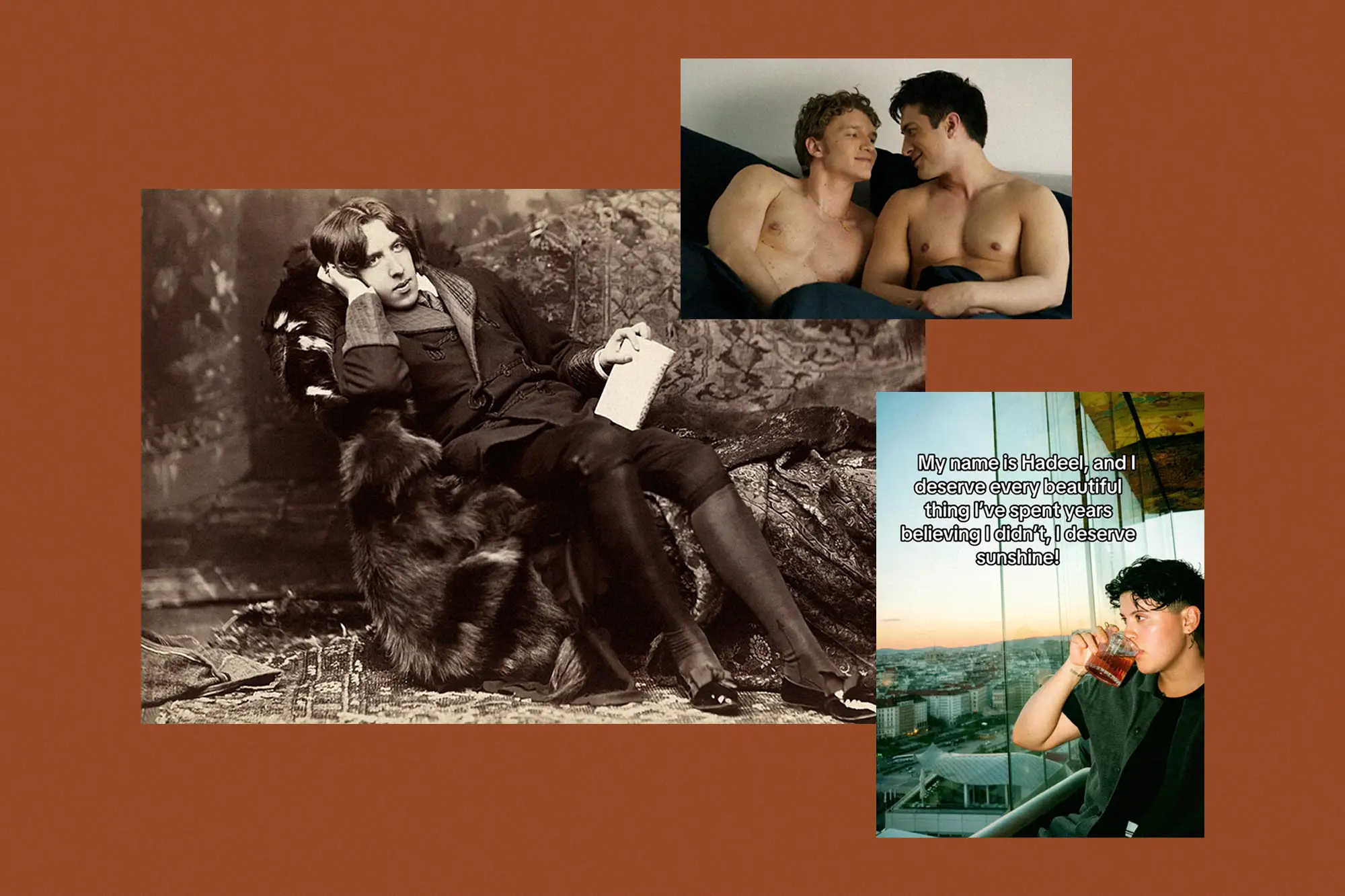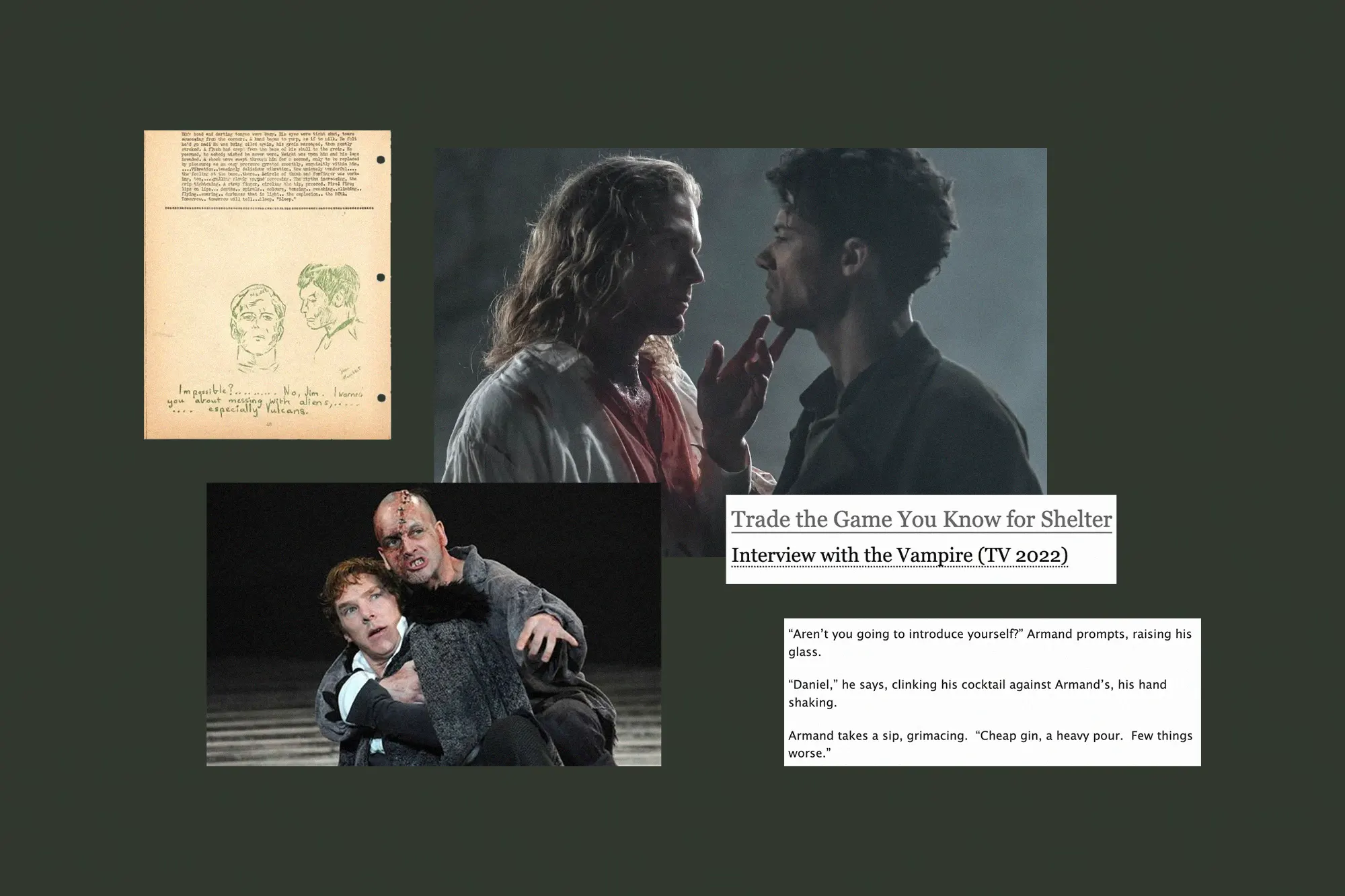
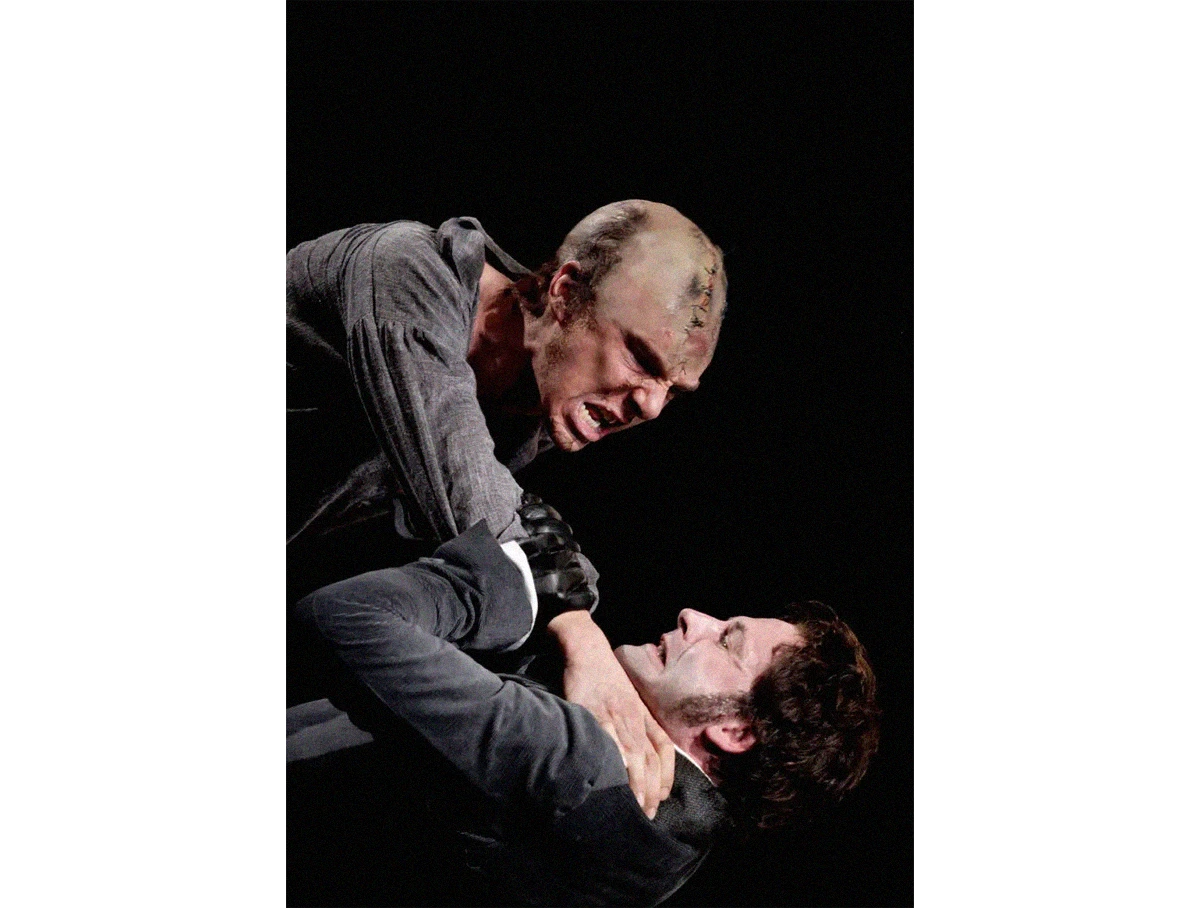
In February 2011, near the end of the seven years I spent living in England, I was lucky enough to get tickets to back-to-back preview performances of Nick Dear’s Frankenstein at Southbank Centre in London. This was the National Theatre production in which Benedict Cumberbatch and Jonny Lee Miller swapped the roles of Victor and the Creature night after night for the duration of the run. I’d been a fan of Mary Shelley’s novel since AP English in high school, and I was, at the time, deeply entrenched in BBC’s television adaptation of Sherlock. The production was engaging, visceral, and transcendent; it brought the book to life in ways that no shambling black-and-white monster flick I’d seen growing up had ever done. It made the connection between two struggling, isolated, monstrous young men positively electric with tragic yearning. In a word, it was perhaps the queerest thing I’d ever seen put on the stage up until that point in my life. It was the most pivotal turning point in my fascination with the intersection between monstrosity, queerness, and otherness since reading Shelley’s prose, since reading Edgar Allan Poe’s Complete Works, since reading Anne Rice’s Vampire Chronicles (those of them that existed up until that point in time, anyway; little did I know, there were still a few more to come). Leaving Southbank Centre after the second night’s preview with my then-partner, who wasn’t a great person for quite a number of reasons that I’d only just begun to uncover, I started to verbally outline a genderswapped retelling wherein maybe, just maybe, I could foresee a happier ending for my Victor-protagonist, my Elizabeth-protagnist, and my Creature-protagonist.
“What,” my then-partner scoffed derisively, one of the first of many, many signs that they’d turn out to be beyond bad news, “a lesbian Frankenstein retelling with a hopeful ending? A happy ending? Be serious. Who’d actually read something like that?”
Lots of people, it turns out. My short story, “We Come Back Different,” was published in JoSelle Vanderhooft’s Steam-Powered II: More Lesbian Steampunk Stories later that year. It went on to be reprinted across Pulp Literature’s Winter and Spring 2018 issues.
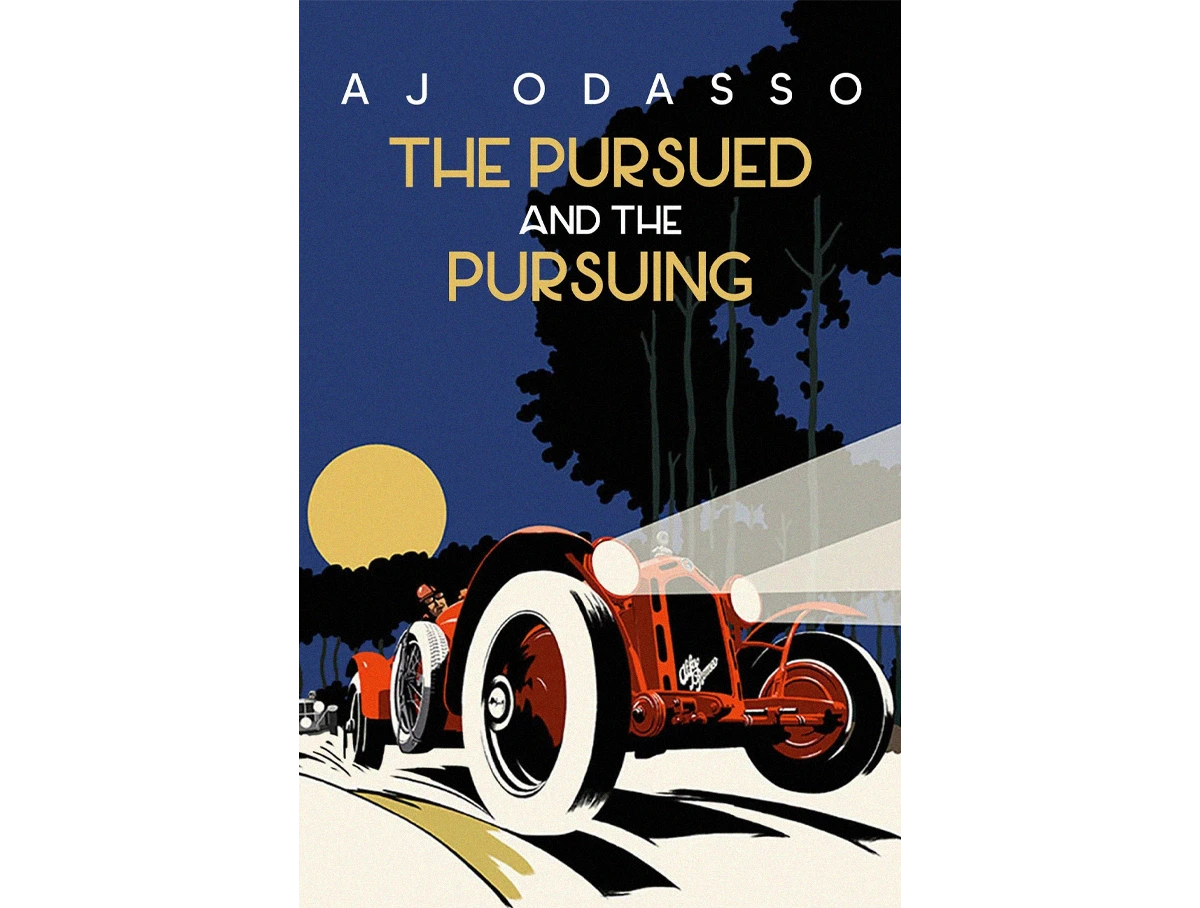
If you’re a seasoned Lit Society member, then you know that queer classic lit retellings have become something of a habit with me in the years since. I’ve done both podcast and Zoom conversations with the team about my queer Great Gatsby novel, The Pursued and the Pursuing, and I was also part of the scholarly team that worked on the introduction and annotations for the Bond & Grace Art Novel edition of Gatsby (as a queer theorist and commentator on gender, sexuality, and desire in the text). My impulse to retell stories when I’m dissatisfied with character dynamics, identities, relationships, and narrative endings stems back as far as my earliest days as a writer in junior high when I’d see my friends heartbroken by the books we were reading, the movies we were watching, and the Broadway musicals we were listening to (hello, Phantom of the Opera and Les Miserables, I’m looking at you). I realized that I was the resident wordsmith, and I’d rewrite segments of those stories to comfort them. We’d go online at Laura’s house after school, and we found message boards where people like us were posting their rewrites, too. My friends said, hey, AJ, your rewrites are…really fucking good. Maybe you should do that, too.
That was circa 1996. Now, it’s 2026, and I’m an Assistant Professor of English who teaches Creative Writing and Composition courses in addition to being a published poet, novelist, critic, and scholar. I’ve also been on the editorial team at Hugo-award-winning Strange Horizons magazine since 2012, so I haven’t even wandered that far from my love of science fiction, fantasy, and horror, either. In fact, genre literature—particularly the subgenre of horror and its grand, queer tradition of transforming and retelling stories, down to the phenomenon of literal bodily transformations—is what I would like to draw to the forefront of this conversation.
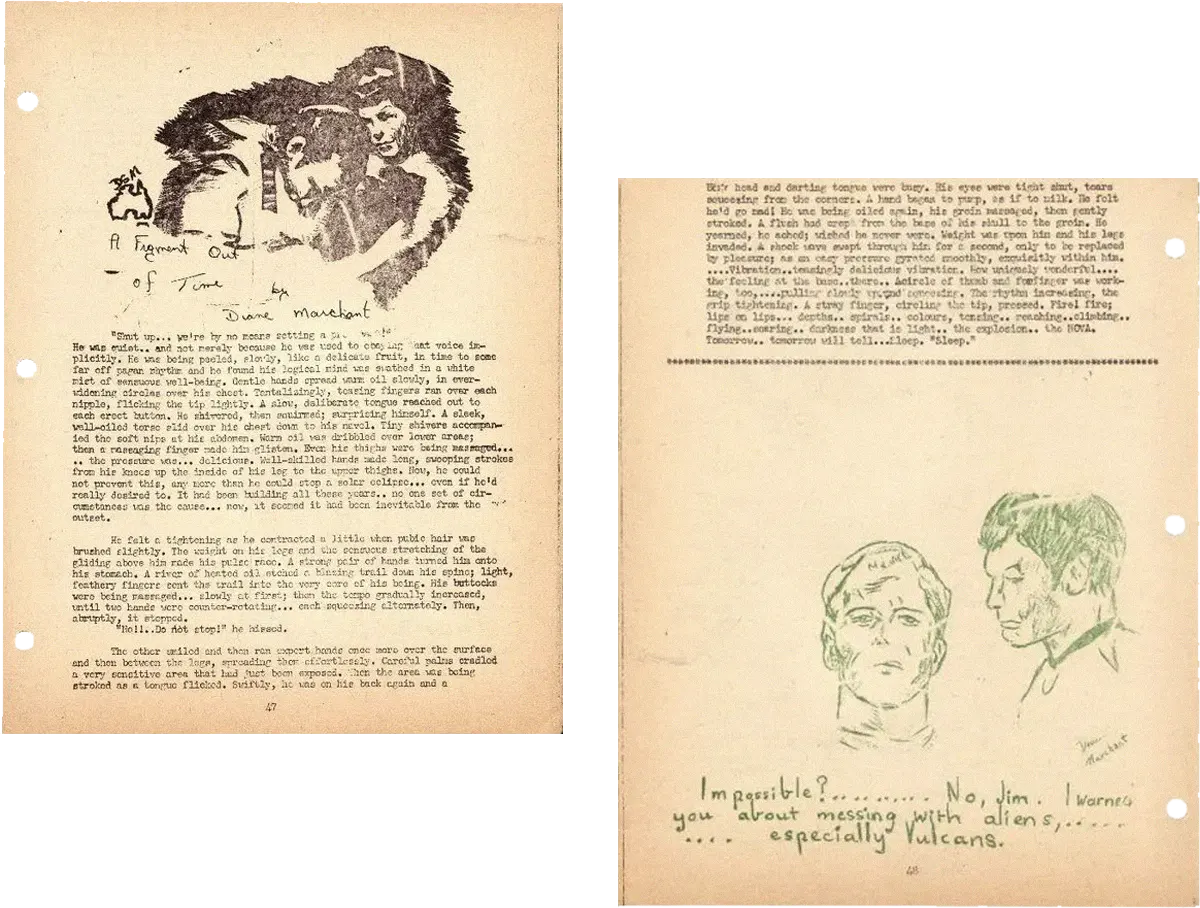
I’m hardly the first writer-scholar to discuss the intersections of classic literature, genre literature, and transformative works (fanfiction) as spaces in which queer yearning flourishes—in which marginalized voices have been taking the opportunity to repair and even entirely rewrite canon for as long. Humans have been doing this for as long as they’ve been engaging in storytelling, but it’s only relatively recently that our mainstream voices and institutions have grown less critical, have made space at the table, for acknowledgment and analysis of fanfiction as both a legitimate literary medium and a form of literary criticism. Even before Diane Marchant penned and published the first Kirk/Spock fanfiction, “A Fragment Out of Time,” in the fanzine Grup #3 (September 1974), the term “fanfiction” had already been coined as early as 1939 by the science fiction community. While it wasn’t exactly a complimentary term, as its intent was to differentiate between amateur- and professionally-produced fiction, the term’s mere existence demonstrates a crucial point of fact: fans have always been and will always be here, doing what they do best. If we aren’t happy with what we see in mainstream narratives, then we can and will take matters into our own hands. If that includes weaving in our neglected identities and addressing the tragic endings we’re heartsick of seeing, then so much the better.
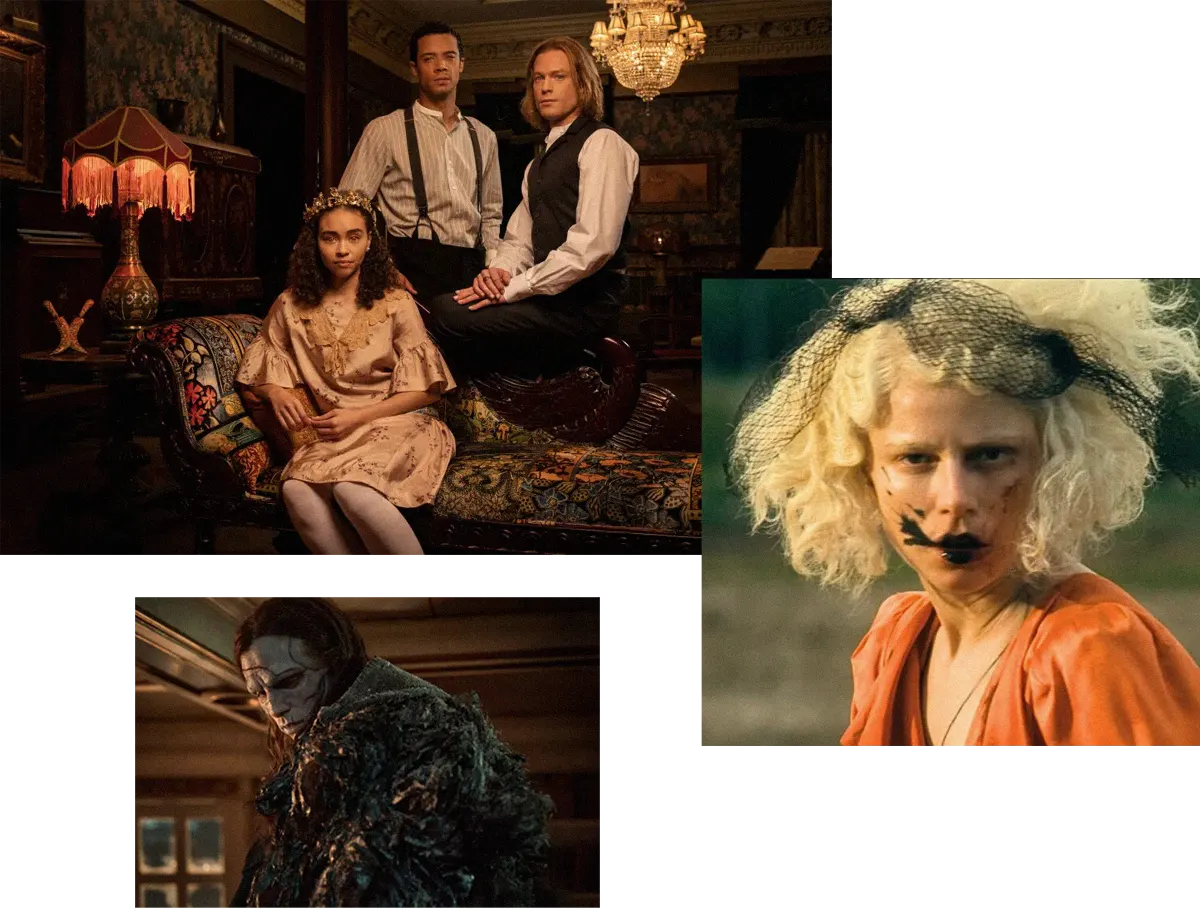
Even after adding original poetry and fiction to the range of writing that I’d been exploring since junior high (much of which deals with my own otherness in the form of my Autistic mind and cancer-surviving, intersex body), and even after that started to get published in magazines and anthologies, I stubbornly refused to stop writing and posting fanfiction online. To this day, even, I still actively write fanfiction, post to AO3, and participate in online fan communities. Most recently, with the advent of AMC’s stellar television adaptation of Interview With the Vampire, that’s the fandom in which I’ve been the most active. It’s brought me back to my roots in horror literature, and that haunting 2011 National Theatre production of Frankenstein has been very much at the forefront of my mind—as has Guillermo del Toro’s magnificent 2025 film adaptation, as has the fantastical 2026 feminist retelling, The Bride! I’ve pitched headlong back into vampire and zombie media, even going so far as to revisit another favorite show, a too-soon-canceled two-season BBC production called In the Flesh, which, like AMC’s currently three-season venture consisting of Interview With the Vampire (in two parts) and The Vampire Lestat (so far in one, out starting June 7th), is as queer as can be by design.
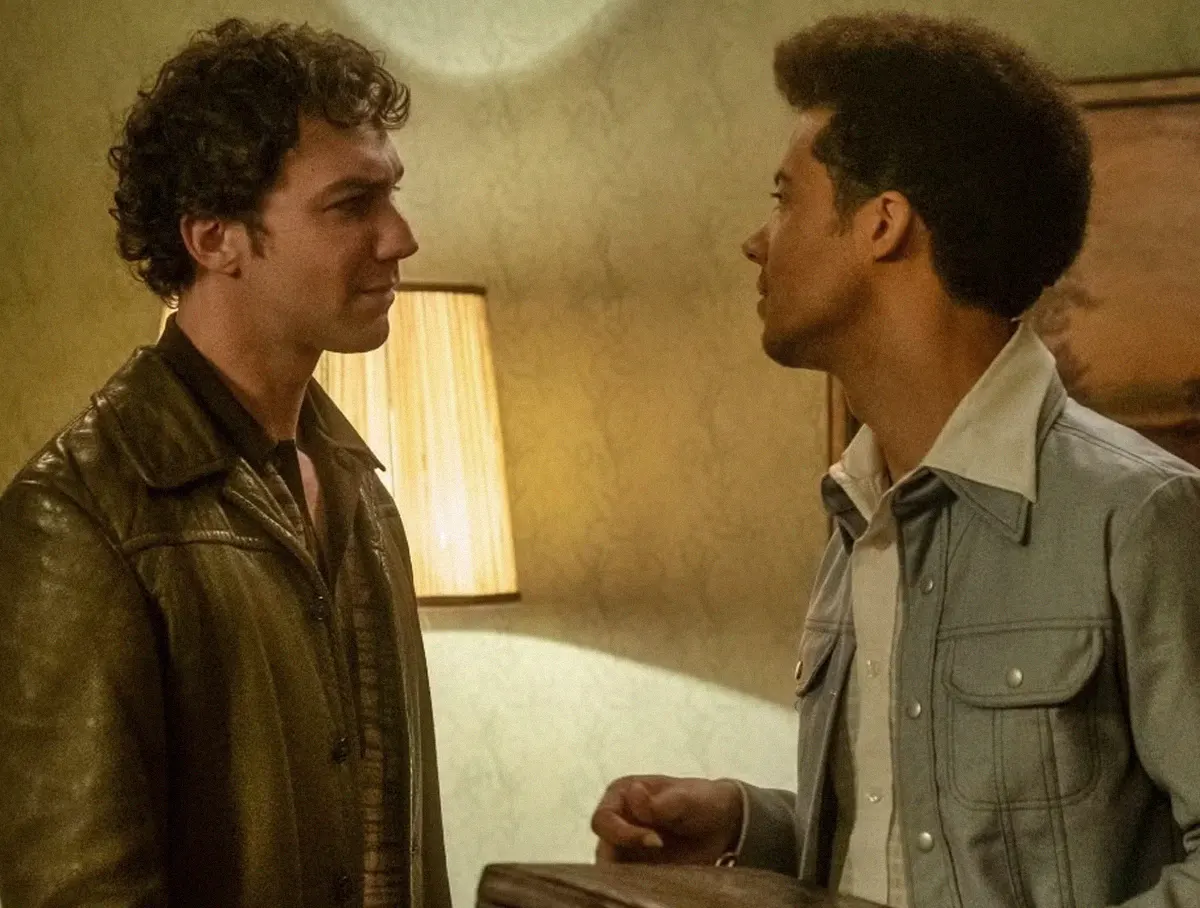
Even in pieces of media where queerness is canonically present and our perceived need for the rewriting of endings is arguably minimal, we still often find ways of reclaiming parts of a given narrative where we wish events might have gone differently. That’s another of the beauties of fanfiction: it’s not just for alternate readings of characters’ identities and for alternate takes on endings, but also for alternate universes. Some of my favorite ways to engage with AMC’s Interview With the Vampire canon thus far, for example, have been to imagine different outcomes for particular canonical events and scenarios within the first two seasons, and using those reworkings as the basis for stories. The queer imagination in a fandom setting is, at its heart, a space of reimagination—in order to demonstrate what I mean, here’s an excerpt from one of my more widely read IWTV stories on AO3, “Trade the Game You Know for Shelter”:
Daniel blinks helplessly at Louis’s boyfriend’s wide-eyed, wounded expression as Louis and Gary the disco dickhead wander off through the beaded curtain onto the dance floor. Daniel glances at Louis’s empty seat and untouched Tom Collins, and then gestures hesitantly.
“Want a cocktail?” Daniel asks, swallowing hard. “It’s, uh…it’s on me.”
[….]
“Armand,” he says, diction shifting from British influence to French.
Daniel lets go of the glass when Armand accepts it, their fingers brushing. Armand’s fingers are long and graceful, his fingernails glassy and almost pointed. Fancy acrylics. As soon as Armand sits, Daniel perches back on his own bar stool and picks up his half-drunk cocktail.
“Aren’t you going to introduce yourself?” Armand prompts, raising his glass.
“Daniel,” he says, clinking his cocktail against Armand’s, his hand shaking.
Armand takes a sip, grimacing. “Cheap gin, a heavy pour. Few things worse.”
Daniel pauses, offering what’s left of the Grasshopper. “This more your speed?”
[….]
Armand opens his eyes, licking his lips as Daniel withdraws the glass. “The ice has melted, so…watery, at this point,” he says, too measured for Daniel’s liking. But then he runs his thumb along his lower lip, meeting Daniel’s gaze, his eyes all amber warmth. “Better.”
What’s even happening? Daniel wonders, and then it hits him. This might be Armand’s way of sticking it to Louis for insulting him. If that’s what’s going on, then Daniel is kind of into it. He’s mad at Louis, too. If he had a boyfriend this sensitive and sophisticated, there’s no way he’d be out cruising for schmucks like himself on a Tuesday night. He’d be at home doing lines of the high-grade shit and sucking Armand’s dick.
“Finish it,” Armand says abruptly, reaching out to touch the bottom of the glass. He tilts it up to Daniel’s lips, the words an imperious command.
For context: at this point in the narrative of IWTV S2, there’s a flashback to Daniel Molloy’s first meeting with Louis de Pointe du Lac and Armand at a San Francisco gay bar in 1973. In the canon version of the scene, perhaps somewhat unfortunately for Daniel, he leaves the bar with Louis to start. However, in this reimagining, Louis’s attention is diverted by a chance meeting with one of his art clients, which leaves Armand and Daniel to their own devices. The story proceeds to follow an alternate timeline in which the primary plot of the series doesn’t unfold as it unfolds onscreen, and Daniel’s relationship with Armand has the freedom to develop on a track closer—temporally, tonally, and romantically—to the one that it follows in Anne Rice’s book canon on which the show is based. As with this story that I offer as an example, so many pieces of fanfiction are what-ifs taken to extensive, lovingly imagined, richly developed limits.
What do all of these pieces of media have in common, as far as what they mean to me as a queer writer of genre literature and fanfiction? They represent an ongoing resurgence of what the undead mean to us, of what power they hold in the marginalized imagination in times like these, both in mainstream and in fandom narratives. Vampires, zombies, and the unquiet (un)dead in any form that they take—they remind us that the best thing that we as artists, creatives, and writers can do is refuse to die when social and political narratives are telling us to do just that.
Fandom and fanfiction aren’t the only spaces left to us for the purpose of doing our rewrites. With increasing frequency, these stories are being funded and platformed in mainstream publishing, film, and television, which then feeds back to us here in fandom. It’s the first time in a long time when we have a feedback loop that’s vibrantly alive in spite of how terrifying the state of the world is otherwise. Jeffrey Jerome Cohen writes in Monster Theory: Reading Culture, “The monster is difference made flesh, come to dwell among us.” Our transgressive joy, our queer yearning, makes it flesh; we embody that difference even as we write it.
** Join Lit Society for access to an author Q&A with AJ Odasso on Fanfiction & Queer Love.