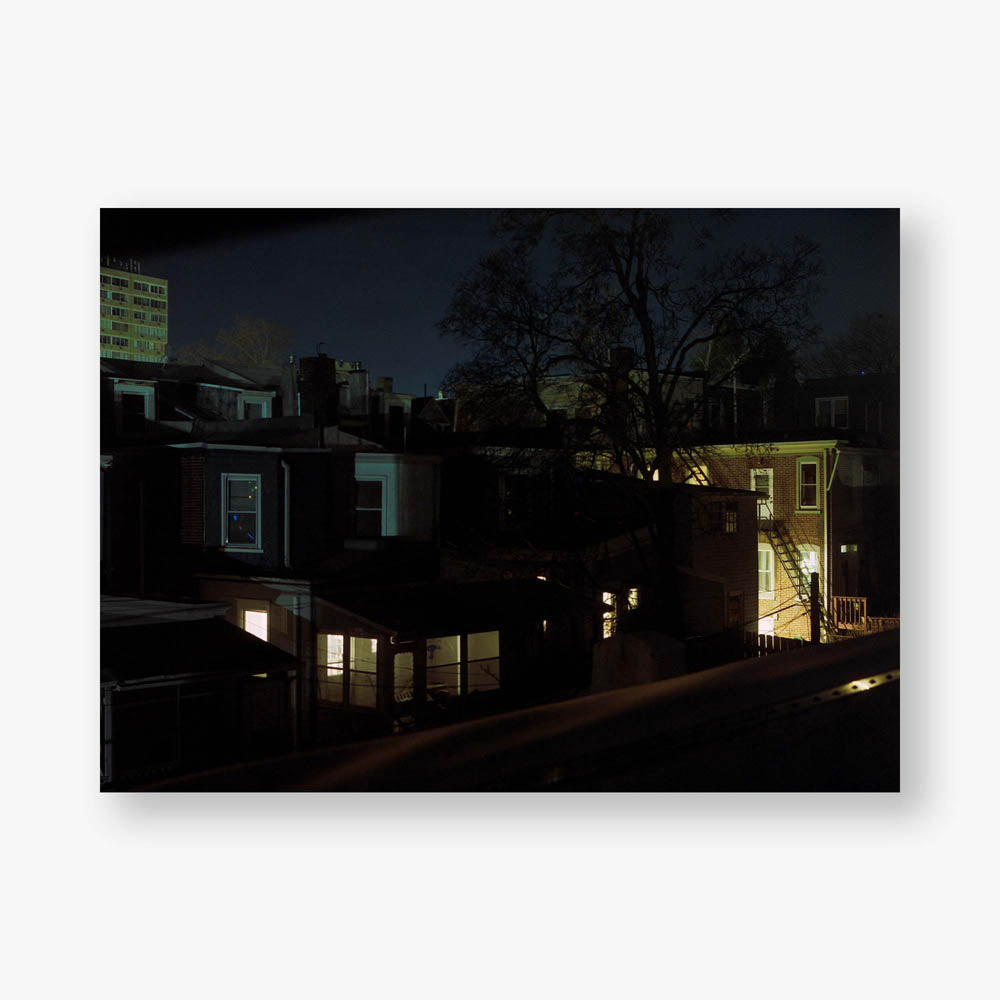
You’re walking through a building you’ve visited a hundred times before. Then you step through a doorway, and the place you know is gone. All that remains is a hallway, long and endless. It stretches out under fluorescent lights that hum at a frequency that feels slightly off. The walls are bare, the carpet nondescript. There are no windows or exits. You get the strange sense that you’ve been here before, but you know you haven’t. Or have you?
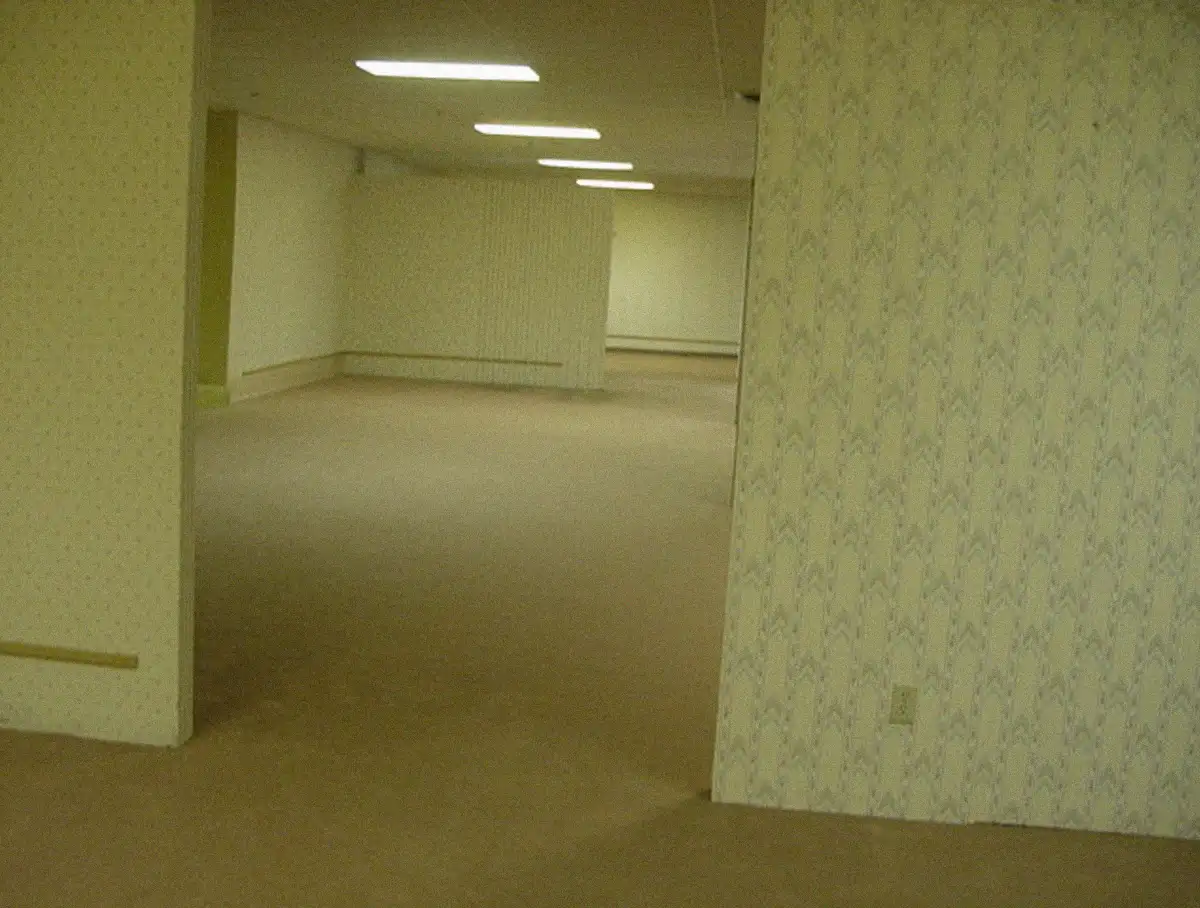
These are the Backrooms, a horror concept that began as a single eerie image posted online and grew into one of the more resonant pieces of contemporary horror mythology. The premise is simple: you’re somewhere, and then suddenly you aren’t. It feels familiar, but wrong. It’s not a monster you fear, but something arguably worse: a space that offers no explanation and no clear way out.
That absence of a definable threat is what makes the Backrooms so unsettling, and it points to a larger movement in contemporary horror. Traditional horror, from the creature under the bed to the killer in the woods, may give us a scare, but at least those figures are tangible, targetable beings that can be outsmarted or outlived. Increasingly, the genre uses threats not only to create fear, but to give shape to something harder to defeat: the fears that live inside us. Contemporary horror feels especially resonant right now because contemporary fear feels increasingly personal: less like a distant threat and more like something embedded in everyday life, identity, and the systems we are forced to navigate.
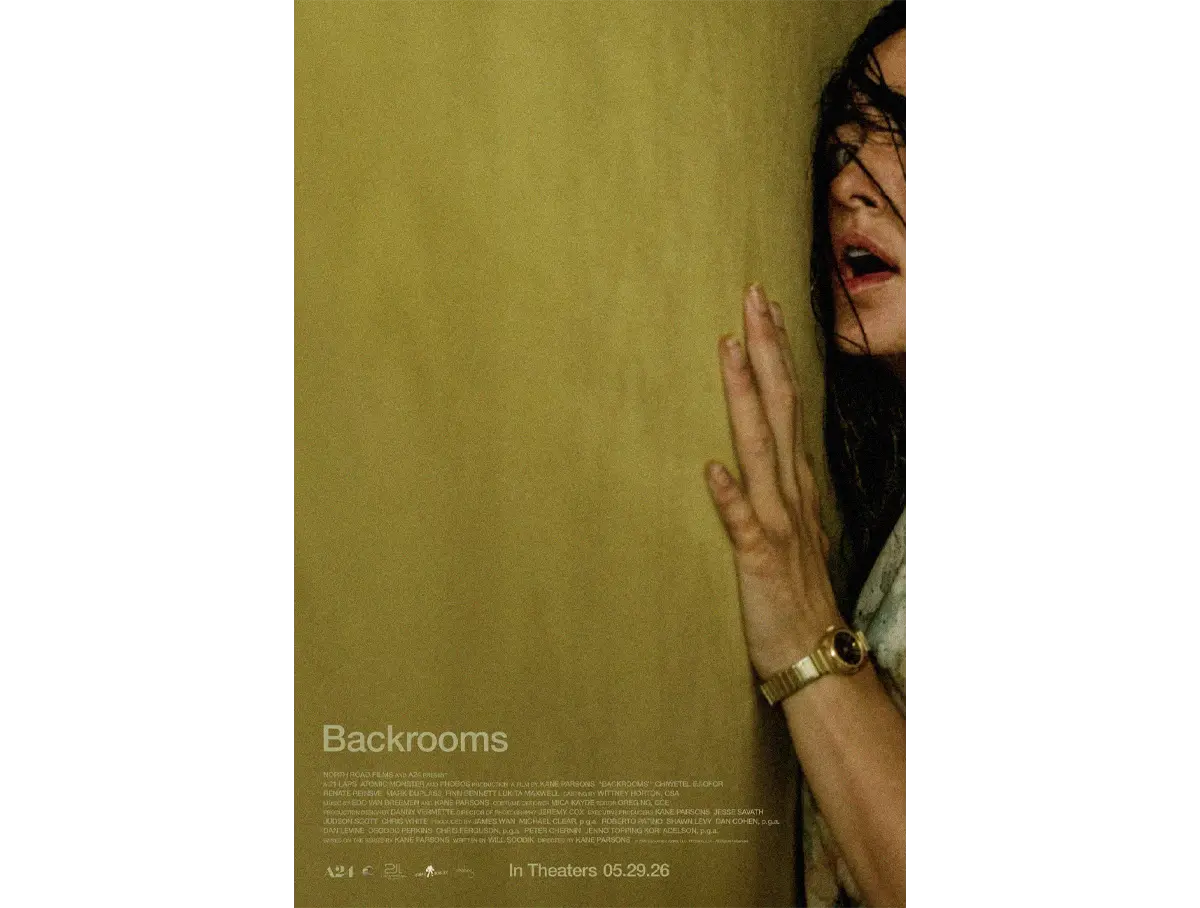
As social, technological, and political life has grown more unstable, horror has become less concerned with singular monsters and more interested in disorientation itself: the fear that familiar systems, spaces, and identities can suddenly stop making sense. The Backrooms are one expression of this anxiety, part of a growing wave of liminal space horror that has gained traction in recent years, particularly online through Kane Parsons’s popular web series, now being adapted into a feature film from A24. Liminal spaces take their name from the Latin word limen, meaning threshold, and refer to spaces that exist between one place or state and another. At their core, they feel familiar but fundamentally wrong. An abandoned shopping mall or empty school may evoke nostalgia, but the emptiness turns recognition into unease.
They remove the systems that situate us in a place we understand. The question isn’t just, “What is this place for?” or even, “How do I get out of here?” but “Why am I here?” The dread is existential as much as spatial: a place without purpose forces the person inside it to confront the possibility that they don’t have one either.
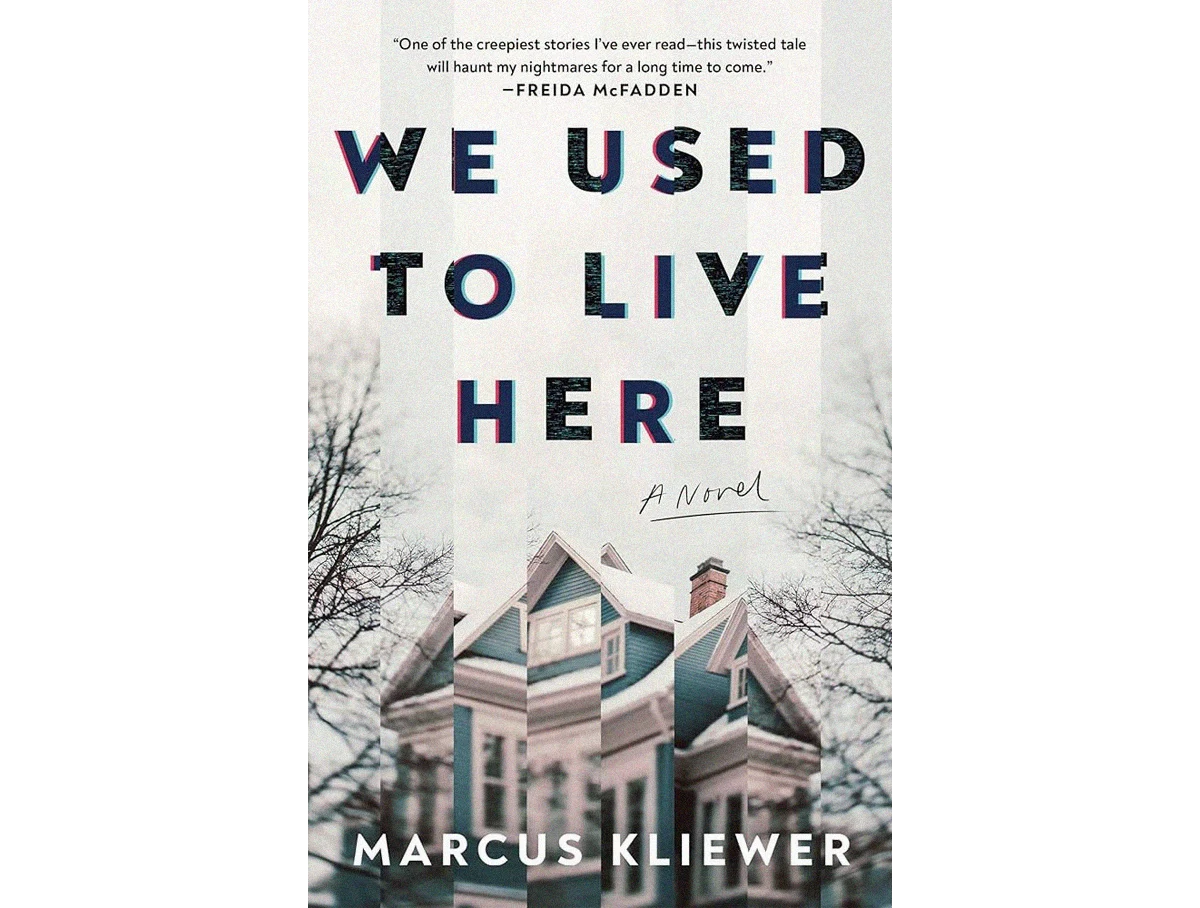
Marcus Kliewer’s novel We Used to Live Here (2024) explores a more domestic version of this fear. When a family arrives at Eve’s door claiming they used to live in her house, what begins as an uncomfortable visit slowly destabilizes into something far stranger. The house becomes a liminal space of its own, where rooms, timelines, memories, and identities seem to shift without warning. Like the Backrooms, the novel turns a familiar space into something unstable, making reality itself feel untrustworthy. It calls forth a dread that feels especially recognizable now, in a cultural and political climate where “unprecedented” has become the word of the century. A reality we know intimately, and one we can’t escape.
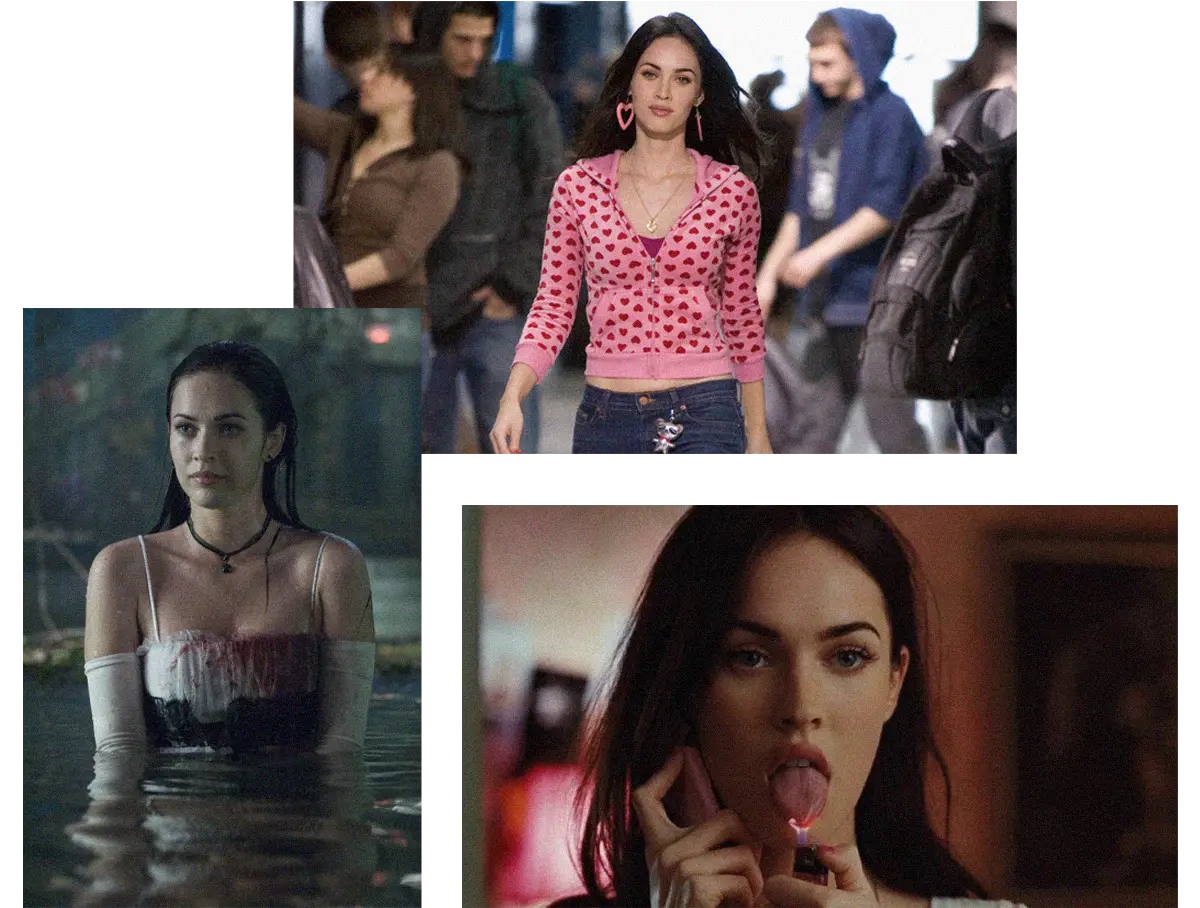
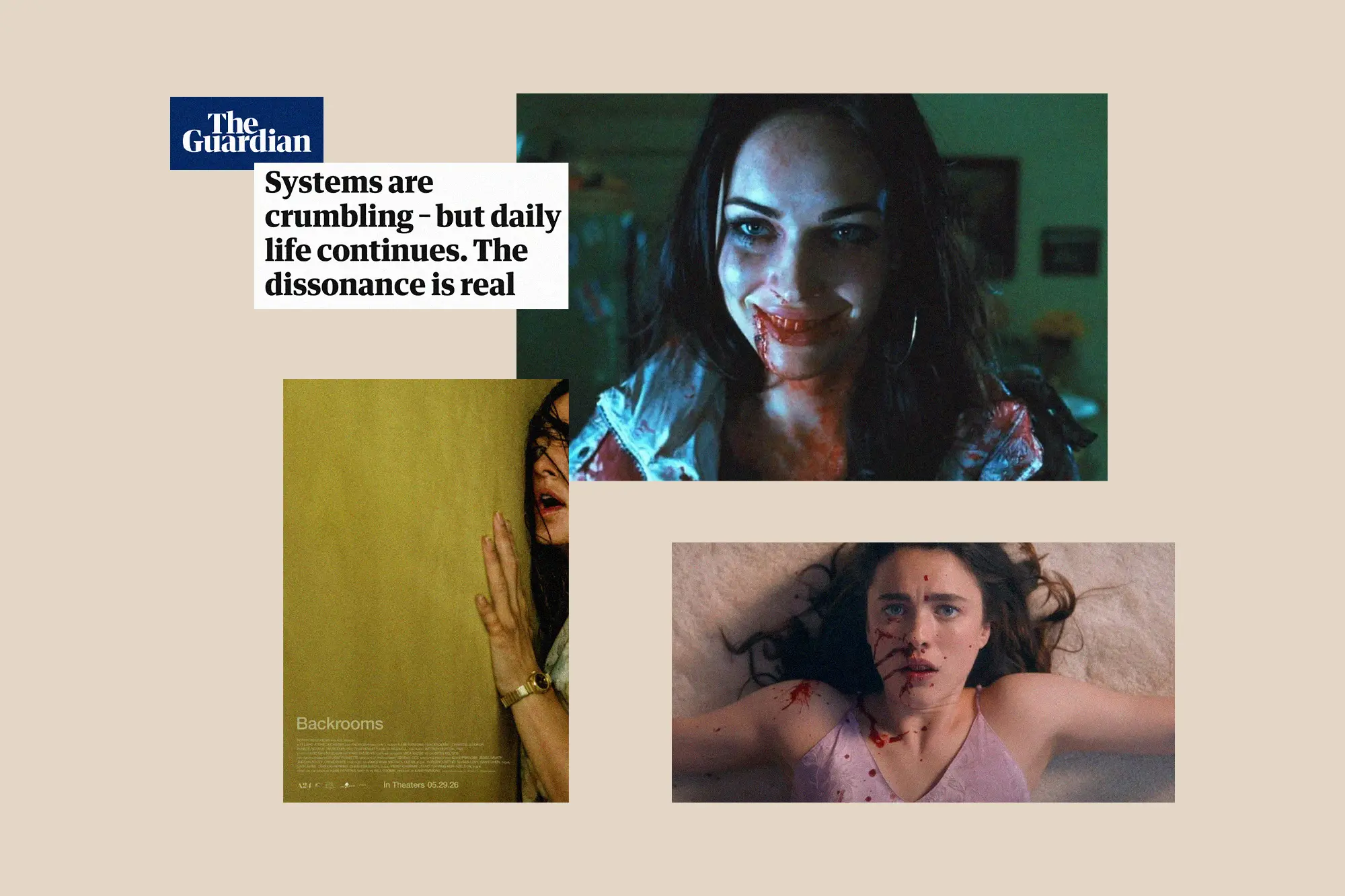
For women especially, this sense of instability—the feeling that rights, autonomy, and identity are no longer guaranteed—has fueled the rise of female rage horror. In these stories, rage often begins with the pressure: the pressure to remain accommodating, desirable, or compliant. To live in a body that is often commodified or fetishized until it stops being survivable. Diablo Cody’s 2009 film Jennifer’s Body remains one of the clearest examples of the female rage subgenre. By turning Jennifer into a predator, the film inverts the fear surrounding female sexuality by having her literally consume the bodies of men. Jennifer’s appetite turns her into a monster, a danger to a world that has treated women like her as prey.
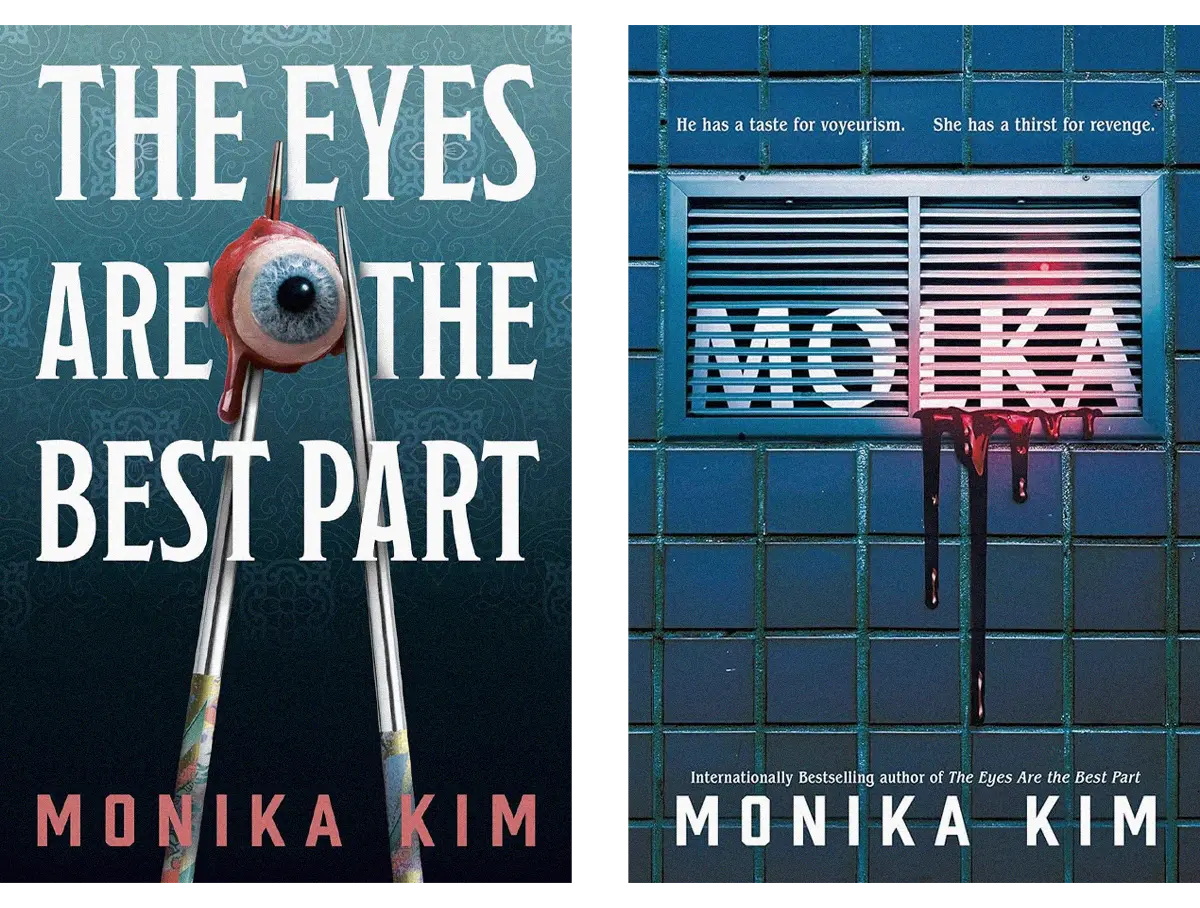
Female rage has also become prominent in contemporary horror novels, including Korean American author Monika Kim’s work. In The Eyes Are the Best Part (2024), repeated misogyny pushes a woman past her breaking point until her anger becomes visceral, a grotesque hunger that cannot be satiated. In her recently released Molka (2026)—the Korean term for hidden cameras used to film women without their knowledge—a woman’s life unravels after she is violated in this way, leaving her isolated and eager for revenge. Kim’s novels use horror to explore the destruction that can occur when women are repeatedly devalued and pushed past their breaking point.
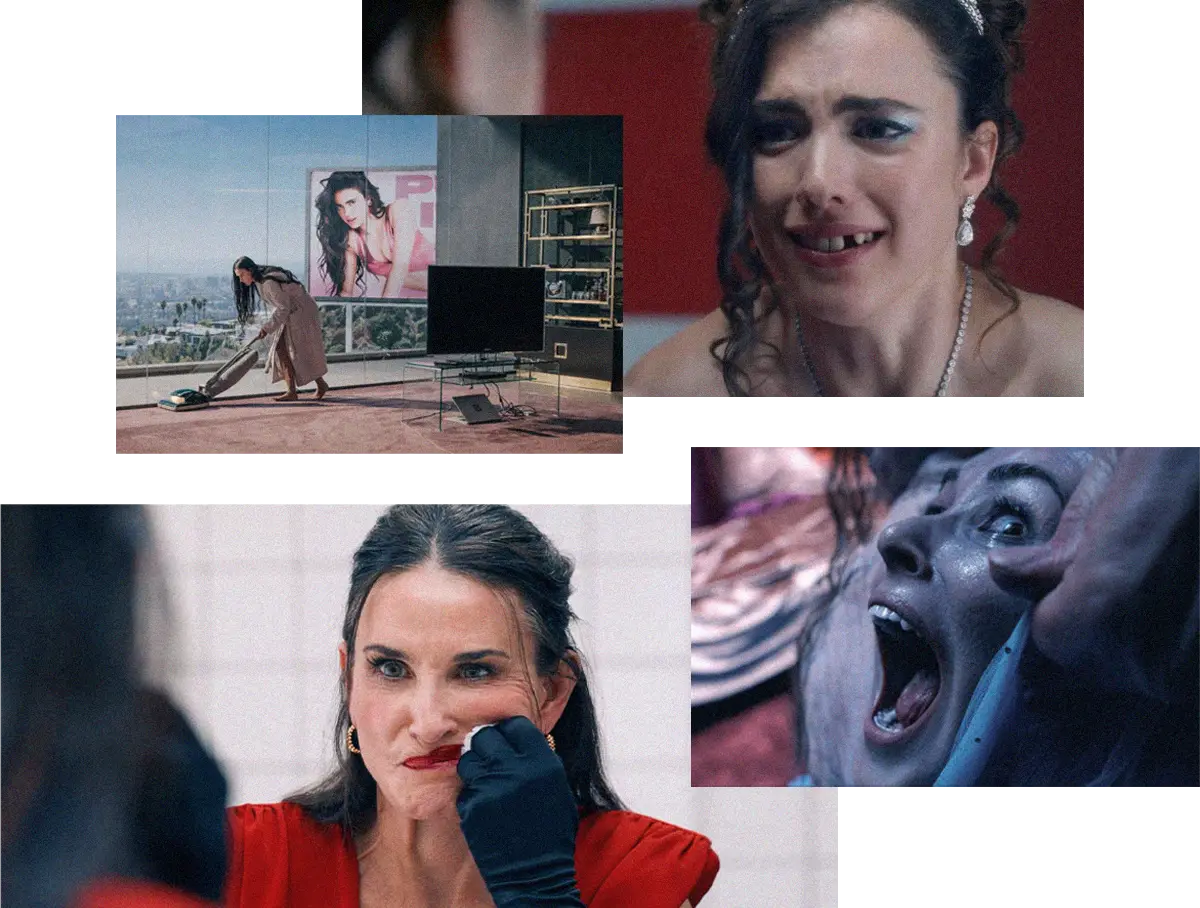
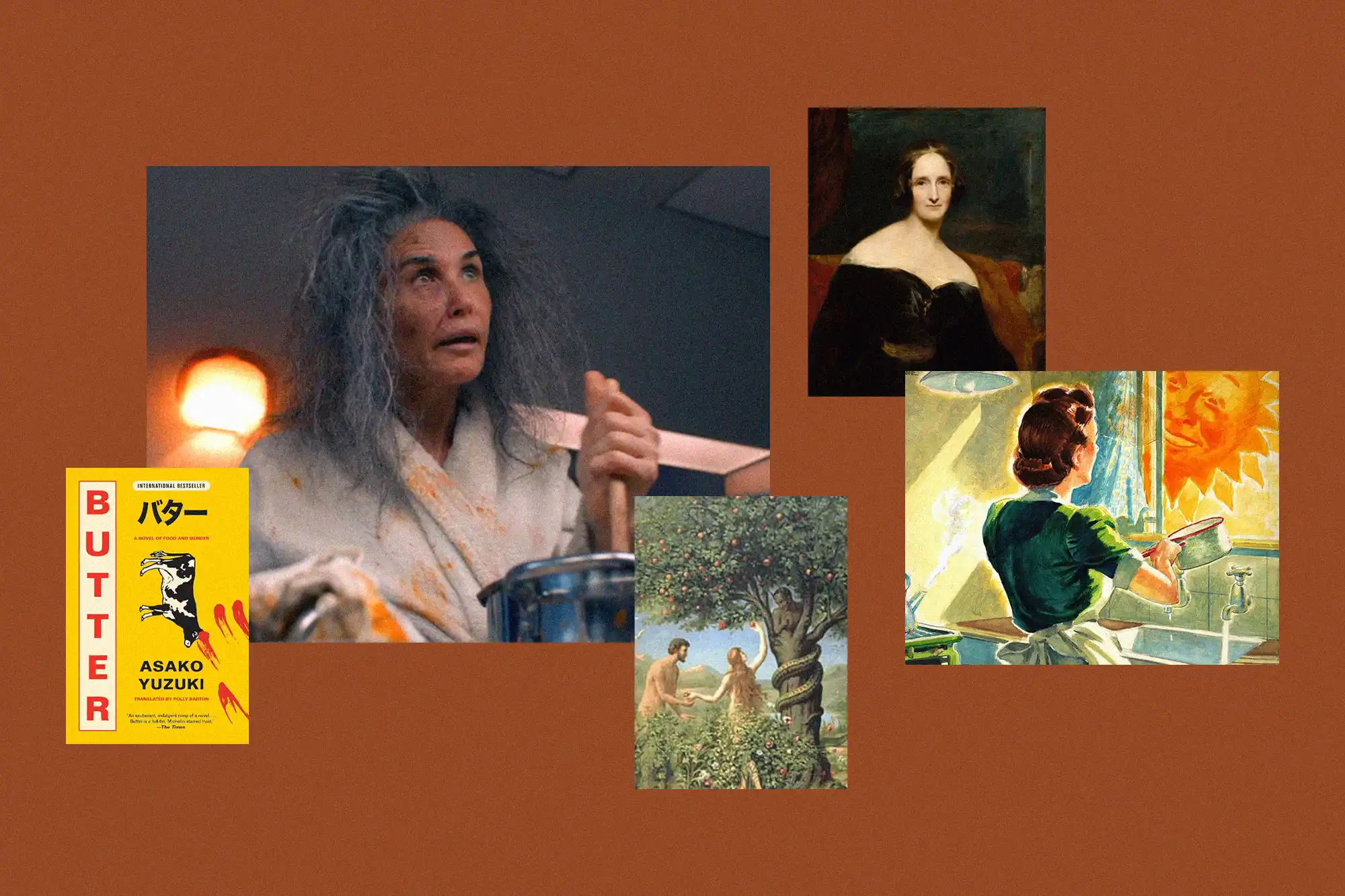
Increasingly, contemporary horror refuses to separate emotional suffering from the body itself. Anxiety, shame, misogyny, and self-loathing are portrayed as physical forces, turning the body into something unstable and frightening. In these stories, the body is no longer just something a character inhabits. It can betray them, reshape them, or be judged as inadequate by the world around them. In Coralie Fargeat’s The Substance (2024), Demi Moore plays an aging actress who turns to a mysterious serum after being pushed out of the spotlight by her misogynistic producer. The serum promises both youth and beauty, but instead turns her body into a battleground between self-loathing and the impossible demand to remain desirable.

That fear of bodily inadequacy takes different forms in Amy Wang’s film Slanted (2025) and Caroline Glenn’s novel Cruelty Free (2026). In Slanted, a Chinese immigrant teen tries to transform herself into the ideal of a perfect blonde white girl, only to discover that changing her body also means erasing who she is. In Cruelty Free, a woman devastated by personal tragedy and disgusted by the way society has treated her uses other people’s bodies as an instrument of revenge, turning the beauty industry’s obsession with transformation into something grotesque. Across these stories, the body becomes an instrument of reinvention, punishment, and control, shaped by western beauty standards that punish anyone who falls outside them.
As these stories move from the body to the systems acting on it, horror becomes less about individual transformation and more about the structures that decide whose bodies, identities, and lives are protected. Institutional horror is built around the fear of systems that are indifferent to suffering, especially those designed to control or exploit marginalized people. The danger is structural and systemic, yet often disguised as respectable or even benevolent.
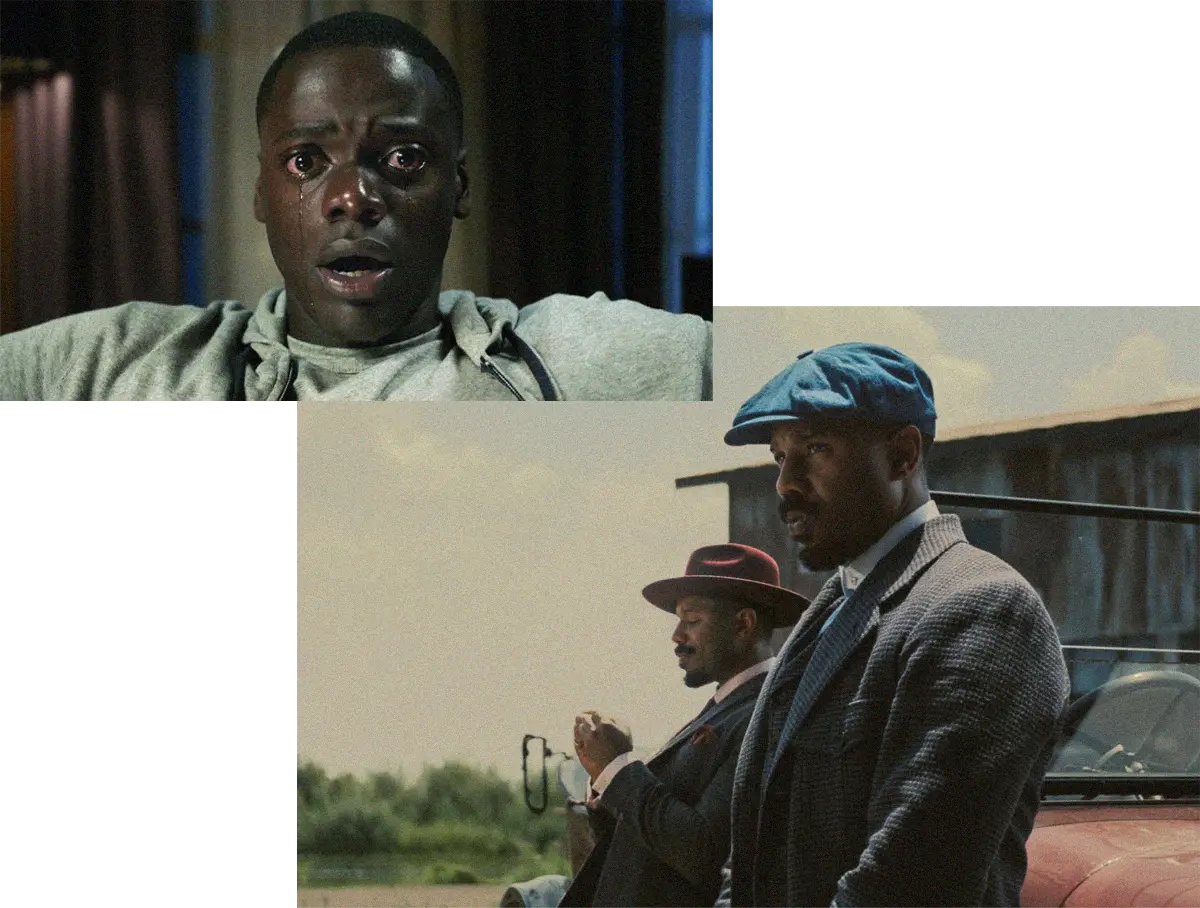
Jordan Peele’s Get Out (2017) remains the defining example, using horror to expose the violence hidden beneath liberal performativity and revealing how racism can thrive beneath the language of inclusion and supposed progress. Ryan Coogler’s Sinners (2025) extends this idea, using vampirism as a metaphor for systems that feed on Black life while offering the illusion of freedom in return. Like Get Out, the horror is not simply that monstrous people exist, but that exploitation disguises itself as opportunity.
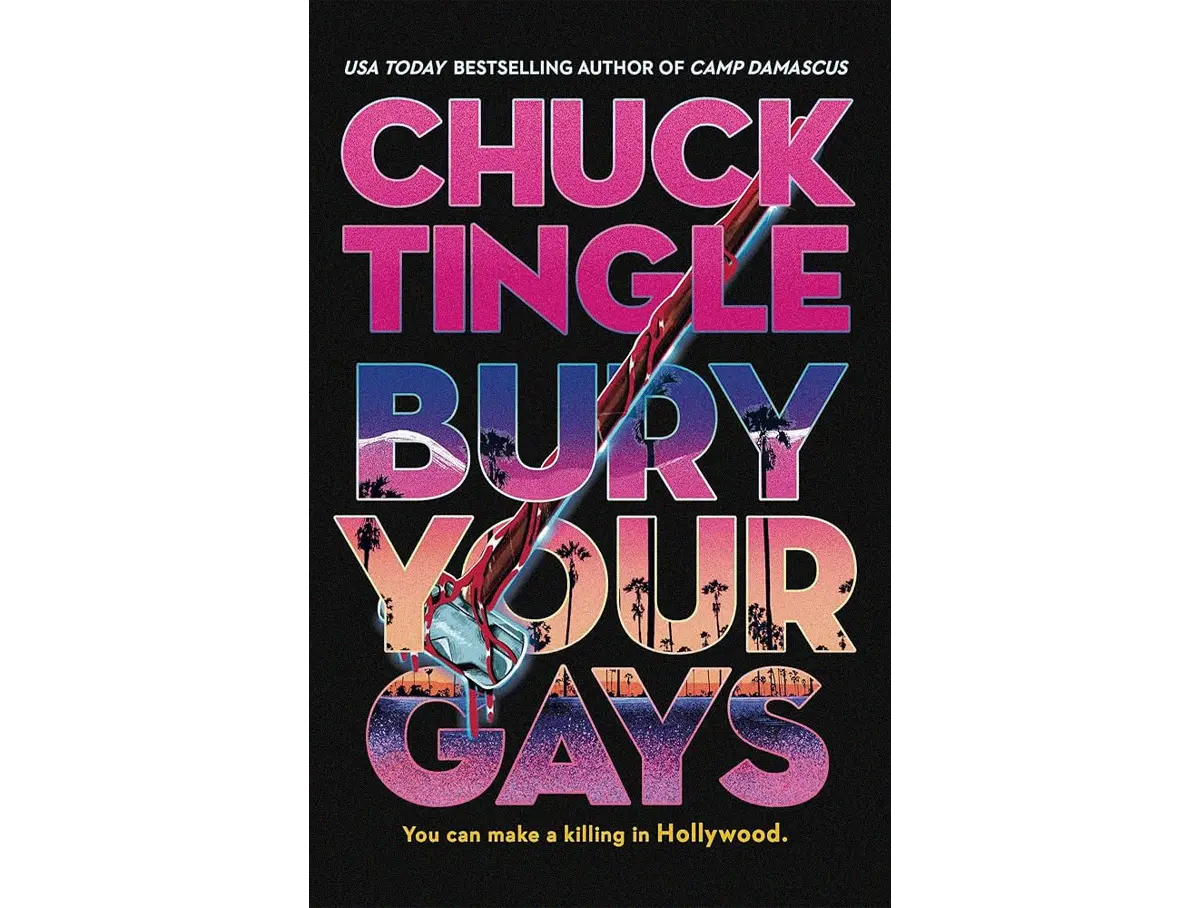
If these films show exploitation disguised as something seductive, Bury Your Gays makes the logic even uglier: the system no longer needs to hide what it wants. Chuck Tingle’s 2024 novel follows Misha, a gay screenwriter pressured by his studio to kill off his queer characters to satisfy “the algorithm.” The demand forces him to participate in the very trope the title references: the long history of killing off LGBTQ+ characters or denying them happy endings. When he resists, Misha is quite literally haunted by the terrifying figures from his own stories, as well as the closeted past he continues to run from. Here horror confronts a system that does not simply overlook queer joy, but treats it as less entertaining than queer pain.
Horror feels more resonant than ever because the world itself feels increasingly unstable—shrinking rights, algorithmic surveillance, loss of bodily autonomy, political exploitation, and institutions that feel unable or unwilling to protect the people inside them have made fear more pervasive and harder to separate from everyday life. Contemporary horror gives that instability a voice. The Backrooms may look different from the haunted houses and gothic castles of the past, but they are an evolution of the same fear: that the world can suddenly stop making sense.