An unmarried man could be a bachelor. An unmarried woman was a problem.
For centuries, authors tried to explain what had gone wrong with her. She was too plain, too difficult, too old, too poor, too particular. Literature called her the spinster. The word itself carries a perverse kind of judgment. It not only describes a woman who has never married, it also suggests a woman has missed the life she was meant to live.
For much of literary history, marriage was not just one possible outcome for a woman—it was the outcome against which all other possibilities were measured. The heroine who married had arrived somewhere, but the woman who did not was left behind.
Consider Charlotte Lucas in Pride and Prejudice (1813). When Elizabeth Bennet learns that Charlotte has accepted a marriage proposal from her foolish distant cousin Mr. Collins, she is horrified. Charlotte, after all, has chosen a man Elizabeth cannot imagine loving. But Charlotte is not confused about what she is doing. She is twenty-seven, without a fortune, and understands that her options are narrowing. She doesn’t expect marriage to provide romantic fulfillment; she expects it to provide a home.
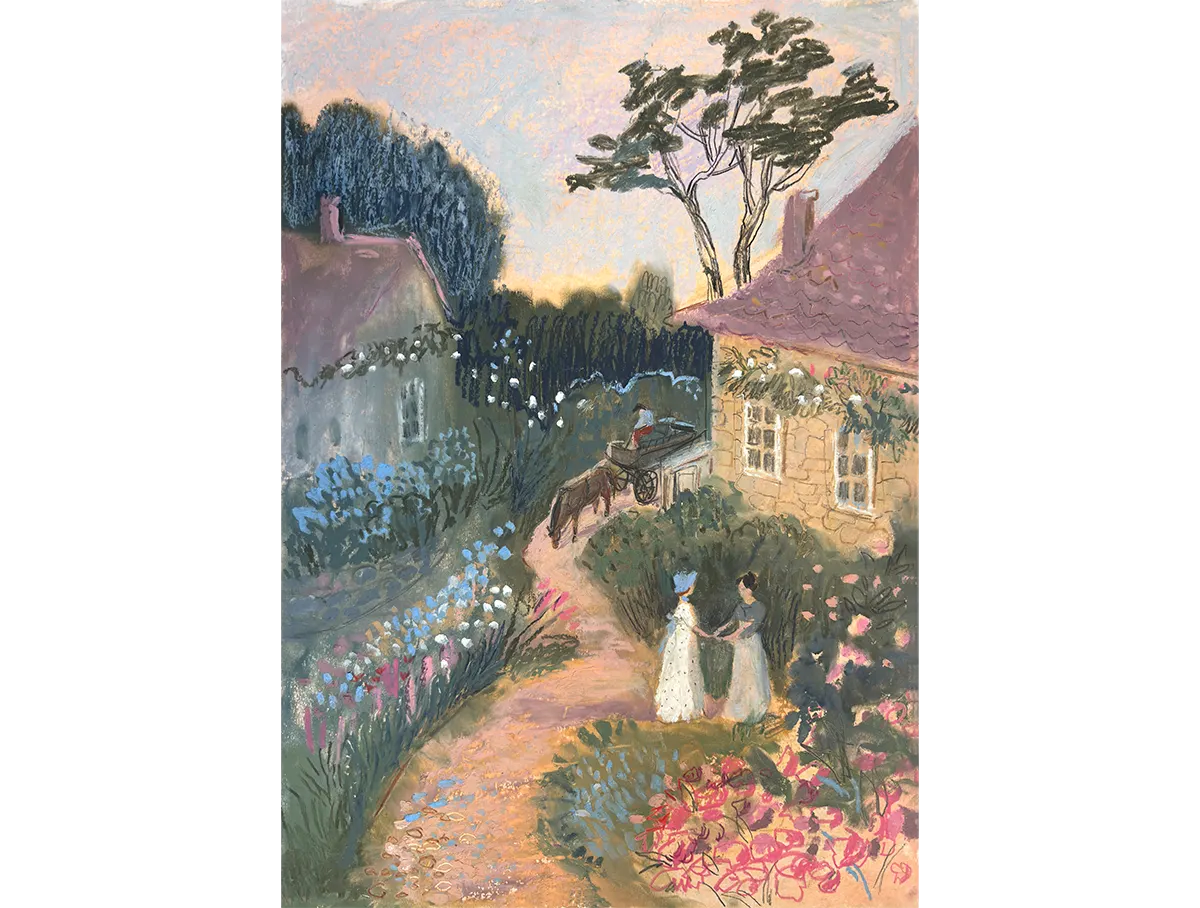
Charlotte has no interest in pretending that marriage is only about love because she knows that, for a woman in her position, it is also about economic standing. She knows the rules of the game, and more importantly, what happens to women who cannot, or will not, play.
Miss Bates in Emma (1815) gives us a glimpse of what Charlotte is trying to avoid. She is unmarried, aging, and financially dependent on others. She lives with her mother and her niece, Jane Fairfax, who comes to stay with them during the novel. She spends much of her time chatting and sharing observations.
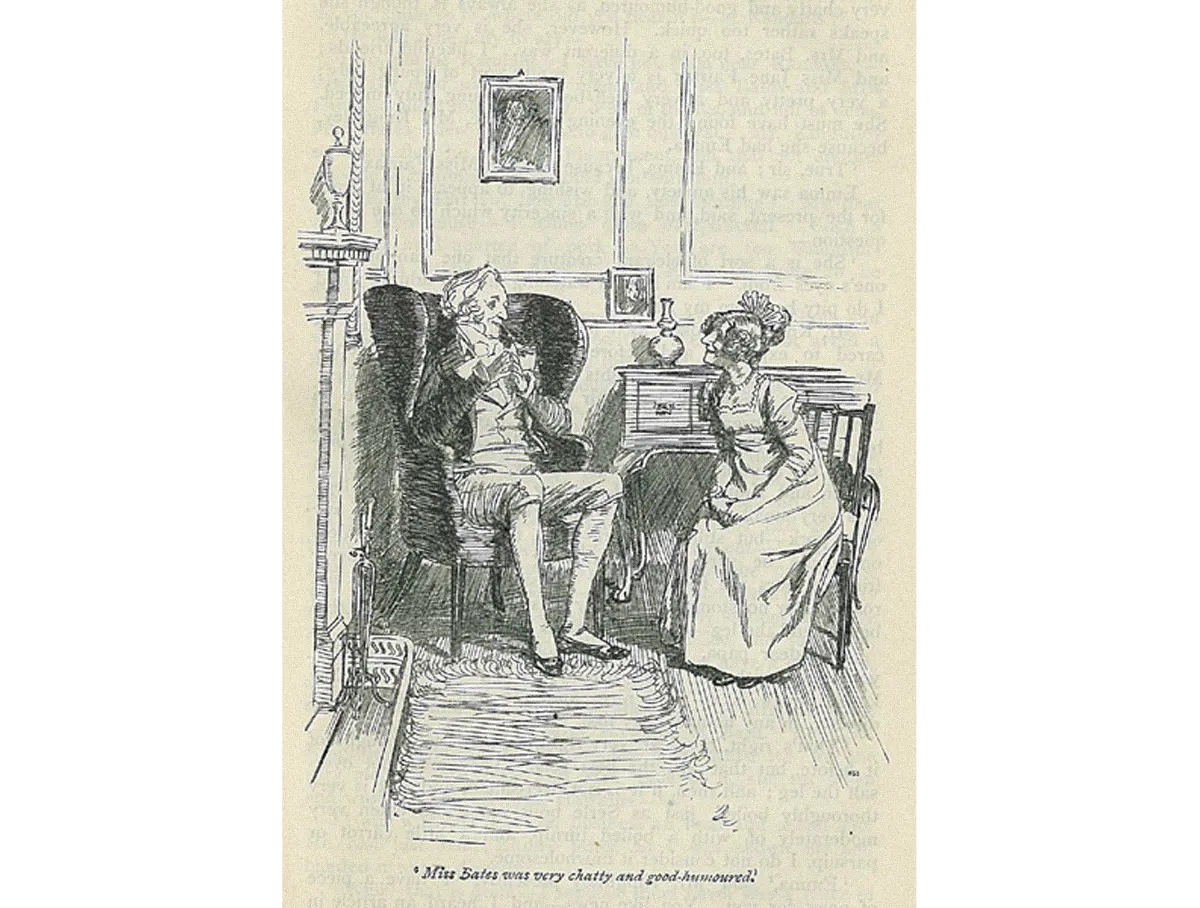
Emma finds her unbearable, but underneath the almost desperate abundance of words, Jane Austen makes Miss Bates kind, affectionate, and woven into the life of Highbury, writing, “she was considered with all the regard and respect which a harmless old lady, under such untoward circumstances, can excite.” Her value, though, is too easily overlooked when measured against the conventional categories of a woman’s life
Then we have Miss Havisham in Great Expectations (1860–1861). She was supposed to become a bride, but instead, she becomes permanently associated with the fact that she did not.
On her wedding day, she is abandoned by Compeyson. Her response to this is to stop time rather than to move on. She leaves the clocks stopped at twenty minutes to nine, keeps her wedding dress on, and allows her world to decay with her.
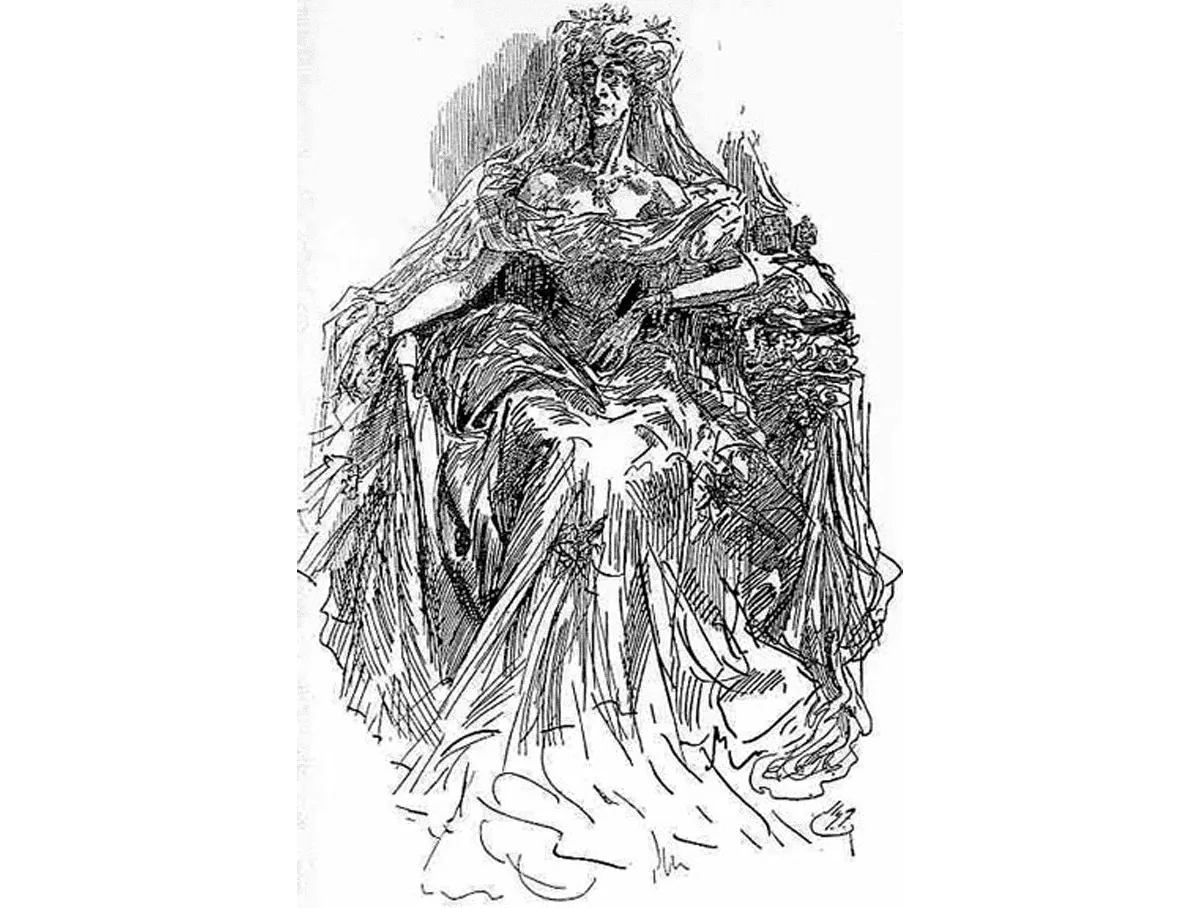
Miss Havisham takes the old logic of the spinster to a Gothic extreme. Her identity becomes entirely organized around romantic rejection. There is something terribly tragic about this because Miss Havisham has enormous power. She is wealthy. She owns her house. She has no practical need for a husband, and yet she remains psychologically imprisoned by the idea that marriage, and specifically being chosen by a man, would have completed her.
Miss Havisham is a reminder that independence and self-possession are not the same thing. A woman can live alone and still define herself entirely through men.
By the twentieth century, however, the unmarried woman begins to look different.
Mildred Lathbury, the narrator in Barbara Pym’s Excellent Women (1952), is one of the more fascinating descendants of the literary spinster because she is so ordinary. She is in her thirties, unmarried, employed, sensible, observant, a bit judgmental, and completely capable of managing her own life. She lives alone. She earns her own money. She has friends and responsibilities and a full social world, and yet everyone around her seems to assume that marriage is still the missing piece.
Mildred occupies an interesting middle ground in the history of the unmarried woman. She is not Charlotte Lucas, who views marriage as necessary security. She is not Miss Bates, whose unmarried status leaves her socially and economically vulnerable. She is certainly not Miss Havisham, whose life has been consumed by romantic disappointment. Mildred Lathbury has a life of her own, and marriage is not at its center.
Then along comes Miss Jean Brodie.
Miss Jean Brodie in The Prime of Miss Jean Brodie (1961) is charismatic, ambitious, sexually independent, politically opinionated, and determined to influence the lives of those around her. She has the confidence of someone who knows her life is important. Of course, this confidence isn’t entirely commendable. Miss Brodie is also manipulative, narcissistic, and dangerously convinced of her own exceptionalism. Her independence doesn’t make her morally good, but that’s the point. The unmarried woman has finally begun to escape the old literary binary in which she is judged as either pitiable or admirable according to how well she handles her “failure” to marry. Miss Brodie has rejected one conventional female role only to create another form of power around herself. She needs to be exceptional and respected.
The spinster has still not disappeared here; she has just become more complicated.
By the time we reach Keiko Furukura, the rules—and cultural setting—have changed.
Sayaka Murata’s Convenience Store Woman (2016; English translation, 2018) offers perhaps the clearest expression of how radically the unmarried woman has changed. Keiko is thirty-six and has no interest in pursuing a conventional career or getting married. She works at a Tokyo convenience store, and for the most part, likes it. The people around her are baffled. They cannot understand her. Why is she still working there? Why isn’t she looking for a “real” job? Why hasn’t she found a husband? Why doesn’t she want children? Why doesn’t she want the life that everyone else seems to want?
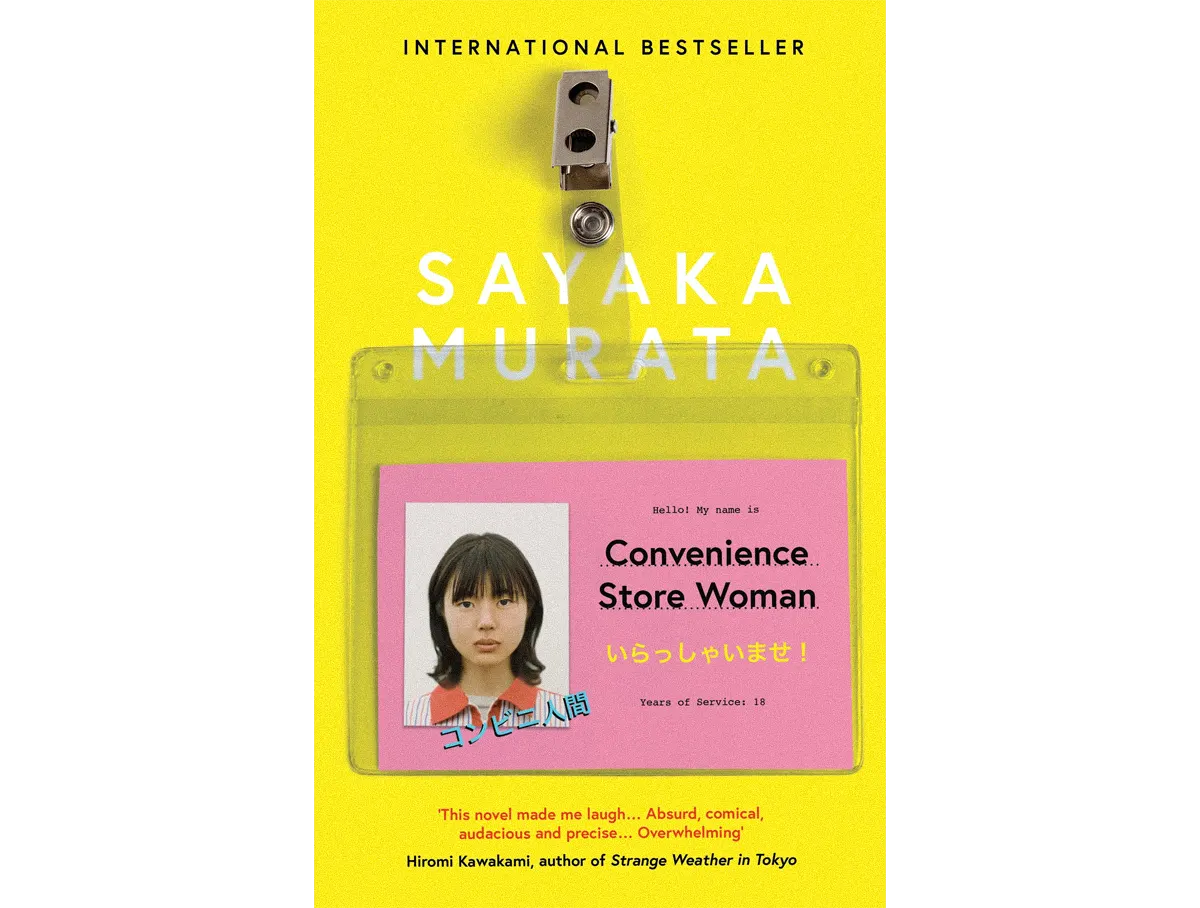
But Keiko doesn’t see her life as a problem that needs solving. And there’s the shift: The novel asks us to question the demand for an explanation, rather than the woman who cannot—or will not—provide the expected one. The unmarried woman is no longer required to explain herself.
So, what happened to the spinster?
The spinster didn’t disappear because women stopped wanting marriage. She became something different because marriage gradually stopped being the only socially intelligible explanation for a woman’s existence.
Of course there is still pressure to marry. There are still assumptions about what successful adulthood should look like. There are still women who desperately want partnership and women who feel lonely without it. Choosing marriage doesn’t make a woman less independent, just as choosing to remain single does not automatically make her liberated.
What has changed is the meaning we attach to the choice.
Charlotte Lucas teaches us that marriage can be a practical choice. Miss Bates reminds us of what happens when society gives unmarried women few alternatives. Miss Havisham shows us the psychological damage of believing that being chosen is the same as being worthy. Mildred Lathbury demonstrates that a woman can live a meaningful life without romance at its core. Miss Jean Brodie turns being single into a different kind of power, even as she warns us against confusing independence with virtue. And Keiko Furukura has us asking the most important question: What if there is nothing to explain?
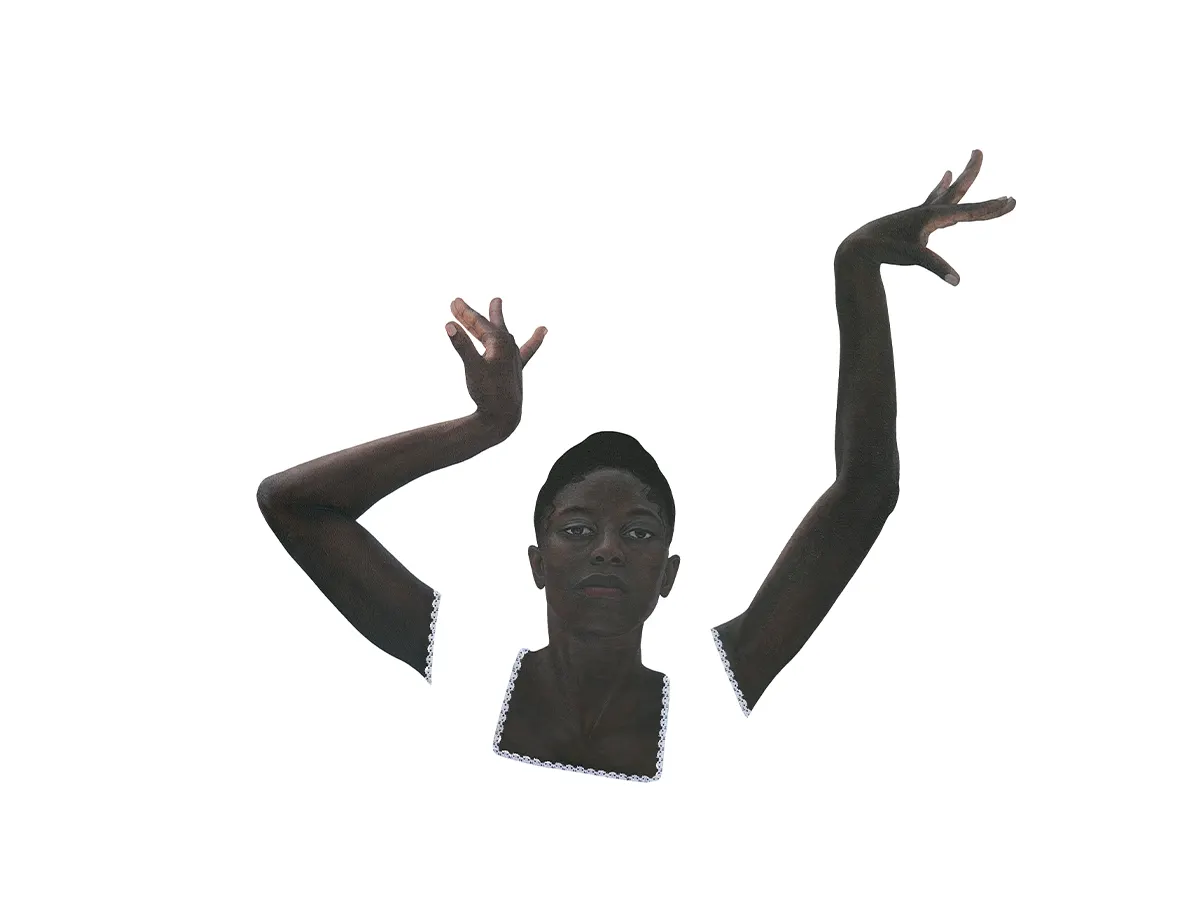
For centuries, the unmarried woman in literature was asked some version of “why hasn’t she married,” but the more interesting question now is why we keep asking. The spinster was never simply a woman without a husband. She was a cultural idea: a warning about what happened when a woman failed to become what society expected her to be. The modern single woman doesn’t necessarily escape that expectation.
But she can answer that question for herself now.