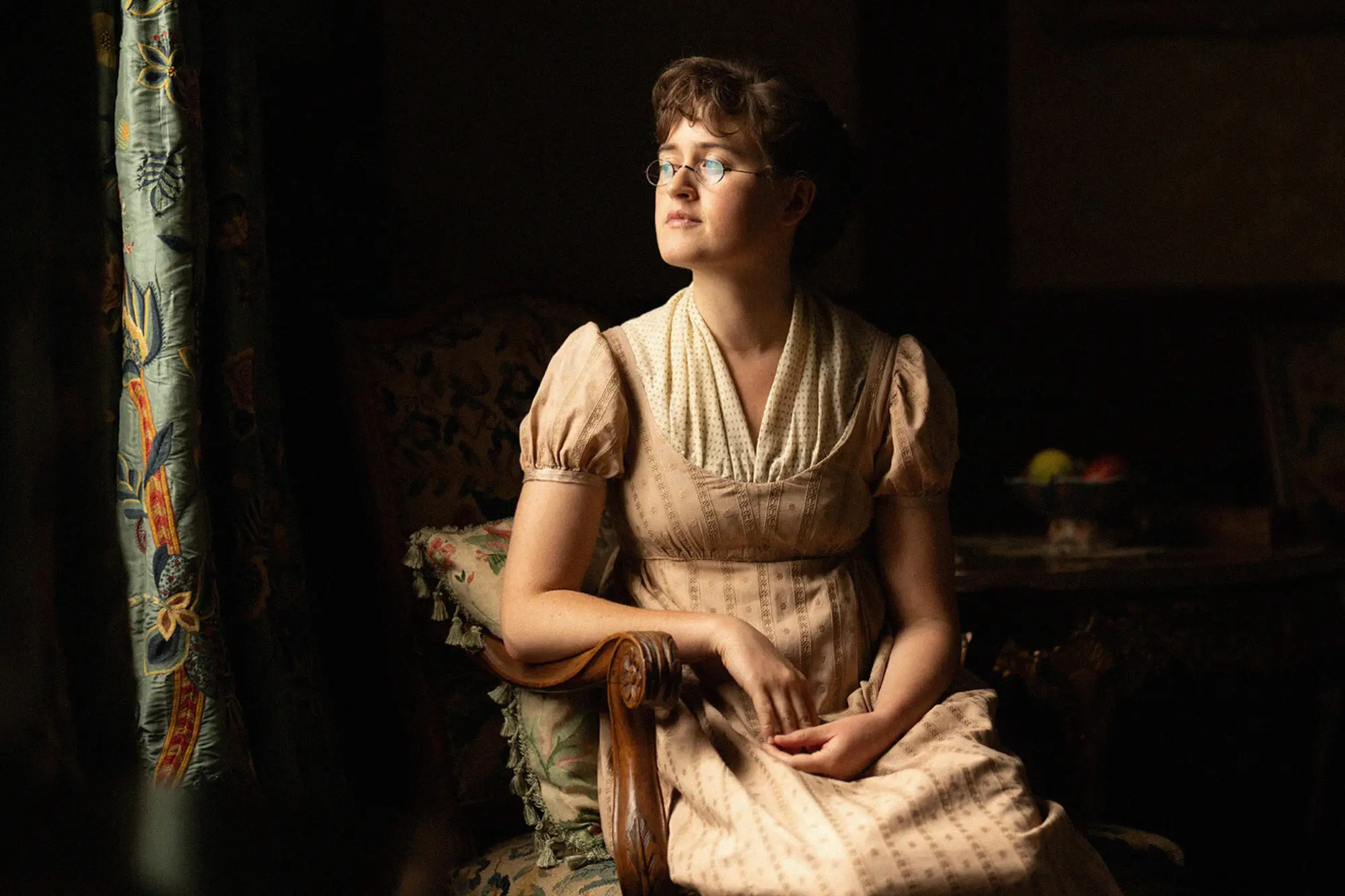
It is a truth universally acknowledged that while a young woman may think herself to be Elizabeth Bennet, she will sooner or later discover that she is, in fact, a Mary Bennet. If the BBC series The Other Bennet Sister reveals anything, it’s that this middle sister has been long overlooked—and that there is absolutely nothing wrong with being the Mary Bennet of the family.

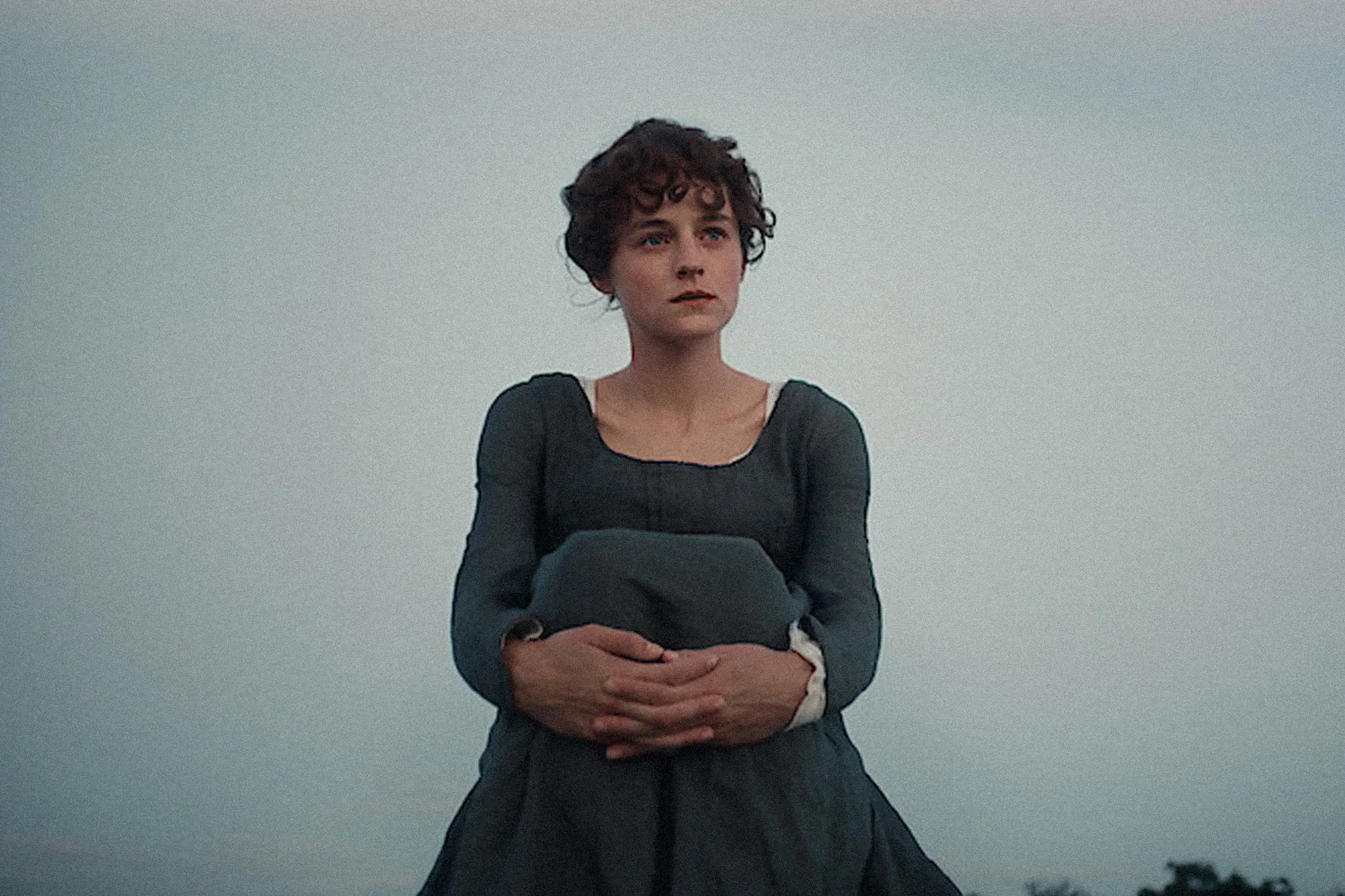
Adapted from Janice Hadlow’s 2020 novel, the new series (which premiered in the UK in March, much to the rest of the world’s chagrin), spotlights the forgotten Bennet daughter Mary (Ella Bruccoleri). Following Mary’s perspective, The Other Bennet Sister is part fan reimagining, part Pride and Prejudice sequel that Austen would have delighted in, allowing us to consider Mary’s next chapters. Portrayed by Austen as “plain,” socially awkward, and concerned with morals and conduct, Mary is finally getting her moment. Hadlow allows wallflowers an opportunity to see a heroine like themselves navigate their place in the world—and have their chance at love. The “iPhone face” debate in period dramas may be taking viewers by storm but personally, I love how Bruccoleri feels as if she fits in with Regency England and simultaneously could be someone I just passed on the street.
Although set in Regency England, Mary’s narration and plight feels hauntingly modern, lamenting in the first episode, “if you’re not the beautiful one, the quick witted one, or the ones that are good at games and full of youthful energy, then who are you?” This is a question I’ve heard in variations, and not just in media, but in real life, too. Mary and I may be separated by centuries and strikingly different societal landscapes, but the struggles women and girls face aren’t new, just repackaged and commercialised through trends to manufacture fresh insecurities. Mary then asks, “and what can you do if you’re the odd one out? Is it possible you’ll ever find a way to fit in?” Another question all too familiar for the aching hearts of women who feel separated and pitted against each other. As the series progressed, I began to see Mary Bennet in the women I grew up with, in some I know intimately, and others I only see from afar. I began to see my own similarities with her, too.
In a culture obsessed with the next remake, it’s refreshing to return to Longbourn and Pemberley in the form of a sequel. Characters we know and love from Austen’s classic are given new depth and life as they stand alongside new characters. Familiar moments such as the Meryton ball—with an added failed romance with Mr. Sparrow (Aaron Gill)—Mr. Collins’ (Ryan Sampson) arrival, and the marriages of the sisters (including Kitty’s), add new life to a novel we know and love. These moments are truncated to allow Mary to step away from the outskirts of the room and find her place in the world.
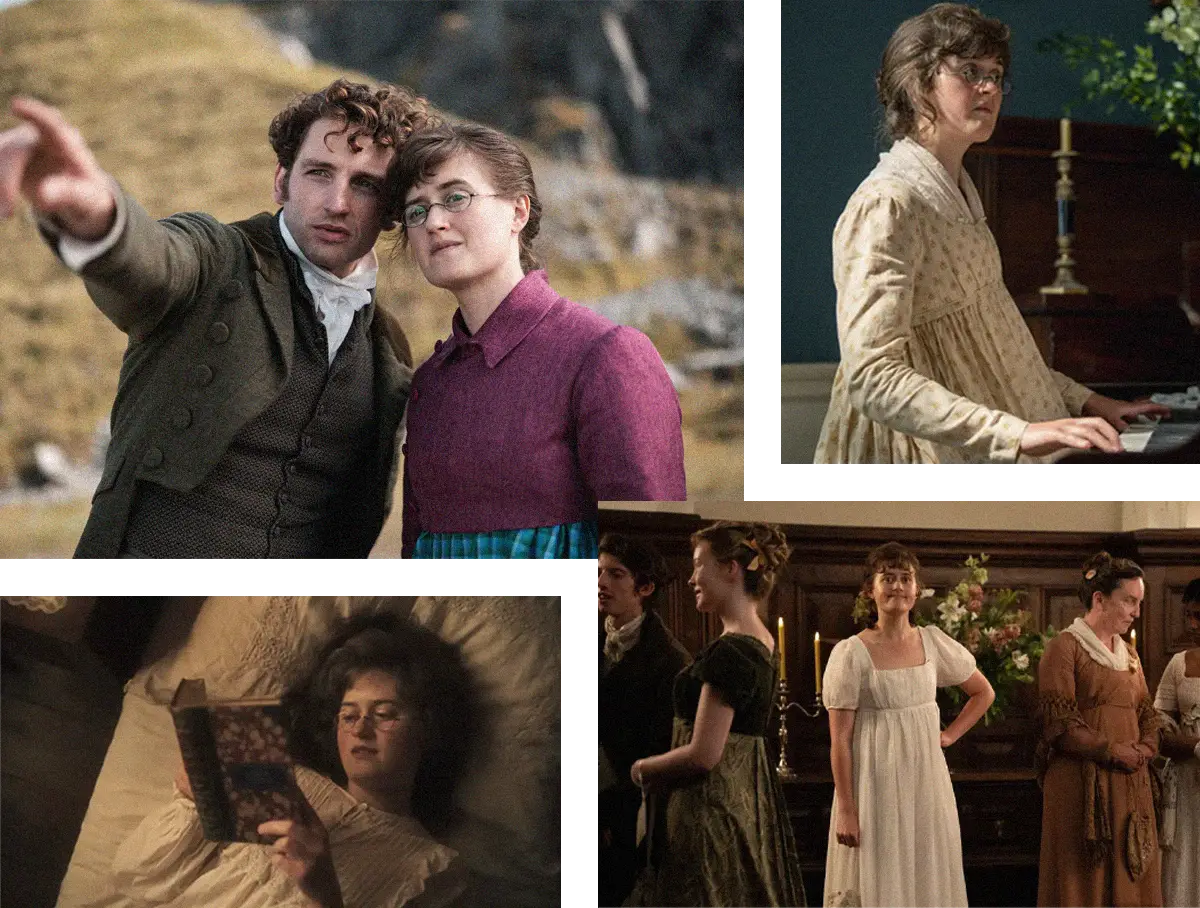
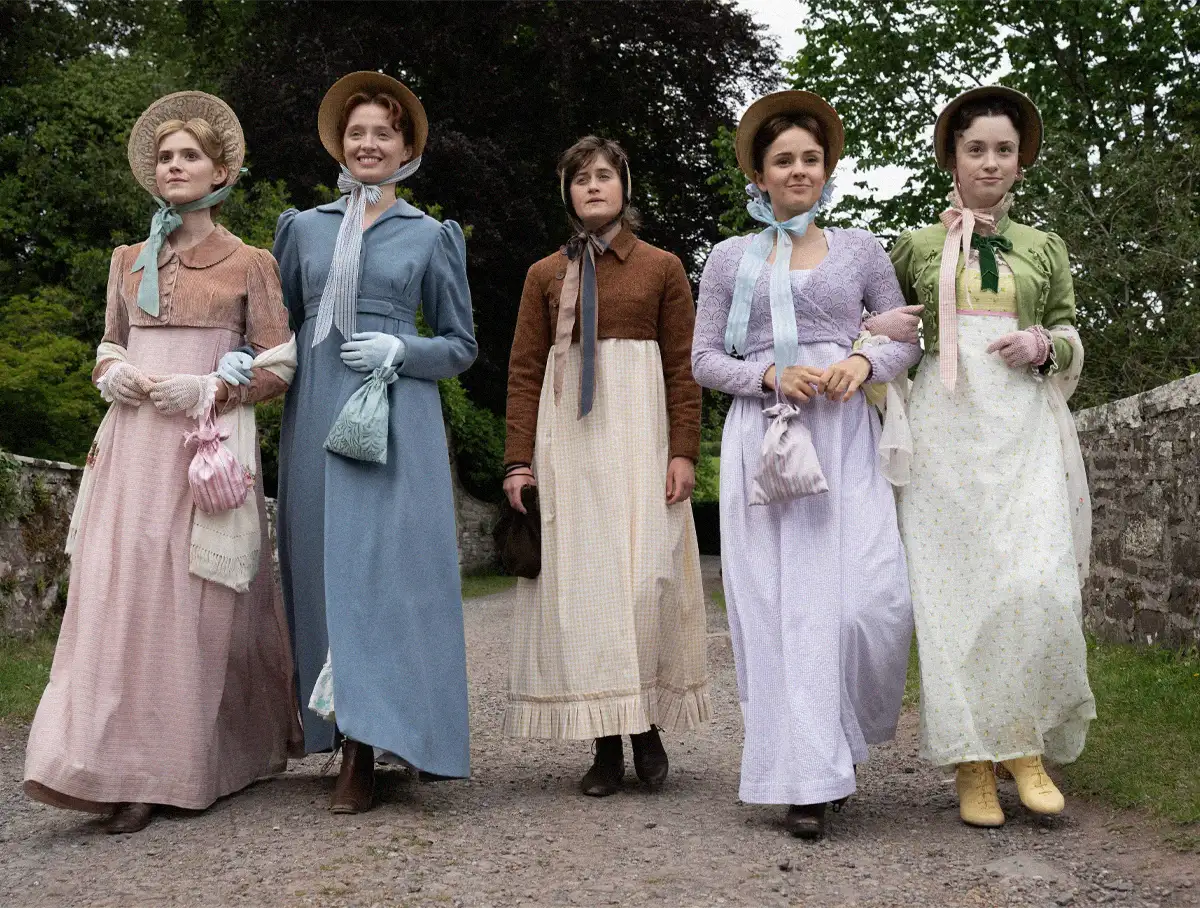
We discover Mary's relationships with her mother Mrs. Bennet (Ruth Jones) and her sisters (Maddie Close, Poppy Gilbert, Grace Hogg-Robinson, and Molly Wright) are more fraught than Pride and Prejudice lets on. This dynamic creates tension even in scenes where her sisters aren’t physically present and we learn that Mary’s dry wit, awkwardness, and studious nature is born out of self-preservation—a form of survival in a family with four sisters who fit in wherever they go. Mr. Bennet (Richard E. Grant) remains much the same, although we learn his laissez‑faire approach to parenting—and his retreat into the library—stems from his disappointment at having only daughters. In an unexpected turn, episode two is punctuated by Mr. Bennet’s sudden death, the catalyst for Mary’s move to London to work as a governess for her aunt and uncle, Mr. and Mrs. Gardiner (Richard Coyle and Indira Varma). Charlotte Lucas’ (Anna Fenton-Garvey) marriage to Mr. Collins we learn comes from her fear over “marriage or misery,” a Regency-era fact of life which she passes onto Mary. We also learn Mr. Collins’ upbringing was similar to Mary’s, a revelation that emerges during a discussion over Aristotle and prompts her to decide that their happiness is in their own hands—and to tell Charlotte that there’s more to Mr. Collins than either first thought. Eventually, Mary extricates herself from the pressure of her sisters, finding friendship in Anne Baxter (Varada Sethu), chivalric romance in Mr. Hayward (Dónal Finn), and Byronic melodrama in Mr. Ryder (Laurie Davidson).
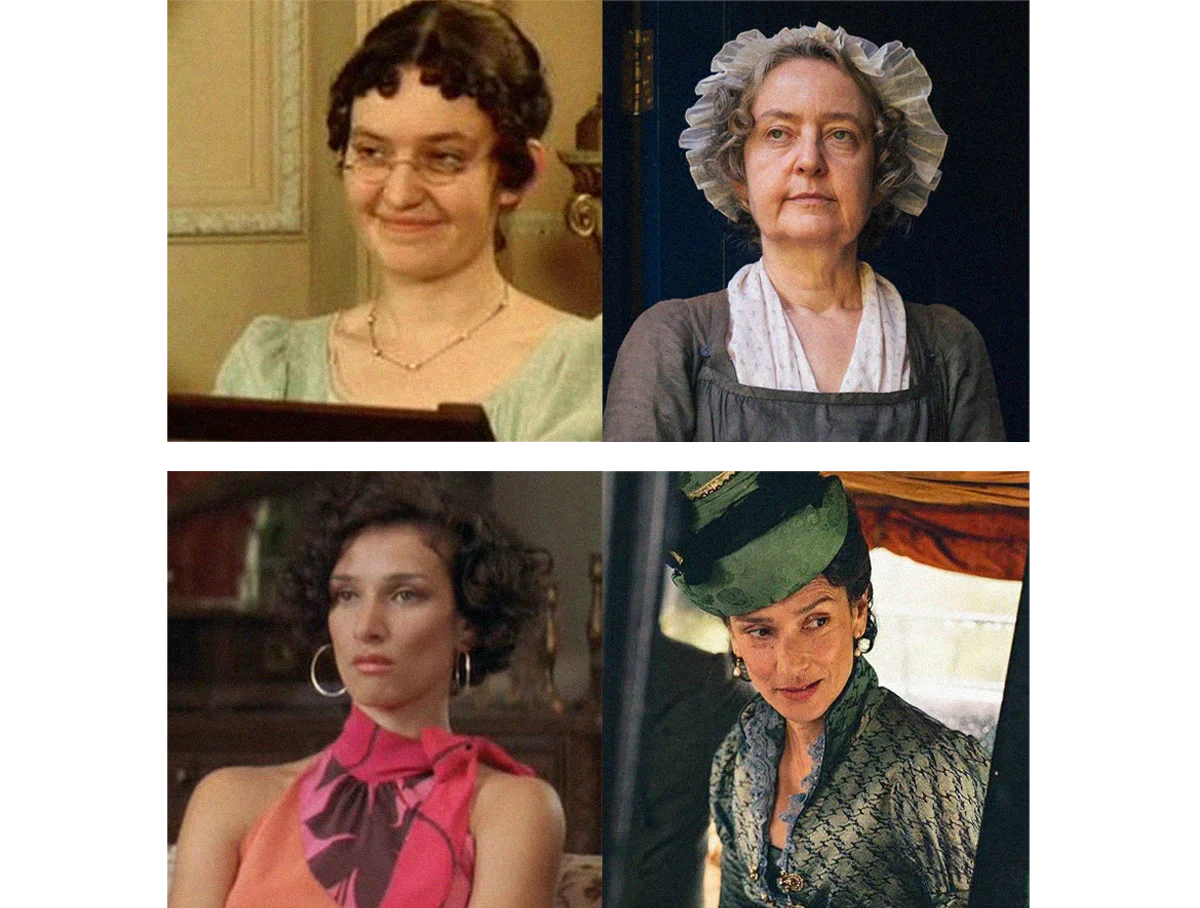
Adapted for television by Sarah Quintrell, The Other Bennet Sister draws together familiar faces from previous adaptations of Austen’s work. One of the most significant examples is the casting of Lucy Briers as Mrs. Hill, the Bennet family’s housekeeper. Returning Austen fans will recognise her as Mary Bennet from the 1995 BBC miniseries of Pride and Prejudice. Amid the backdrop of Longbourn, the show depicts Mary and Mrs. Hill sharing many sweet moments together, as Mary feels guided by her love and support, almost as if she were receiving it from an older version of herself. Comparably, Indira Varma who plays the Caroline Bingley role in the 2004 Bride and Prejudice, a character named Kiran, appears in The Other Bennet Sister as Mrs. Gardiner. A very different role, Mrs. Gardiner is another guiding light for Mary, teaching her that “we do not bow down to the Caroline Bingley’s of the world.” While Caroline Bingley (Tanya Reynolds) remains antagonistic, we learn that her sour personality and behavior stems from jealousy and insecurity. Caroline fights to keep her guard up, but Mrs. Gardiner helps Mary see through it, ultimately allowing Mary and Caroline to become civil and help each other find the path to their true loves.
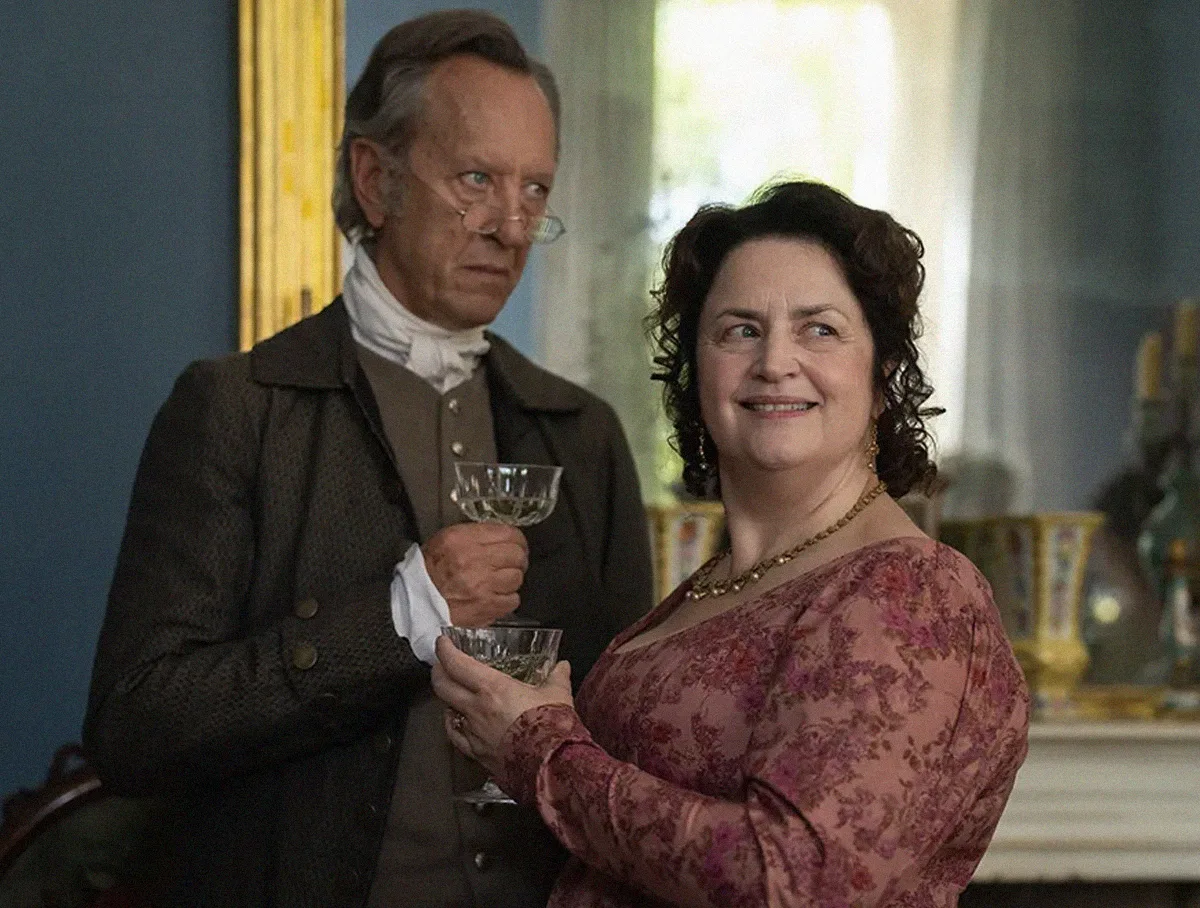
But the presence of Austen adaptation alumni doesn’t stop there; other casting choices include Tanya Reynolds as Caroline Bingley, reprising a role similar to Mrs. Elton in 2020’s Emma. Even Mrs. Bennet is played by an almost-alumna; for the record, Ruth Jones should have never been cut from the casting of Bates’ maid in the 1996 adaptation of Emma. Finally, Richard E. Grant, Sir Walter Elliot in 2022’s Persuasion, stars as Mr. Bennet, stepping into another father role, of a very different kind. Together, this choice to cast alumni heightens the sense of familiarity and love for Austen’s work.
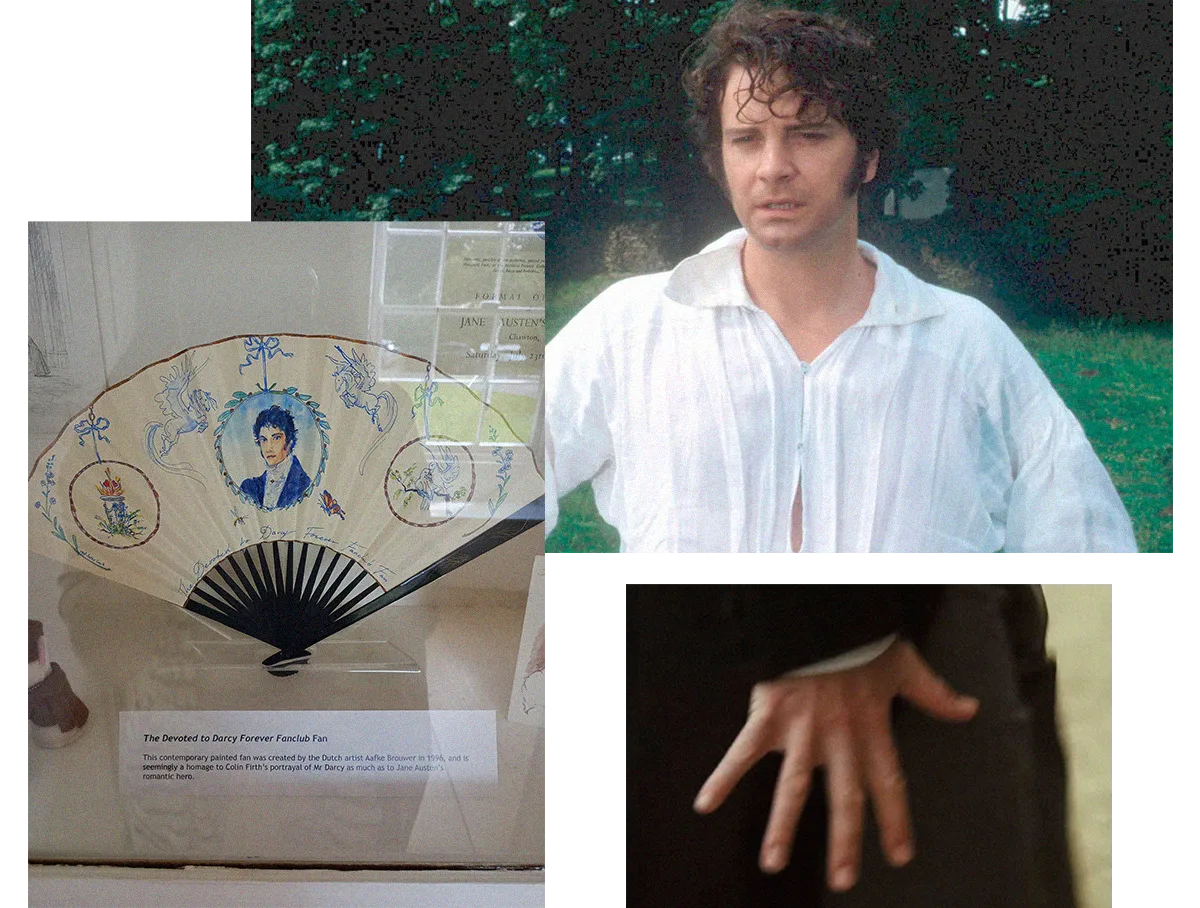
Directed by Jennifer Sheridan and Asim Abbasi, the series borrows and reworks iconic visuals from the 1995 and 2005 Pride and Prejudice adaptations, while adding its own flourishes. The Other Bennet Sisters’ shirt-rolling, hand-brushing scenes nod to Mr. Darcy’s famous hand-flex from the 2005 film, the Lake District swim harkens back to Colin Firth’s wet shirt lake scene in the 1995 BBC miniseries. These motifs bring emotional depth to Mary’s character, giving her a chance at love and inner flourishing that is denied (or omitted) from Austen’s original. In an emotionally charged proposal from a fellow former wallflower like herself, Mr. Hayward confesses he has loved her from the moment he caught her playing graces on her own, passionately stating, “I have spent my life on the outside of things, but with you I am right in the middle of it all.”
The series nods to Austen novels beyond Pride and Prejudice. When Mary and Mrs. Gardiner choose dress fabrics, Mr. Hayward becomes the opposite of Northanger Abbey’s Mr. Tilney, admitting he doesn’t understand muslins but insists Mary should choose something “that makes one feel most like oneself,” a sentiment Mary carries with her throughout the series. Echoes of Sense and Sensibility appear in his broken engagement with Miss Baxter, and in the way he stays with Mary through the storm at Scafell Pike. The Other Bennet Sister still stands on its own, using these callbacks to deepen the slow, organic progression of their relationship. As actor Dónal Finn said of the pair, there is a “vulnerability that allows them to feel comfortable with each other straight away.”

Bringing these casting, stylistic choices, and textual references together, The Other Bennet Sister becomes deeply layered and emotionally vibrant. These remake Mary Bennet not as the joke, but as a heroine in her own right, showing how Pride and Prejudice’s resonance continues to expand and evolve with each new adaptation. While Austen used her novels to satirise society, with secondary romantic plots, The Other Bennet Sister works as a love letter to Pride and Prejudice and wallflowers, keeping romance secondary to let Mary finally step out of her sisters’ shadows. Ella Bruccoleri described Mary as “not your typical period drama heroine.” Told by Mrs. Gardiner that in their house “no-one is obliged to sparkle,” Mary Bennet inhabits a world where her differences from other Regency debutants is allowed to matter. She makes me wonder if she is radically modern, or if the world is simply fixated on pigeonholing women that don’t “fit in.” But Mary does more than fit in; she does exactly as Lizzy promises her. She flourishes.