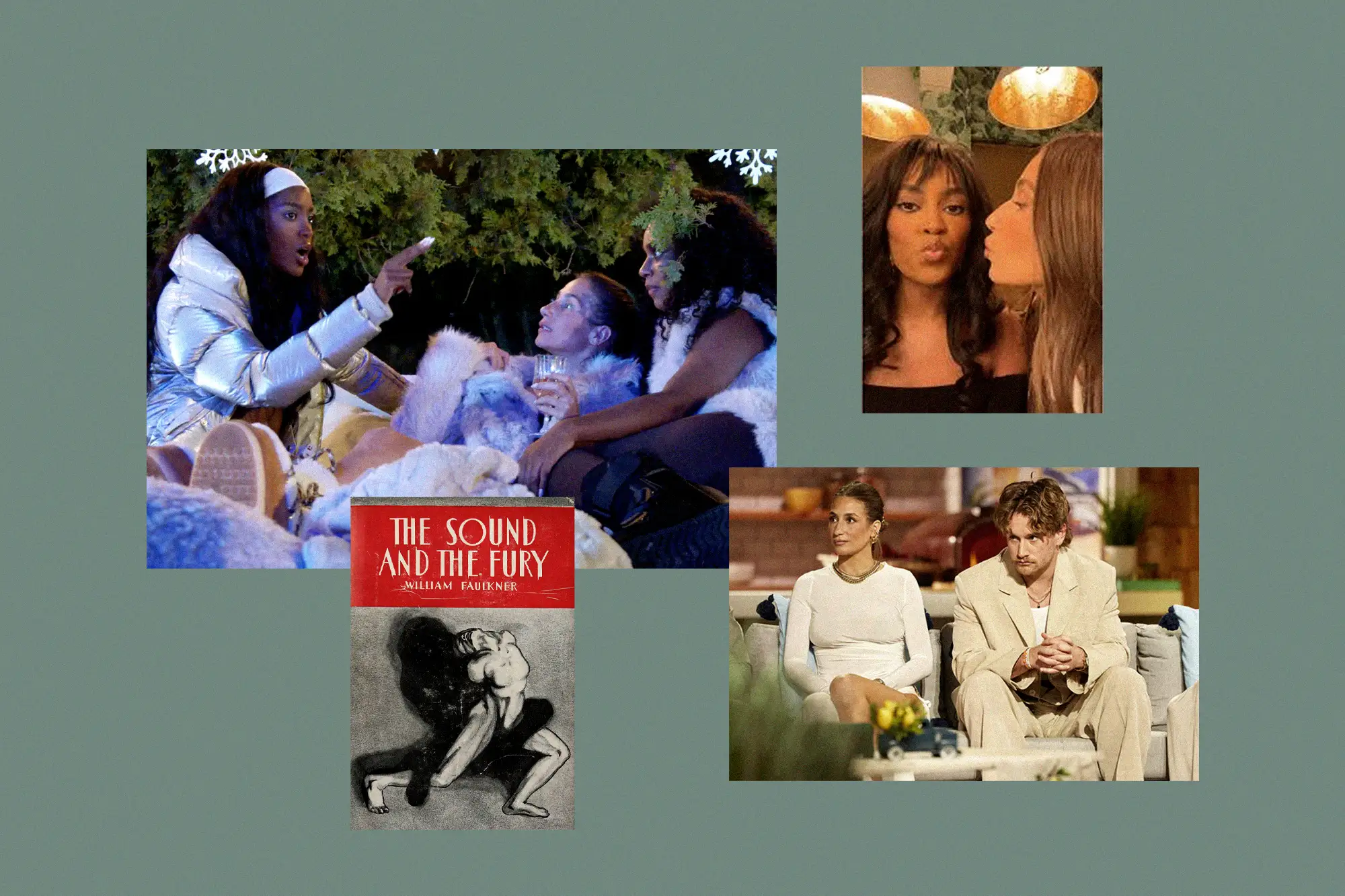
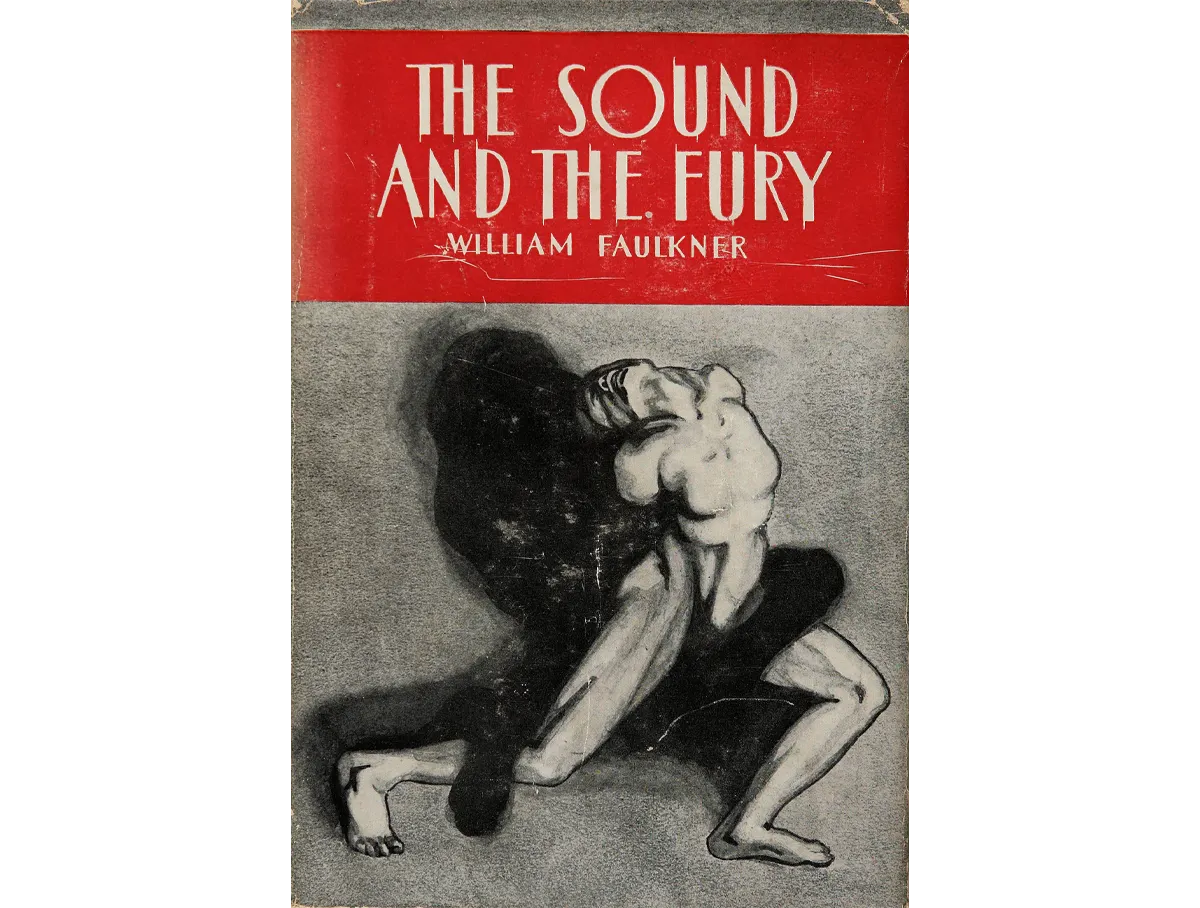
As the Summer House scandal has unfolded across the Bravoverse over the last couple of months, there’s a scene from William Faulkner’s The Sound and the Fury (1929) I can’t stop thinking about. Set in post–Civil War Mississippi, the novel’s final chapter finds Dilsey, the Black servant of the Compson family, up early and already hard at work. It’s Easter morning and, while managing every need of every member of the home, Miss Quentin—Mrs. Compson’s granddaughter—has gone missing. Dilsey is then tasked with finding Miss Quentin upstairs while Mrs. Compson sits at breakfast with her son Jason, who is now the head of the household. He asks his mother if he’s ever had a servant worth killing.
“I have to humor them,” she says, “I have to depend on them so completely.”
Jason scoffs at Dilsey’s desire to attend mass and his mother’s permission. “Which means we’ll get cold dinner,” he tells his mother, “or none at all.”
Despite the chaos of the morning, Dilsey takes her family, including Mrs. Compson’s mentally disabled son, Benjy, to a Black Easter service, where she sits with her hand upon his knee.
“Dilsey made no sound,” Faulkner wrote, “her face did not quiver as the tears took their sunken and devious courses, walking with her head up, making no effort to dry them away even.” For a brief moment in a long day when she is meant to cater to everyone else, Dilsey is allowed to emote freely during the sermon, turning to her daughter to say she now sees the beginning and the end.
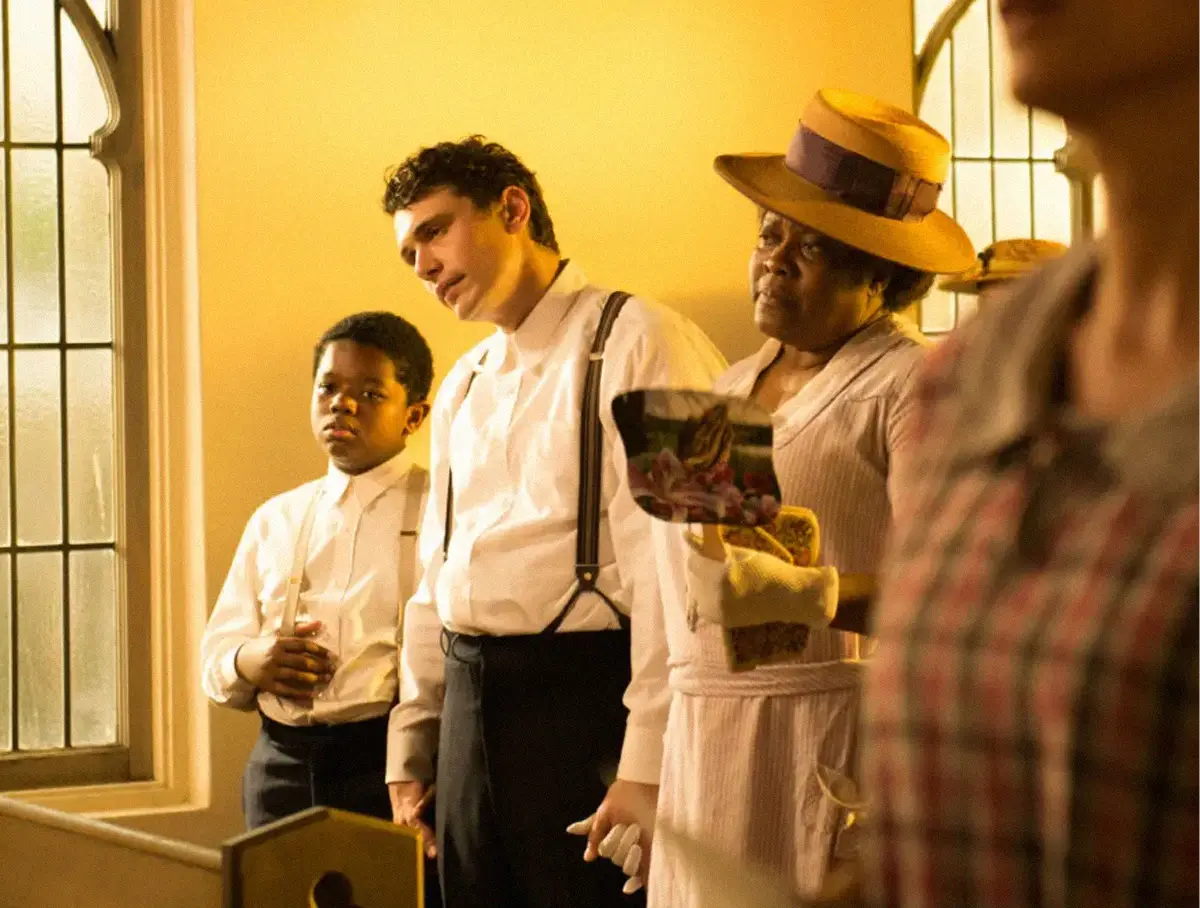
And then she is back to work. The emotional and physical labor of pouring into the white family in which her life is situated. Dilsey has grown into the family’s main protector and the pillar of support to every branch of the family, including her own. Though her own pain and interior life are left unseen, unknown. We never grasp who cares for her when her sole role is to care for everyone else.
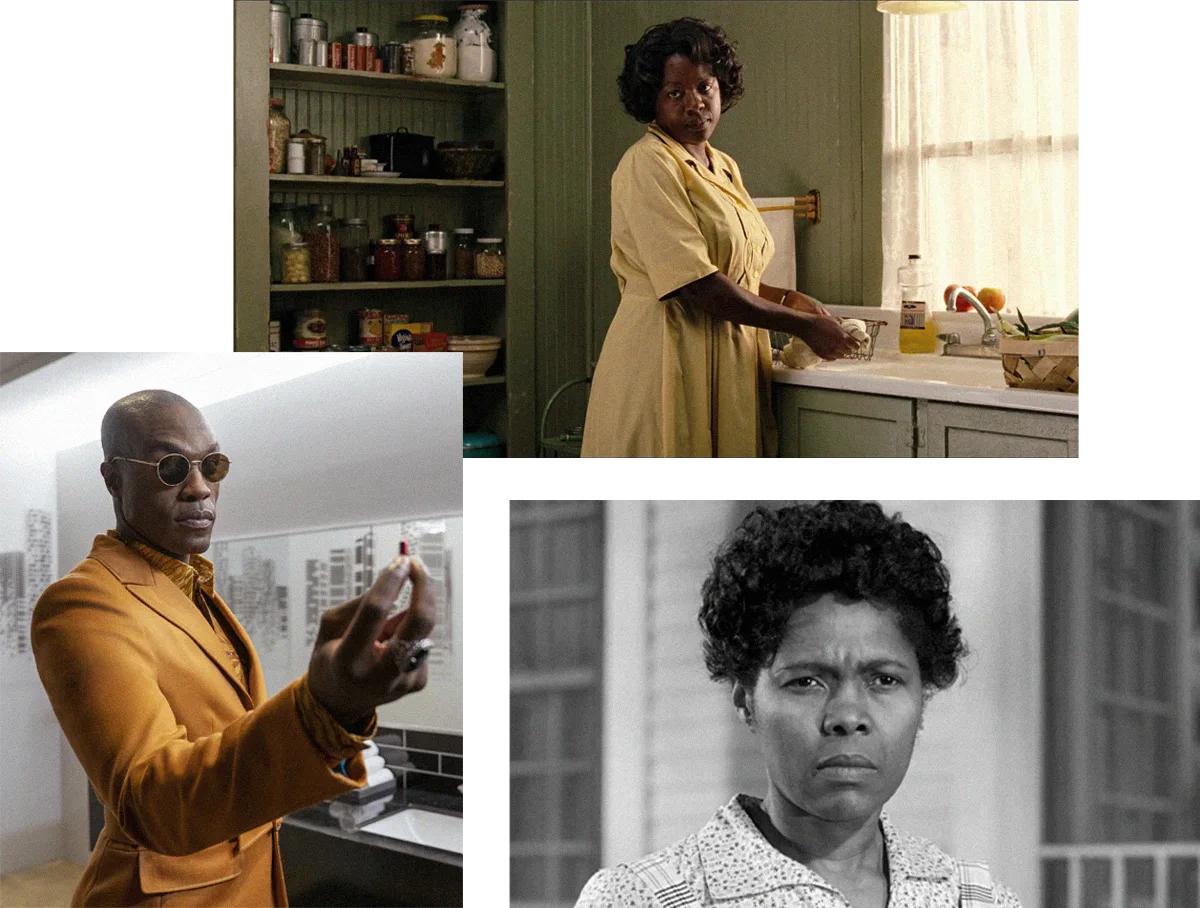
The trope of the “Mammy” figure isn’t unique to Faulkner of course; it has been recycled across literature, film, and as I’d like to argue—even reality TV. We see her appear in literature of slavery and its afterlives, such as Chloe in Uncle Tom’s Cabin (1852), Calpurnia in To Kill a Mockingbird (1960), and more recently, in Aibileen in The Help (2009). In the late 20th-century, this stereotype transmuted into the “Magical Negro” or “Black Magical Character” trope in film, in characters like Morpheus in The Matrix, Oda Mae Brown in Ghost, or John Coffey in The Green Mile—all of whom exhibit magical powers and support the white protagonist.
As scholars Cerise L. Glenn and Landra J. Cunningham, argue in their study of the “Magical Negro” figure in film, the character’s role is to assist the white character, help them to discover their spirituality, and offer them wisdom to solve their dilemma. The Magical Negro often appears as the only lead Black character in a predominantly white cast and uses their magic to help guide the white character, not to help themselves.
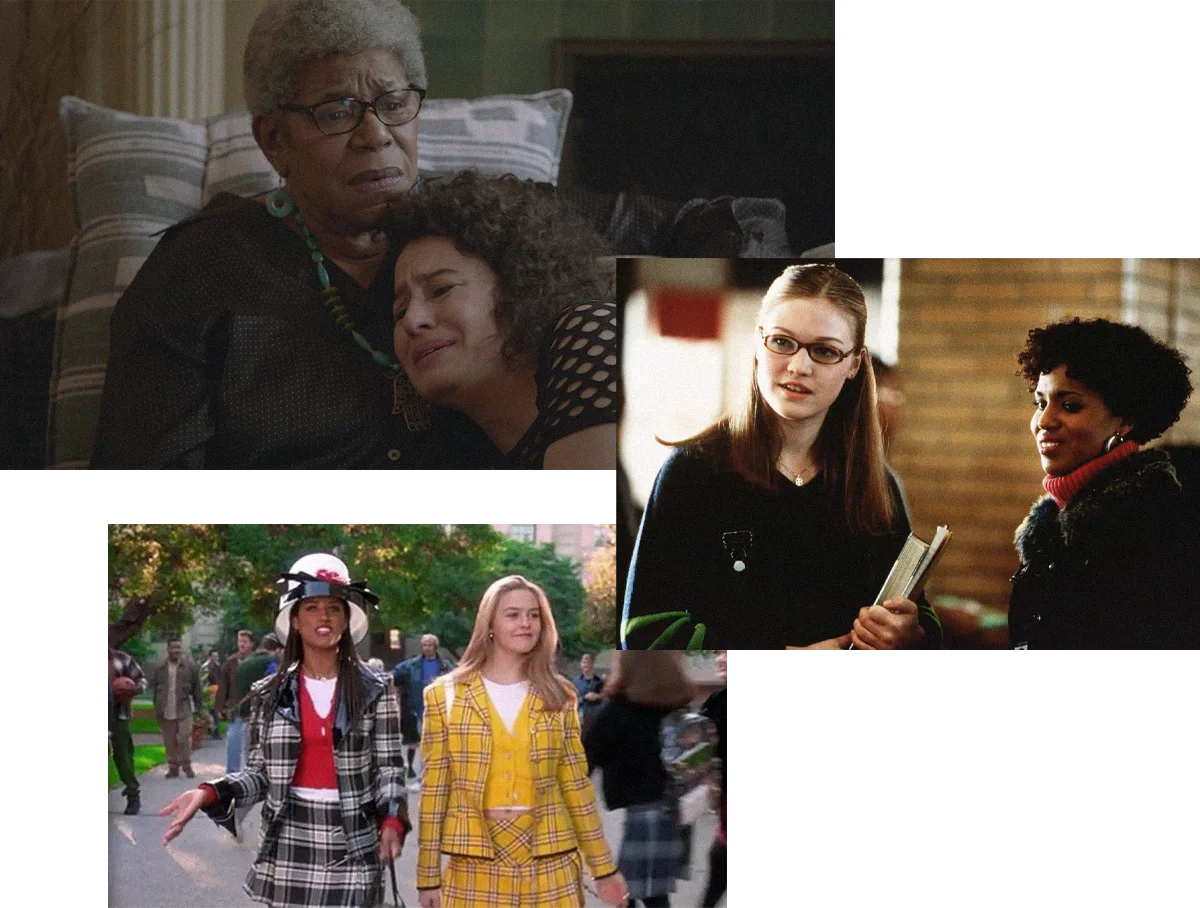
These tropes, constantly evolving across time, are more prevalent in the media we consume than we think. Journalist Aisha Harris finds traces of them in Broad City and My Crazy Ex-Girlfriend, where they appear as the “Black Lady Therapist,” Black therapists catering to the needs of their white patients. She also emphasizes how white main characters benefit from the “Black Best Friend,” seen in movies like Clueless and Save the Last Dance.
The point is, we don't get to see these characters have inner lives because they exist solely to tell the story of the white characters. The consistent use of white characters healing through the “Black Magical Character”—be it a therapist or best friend in film, theater, or literature reinforces the idea that race is an issue for Black people, not white people. For white people, this enshrouds them further in the mystery of their own whiteness.
Which brings us back to Summer House, the sole reality show I’ve allowed myself to watch without shame. Having lived in New York for 15 years, Summer House captured the millennial work-hard-play-hard grind. The original cast was made up of young (and white) working professionals hovering around 30, living the corporate-to-happy hour pipeline throughout the week before muscling through bumper-to-bumper traffic to the Hamptons on their summer Fridays. Degenerate behavior ensued with themed parties, hook-ups, engagements, break-ups, and lay-offs.

Now in its 10th season, only four of the original cast members remain, with many making most of their income from the show and brand deals on social media. The show lost much of its glint over time—what made it unique and relatable—even scenes out in the Hamptons were greatly reduced to pool parties in the backyard or indoors due to filming bans and complaints from locals. Though some are more fractured than others, the friendships between cast members remain. They really do have to live together in one house on the weekends. In my view, it has felt the least produced, which made it good reality television.
It's why, when news broke of a romance between cast members Amanda Batula, separated but still married to cast member Kyle Cooke, and West Wilson, who’d previously dated cast member Ciara Miller, it felt consequential. These were meaningful relationships, marked by double betrayals—Batula to her friend and husband, and Wilson to his friend and former girlfriend. It’s speculated that Wilson and Miller were seeing each other casually near the time of the scandal. If this sounds unbelievable, yet somehow familiar, it’s because you probably lived through some level of this in high school, which makes it all the more egregious that Wilson and Batula are in their thirties. There’s a sense that we should know better by now than to blow up our lives for the chance to date a guy whose version of a shower is jumping in the pool and saying “showee” for a shower. Fans understand.

However, the impact of this scandal extends beyond just the Bravoverse, tracing all the way back to that devastating scene in The Sound and the Fury. Earlier in the season, Miller and the only other Black cast members, Mia Calabrese and KJ Dillard, attempted to center a conversation at a dinner table about the complexity of being Black in primarily white spaces. Later, at the end of the dinner, Batula, a white woman, told Miller, “I see you,” and embraced her.
Miller, who’d dated Wilson, who is white, expressed to the group the challenges of dating interracially in public and the blowback she’d received. After a derpy performance at the Season 8 reunion, where Wilson was lambasted for mishandling his relationship with Miller and offered few words of remorse, he swiftly ran to the media to set the record straight and save his reputation, only to disrespect Miller all over again.
When they reunited at the end of this season, deciding to put the past two years of tension behind them, Wilson told Miller that, like Batula, he saw her more.

But the most shocking aspect of this scandal isn’t even between these two exes; it’s the decimation of a six-year-long friendship between the two women. Season after season, Miller spoke strength into Batula, encouraging her to build an identity outside of her husband and, after hearing her friends’ boundless complaints, emboldened her to leave her marriage if she needed to. She was the kind of friend who shoots it to you straight, but gives the tightest, most prolonged hugs, leaving little doubt that she wants nothing but the very best for you.
Batula’s response to her friend’s care was to sleep with her ex, lie about it, and defend her actions as something that simply happens—you simply can’t help who you like. It appears that Miller, a Black woman, wasn’t seen by either Batula or Wilson.
As I’ve watched this season and scandal unfold, I’ve been unable to separate the troubling racial stereotypes of the past revealed in the current day. Some users on message boards and in comment sections have resisted the racial aspect of the Summer House scandal. But when race is made a non-issue, it insulates whiteness, which further reinforces racist perspectives and images that don’t just whisper to those who see them, but scream.
In previous seasons of the show, Miller dated Southern Charm cast member Austen Kroll, who, in one episode, commented on her appearance, calling her a “Jezebel.” During Jim Crow, a “Jezebel” was a harmful stereotype that depicted Black women as promiscuous and hypersexual, meant to contrast with society’s characterization of the self-respecting white woman.
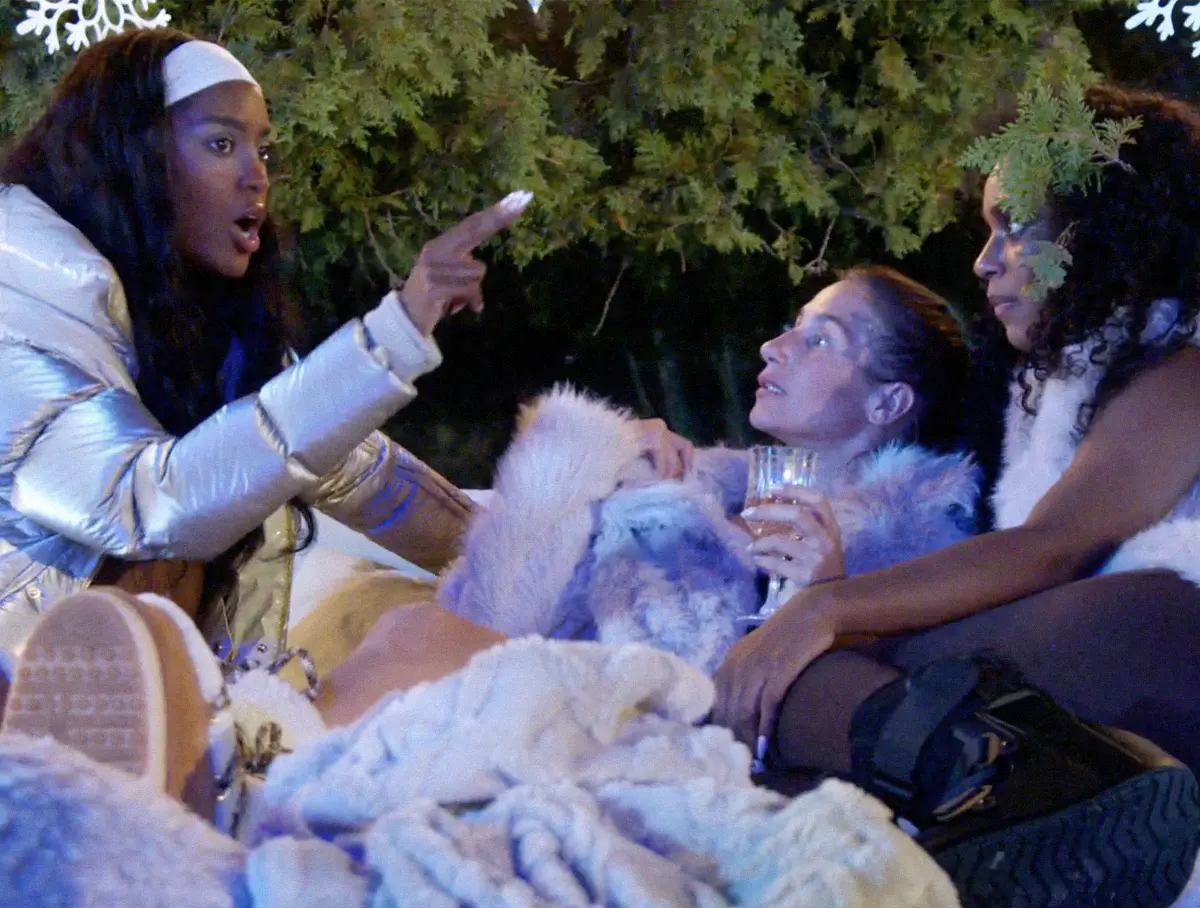
During the Après Ski-themed party in the show’s season finale, Miller and Calabrese appear on either side of Batula, as if in a tableau, both patiently listening to their white friend in duress. Batula is upset they are consoling her yet again over her disintegrating marriage, but says, “You guys say what I think, and you speak it out loud.” It struck me as a familiar visual we’d seen throughout the season, not just as a recognizable dynamic between Black characters and white protagonists, and beyond literature and film, but to reality television itself.
While I don’t believe Summer House producers deliberately chose to bolster racial tropes, as they’d built relationships with the same cast members over the years, that they emerged naturally is still disturbing. Much of this is because the show centers on Cooke and Batula—the white couple in a doomed marriage—with Batula centering her interactions with other cast members on herself. We can assume that Miller and Calabrese poured into Batula because they are good friends, but she constantly took from these two women, who sidelined their own needs for hers throughout the summer, leaving the role of her support group as the only role they could play. There wasn’t a lot of space for them to be seen and at the center of their own storyline.
Batula claims to see Miller in one scene, yet does most of the emotional dumping on others throughout the season and triangulates so that she can have Miller fight battles with Cooke instead. In another scene from the finale, the group leaves the house for the summer, Miller once again embraces Batula, telling her she’s special and beautiful. Directly after, in a one-on-one scene, Cooke is emotional recounting that Miller suggested Batula wanted a separation. In defense of herself, Batula blames Miller, claiming she didn’t want a separation because things were good (they weren’t), as if there aren’t hours of film that show Batula contemplating a separation that summer with Miller by her side.

To deny that there is an underlying racial element to this situation is to ignore Miller’s previous claims. Her pain isn’t seen because her feelings are deemed less important, and her emotional labor as a friend undervalued and forgotten. And we see this distorted interpretation play out in online scandal discourse, where some see Miller’s response as an overreaction to a short-term boyfriend and condemnation of Batula as unfair.
After Bravo aired the final Summer House reunion this week, there has only been more chatter about who gets to express their feelings and how. More stereotypes will continue to emerge for Miller to face—and hopefully ignore—as Batula will inevitably be granted the kind of grace that will keep her likable enough to stay on Bravo’s new show, In The City. The kind of grace that Miller was only granted immediately after the news of the scandal broke. It’s my concern that from this we yet again learn nothing—the same tropes reaffirmed, biases unchecked—and it will only be a matter of time before Miller is painted into a villain, Batula, coddled, her redemption arc readying by next season.