When was the last time you burned out, and what did you do about it? If you’re anything like me, you probably scrolled through your phone endlessly. I know I have. There have been times when I’ve spent an entire evening doing absolutely nothing, but somehow still felt like I hadn’t rested at all. Maybe that’s why I keep noticing how often we see the same advice on our feeds: the cure for burnout is to slow down. We’re told to touch grass, to romanticize our lives, to take a walk, make a coffee, sit in the sun. We’re reminded that rest is productive too. I mean… who hasn’t come across a reel with the voice-over, “the sweetness of doing nothing,” or, as the Italians call it, dolce far niente?

But there is something strange about the way we consume even this advice. You can spend an hour scrolling through reels about slowing down without actually slowing down at all. One reel becomes another, and then another, and before you know it, you’re caught in that strange loop of watching other people tell you how to live your life. Somewhere in that loop, I came across a reel about the movie Kiki’s Delivery Service. It was a short clip from the movie, I don’t even remember exactly what was being said anymore. But seeing Kiki again made me stop scrolling. I hadn’t watched the film in years. Suddenly, I wanted to watch it again, this time as an adult. Maybe, I thought, there was something in that little movie about a young witch losing her ability to fly that I hadn’t understood the first time around. Maybe it had something to say about the kind of burnout I was experiencing now.
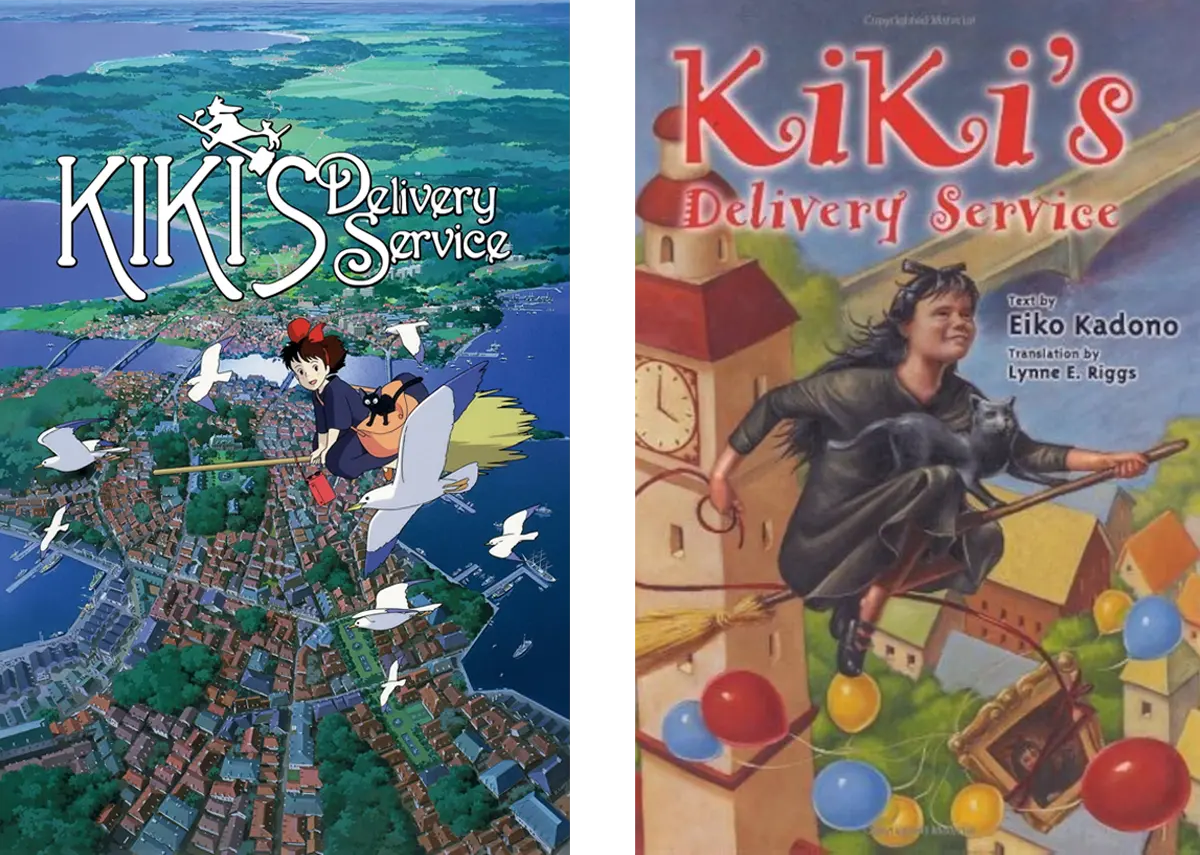
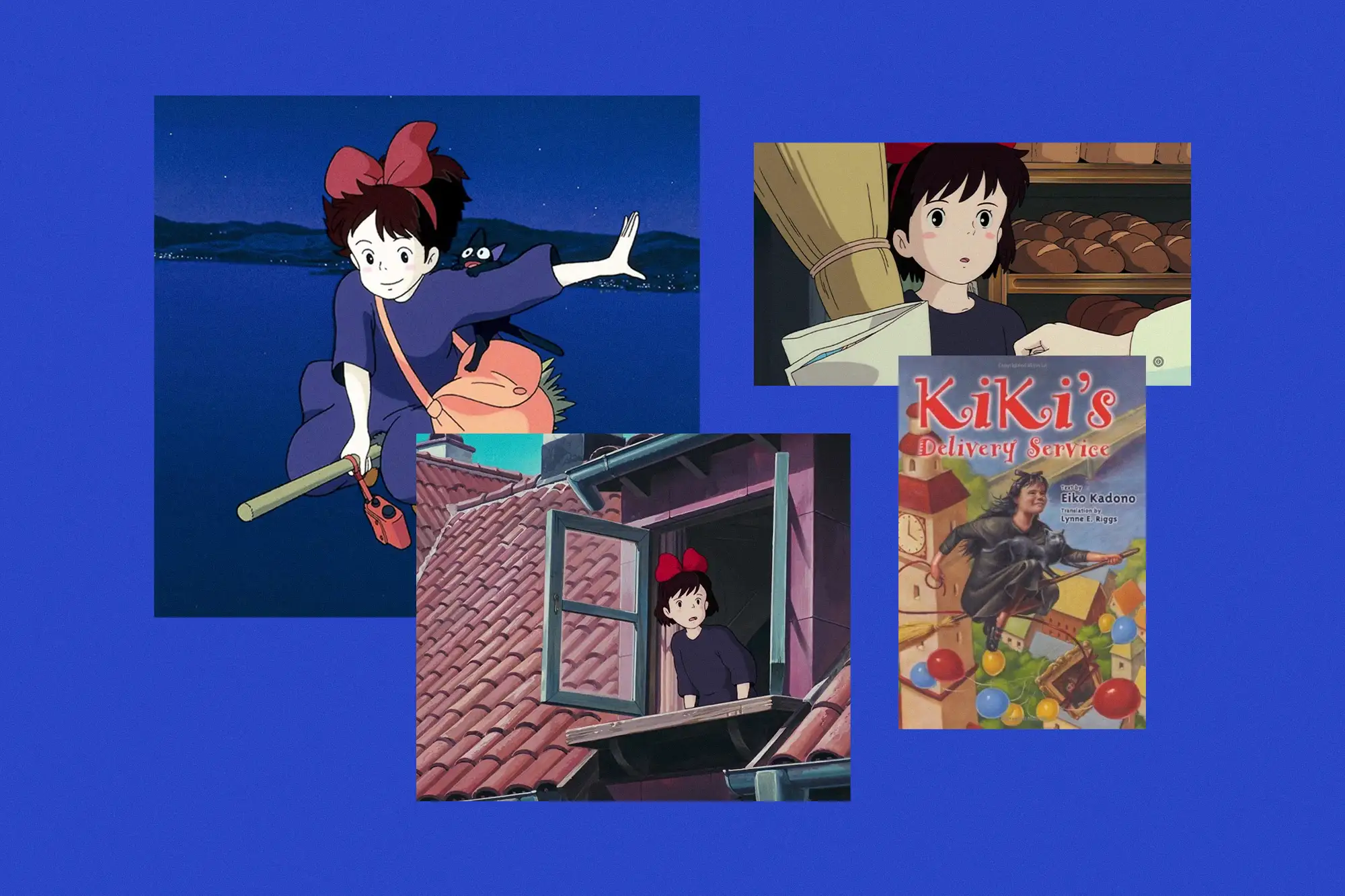
In a world where burnout has become a generational identity, Miyazaki’s films are taking on new resonance because they were never really about magic at all—they were about work, and rest, and the cost of turning a gift into a job. Hayao Miyazaki’s Kiki’s Delivery Service (1989), based on the 1985 children’s fantasy novel written by Eiko Kadono, argues that creativity cannot survive on demand alone; it has to be allowed to rest before it can be productive again. This story couldn’t be more relevant in our modern times. It is a case study in what happens when imagination is asked to earn its keep. The plot is simple on its surface: Kiki, a 13-year-old witch, leaves home for a year, as is tradition for young witches, to find a town without a witch of its own and make her way in the world using the one power she has: flight. Kiki’s magic is never presented as a supernatural power so much as a feeling, something closer to belief and joy than to spell-casting. The film’s real subject is what happens to that feeling once it has to perform on a schedule.
The film’s crisis begins the moment Kiki converts her private joy into a public service. She tells us, plainly, “I have one skill—flying—so I thought a delivery service was a good idea.” She cannot simply fly for the pleasure of it; she has to monetize the magical ability into a delivery business in order to survive in her new city. For a while, this works, and the demand for her services even flatters her. But the more her flying becomes an obligation rather than a form of expression, the more it starts to fail her. Kiki says her flying “used to be fun until I started doing it for a living.” That single line carries the argument of the whole film: the same act, performed for necessity instead of inspiration, stops being the thing that once made her herself. This realization feels very relevant, as many millennials and even younger artists find themselves balancing multiple “side hustles” just to make ends meet in today’s economy. Many artists are urged to take up more conventional jobs to make ends meet, while others search for work that lets them use their talents and still offers financial stability. Kiki’s magical realm reflects the structure of the real world, and it hits home for me. Although I have always wanted to be a writer, I work as a writing teacher, helping others polish their ideas and hone their skills. Like Kiki, sometimes you have to choose a practical path while holding on to the dream that first inspired you. Kiki’s journey reminds me that creativity does not disappear when life gets in the way — we just need to be patient.
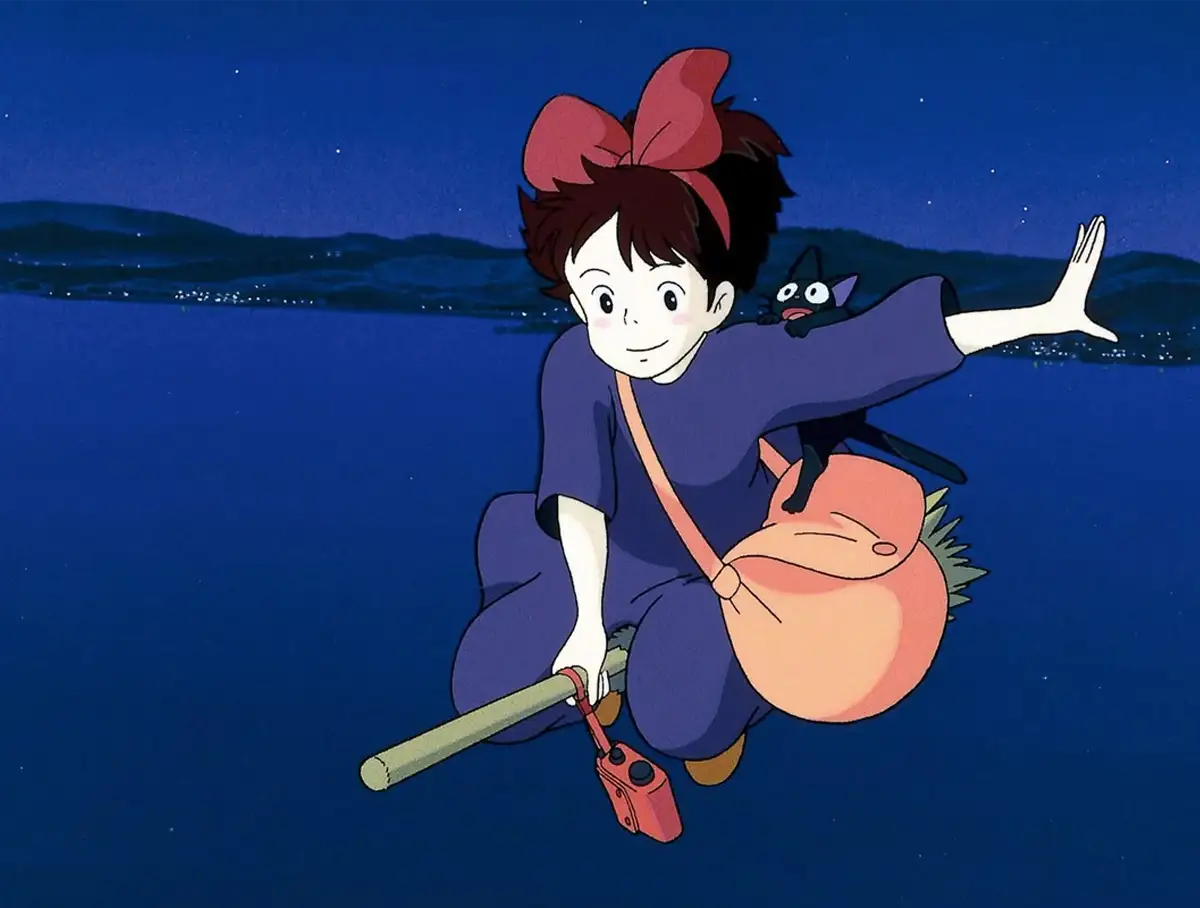
The dilemma in this movie is not just an emotional one; it is a crisis of creative confidence, and it strikes at the exact moment Kiki’s gift is put on a timetable. Kiki loses her ability to fly and, at the same time, loses her ability to understand Jiji, the talking cat who has been her closest companion since childhood. The magic simply stops answering, in the same way a musician can suddenly find themselves unable to write a note, or a painter can sit in front of a blank canvas without any idea of where to begin. This is the emotional paralysis that the film depicts: not a failure of skill, but a failure of trust, brought on by weeks of producing on command instead of creating on impulse. Kiki’s inability to fly serves as an allegorical representation of artistic burnout, translating an invisible experience into a physical one.
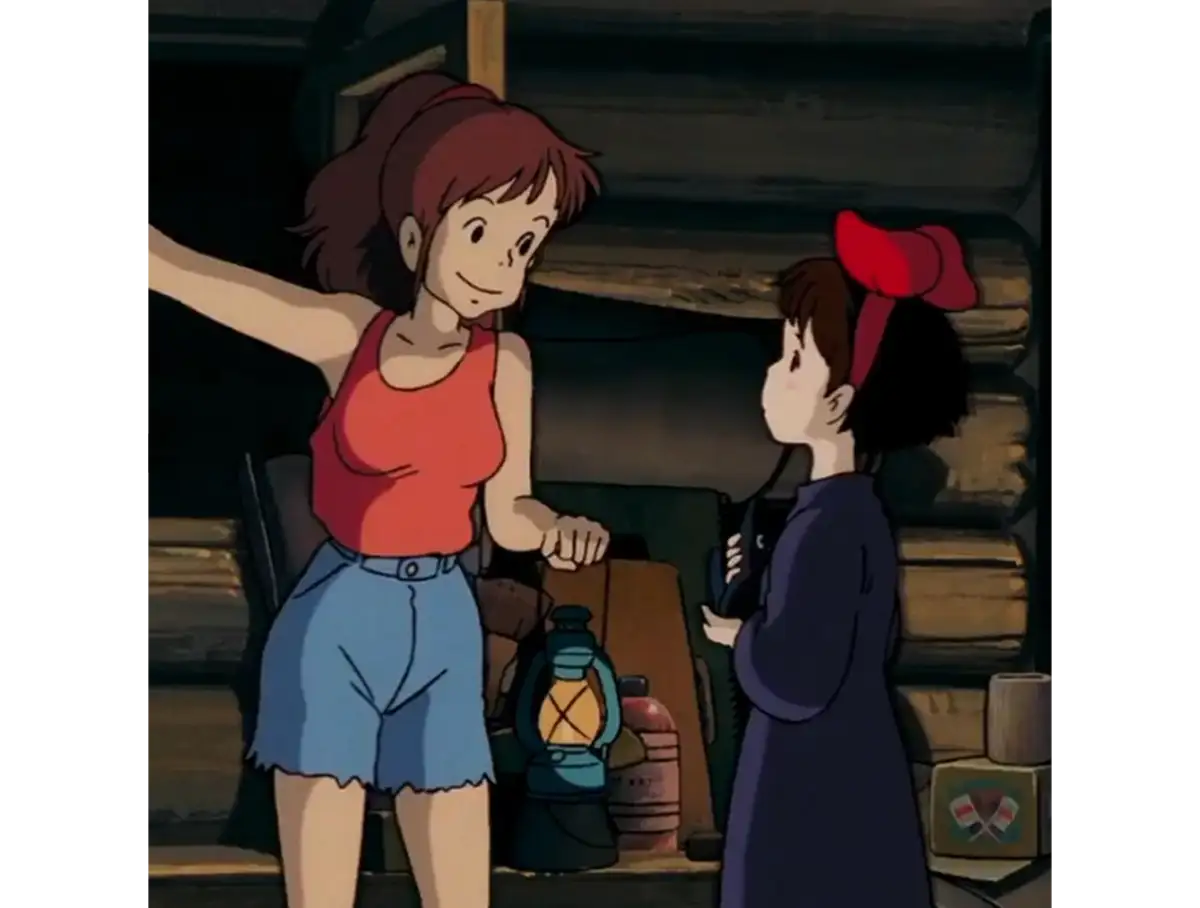
The film’s answer to this crisis is counterintuitive, and it is where its argument about dreams and productivity becomes clearest. Kiki doesn’t get her magic back by practicing harder or forcing herself through the block. If anything, she has to do the opposite: she has to stop. Ursula, a free-spirited painter who lives alone in a cabin in the woods, is the one who helps her understand this. There is something comforting about Ursula because she doesn’t treat Kiki’s creative block like a problem that needs to be fixed immediately. She seems to understand that sometimes you just have to step away from the thing you’re trying so desperately to get back to. Ursula feels like the kind of mentor we all wish we had at our lowest points, someone who has been through a creative block herself, knows what it feels like to lose your way, and has somehow come out the other side.
Ursula gives Kiki a piece of advice that will sound familiar to anyone who spends time online: take long walks, look at the landscape, doze off at noon, don’t even think about flying, and it will come back. This advice shows that Kiki’s flying was never just a skill she could master through practice; it was an expression of wonder and creativity, something that faded when pressure replaced joy.
Even though the movie was made in 1989, it keeps finding new audiences in modern times. They can relate to the specific exhaustion of no longer recognizing the thing you used to love once it became the thing you are paid to do. The film unfolds through the lens of a children’s adventure story, yet it reveals how a world organized entirely around productivity will eventually starve its dreamers. Kiki has to become briefly useless again, wandering, resting, watching, before she can fly again. In Miyazaki’s storytelling, dreams are not an escape from the real world; they are one of the more honest ways of perceiving it. Kiki is able to fly again only when she realizes that her worth is not defined by what she can produce.
That’s the takeaway I keep returning to, on the days when my own creative work feels like it’s stalled out: the fix isn’t always to push harder. Sometimes it’s to let the thing you love be useless for a little while, so it can remember what it’s for. Almost forty years later, a movie about a teenage witch on a broomstick still has more to say about burnout than most of what shows up on our feeds. Maybe because it doesn’t just tell us to rest. It takes us through what burnout actually feels like, the frustration of losing something you love, the temptation to push harder, and the slow process of finding your way back to yourself. It gives us more than advice; it gives us a whole experience of surviving it. And maybe that’s what makes Kiki’s story feel so comforting: by the time she flies again, we’ve watched her find her way back to herself.