If there’s one thing that the hype around Christopher Nolan’s Odyssey (2026) has taught us, it’s that Greek mythology has staying power. For thousands of years, tales of the Trojan horse, Pandora’s jar, the golden fleece, and more have regaled us over and over again. But in all these mythical reimaginings, there is one that stands apart from the rest, particularly due to its target audience.
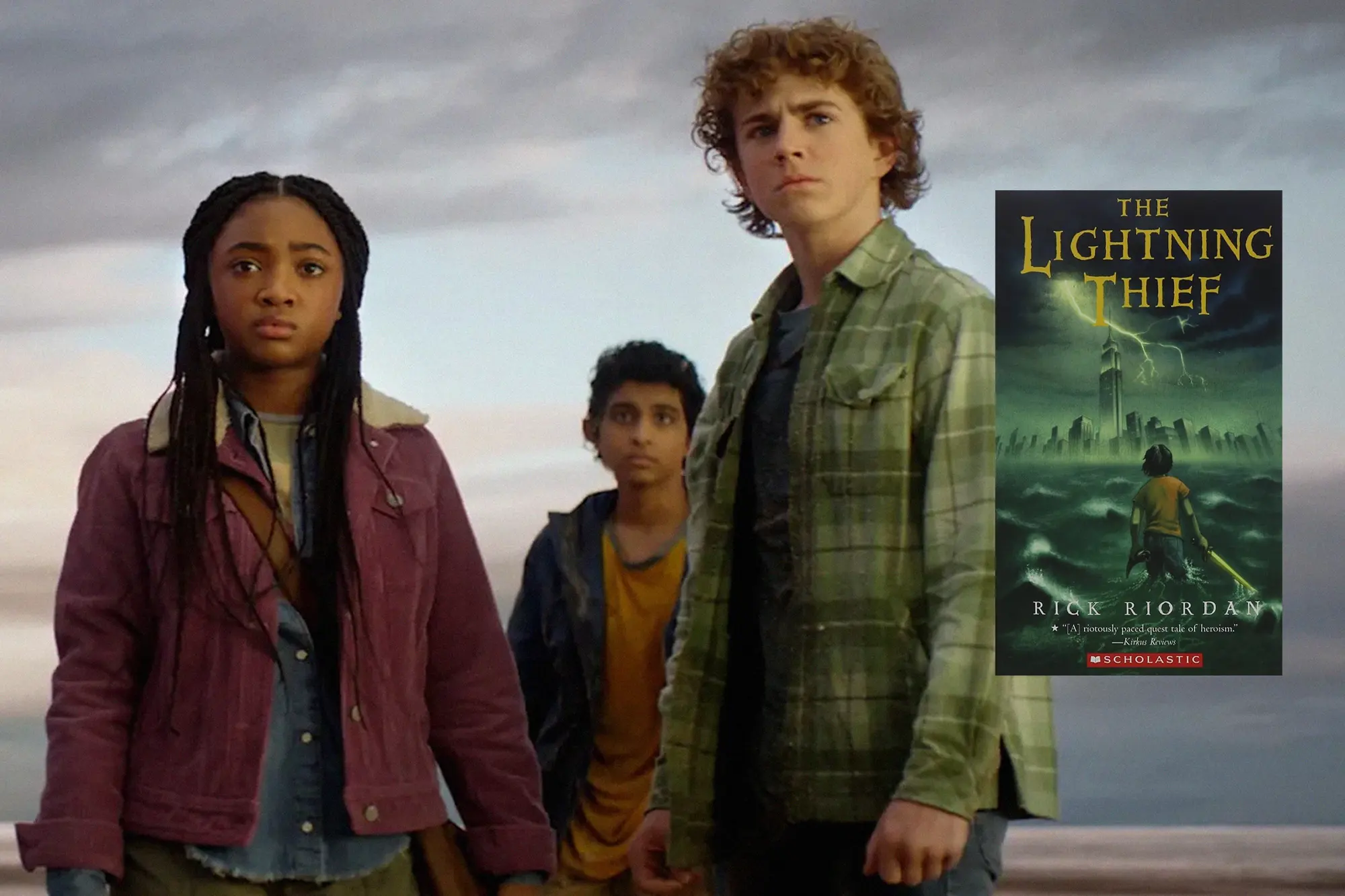
Rick Riordan’s children’s book series, Percy Jackson & the Olympians (2005–2009), is a cultural juggernaut that has only grown in popularity since the creation of the Disney+ series in 2023. With larger-than-life monsters, a relatably sarcastic main character, and action-packed battles, this series has everything young audiences crave. While Riordan's series is rooted in Greek mythology, its emotional logic owes just as much to Greek tragedy. It may seem odd to adapt Greek tragedy for children, but a closer look at Riordan’s works reveals that perhaps this was the ideal audience all along.
The Tragedy of the Greeks vs. The Tragedy of Youth
Consider the fact that the mortal characters in Ancient Greek stories are often at the mercy of more powerful forces around them. On a whim, any of the gods may strike down a mortal or curse them eternally due to a petty grudge. And it’s not just the gods who toy with their lives; the Fates and the oracles issue prophecies and predict deaths, reminding the mortal characters over and over of their helplessness in the face of destiny. As Riordan understood, this dynamic sounds strangely like childhood.
These harsh themes, when adapted to young characters, take on a dual meaning. The children within the Percy Jackson universe also live in fear of the gods, yet to them, the gods are not just deities but also their literal parents. In this context, the abuse and neglect that the young demigod characters face at the hands of the gods becomes much more intimate and tragic.
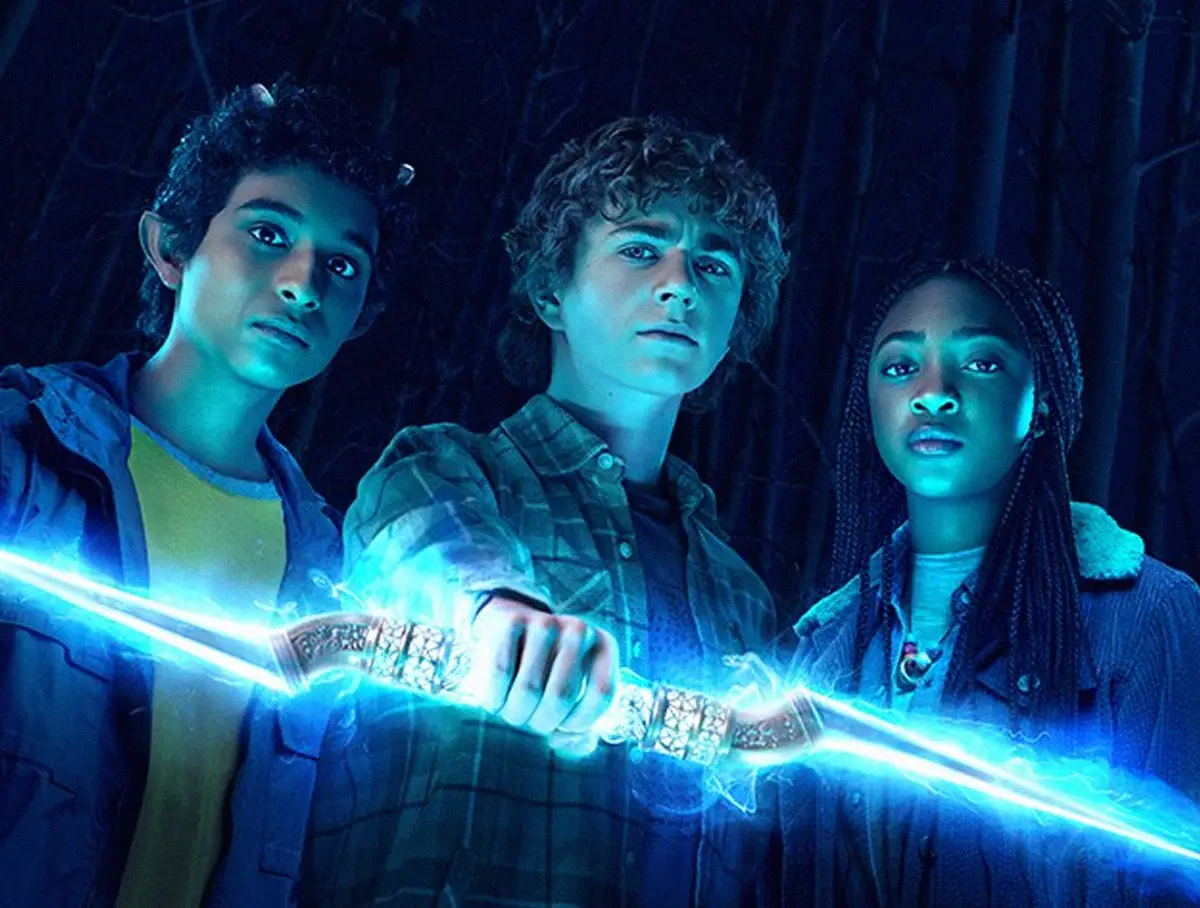
Like the mortal characters from the classic tales, the characters in Riordan’s books fight tooth and nail to escape the destinies foretold to them by the Oracle. Yet without fail, the prophecies always come true in the end. This dramatic irony is a cornerstone of Greek tragedy, but once again, these themes are heightened when shifted toward childhood. In our youth, the futures our teachers, mentors, and parents imagine for us feel as immovable and unfair as these ancient prophecies. Children often feel as though their lives have been predetermined by the adults around them, and having an outlet through which they can unpack that frustration is vital.
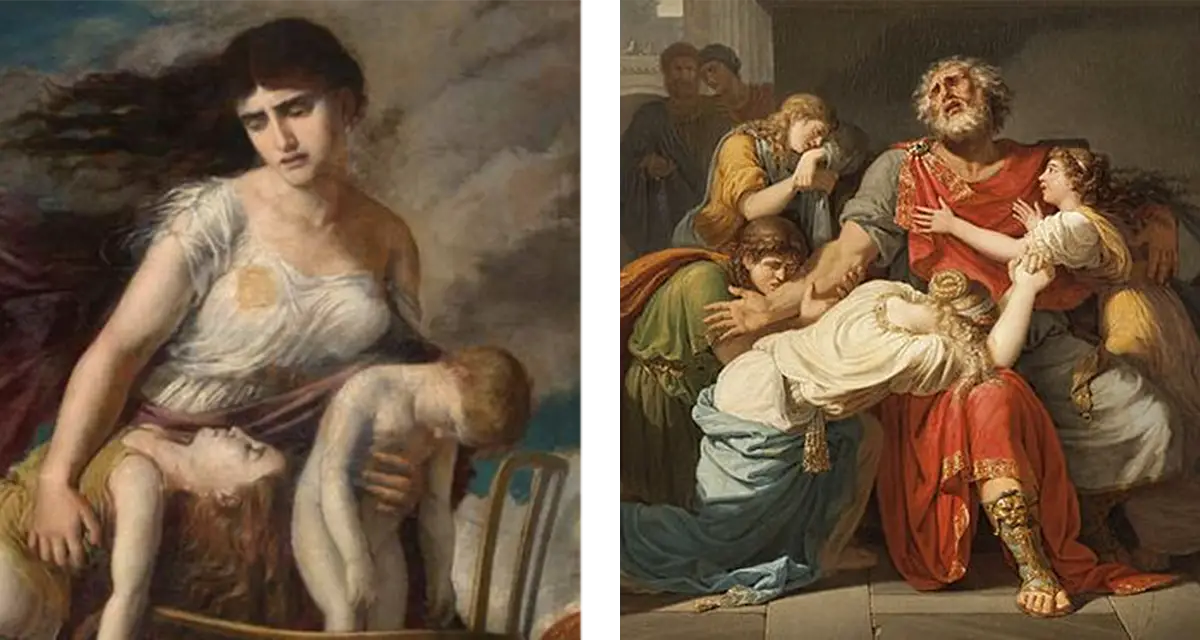
Perhaps one of the most well-known aspects of Greek tragedy is its emotional intensity. Famous Greek stage plays, such as Medea (c. 431 B.C.) and Oedipus Rex (c. 429 B.C.), have central scenes where the characters scream in agony or moan mournfully over their actions. Children, especially teens and tweens, are often criticized for their dramatic emotional displays. Yet we often forget that children are prone to heightened emotions because every aspect of the world is so new to them.
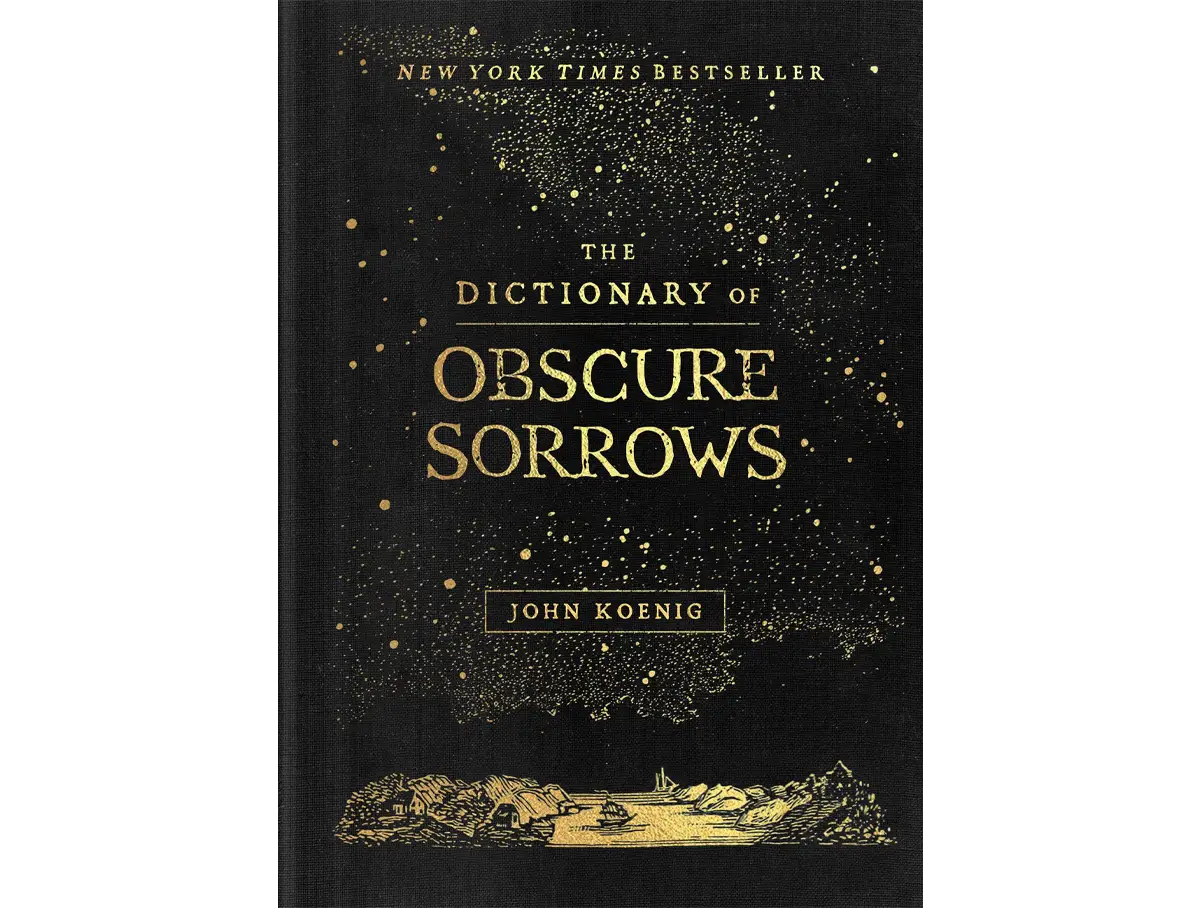
This concept of the lost passion of our youth is touched on in John Koenig’s poetic book, The Dictionary of Obscure Sorrows (2021). Within the plethora of original words and phrases is Koenig’s term yu yi, which he defines as “the longing to feel things intensely again.” Koenig’s extended definition touches on the idea that our first experience of something will always be the sharpest and that our reactions and emotions gradually dull over time. For instance, this is why our first heartbreaks and first loves are often stronger memories than others that come later.
With this critical aspect of childhood in mind, the all-consuming emotions of Greek tragedy suddenly feel more applicable to a younger audience. The despair and anxiety that Riordan’s characters face echo that of Medea, Oedipus, and Odysseus, but by lowering the age range, the tragedy becomes more accessible and, in many ways, more relatable.
Why Greek Tragedy Is Particularly Resonant With Today’s Youth
The first novels in Rick Riordan’s Percy Jackson universe were published in the 2000s, making the original audience older Gen Z and younger Millennials. This particular age group was generally exposed to more violence than the generations before them, with school shootings especially escalating in frequency over the past 20 years. While Riordan likely did not intend to directly comment on such subjects, his novels nevertheless exist within the context in which they were published. And in an era where more and more children began to fear forces out of their control and monsters lurking in plain sight, the plight of Riordan’s demigod characters suddenly felt devastatingly relatable.

One final aspect of Greek tragedy that can be found in the Percy Jackson books is the idea that the fate of the world always rests in the hands of the demigods. Throughout classic Greek stories, the gods often use heroes and demigods to carry out their bidding and fight their battles. Within Riordan’s works, the young characters constantly push back against this expectation, lamenting the crushing pressure of being expected to fix these monumental, unsolvable problems. Riordan also takes this a step further with the reveal that the Ancient Greek myths play out over and over again in cycles, implying that even if the characters achieve victory this time, another young demigod in the future will still be subjected to the same tragedy.
Within the context of our modern era, this injustice feels eerily similar to the ideology that each new generation will always inherit the problems of the old one. Just like Atlas holding the weight of the sky, today’s youth feel the immense weight of centuries of mistakes and carelessness settling onto their shoulders before they even reach adulthood. Suddenly, the extreme emotions and themes within these ancient tales don’t seem so distant from reality.
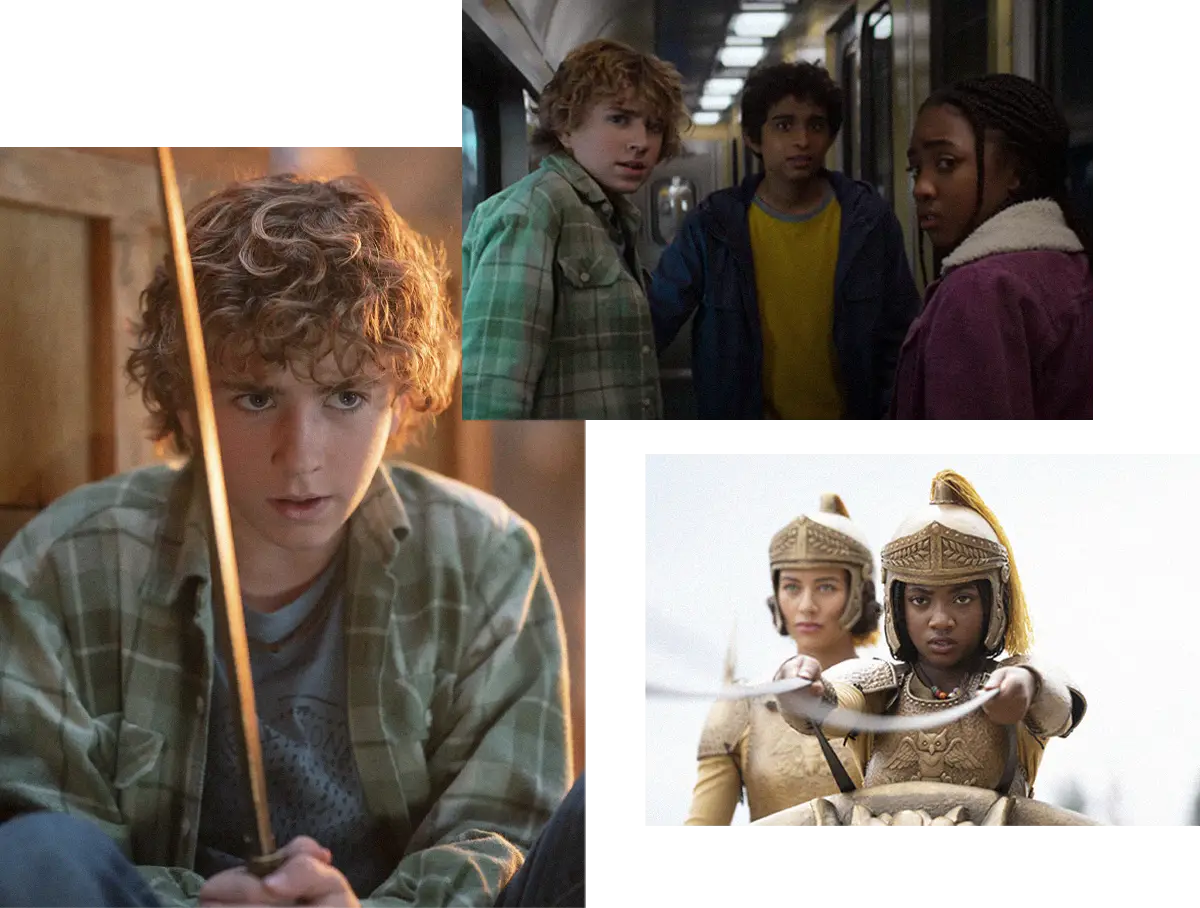
Greek tragedy may seem like a hard sell to modern audiences, but Rick Riordan’s highly successful series (and countless spin-offs) teach us that perhaps we shouldn’t discount younger readers. At the end of the day, Greek tragedies are just heightened reflections of what the people of the time believed and feared, making them appreciated best by audiences with open hearts. And there’s no group in the world more attuned to their emotions than children.