For generations, villains were evil, heroes were good, and we weren’t meant to question which was which. Characters like the stiff-limbed monster lumbering toward its next victim and the cackling stepmother existed to be feared or hated. But recent novels and films challenge that black-and-white thinking by bringing new depth, context, and voice to these characters from familiar classics.
Novels like Lady Tremaine (2026) by and Call Me Ishmaelle (2025) and the blockbuster films Frankenstein and Wuthering Heights invite us to empathize with classic characters once dismissed as villains. In a political climate plagued by a “You’re either with us or against us” school of thought, recent retellings promote a cultural shift toward moral complexity and representation, while reexamining long-held approaches to storytelling. Authors and filmmakers from Rachel Hochhauser to Emerald Fennell are not just reimagining the classics, but transporting us into worlds that force us to reconsider who the real villain is—and whether we ourselves play a role in casting them that way.
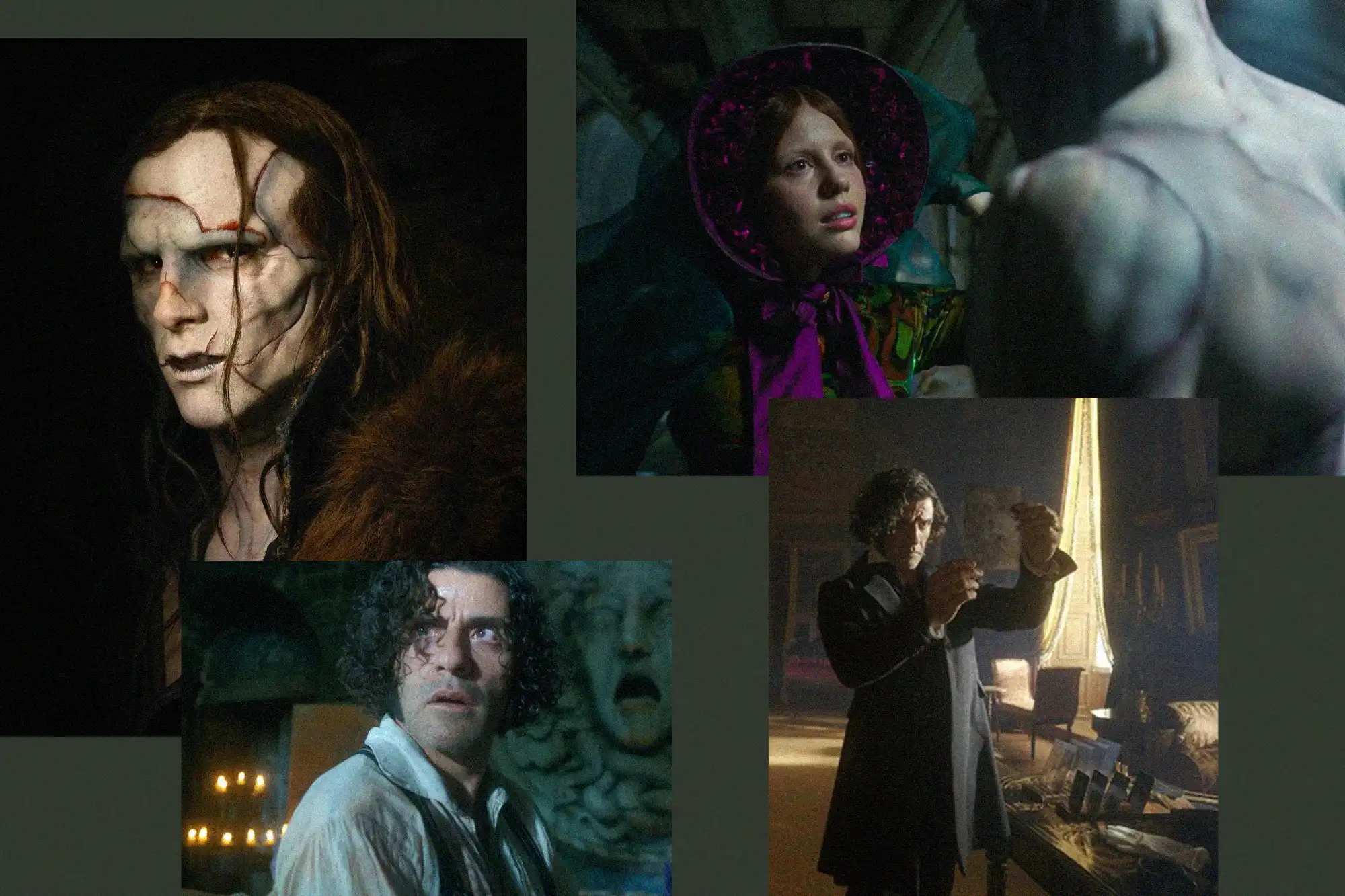
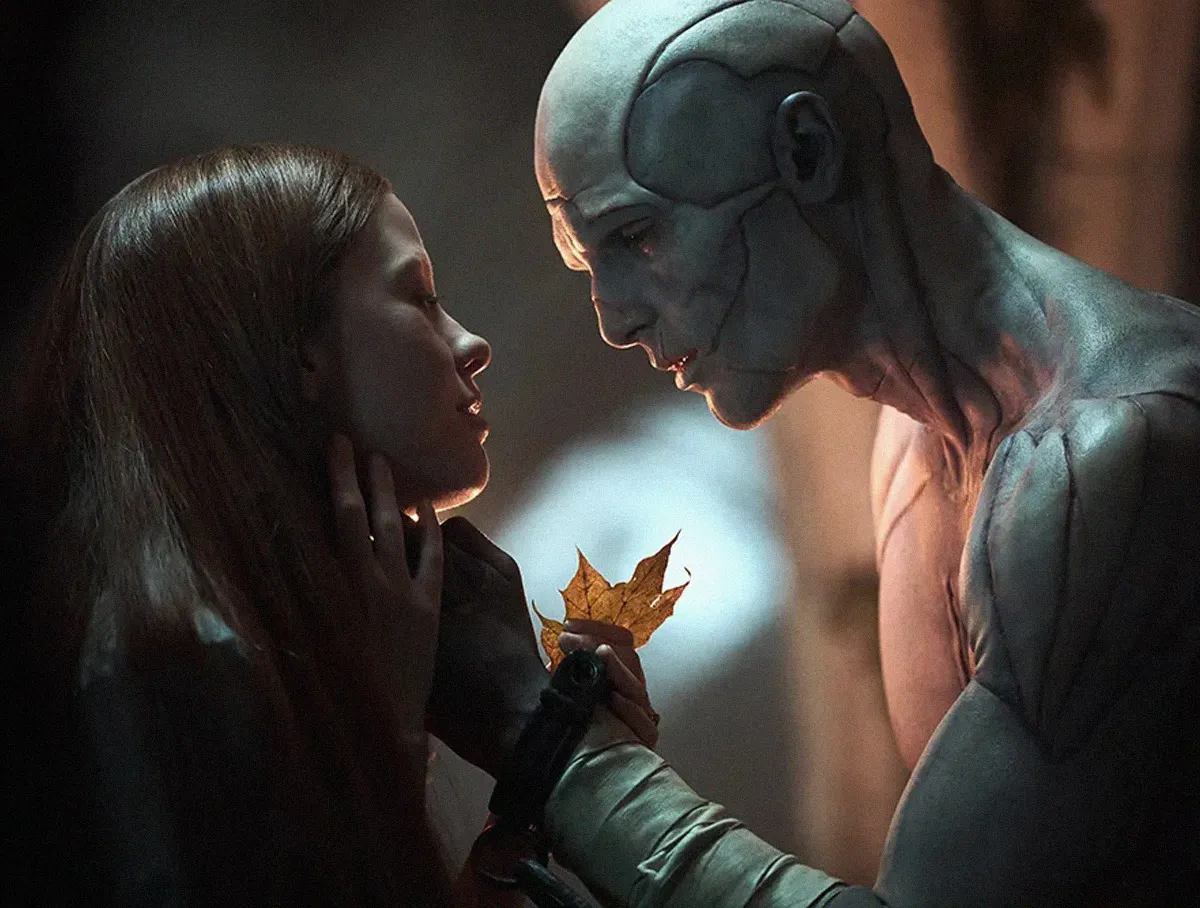
Whereas Boris Karloff’s 1931 Frankenstein film popularized a zombie-like creature with neck bolts and a flat head, Guillermo del Toro envisioned the creature as “something newly minted, beautifully firstborn.” Taking a decidedly softer approach, del Toro presents him not as evil but as sympathetic, articulate, and intelligent—an abandoned child in search of love. The creature’s human-like appearance, thick hair, and pronounced physical scars emphasize the emotional pain inflicted by his creator. Del Toro not only adhered more closely to Mary Shelley’s novel and her vision, but reminds us that the “other” is a being with feelings versus something to be feared.
And then there’s the wicked stepmother, who we never thought could be redeemed. Published in March, Lady Tremaine by Rachel Hochhauser upends the one-dimensional narrative of Cinderella’s cold-hearted, abusive stepmother. The trope of the spiteful woman who treats Cinderella like a loathsome servant is replaced with a far more complex character: a financially-vulnerable widow desperate to protect her daughters and prevent poverty in a time when marriage was one of few means of stability. Hochhauser challenges our definition of “villain” by depicting the stepmother as a victim of harsh—and plausibly historical—realities.

Hochhauser hasn’t been the only creator reexamining Cinderella recently. The Ugly Stepsister places the age-old tale into an unexpected genre: satirical black comedy mixed with body horror. The 2025 film uses gruesome, visceral scenes to show the extreme measures Elvira takes to become beautiful so she can compete with her stepsister Cinderella (Agnes in the film) for the shallow prince’s heart and secure her family’s financial stability. As director Emilie Blichfeld noted in an interview, “It was really important for me to make the stepsister a three-dimensional character, not just an archetype. I thought: What if we met the real person behind this archetype?” Disturbing, grotesque, and deliberately excessive, the film is both a commentary on the unrealistic beauty standards placed on women and a chilling look at the desperate measures they must take to survive in a society with strong patriarchal control.
In perhaps the most viral example of this trend, Emerald Fennell’s recent adaptation of Wuthering Heights has sparked an internet frenzy over one of literature’s most polarizing figures: Heathcliff. Depicted by Emily Brontë as vindictive, cruel, and at times monstrous, Heathcliff is softened into a man driven by his fiery love for Catherine in Fennell’s adaptation, released earlier this year. In this loosely adapted version, he’s physically and verbally abused as a child, and Catherine is his only escape. In an interview with Elle magazine, Fennell explained her adaptation is “about the depths of human feeling and how it exists in a profound way, not just a physical one.” And that’s what we see: the unbridled happiness Heathcliff experiences when he’s with Catherine and his despair when he isn’t.

Even at his worst in the film, when he’s degrading his new wife to upset Catherine, a close camera shot reveals a flicker of regret in his face. And the entire second half of the novel—in which Heathcliff kidnaps, abuses, and neglects Catherine’s daughter and his own son and is arguably at his most “evil”—is entirely left out of the film. While this version of Heathcliff tempers some of his darkest qualities, it offers audiences a new perspective on a troubling character, broadening our capacity to understand—and even empathize with—a character clinging to the only love he’s ever known.
Beyond giving characters new psychological depth and insight into their backstories, this resurgence of the classics gives voice to figures—primarily women—who were historically silenced or underrepresented in classic literature. Of course, new casting decisions and rewritten narratives are not without controversy; Fennell for instance, received backlash for casting Heathcliff as white. Yet that is precisely the power of these reinterpretations: they reimagine who these characters could have been while opening a broader dialogue about who has the right to reinvent and retell these stories—and which identities deserve to inhabit them.

Maggie Gyllenhaal’s The Bride! (2026) gives voice and agency to a historically marginalized female character. In her retelling of Bride of Frankenstein (1935), the bride becomes a fully realized protagonist instead of the monster’s silent companion. Named Ida, she chooses to be with “Frank” out of love rather than obligation and takes an active role in their crime spree. The film has been criticized for its grotesque imagery and violence—in fact, Warner Bros. asked Gyllenhaal to cut some of it—but these choices were intentional cultural commentary. As Gyllenhaal explained in an interview, “…if we’re going to see it [brutality against women], we need to see it in a way that is very hard to watch, because it is very awful.”

Other reinterpretations shift the dominant point of view entirely. Call Me Ishmaelle by Xiaolu Guo reimagines Moby Dick through the eyes of a 17-year-old girl who disguises herself as a cabin boy and joins a whaling ship to escape the constraints imposed on women in the nineteenth century. Guo also brings cultural diversity to the novel’s white male characters, reframing how we view the tale’s villain in the process. Captain Seneca is Black and has a Chinese advisor who’s a Taoist monk (the I Ching replaces Moby Dick’s biblical references). By making the “villain” a Black man seeking revenge on a white whale—against the backdrop of the Civil War—Guo makes it difficult (if not impossible) to call the captain “the bad guy.”
The enduring power of these classics is their ability to evolve to reflect the cultural present. Since the birth of cinema, filmmakers in every decade have retold old stories in a way that reveals much about the times. In the current environment of political polarization, othering, and constant challenging of women’s rights, today’s reinterpretations surface the need for critical thinking, increased empathy, and more diverse representation. Authors and filmmakers remind us that morality is rarely clear-cut, and empathy can transform long-established and pervasive narratives. Bringing marginalized voices to the forefront does not erase the originals; it expands them, reshaping how we understand the past, present, and one another.