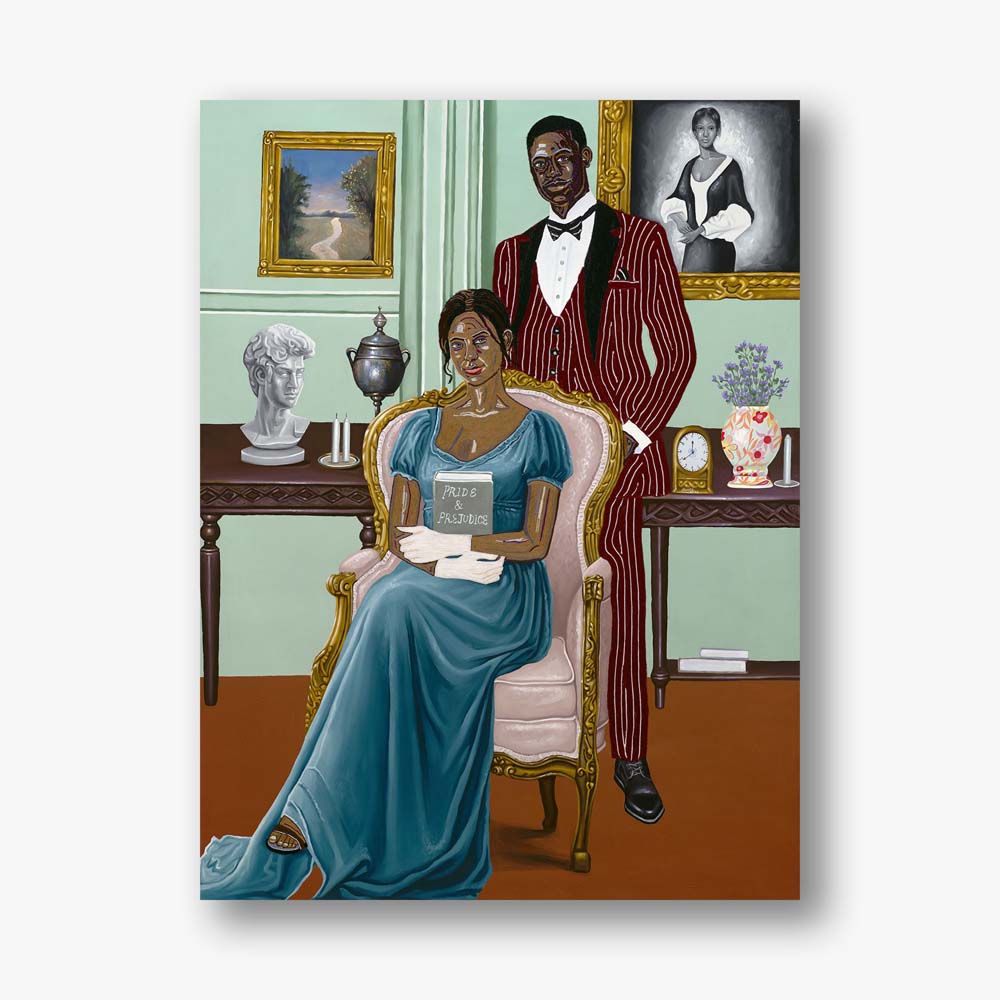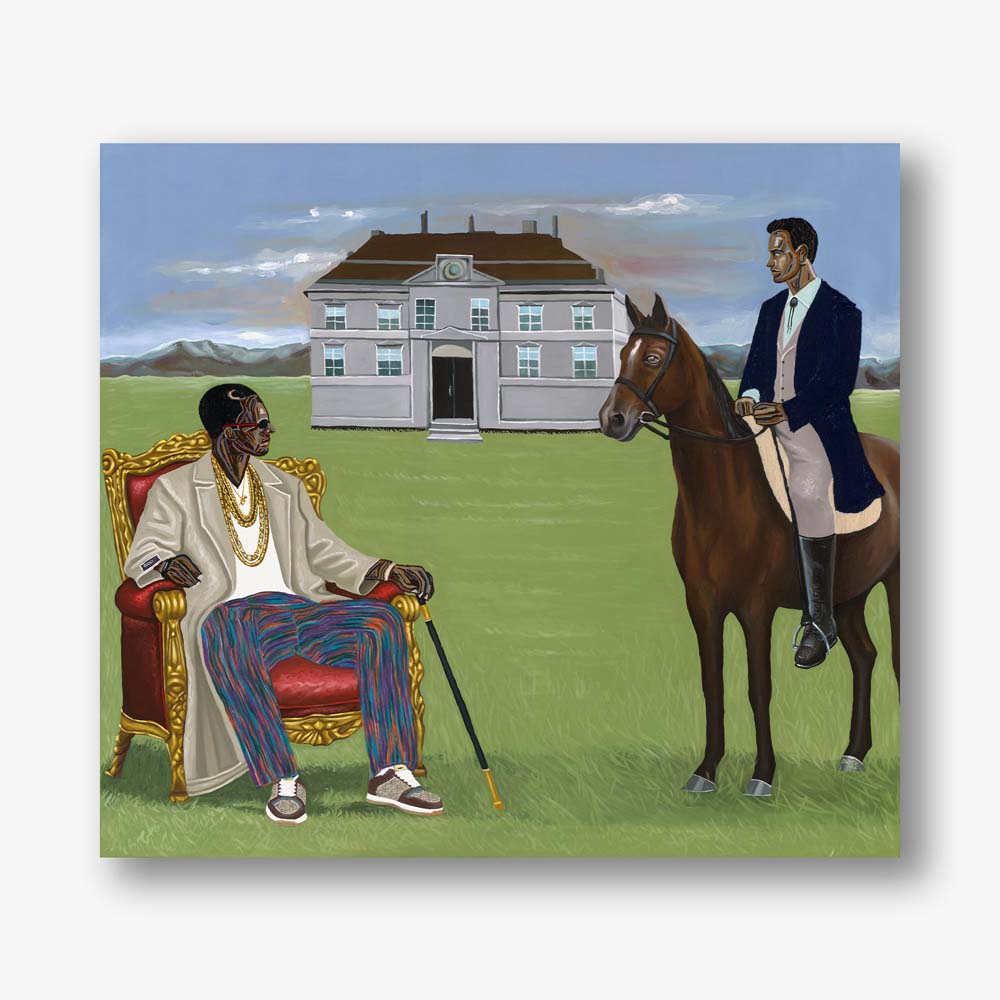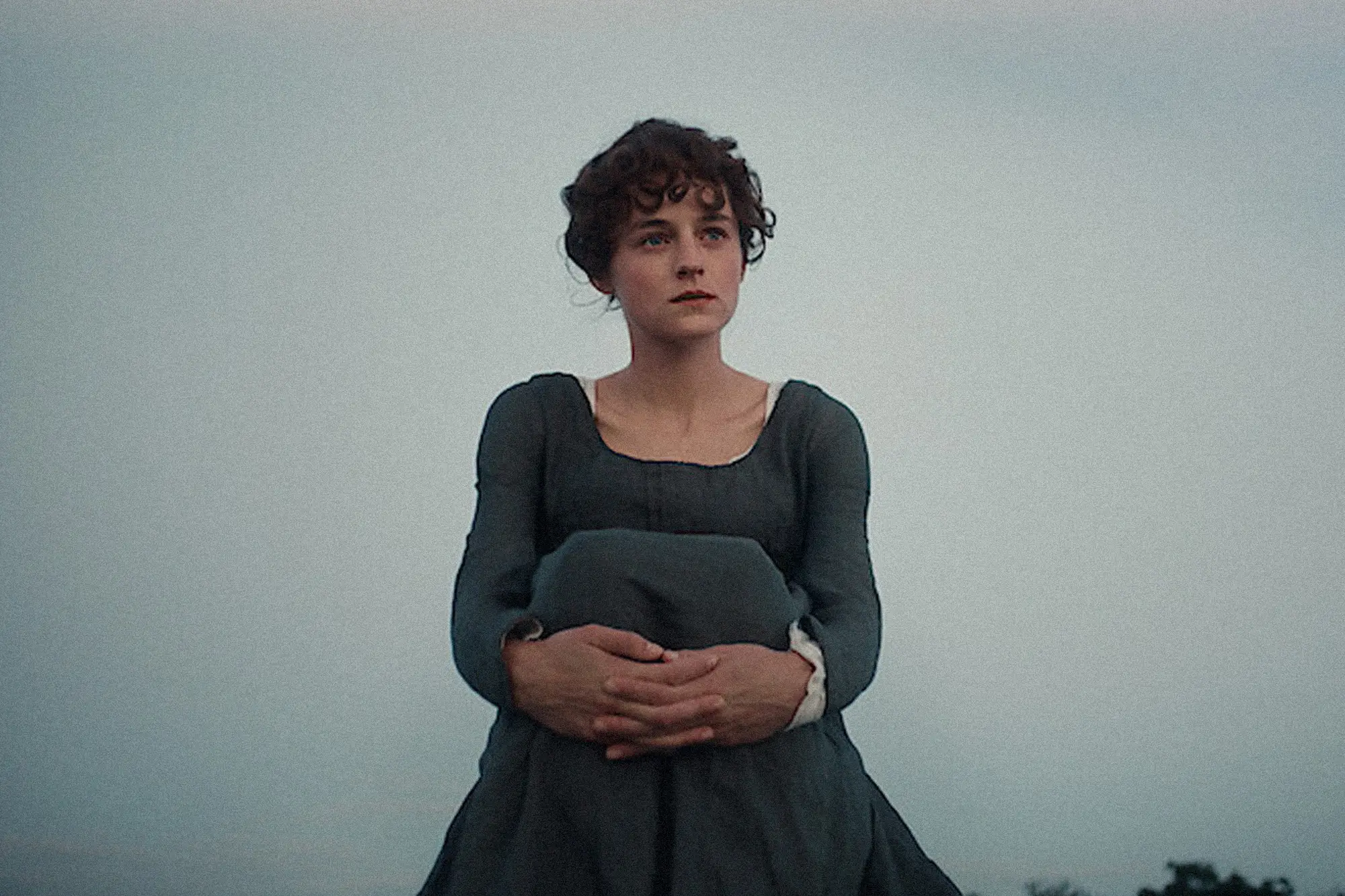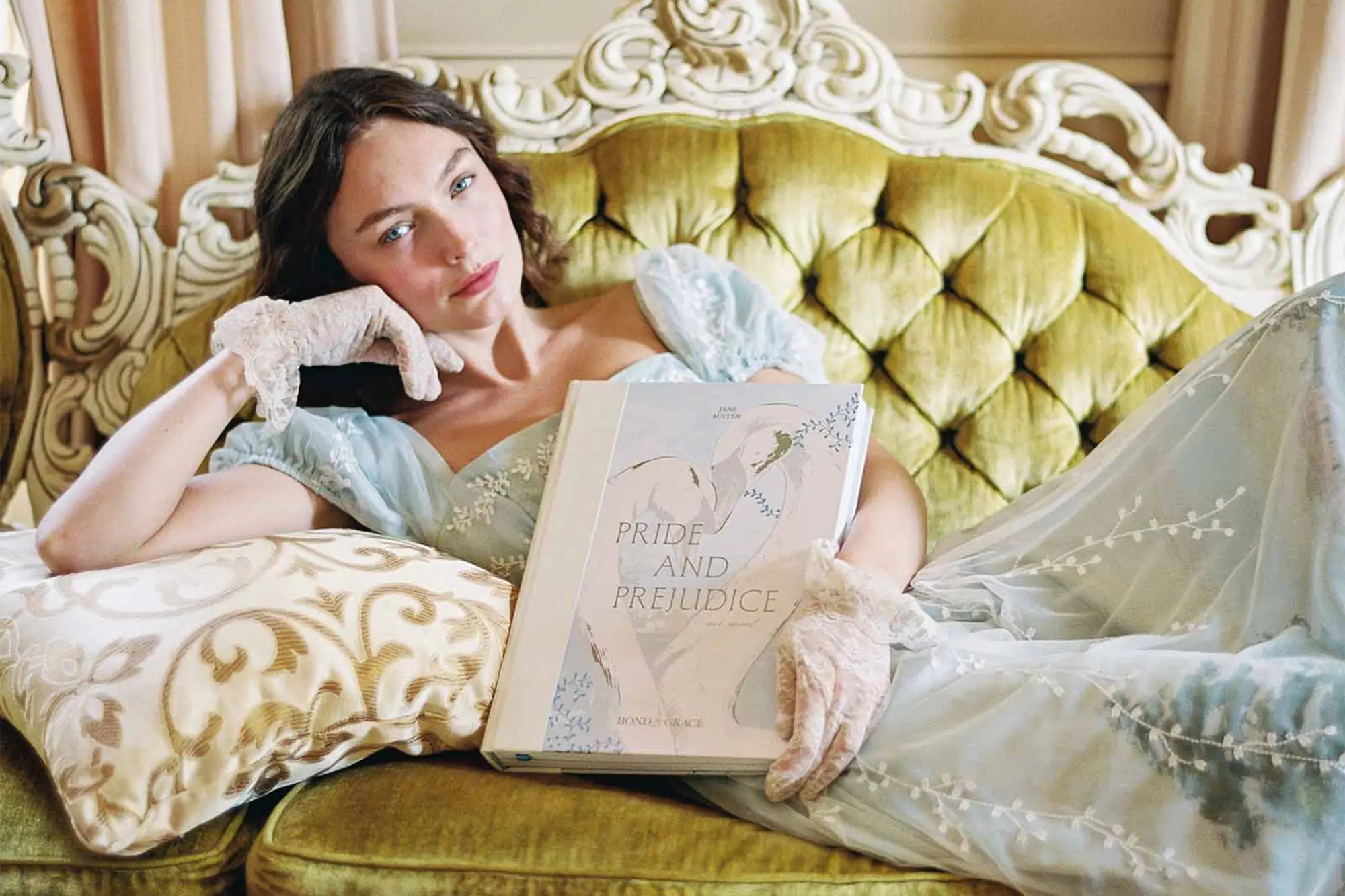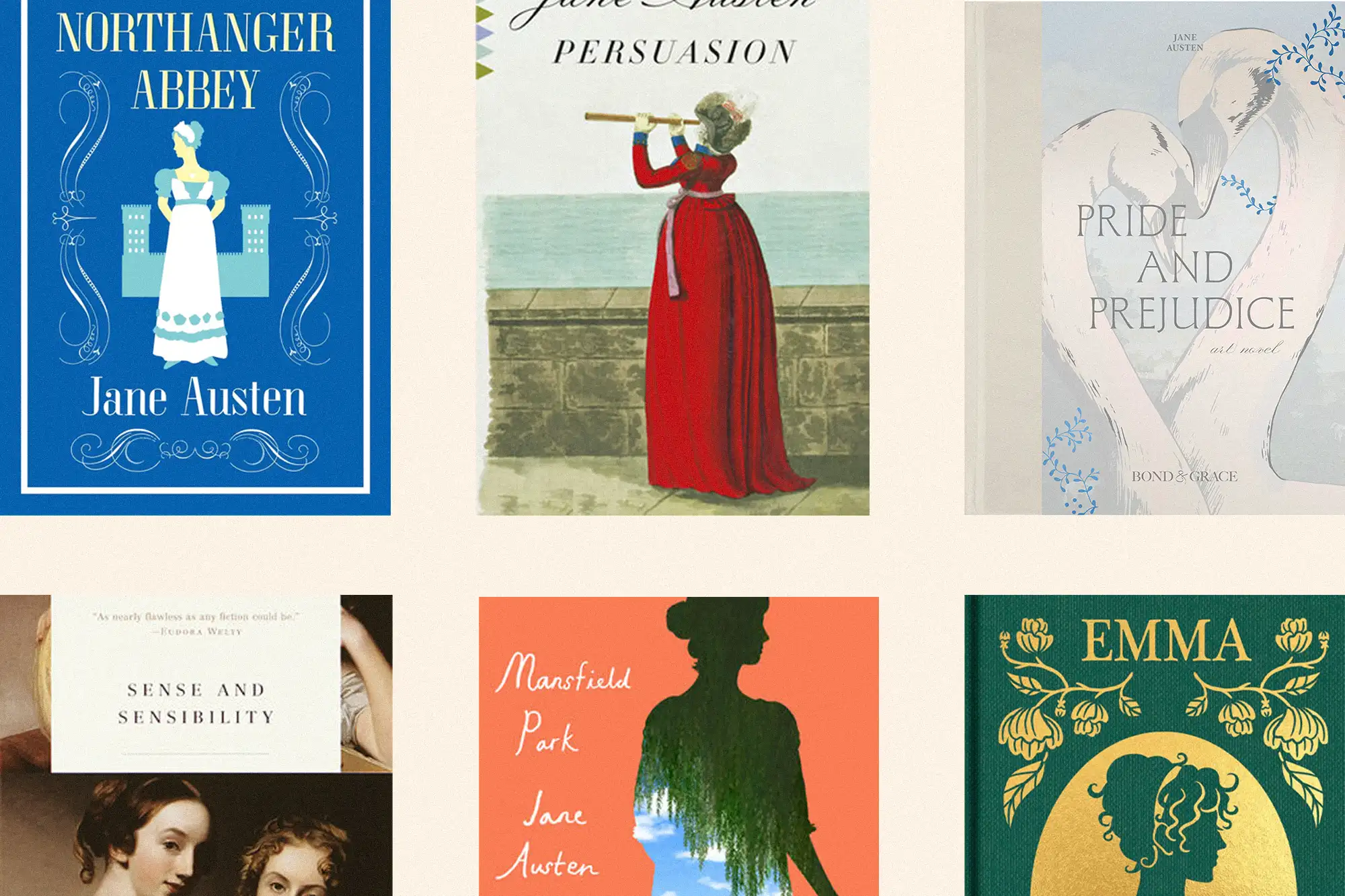
After rereading Pride and Prejudice for at least the third time, Sir Walter Scott, one of the nineteenth century’s most celebrated novelists, acknowledged that Jane Austen had a rare literary gift. Austen had, he wrote, an “exquisite touch which renders ordinary common-place things and characters interesting from the truth of the description and the sentiment”—a gift “denied to me.” Austen’s ability to transform the mundane into something extraordinary, infusing everyday domestic life with wit, irony, and social commentary, has secured her place as one of the greatest writers in literary history. Her brilliance lies not only in her characters and their relationships, but in the remarkable precision with which she brings their world to life.
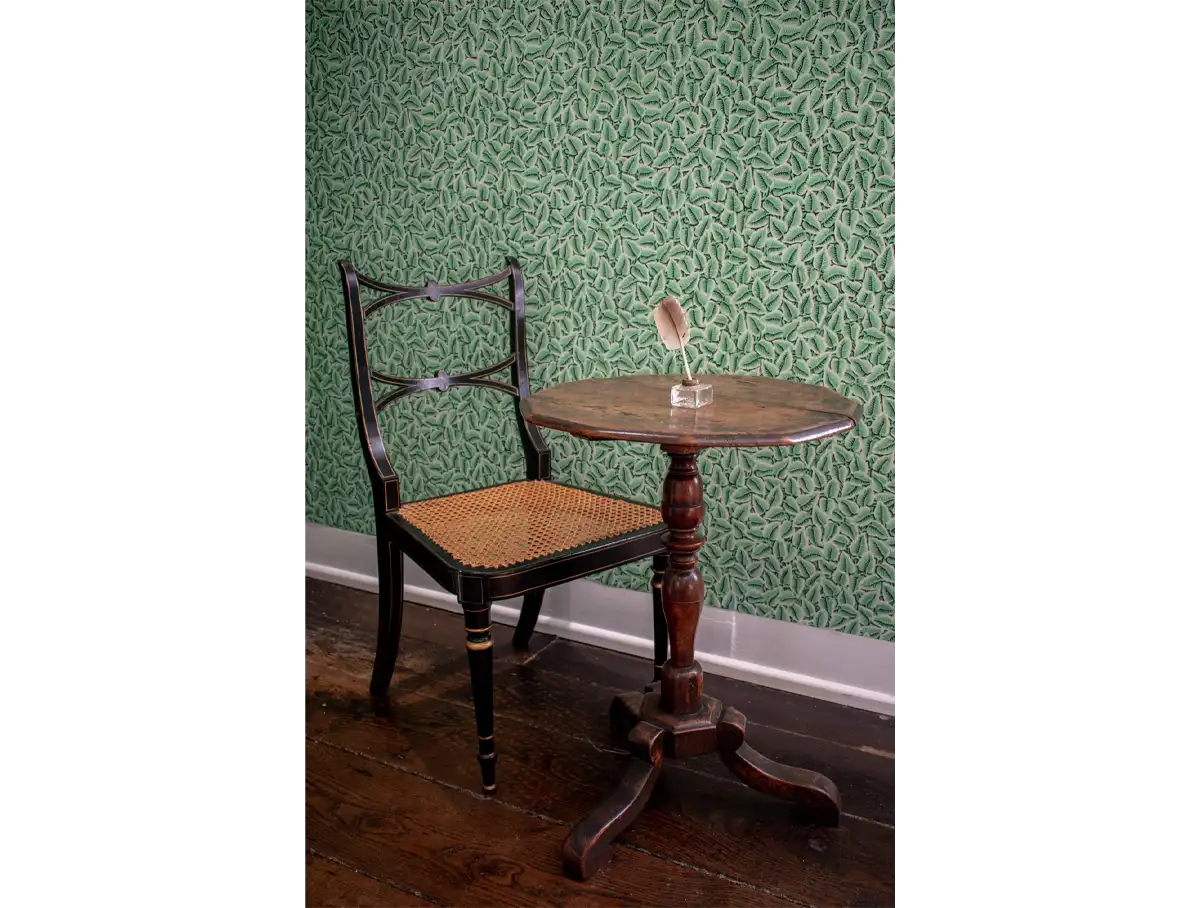
Austen was a remarkably disciplined writer. Family tradition tells us that she worked at the small writing table, now on display at Chawton Cottage, her former home in Hampshire. Protective of her privacy, it is said that she refused to fix the creaky door, mere meters away, as it alerted her to incoming visitors. Her nephew, James Edward Austen-Leigh, recalled in his memoir that “she wrote upon small sheets of paper which could easily be put away or covered with a piece of blotting paper.”
Austen may have guarded her writing from visitors, but her novels’ openings reveal much about her craft.
In our fascination with Austen’s beloved couples and happily-ever-after endings, we overlook the two most revealing features of her craftsmanship: the novel's titles and their opening lines. Both are simple, yet neither is accidental. Her titles define the novel’s central conflict in a few words, while her opening lines establish their social world and often brilliantly foreshadow the conflicts to come. Although Northanger Abbey and Persuasion received their published titles after Austen’s death, those titles still offer insight into the novels. By examining the titles and openings of all six of her novels, we can glimpse the stories to come, before they’ve even begun.
Sense and Sensibility (1811): “The family of Dashwood had long been settled in Sussex.”
Initially titled Elinor and Marianne, Sense and Sensibility places the sisters’ opposing personalities at the heart of the novel. While Elinor conducts herself with restraint and proper social convention (sense), Marianne's free-spirited, unrestrained emotional expression (sensibility) causes strain within the family after the loss of their father.
Austen’s succinct opening line establishes the Dashwoods in a specific place and history. Despite seeming straightforward, there's a certain level of irony as the family's longstanding stability is about to be removed. The composure of the opening allows Austen to dismantle its steadiness as the displacement of the Dashwood sisters allows her to force them to navigate an unfamiliar social world which will test their understanding of themselves and each other. The upheavals of a new home, new suitors, and new social demands await, pitting sense against sensibility.

Pride and Prejudice (1813): “It is a truth universally acknowledged, that a single man in possession of a good fortune, must be in want of a wife.”
Perhaps one of literature's most famous opening lines, this mock aphorism has since been adopted into the cultural vocabulary, as a succinct critique of a truth blindly accepted by society. Originally titled First Impressions, Pride and Prejudice pits the spirited, quick-to-judge Elizabeth Bennet against the prideful arrogance of Mr. Fitzwilliam Darcy. The two must find a common ground in their opposing attitudes before a romantic relationship can begin.
Austen satirizes the supposed “truth” that a wealthy single man must be looking for a wife, condensing the novel’s critique of the expectations of marriage into a simple sentence. The sarcastic tone signals that the novel will only complicate this assumption. Elizabeth and Darcy’s willingness to openly criticize and challenge each other is less than conventional for a relationship of the period. Self-analysis ensues as they each confront their own shortcomings, paving the way for a mutually agreeable union.
Mansfield Park (1814): “About thirty years ago Miss Maria Ward, of Huntingdon, with only seven thousand pounds, had the good luck to captivate Sir Thomas Bertram, of Mansfield Park, in the county of Northampton, and to be thereby raised to the rank of a baronet's lady, with all the comforts and consequences of an handsome house and large income.”
Mansfield Park, the country estate around which all of this novel’s characters converge, becomes a site of tension, particularly for protagonist Fanny Price. Taken in by her wealthy aunt and uncle, Fanny finds herself surrounded by luxury that only increases her awareness of her lower social standing.
Rather than opening with a history of Mansfield Park itself, Austen introduces us to Miss Maria Ward, the most fortunate of the three Ward sisters. What appears to be a simple, straightforward account of her good fortune soon reveals something more important: Maria’s marriage to Sir Thomas Bertram was the product of “good luck” and circumstance. Love was never factored into it. This distinction is an important one to make as it becomes a narrative thread throughout the novel, as an uneasy relationship between marriage, money, and social standing is introduced.
Emma (1815): “Emma Woodhouse, handsome, clever, and rich, with a comfortable home and happy disposition, seemed to unite some of the best blessings of existence; and had lived nearly twenty-one years in the world with very little to distress or vex her.”
Emma Woodhouse, the novel’s central character, is Austen's only heroine to give a novel her name. In many ways, she also serves as the novel's point of conflict—Austen knew that readers may not align themselves with such a meddlesome woman; according to her nephew, when beginning the novel, she wrote, “I am going to take a heroine whom no-one but myself will much like.” Making such a confident, often misguided heroine likeable would be no easy task.
Again, Austen contains the essence of the plot in a single sentence, starting with Emma's many comforts. It is only when she is confronted with her shortcomings, something to “distress or vex her,” that she begins to realize the gravity of what she could lose. But, as Austen continually reminds us, it is never too late to experience the “best blessings of existence”: through a series of humbling realizations, Emma chooses to improve herself and seek forgiveness for her naivety.
Northanger Abbey (1817): “No one who had ever seen Catherine Morland in her infancy would have supposed her born to be an heroine.”
The opening itself is a playful challenge to the conventions of the novel. Originally titled Susan and then Catherine, Northanger Abbey satirizes the Gothic tradition. The Abbey becomes the setting for Catherine's increasingly imaginative suspicions, as she attempts to uncover what she believes to be a sinister history within the Tilney family. Presenting Catherine Morland as an unlikely heroine, Austen challenges conventional expectations of what a heroine should be. In Northanger Abbey, nothing is quite as it seems, and characters rarely articulate themselves fully, making miscommunication a recurring and often amusing thread throughout the novel.
Persuasion (1817): “Sir Walter Elliot, of Kellynch Hall, in Somersetshire, was a man who, for his own amusement, never took up any book but the Baronetage; there he found occupation for an idle hour, and consolation in a distressed one; there his faculties were roused into admiration and respect, by contemplating the limited remnant of the earliest patents; there any unwelcome sensations, arising from domestic affairs changed naturally into pity and contempt as he turned over the almost endless creations of the last century; and there, if every other leaf were powerless, he could read his own history with an interest which never failed.”
Persuasion finds its origins in Anne Eliot’s decision to break off her engagement to Captain Wentworth, persuaded largely by Lady Russell that his lack of fortune and uncertain career made the match unwise. Now wealthy and successful, Wentworth’s return after an eight-year separation brings unresolved feelings to the surface once more. The novel’s extended opening sentence introduces Sir Walter Elliot as self-obsessed and consumed with rank and “domestic affairs.” His daughters are not mentioned until later, as he sees them largely as extensions of his own identity. His vanity and preoccupation with status set the family’s upheaval in motion, eventually bringing Captain Wentworth and his family back into Anne’s life. As the story unfolds, the focus shifts to Anne herself, who begins to make choices on her own terms.
Austen, astute in her perceptions of society, honed her craft throughout her life, becoming one of our most timeless and enduring authors. Her ability to contain entire worlds within a single title or sentence is a rare accomplishment, one that only underscores the precision, dedication, and love she brought to her work. After walking in her footsteps and standing before the very place where she wrote, I no longer think of Austen as a distant literary figure, but as a very real woman who worked tirelessly to be taken seriously. The more I return to her novels, the more I appreciate the patterns, intricacies, and deliberate choices that underpin her six novels—four published during her lifetime and two posthumously.