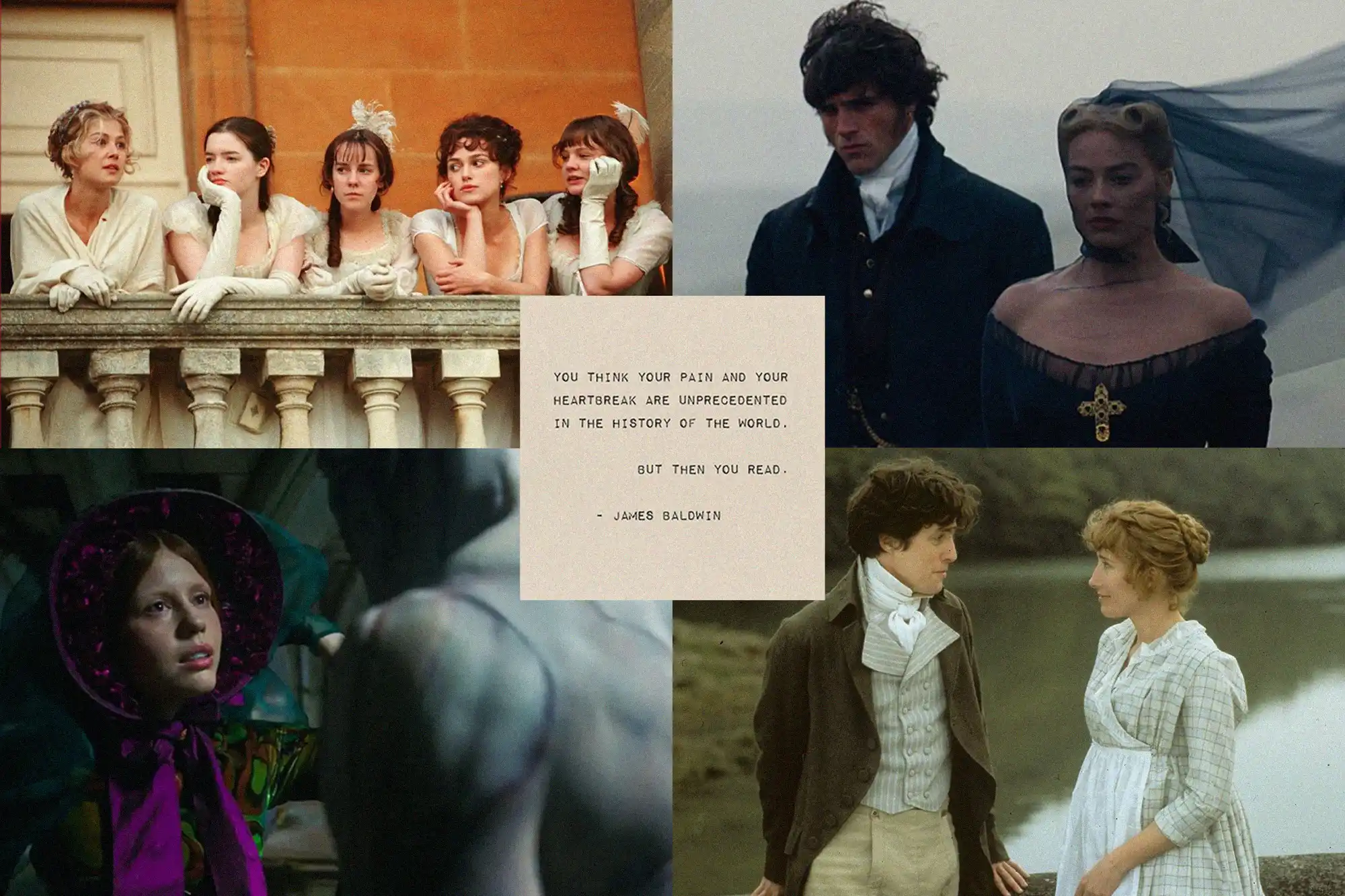
There’s a James Baldwin quote which I’ve lately found myself thinking about. “You think your pain and your heartbreak are unprecedented in the history of the world, but then you read,” the prolific culture critic, journalist, and orator wrote. Books “taught me that the things that tormented me most were the very things that connect me with all the people who were alive, or who had ever been alive.”
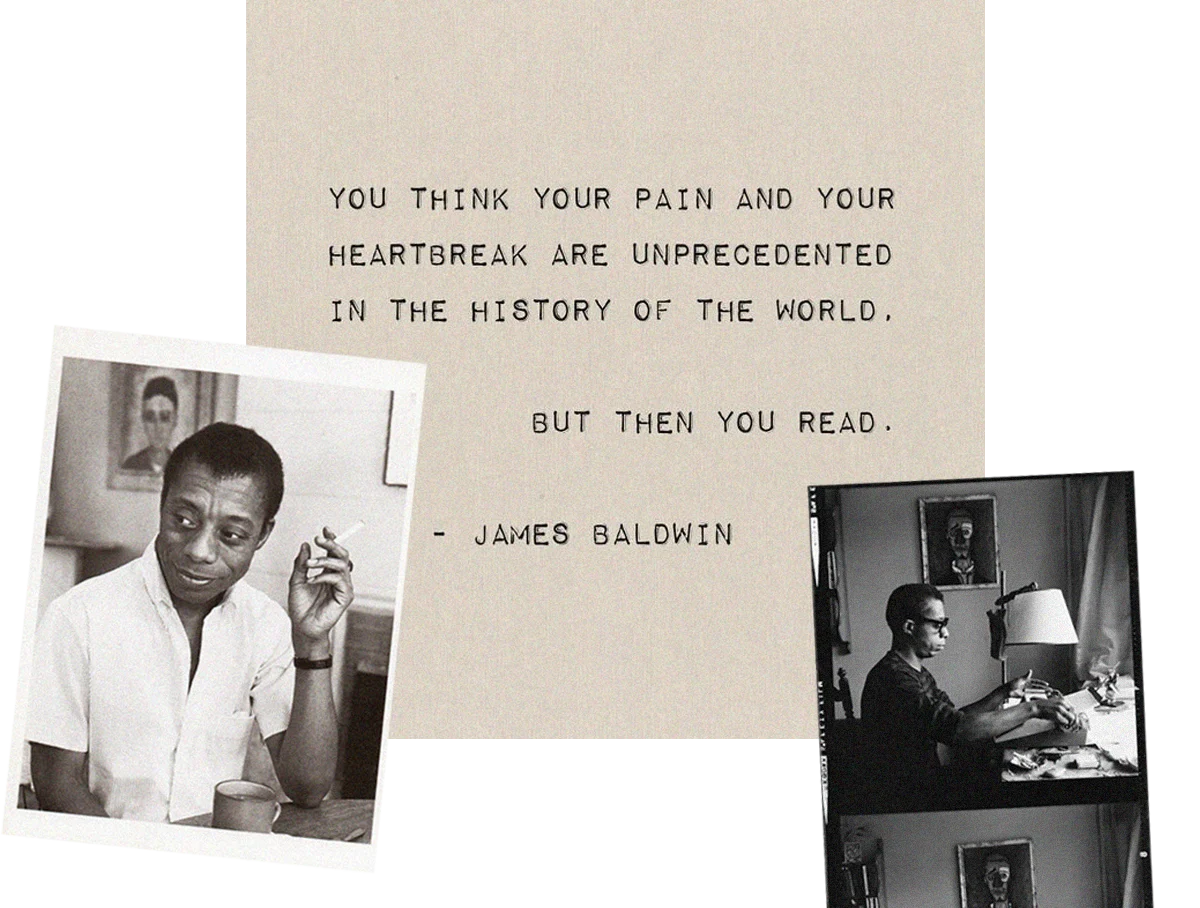
Baldwin’s scholarship, like so much of his work, translates the lived experience of being Black in America with such profound nuance. So much of what the writer said during his storied life feels prescient, and many of his observations, while rooted in his own racial identity, resonate across sex and race. There’s such specificity to his words, and still so much universality to his message.
The reason I’ve been thinking about this quote is because it feels like each day in the year 2026 is more unprecedented than the last, so we’re told. And yet the classic novels I reread, sometimes for the third or fourth time, remind me: These anxieties, the tension I feel in my heart regarding what it means to be a woman navigating the world, isn’t new. We’ve been here before.
The latter half of 2025 into 2026 finds a bevy of literary adaptations on the way or already out, each from the source material of a prolific woman who usurped the constraints of her respective time, topical then and relevant enough still that their works are still adapted to the screen, big or small.
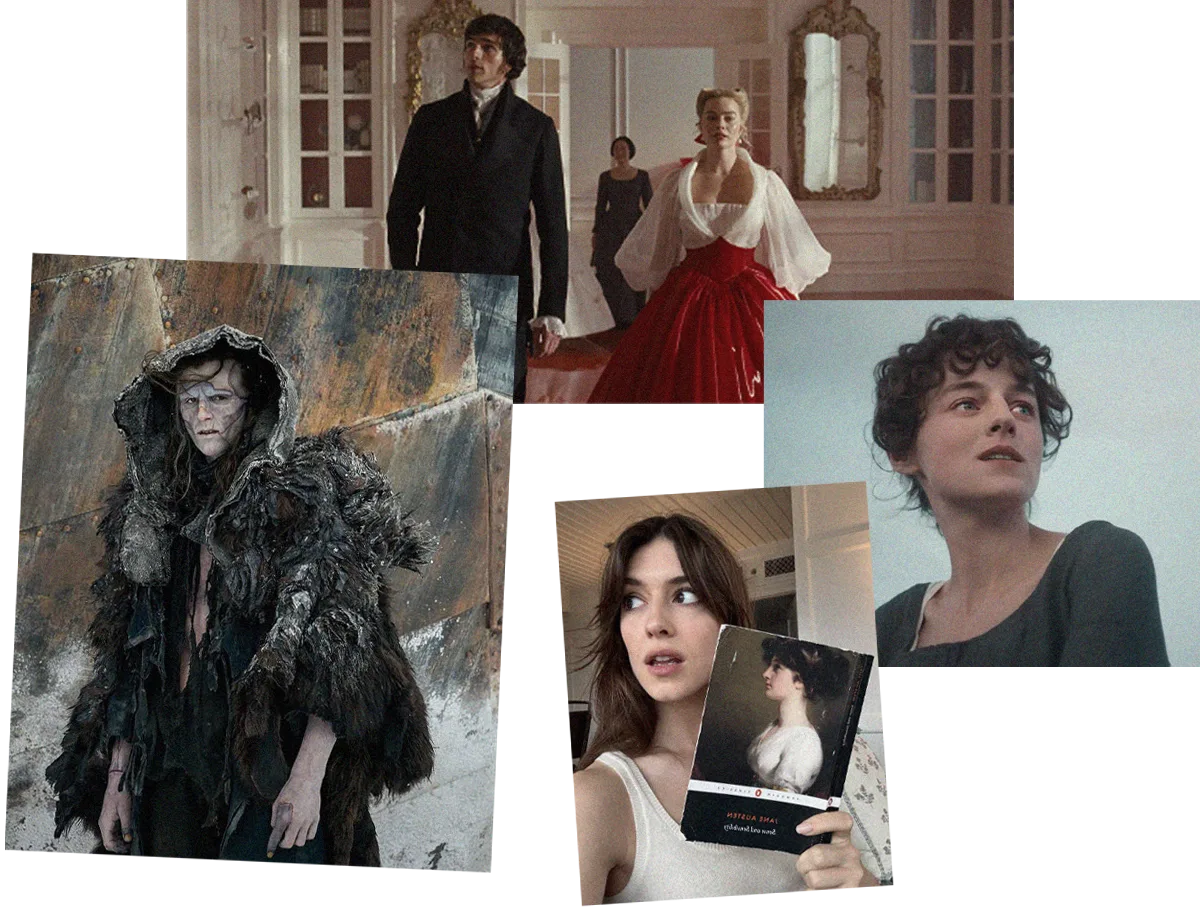
Think about it: Frankenstein, Wuthering Heights, Pride and Prejudice, Sense and Sensibility and now the newly announced Jane Eyre each had their own screen adaptation in late 2025, early 2026, or is yet to hit the screen. Now, is there a reason all of these screen iterations of Mary Shelley, the Brontë sisters, and Jane Austen’s novels are seemingly happening all at once? I believe there is.
I’ve read the thinkpieces and seen the viral TikToks, and when I see Trad wife content, the fallout of the Dobbs decision, and continued assaults on women’s bodily autonomy coinciding with these revisitations to stories about women navigating their existence and self-possession in times that hardly saw them as more than bargaining chips and property, a light bulb flickers over my head. The anxiety of being a woman navigating the heightened new turn of misogynistic rhetoric and law I internalize each day feels unprecedented, but perhaps that’s why returning to these novels is essential. Not as a coping mechanism and escapist strategy, but as a means to make sense of the world; to put to paper and encapsulate the very real anxieties of this moment through stories.
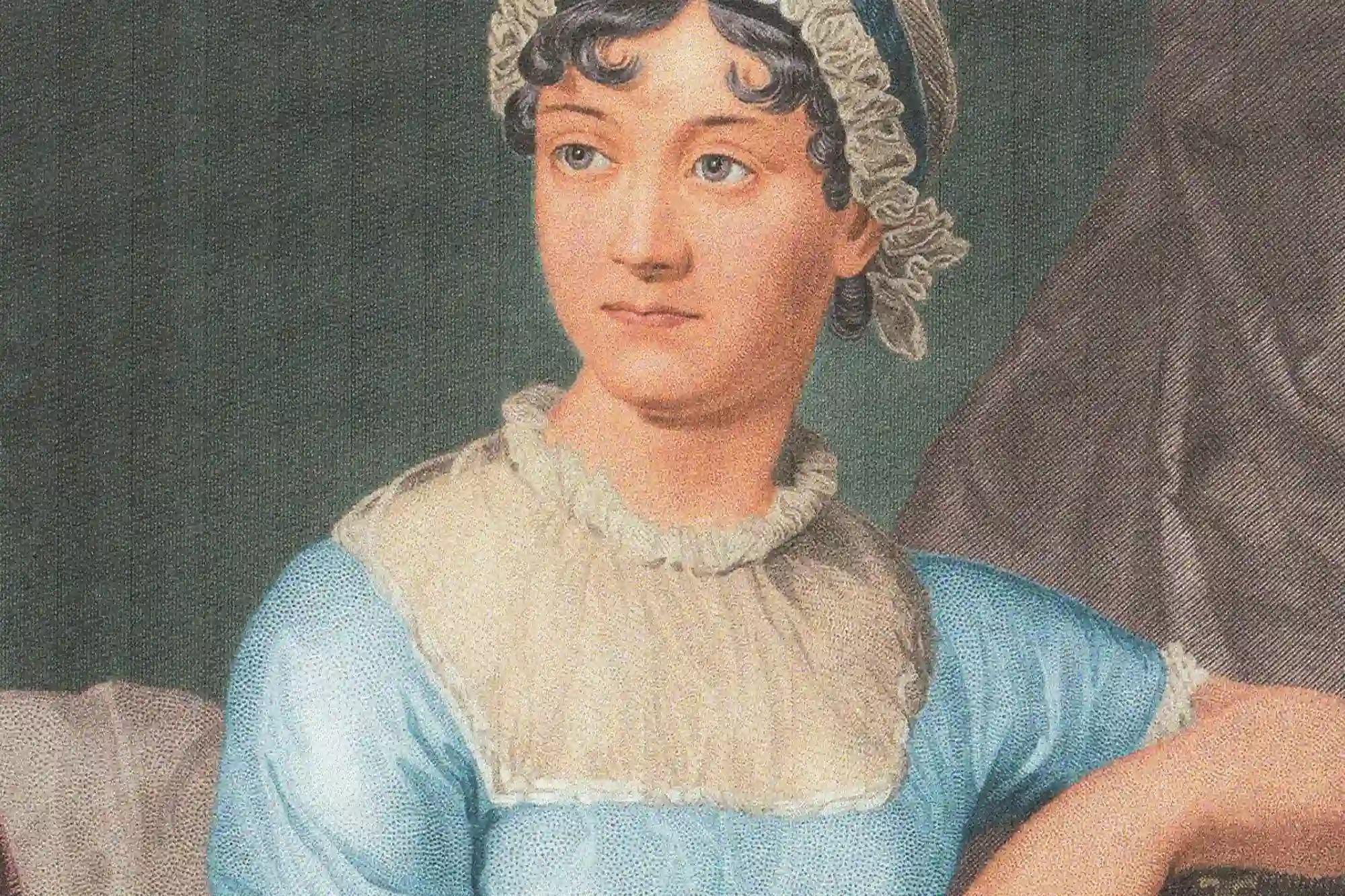
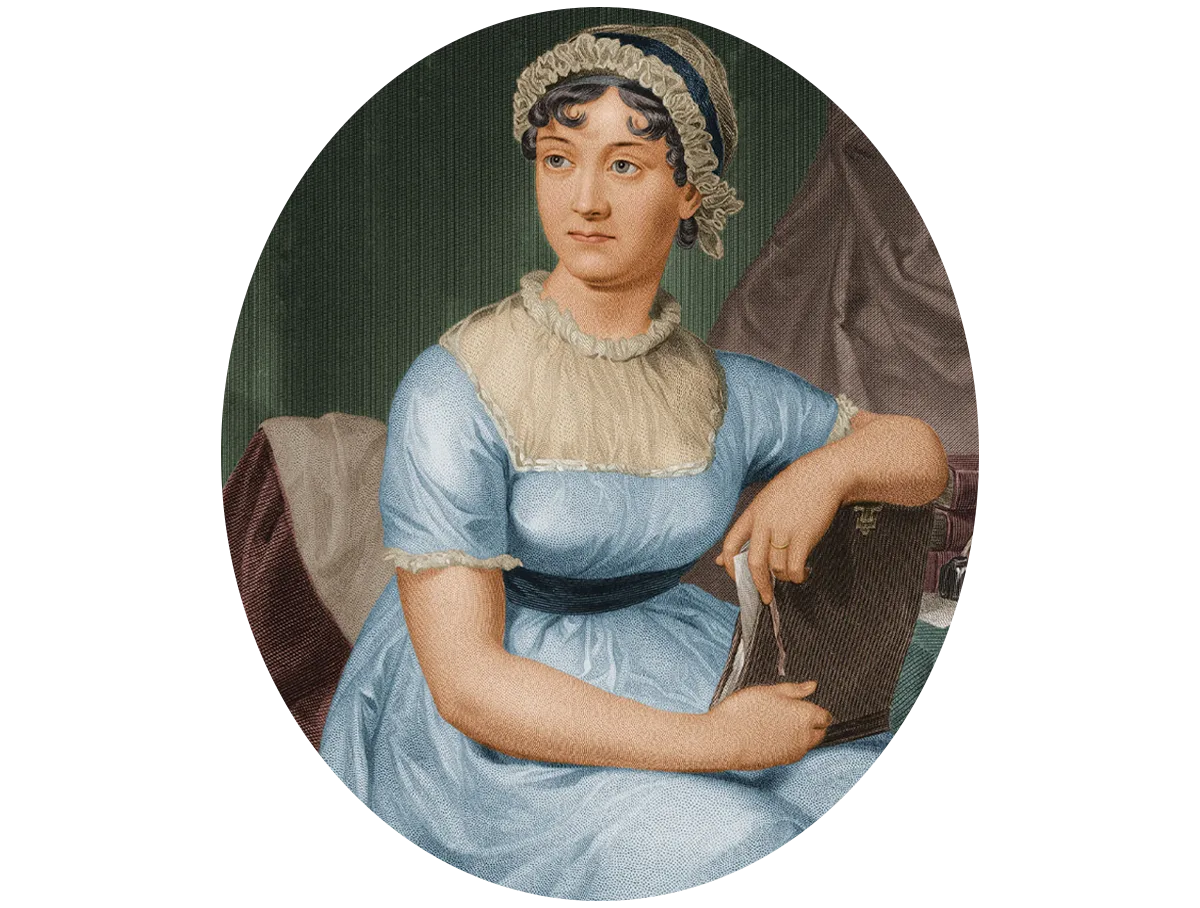
While Shelley wrestled with the existentialism of mere existence and creation, Austen (more explicitly) and the Brontës (more implicitly) were interested in the systems of oppression from their time, particularly those involving money, sex, and respectability politics. Austen takes a satirist’s approach. I mean, to open a novel with this ultimate banger: “It is a truth universally acknowledged, that a single man in possession of a good fortune, must be in want of a wife,” is genius. It’s cheeky, playful, and synthesizes a scathing critique of Austen’s early 19th-century English gentry time period.
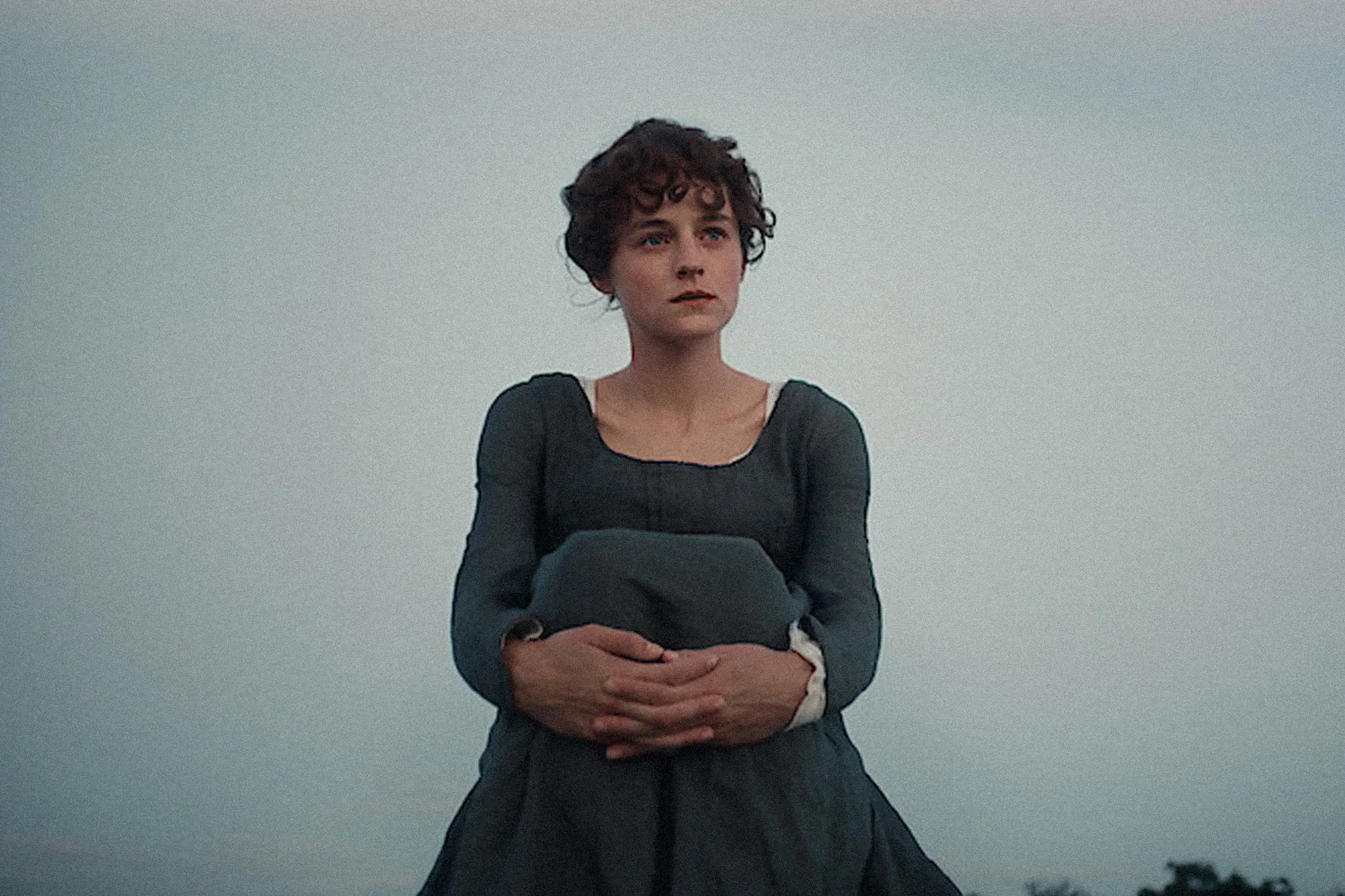
Two of Austen’s novels return to the screen this year — Netflix’s Pride and Prejudice, a miniseries starring Emma Corrin and written by Everything I Know About Love author Dolly Alderton, and Focus Features’ Sense and Sensibility, starring Daisy Edgar-Jones and directed by Georgia Oakley.
Austen’s portrayal of romantic love, partnership and familial dynamics are all generous, and I believe, especially when it comes to her novels read as love stories, sincere. But the broader scope of her work isn’t about love and connection, it’s the reality that the systems by which women must navigate an economy of love are, frankly, insulting and, in less refined language, just plain stupid.
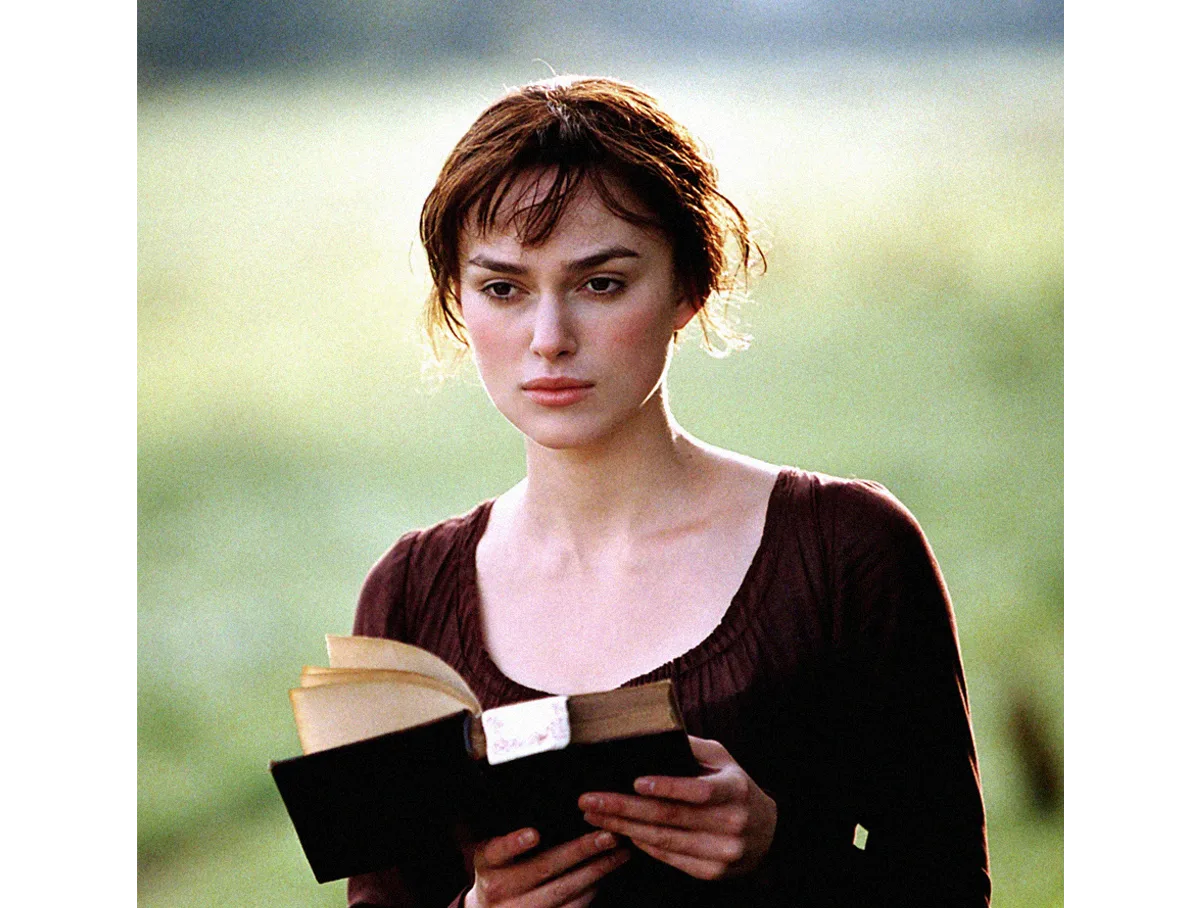
Darcy’s own qualifications for such a woman remind me of the inordinate pressures women put upon themselves to begin with, reinforced by a patriarchally bent mainstream culture. “I am no longer surprised at your knowing only six accomplished women. I rather wonder at your knowing any,” Elizabeth Bennet says, slapping a book closed in the 2005 film adaptation as if to put a period on Darcy’s insistence that a woman improve her mind by extensive reading.
It’s a small example in a novel rife with idiosyncratic explorations on what “females” ought to do, be, say, among other qualities. And yet we have our heroine: Elizabeth, who stands against these norms. A “headstrong, obstinate girl,” Austen’s protagonist serves as a reminder to demand more, to insist a man just be better. (A novel concept, am I right?)
With the example of Pride and Prejudice alone, I could go on, dispelling the insistence the novel is a love story and entreating instead how prescient Austen’s seminal work, and her other novels are. Just consider the potential impact of the SAVE Act on married women’s right to vote—which sits on the senate floor as we speak. Need I say more?
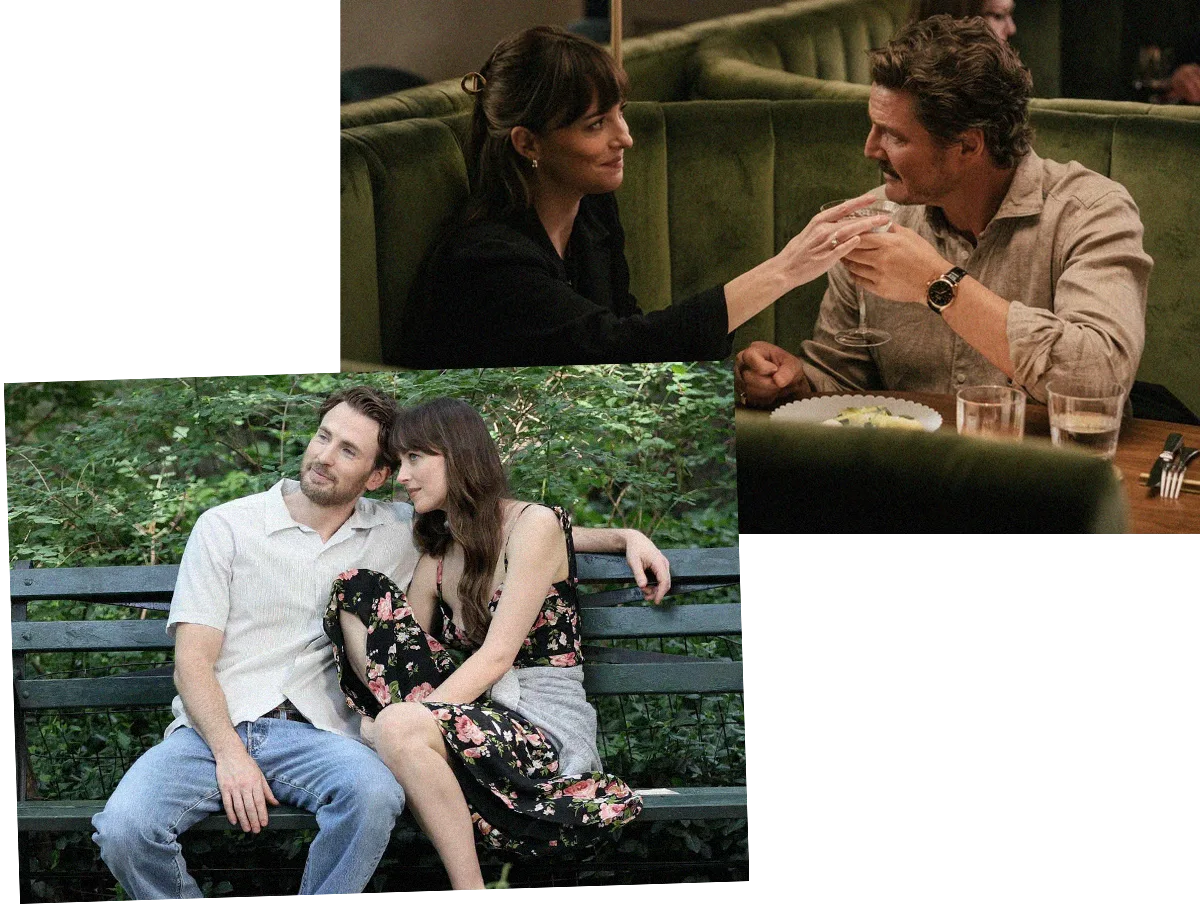
Celine Song tried to capture the modern tension of the marriage market in 2025’s Materialists, but something felt off. The thesis statement of the film was right there: marriage is a business, but love has to be on the table. It’s a reality of our time, but the sincerity of Austen’s work, its deep-seated, lived in realities are more sticky than that.
Really, we could all take a lesson from Charlotte Lucas’ own declaration in the novel, synthesized memorably in the 2005 Joe Wright film adaptation: “I’m 27 years old, I’ve no money and no prospects. I’m already a burden to my parents. And I’m frightened.”
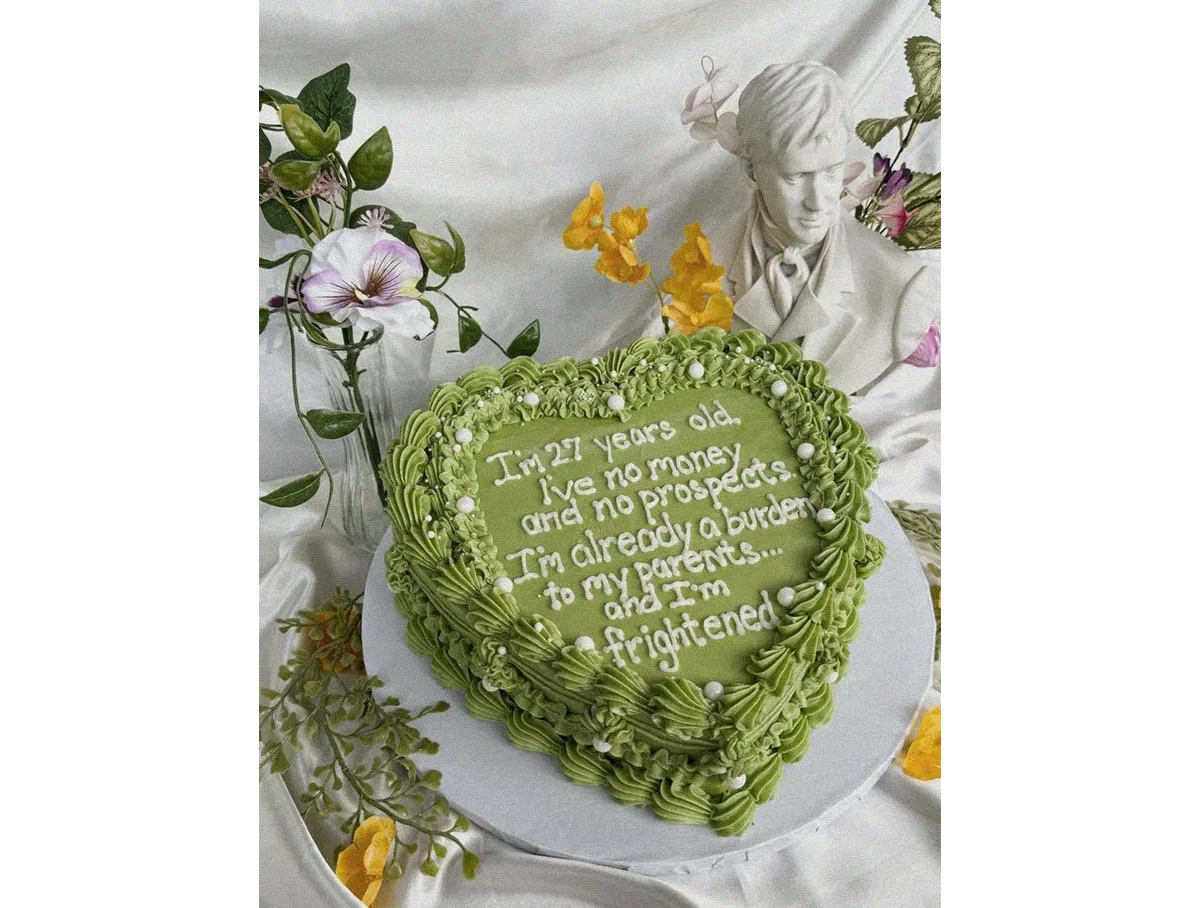
At 27 years old, I too had little money, felt like I’d no prospects and was more of an anxiety for, than a burden to my parents. And I was still frightened. Frightened of a world I wasn’t raised to succeed in, too expensive, with a dating pool that was gamefied. What will it be this week? Buying drinks for myself and my romantic partner, or affording that prescription my insurance won’t cover? The decision might as well rest on the flip of a coin.
Little has changed four years later. Now, at 31, I’m navigating a world where retrograde conceptions of gendered roles and dynamics are starting to feel more suited to Austen’s time than my own.
Perhaps, though, that is the very reason we keep going back to her work, and why adaptations by Austen, the Brontës, and Shelley persist. In 2026, women still navigate an economized world that, the cultural anxiety of the time, would rather see women in their place playing constructed roles than denying any supposed “natural order” of things.
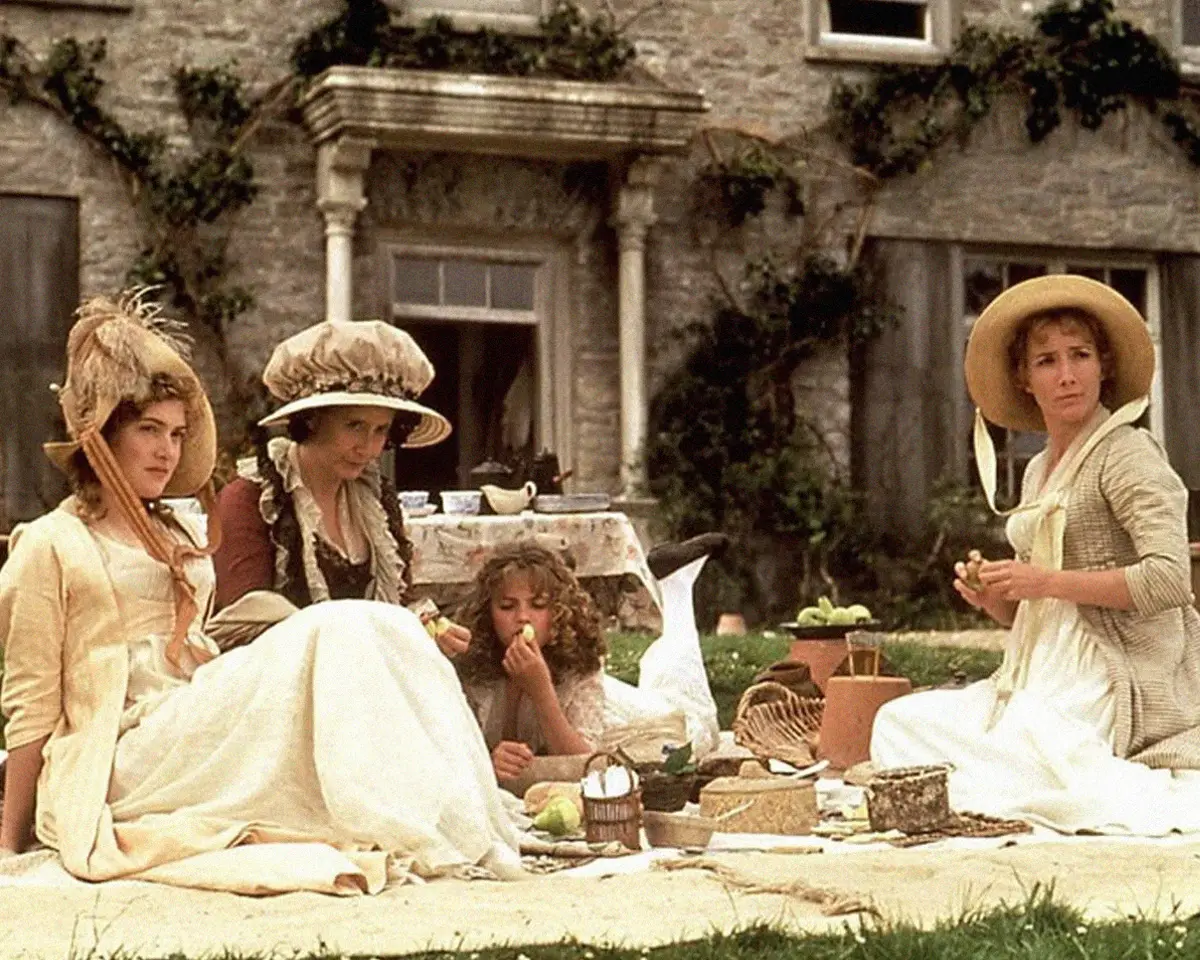
I think on Anne Elliot’s ascension in Austen’s Persuasion: “I hate to hear you talking so like a fine gentleman, and as if women were all fine ladies, instead of rational creatures. We none of us expect to be in smooth water all our days.”
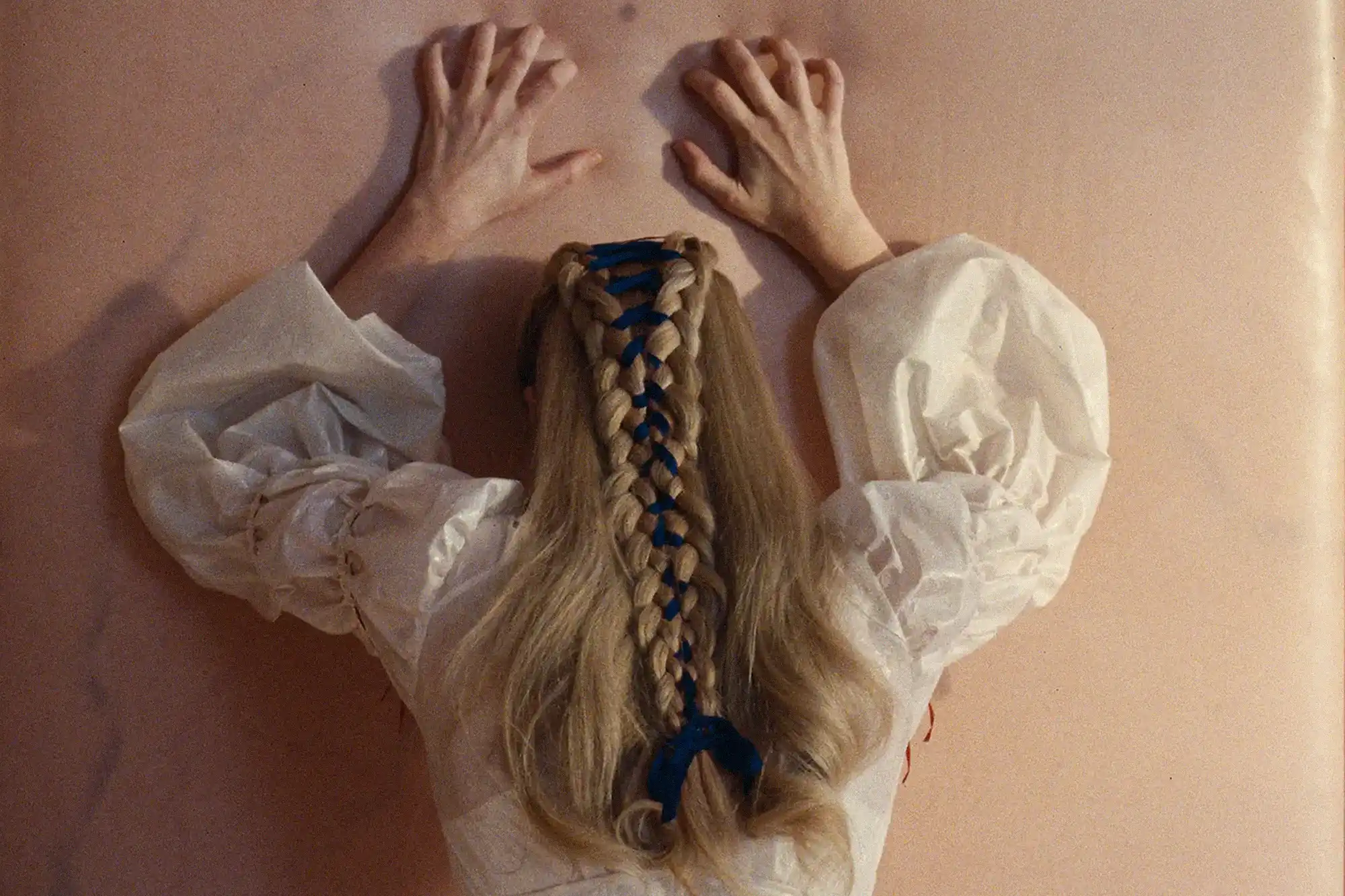
Perhaps that’s the reason these authors, and the characters they wrote, feel still psychologically true more than 200 years later. We’re still coping with and confronted by the unfairness and cruelty of the world. We’re the protagonists of our own stories and yet the books in which those stories are written seem allergic to any more Elizabeth Bennets or Dashwood sisters. The world feels more suited to accept women as Jane Eyres in all their “poor, obscure, plain and little” selves, rather than embrace her individualism and integrity as she does in the novel, complex though that journey reads. Despite its fan-fictionalized, hypersexual, and perverted adaptation, perhaps there’s something 2026’s Wuthering Heights unearths on the moors of Emily Brontë’s source material—characters who are base and cruel and ultimately the unfortunate byproducts of an even more callous world.
These ramblings bring me back to Baldwin and his observation about the pain and heartbreak experienced in our world 2026, how unprecedented it feels. And yet, these novels capture those same anxieties. Perhaps the connections aren’t as strongly tethered to the contemporary, but those ideas are there. Women still muddle through propriety and cultural shifts with a burdened anxiety. I know, I feel it. It’s there on the page.