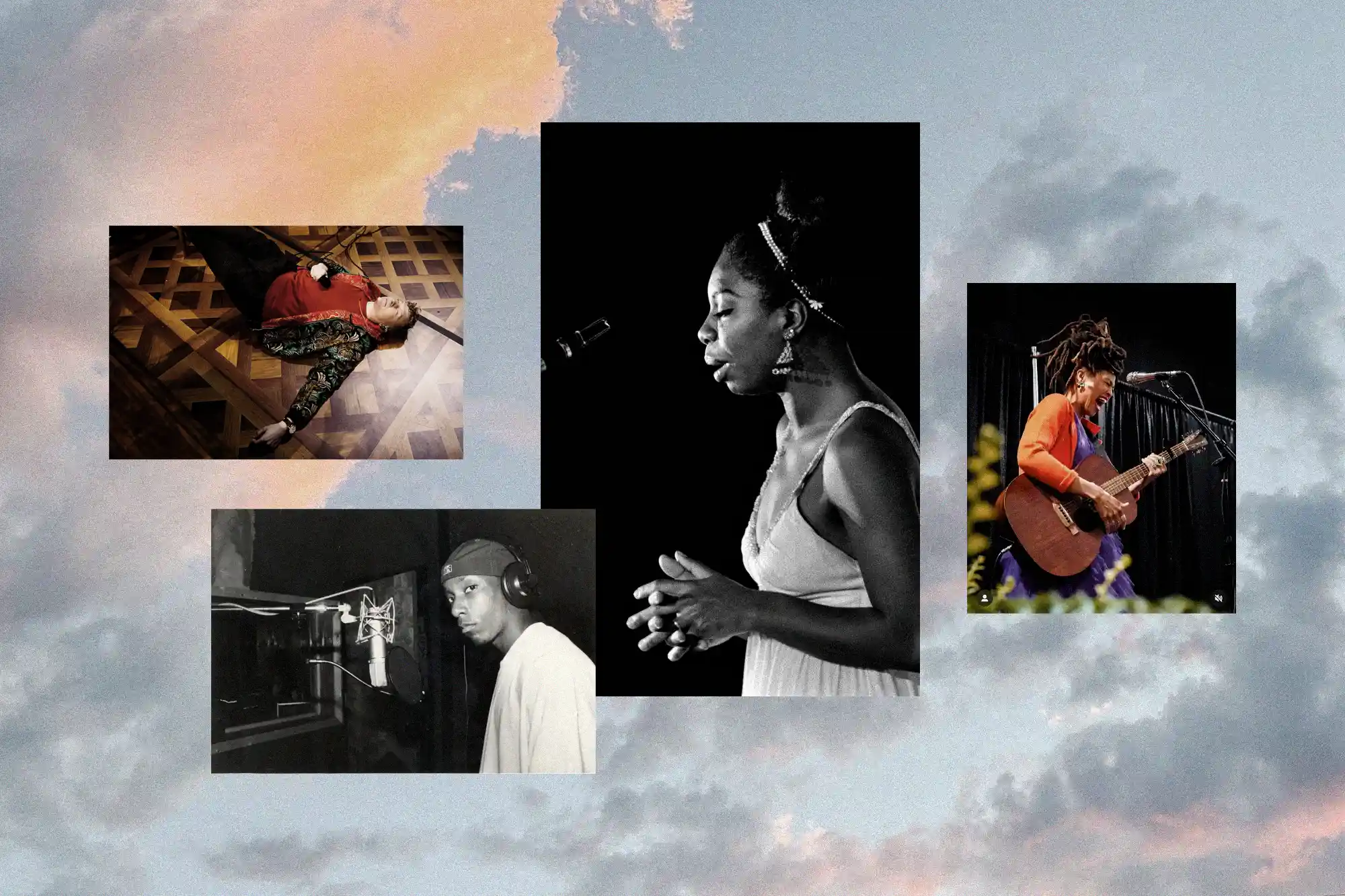
Good poetry is more than merely beautiful. It is transformative. It steadies us through hard hours, voices our struggles, and moves us to act. That’s why we keep returning to it in uncertain times, ours included: a poignant sentence set to rhythm can do what an argument cannot.
Most people don’t encounter poetry on a page anymore. Ask someone when they last read a poem and you’ll get a pause; ask for a line from a song that stayed with them and they’ll have one ready. That isn’t poetry in decline so much as on the move. Poetry travels now most often through speakers–headphones on the morning train, car radios, Spotify playing from the TV–carried by voice and music together.
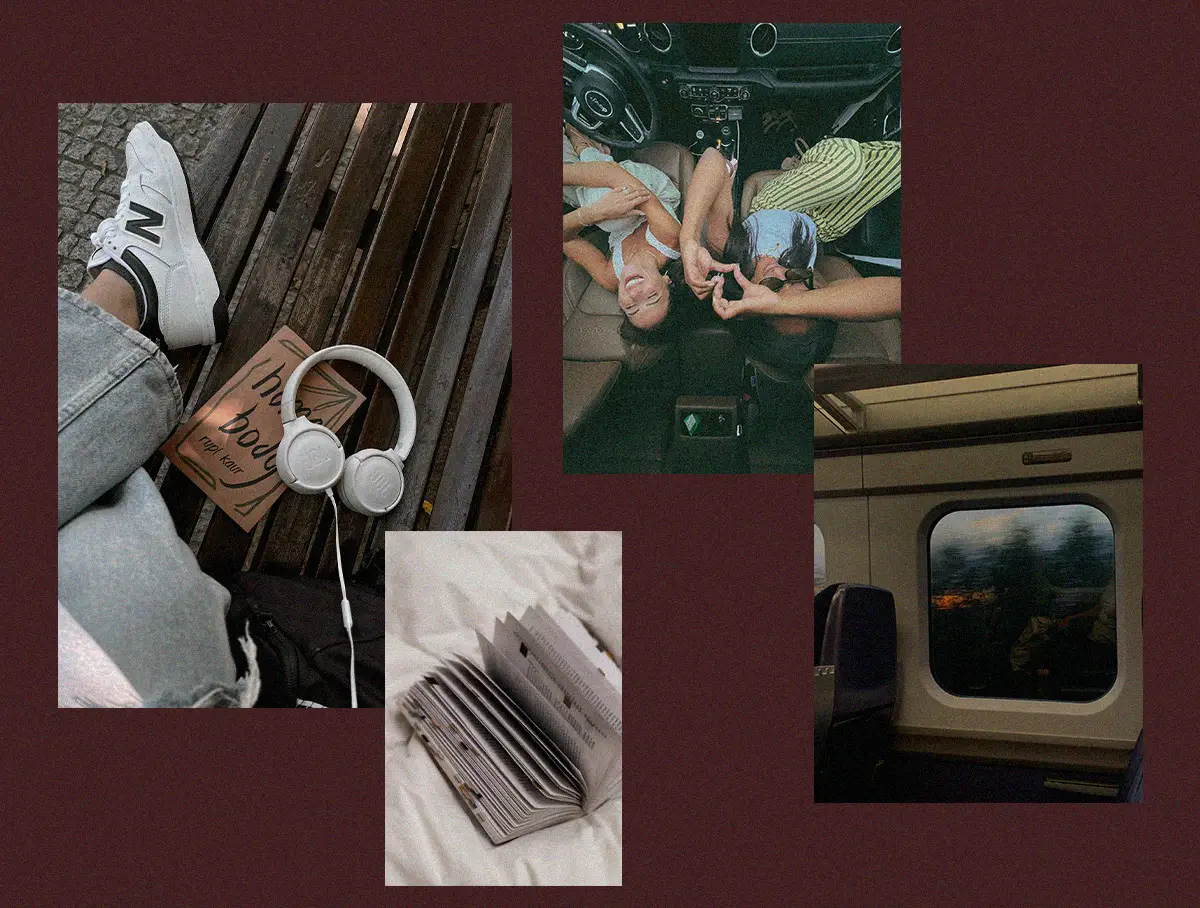
If poetry is the art of giving language and flow to our daily strife—and, when it must, to our calls to action—much of that work now belongs to the singer-songwriter. She is the people’s poet. Her voice meets us where we are and says what the moment requires.
That voice moves along a continuum. At one end is overt protest song, which denounces oppression and aspires to move the listener to act. At the other is the quieter tradition of storytelling–the song that gives voice to the plight of ordinary people, describes a life shaped by those same oppressive forces without naming them, and lets the details layer on until a bigger picture emerges. These are not opposing modes, but two forms of political expression–battle cry at one end, testimony at the other.
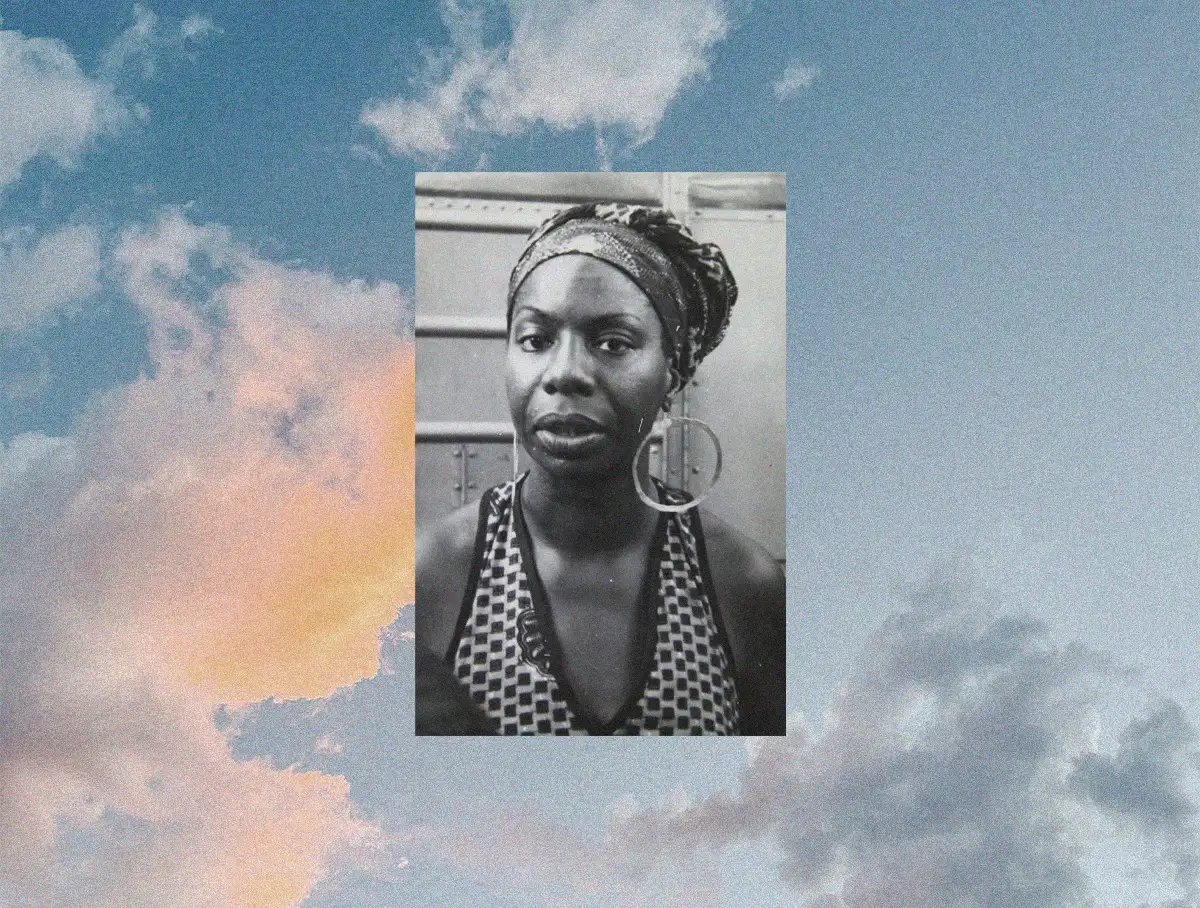
Nina Simone could do both like no one else. “Mississippi Goddam” is protest at its pitch. She wrote it in a fever after the murder of Medgar Evers and the bombing of the 16th Street Baptist Church. She names, she accuses, she confronts. She pounds the piano. Her “Four Women” is the other kind of song. Four Black women speak from inside lives shaped by slavery, colorism, sexual violence, and rage–and none of those words appear anywhere in the lyrics.
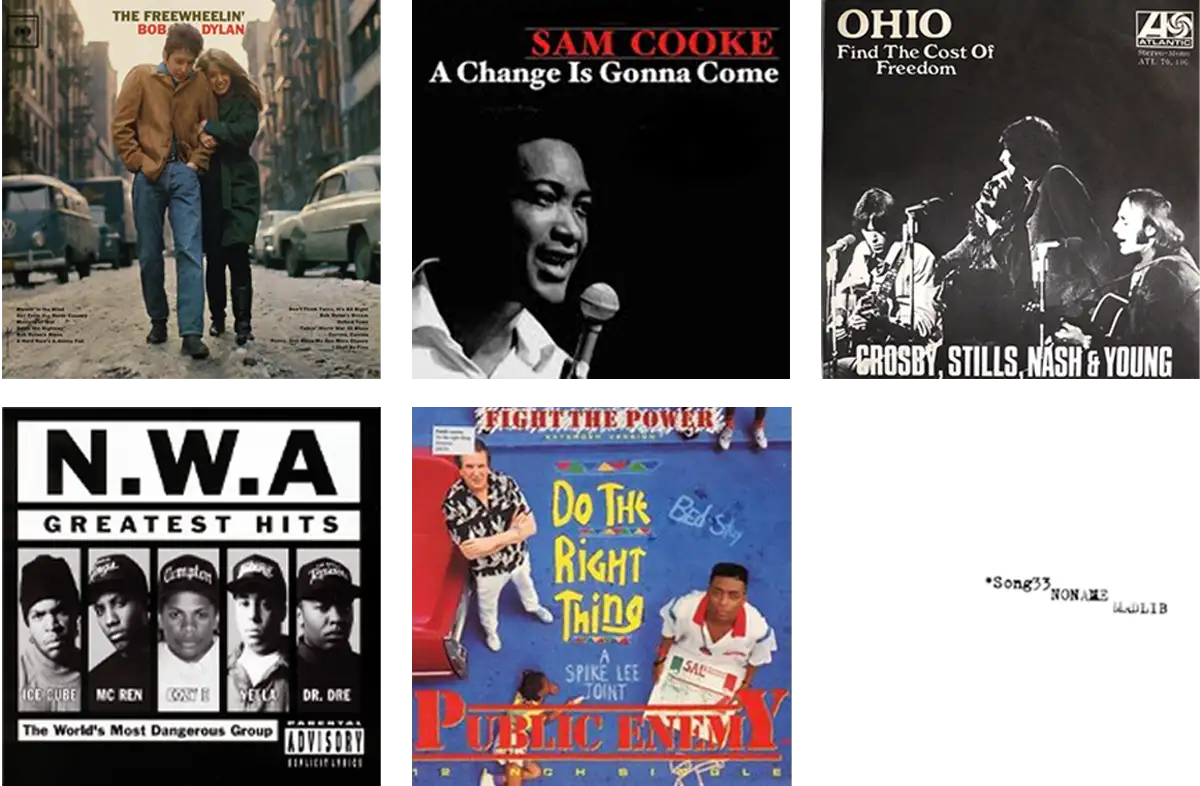
Overt protest songs of the voltage and musical strength of “Mississippi Goddam” are rare, but they tend to surface at moments of high pressure. That is why the 1960s and early 1970s–years of Cold War escalation, the Civil Rights Movement, and the Vietnam War–produced some of the finest examples of the genre, from Bob Dylan’s “Masters of War” to Sam Cooke’s “A Change Is Gonna Come” to Crosby, Stills, Nash & Young’s “Ohio.” And also, why the 1980s and 1990s saw a thematic change to police brutality with songs such as N.W.A’s “F*ck tha Police,” Public Enemy’s “Fight the Power,” and Rage Against the Machine’s “Killing in the Name.” It’s no surprise that our troubled present moment is producing its own. A striking example is Noname’s “Song 33,” a direct response to the 2020 disappearance and murder of 19-year-old activist Toyin Salau and a call for greater urgency and clarity from fellow artists.
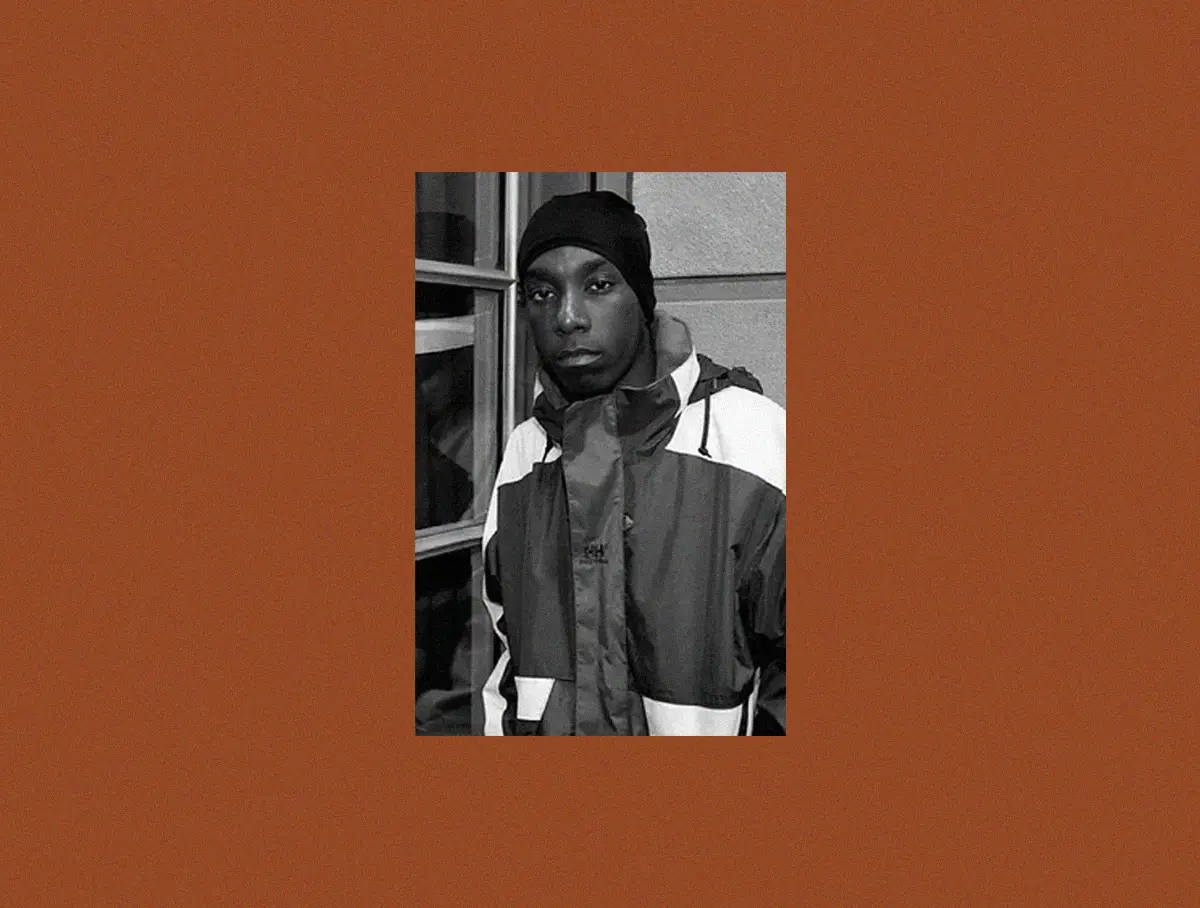
The testimony song takes a different form. There is nothing overtly political about it. It names no policy, no party, no event. And yet it is difficult to hear it without sensing the pressure of a life defined by all three. Within the urban Black experience, one can hear this pressure most painfully in Big L’s “How Will I Make It.” It’s a rhetorical question, answered bluntly: “I won’t–that’s how.” It’s a first-person account of a life deprived of opportunity, from childhood through time in and out of jail. “Either I’ma go back to jail or get murdered,” Big L raps. He was murdered in Harlem in 1999. The track is raw and it’s hard to look away.
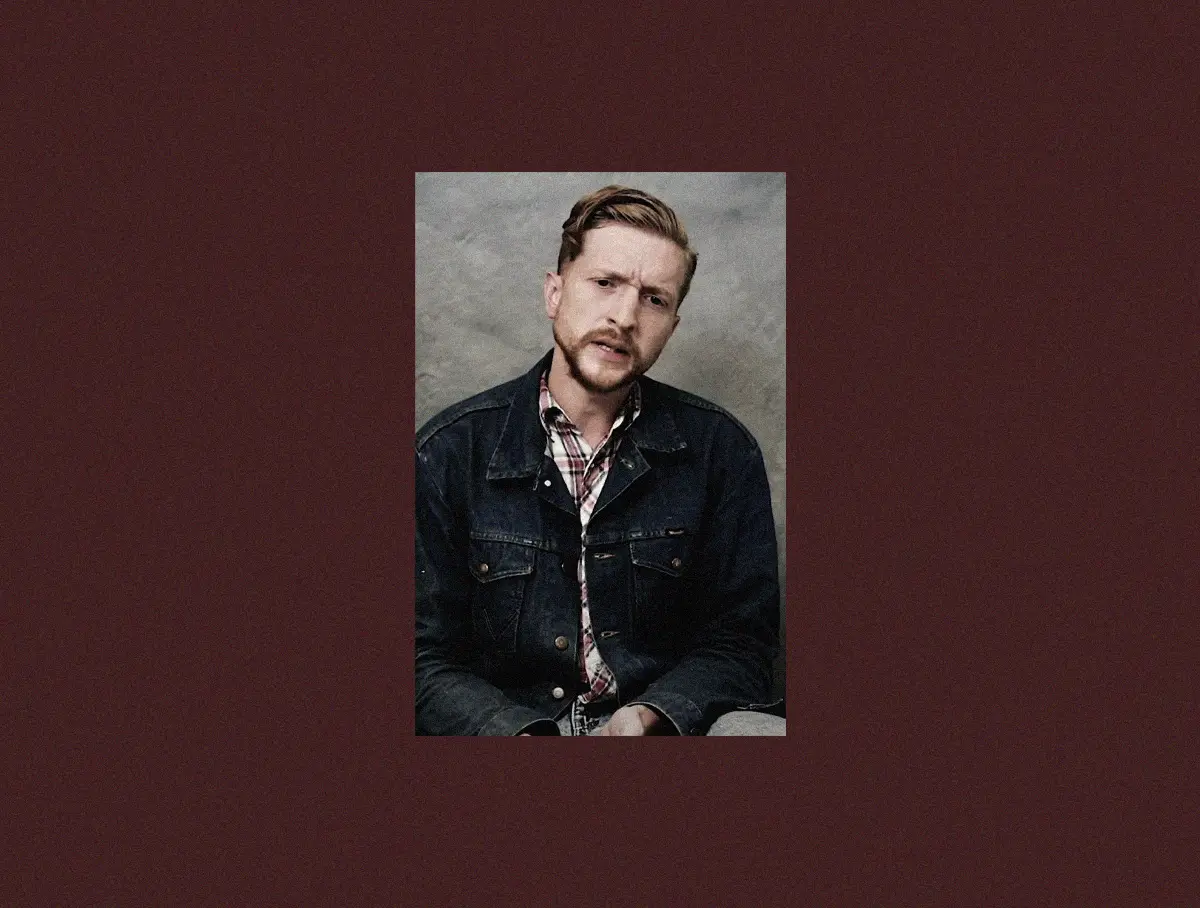
A counterpart to this rawness from rural America is Tyler Childers’ “Nose On the Grindstone.” A father’s warning to a son—work hard, be good, keep off the pills. Co-written by Childers with his father, the song is a portrait of the opioid crisis that has ravaged Appalachia and much of the deindustrialized heartland, and an exhortation to break the cycle of addiction.
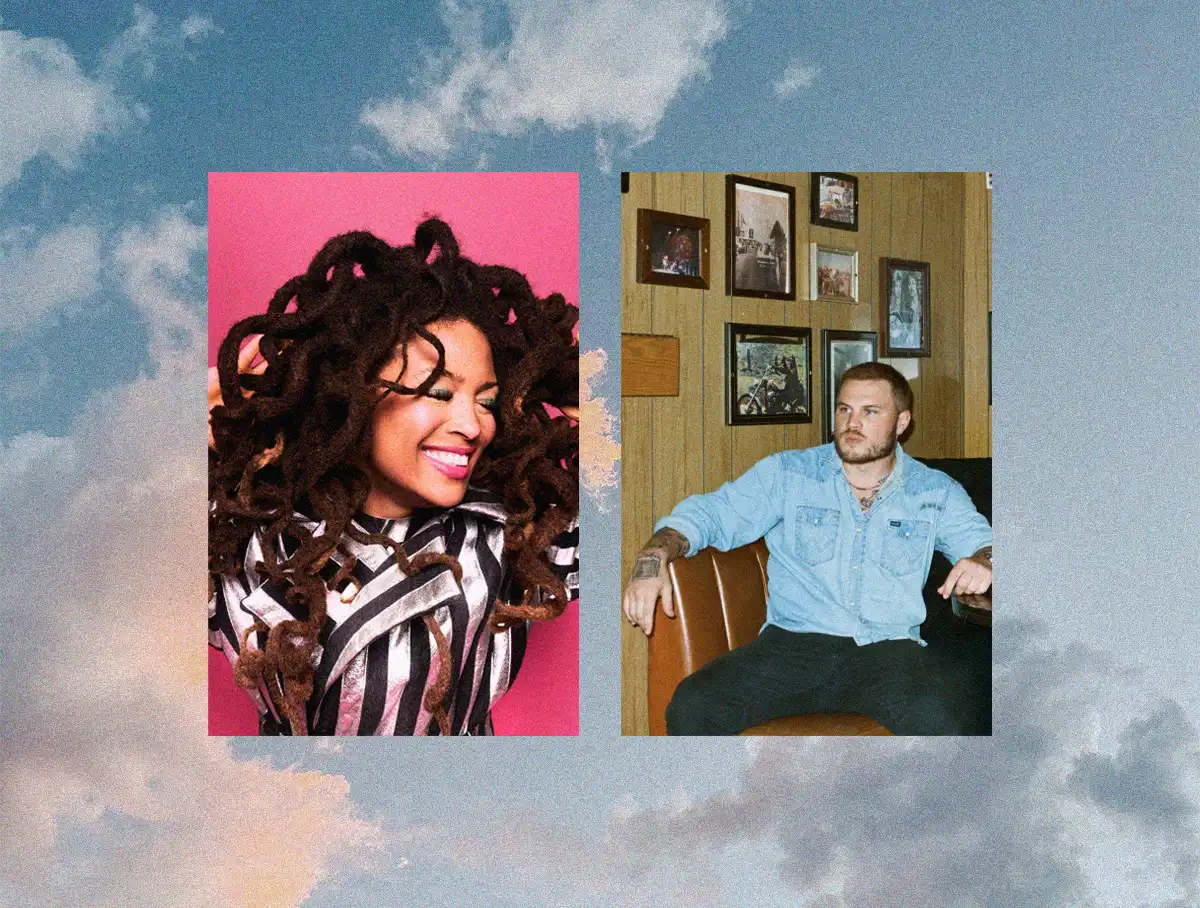
But more often, the theme of the singer-songwriter is a more restrained and even sweet picture of the struggles of the working class. In “My Life is a Country Song,” Valerie June lays out that life plainly: married and divorced young, working constantly, still coming up short. There’s no insistence in the telling and no attempt to turn it into a point. The song moves lightly, but it doesn’t escape what it’s describing. Something similar can be heard in Zach Bryan’s “Bass Boat,” though the tone is rougher, less settled. He moves through memory, family, money, alcohol, and the feeling of never quite getting clear of where you come from without trying to resolve any of it.
Testimony songs don’t name what is wrong or call for anything to change. And yet their effect is no smaller than that of protest songs. If anything, it is harder to dismiss. A protest song can be argued with. A life’s story cannot. That is what so many singer-songwriters are doing all over the country. They are writing the record of who we are, one life at a time, and allowing us to imagine the lives of others as though they were our own, across distances most of us would not otherwise cross. Arguably, we have never needed this more than now, in our hyper-polarized moment. While poetry on the page will always have an audience, the radio has everyone. If you want to know where poetry has gone, it has gone there. If you want to hear your country, listen.