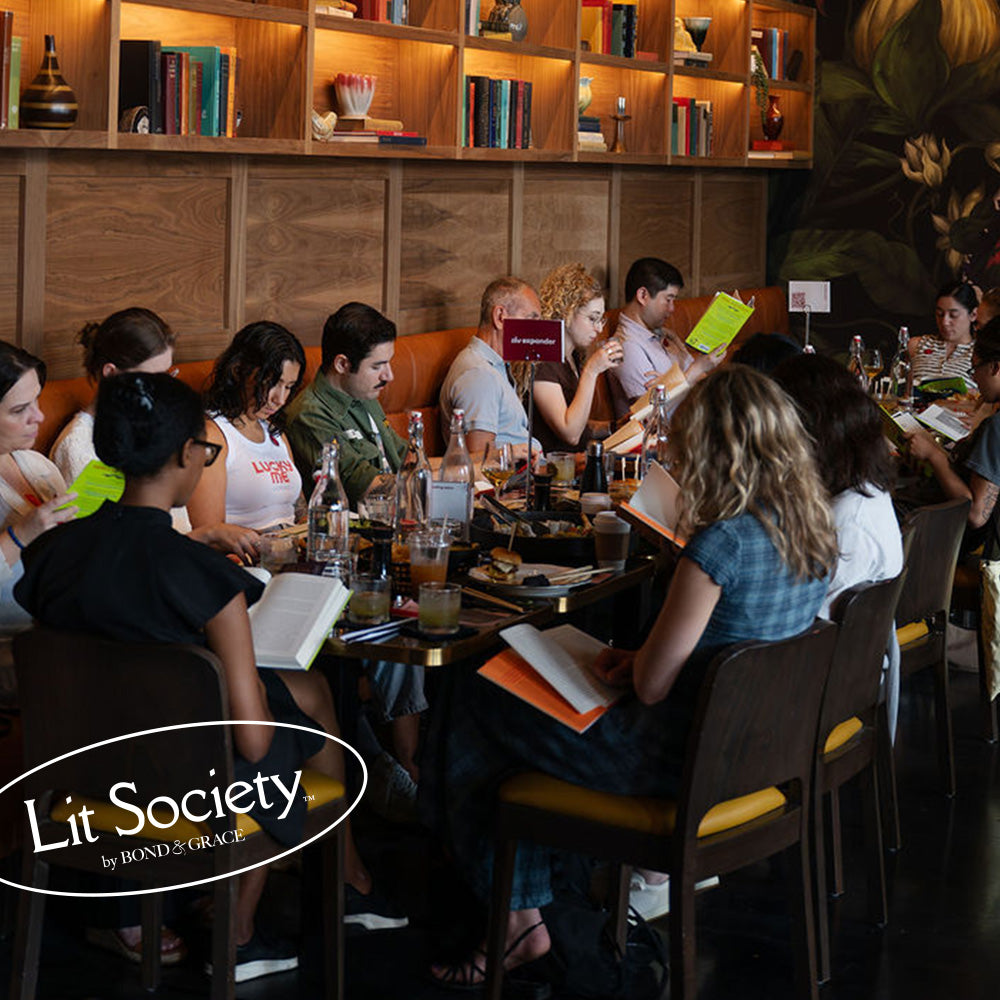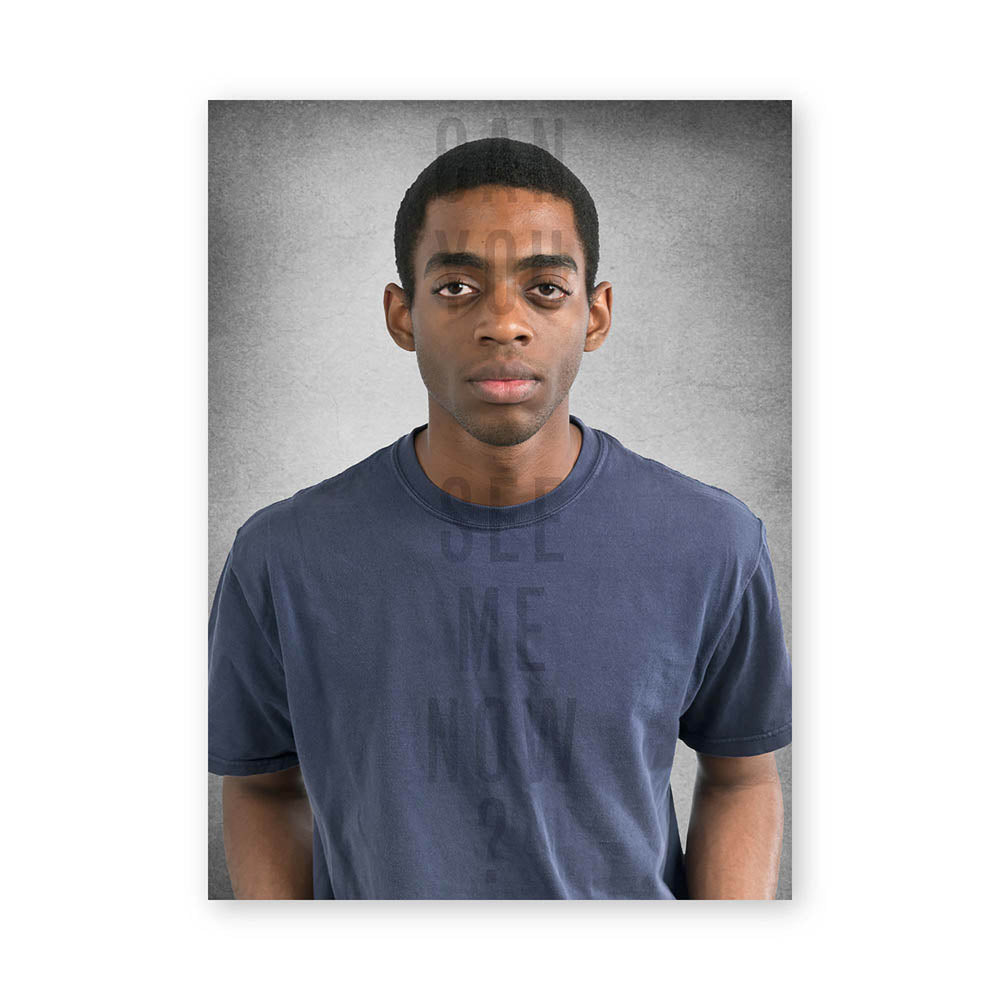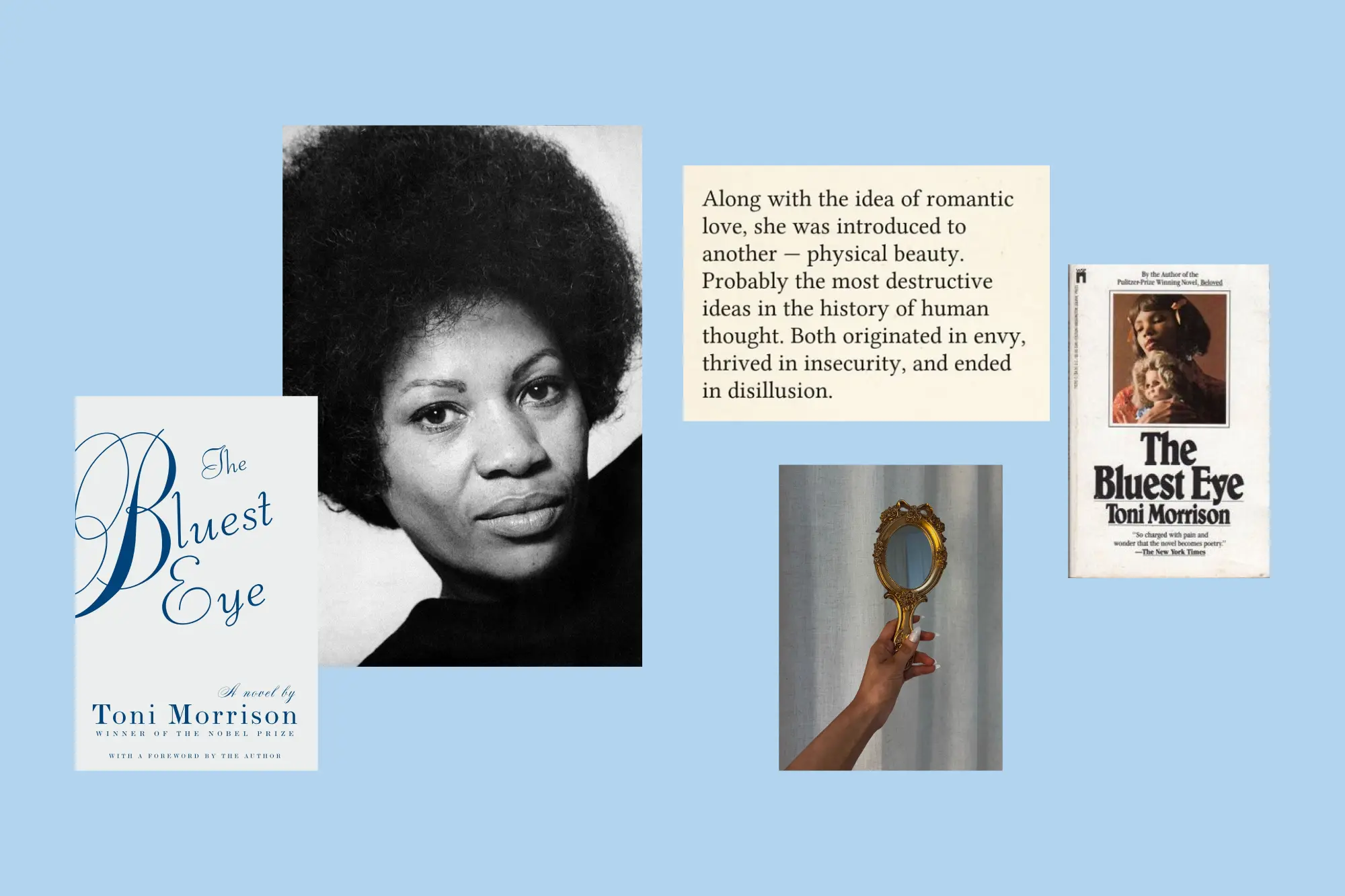
Our recent Lit Society mini lecture on Empire, Beauty, & The Bluest Eye began with a reintroduction to Toni Morrison, but, like the best literary discussions, it became about much more than her first novel. I invited my good friend and fellow English major Autumn Dunn to enrich the conversation with her deep knowledge of and fandom for Morrison. And, by way of a recommendation from the Texas Southern University English Department, Jaia Smith, a current TSU grad student and culture enthusiast, graced us with her presence as well.
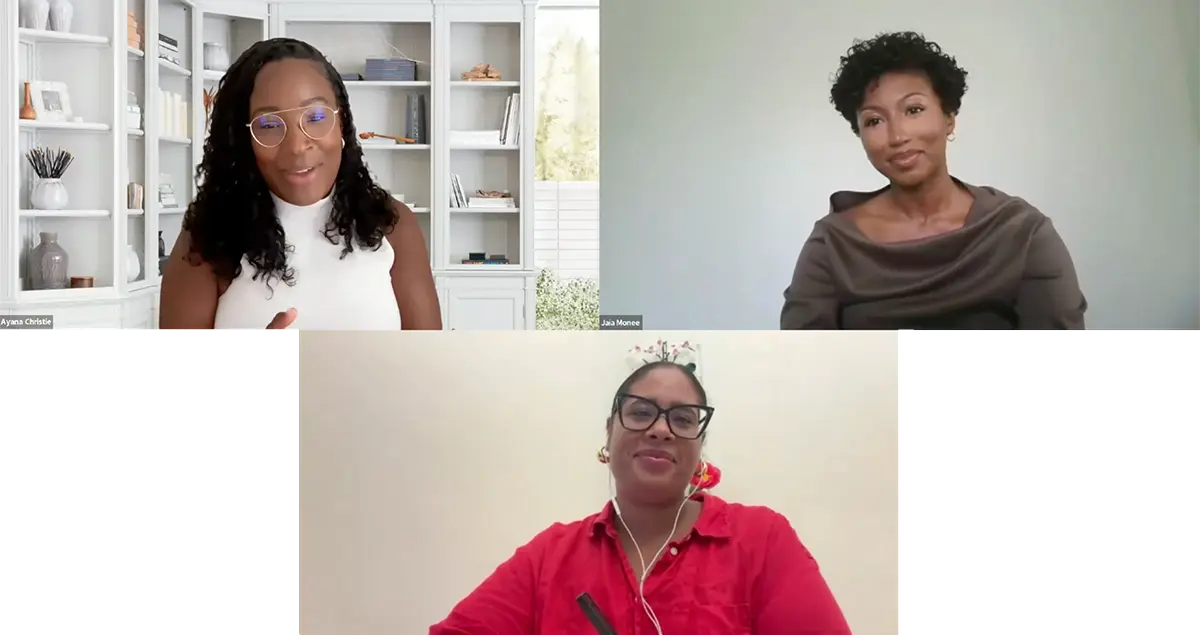
We dissected beauty not as an aesthetic ideal, but as a system. An empire we inherited as Black women and now choose how to surmount. In the world Morrison creates in The Bluest Eye, beauty determines who receives tenderness, whose home is deemed worthy, whose pain is believed, and who is allowed to imagine a future beyond the one they've inherited. Pecola Breedlove does not long for blue eyes because she desires a different face. She longs for the life she believes those eyes would unlock.
What makes that tragedy so enduring is that no one ever sits Pecola down and teaches her these lessons outright. They slip through the cracks of her life through Shirley Temple, Dick and Jane primers, candy wrappers, dolls, classrooms, movies, and the way adults choose who to hold close. By the time she is old enough to question the standard, she has already learned where she belongs within it. Morrison reminds us that culture is rarely taught through grand declarations. More often, it is absorbed in the layers. The whispers we think children miss. The double-takes they learn to interpret.
Now Pecola’s tragedy is not only about racism or beauty. It is also about care. Again and again, Morrison shows us moments where someone above the age of eleven could have interrupted the story—with protection, honesty, encouragement, even simple kindness—and chose not to. The novel begs us to consider whether the adults who shape children bear as much responsibility as the systems that shape them.
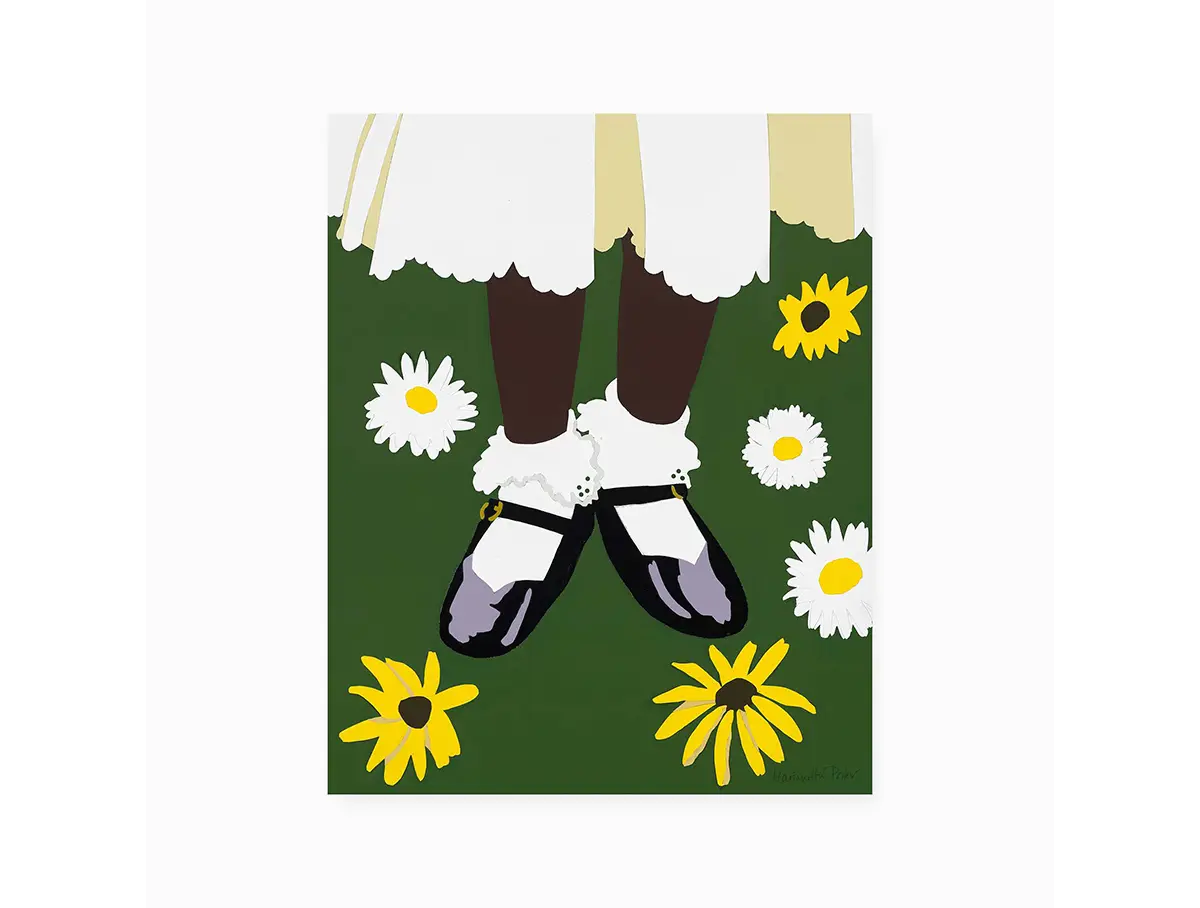
One of my favorite moments from the discussion came when Autumn reframed Claudia as the novel's hero. While Pecola internalizes the world's logic, Claudia instinctively resists it. Her destruction of the white baby doll is a deliberate act of rebellion against the intertwined forces of racism, capitalism, and sexism before she even has language to name them. She knows being given whiteness as a gift is a weapon and rejects it loudly. It is one of the novel's earliest reminders that resistance often begins as instinct before it becomes ideology.
Our "mini lecture" (really just a dinner table conversation that got really good) eventually moved beyond The Bluest Eye to something bigger: acknowledgment versus representation. We talked about how visibility alone has never guaranteed humanity. A Black character can appear on every screen and still exist only as a stereotype. Repeated enough, those portrayals begin to masquerade as truth when nothing more complete is allowed to exist alongside them. Morrison's work refuses that flattening. Her characters are contradictory, flawed, funny, cruel, tender, ordinary, and magnificent. In other words, fully human.
Perhaps the most interesting part of the lecture wasn't what we discussed regarding The Bluest Eye but what we learned about how and why to read Morrison.
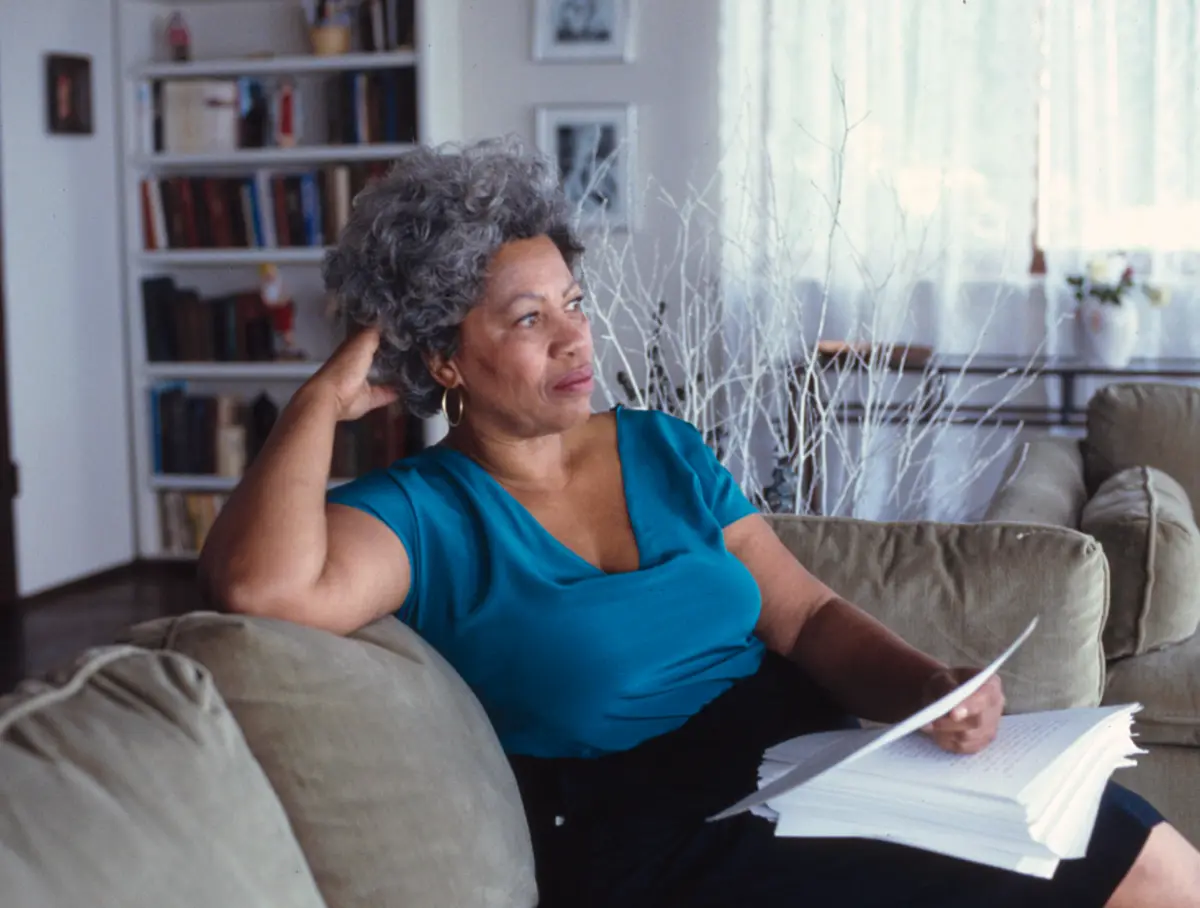
How to Read Toni Morrison
For anyone approaching Toni Morrison for the first time, there is often an unspoken anxiety: Am I prepared enough? Will I understand everything? Am I starting with the right book? By the end of our discussion, we realized those questions were all asking the wrong thing. The “right way” to read Morrison has nothing to do with mastery or intellect and everything to do with connection…
Begin with empathy, not interpretation.
Autumn reminded us that Morrison's characters are not cultural case studies. They are people. When Morrison encountered the historical account of Margaret Garner—an enslaved woman who killed her daughter to prevent her enslavement—she didn't ask, "Why would she do this?" Instead, she knew she had to write Beloved, the story of what happened to this woman that made those choices possible.
Be honest about why you're reading.
Jaia challenged us to examine our intentions before opening the first page. Are you reading because you've been told Morrison is essential? Are you searching for an explanation of Blackness? Or are you simply willing to encounter another person's interior world? Those questions matter because intention determines attention. It shapes what we notice… and what we miss.
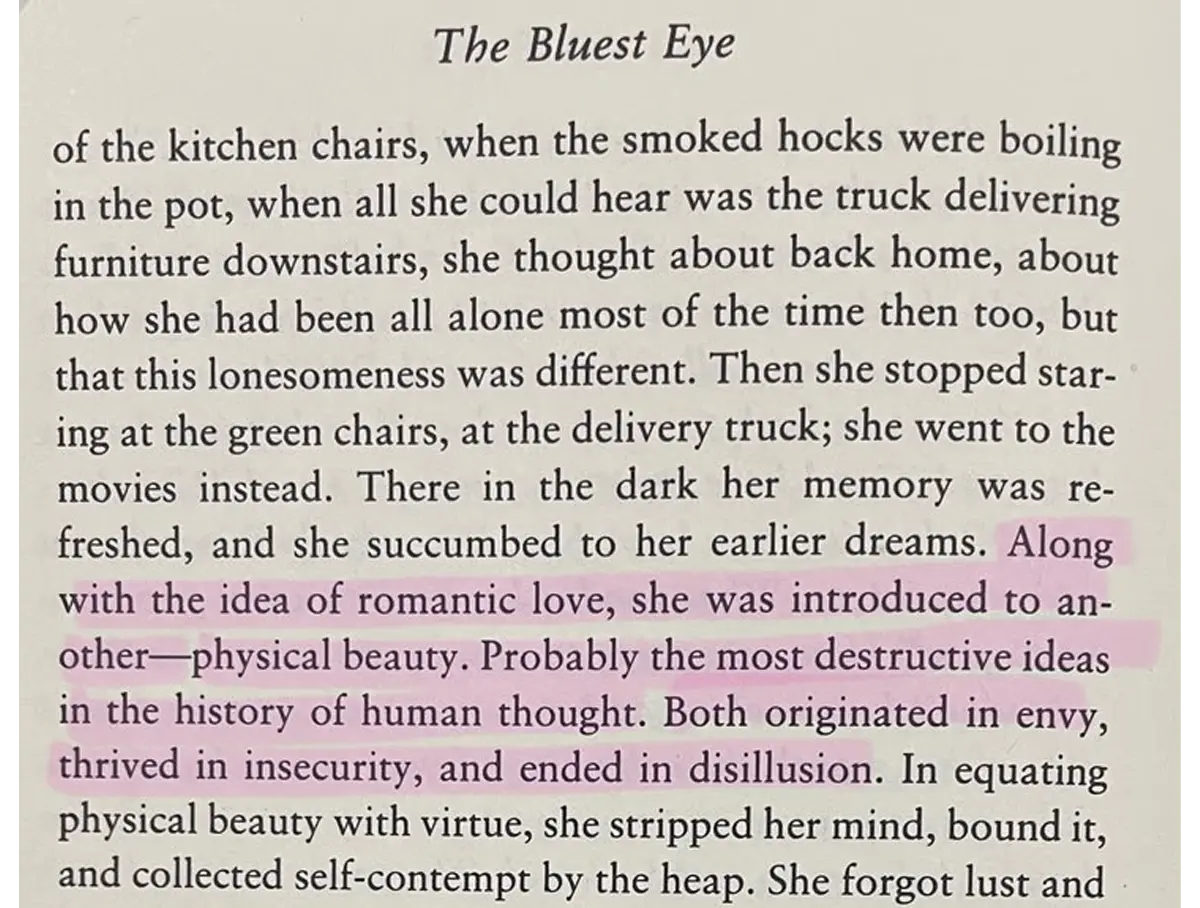
Don't expect everything to be translated.
We also talked about Morrison's reputation for being "difficult." I suggested that part of what readers experience as difficulty is actually unfamiliarity. Morrison refuses to write as though whiteness is the default audience. Some memories, language, and cultural references arrive without explanation. She exudes a confidence that puts Black life and language into the canon of modern American literature in a bold and obviously unforgettable way, proving that Black life need not pause and explain itself before it becomes literature.
Don't mistake discomfort for failure.
Jaia shared that she once put Song of Solomon down because parts of it felt overwhelmingly graphic. But then had to check herself and ask, “How dare I say that this is too much for me to know about?” When she returned, she realized the discomfort she felt reading those pages represented experiences someone else had actually lived. Avoiding difficult literature can sometimes be as harmful as distorting truth.
Your life is part of the text.
Perhaps my favorite takeaway was the reminder that you do not need a graduate seminar's worth of literary theory to appreciate Toni Morrison. Your lived experience matters. Your curiosity matters. Your emotional intelligence matters. A question surfaced from the community that resulted in a closing of pure gold:
Where should someone begin with Toni Morrison?
Our answer surprised even us. We dared not mandate a set pathway through Morrison’s eleven works. Instead we came up with a few guidelines that let you begin with the story that genuinely calls you. Toni Morrison didn't write for one kind of reader. She wrote for all of us. You simply have to find your door.
In true Lit Society fashion, we made you a little guide:
Also, Autumn recommended exploring the writers Morrison studied in her graduate work, particularly Virginia Woolf and William Faulkner. Morrison’s genius extends the Faulkner school of thought in how she approaches character, memory, and interiority.
- As I Lay Dying by William Faulkner
Recommended for its use of inner monologue and overlapping narrative techniques.
- The Sound and the Fury by William Faulkner
Recommended for its character development, interior voices, history, and memory.
If you'd like to watch the full conversation, the replay is waiting for members inside Lit Society, alongside more discussions where literature becomes a lens for culture, history, and the lives we're actively living. And I'd genuinely love to hear from you! Have you read Toni Morrison? Which novel opened the door for you? Or, if you haven't yet, did this conversation help you find where to begin? The discussion continues inside. We hope you’ll pull up a chair.