


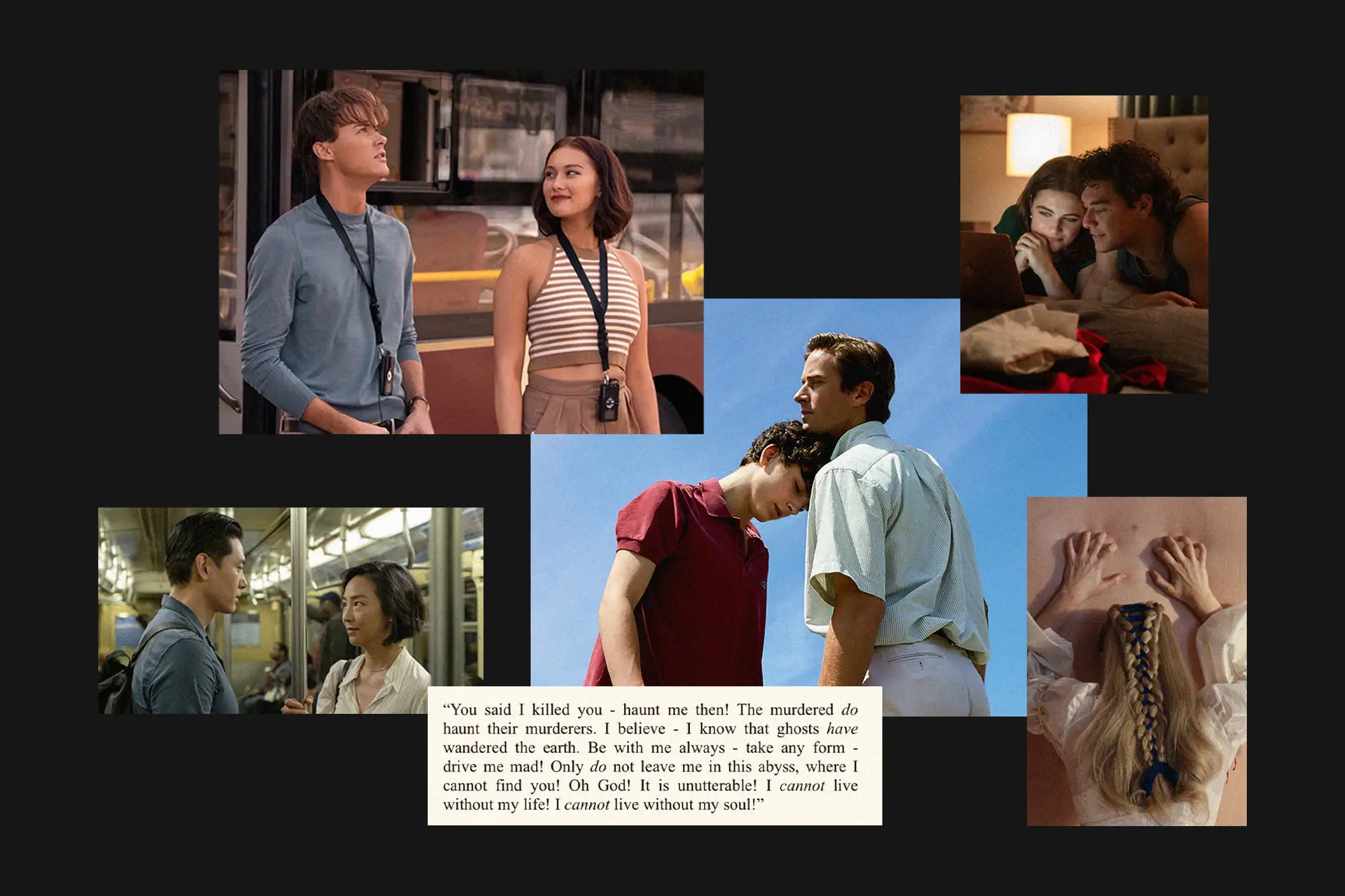
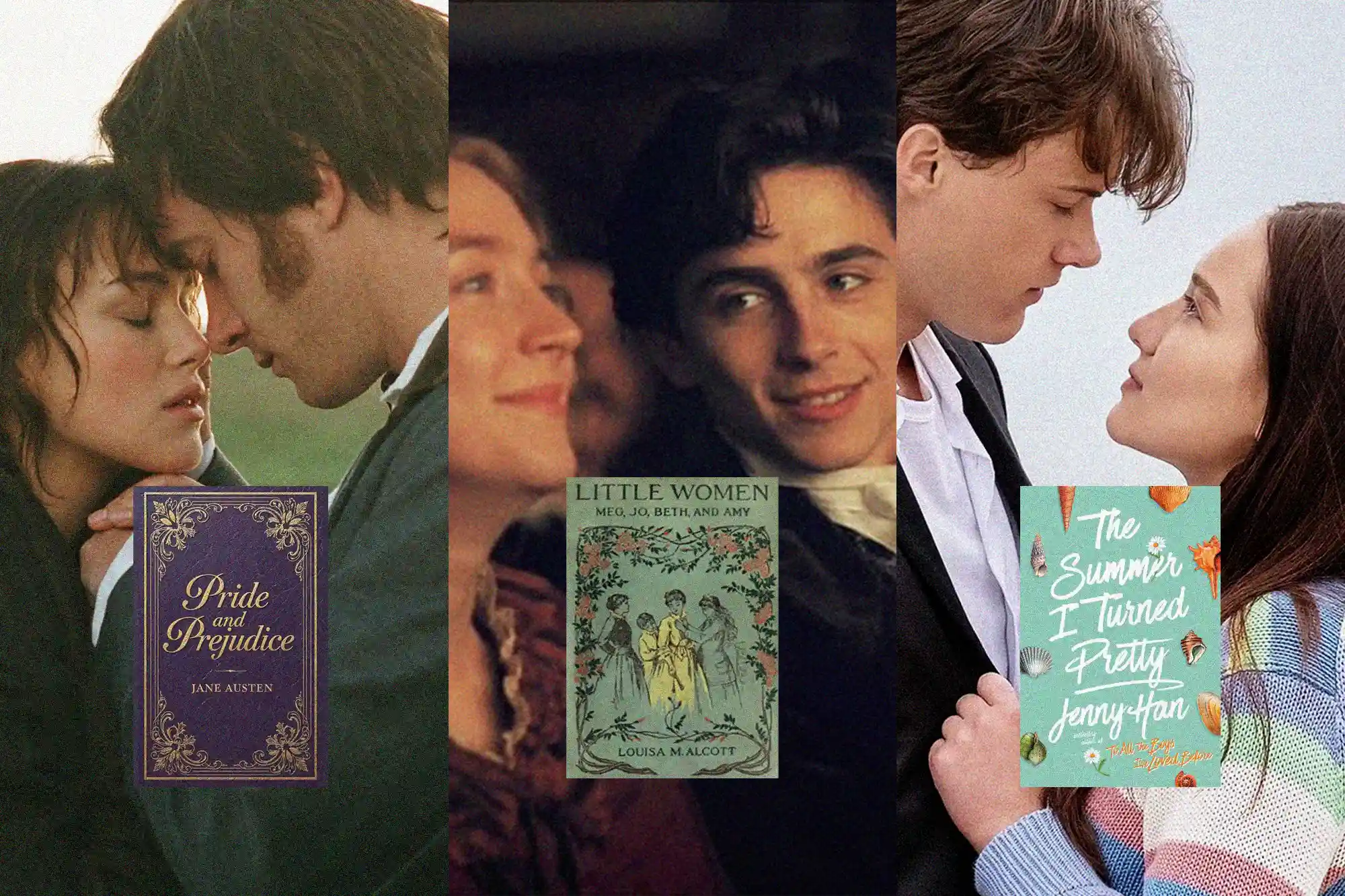
From Off Campus to Heated Rivalry, from The Summer I Turned Pretty to Wuthering Heights, romantic yearning seems to be everywhere right now. In this era of malaise and ambivalence, viewers want to feel and watch passionate relationships unfold on screen. They want wistful gazes, imperfect communication, and that all-consuming feeling that this person is everything to the protagonist. All of that is what makes us human, after all—and those deep, sometimes dark emotions are increasingly what entertainment wants to showcase in an age shaped by AI. But wanting someone so badly can either be the most romantic thing in the world or completely terrifying.
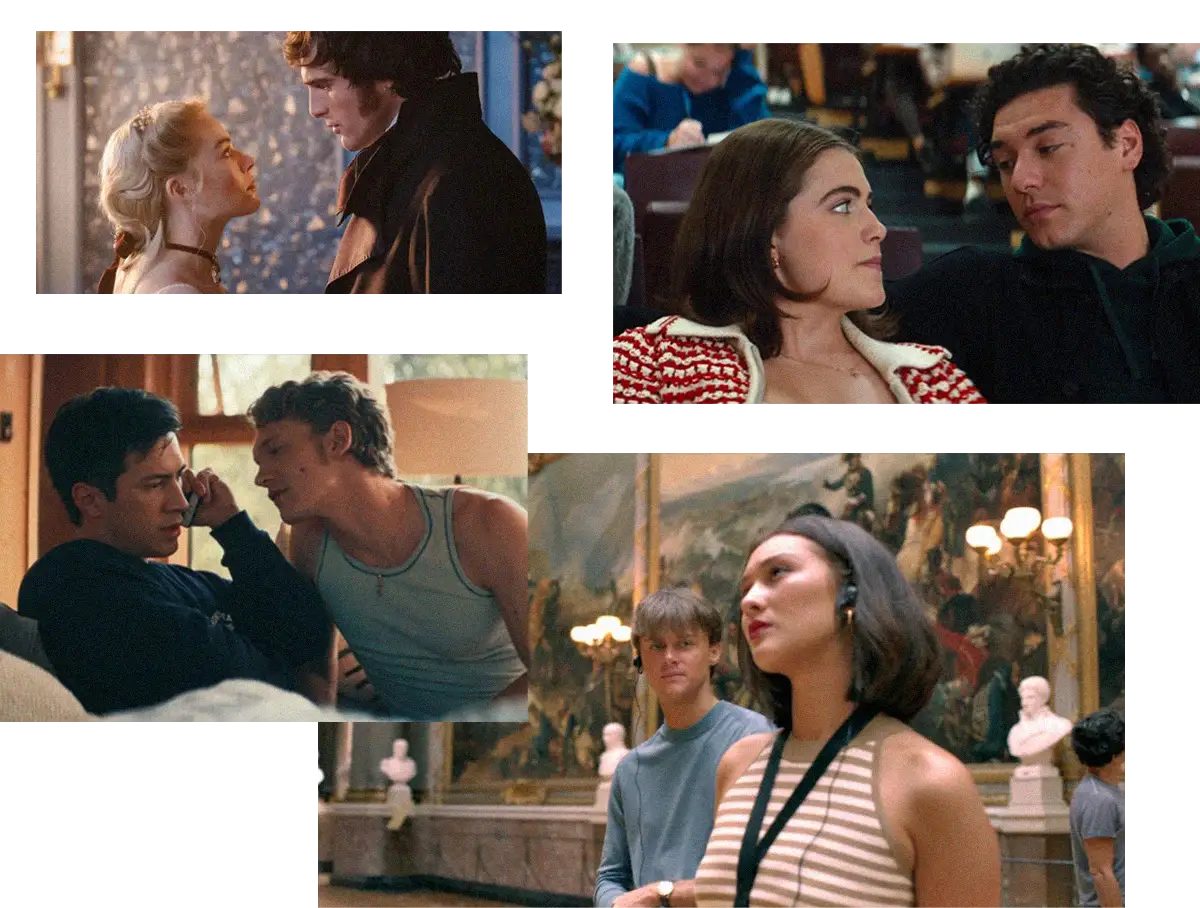
The spectrum of yearning is wide, ranging from endings bathed in sunshine and kisses to those that veer close to death. Yearning can turn into pathological obsession depending on whether those feelings are reciprocated. To explore that fascination, I’m tracing the spectrum of yearning through cinema, from “almost” romances to its darker flip side. Google search interest in the term “yearning” may have almost tripled over the past year, but our human desire to love what we can’t have has been explored in cinema since film became mainstream.
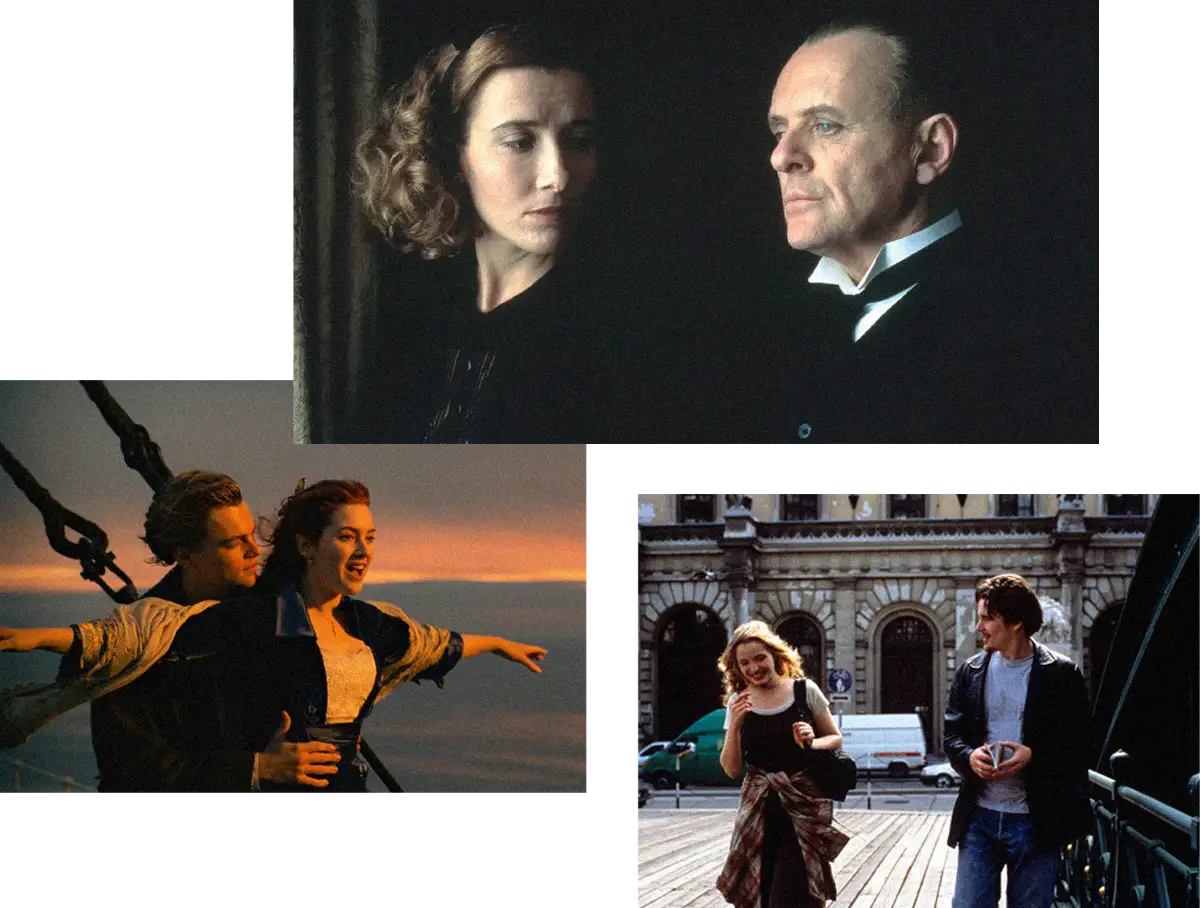
In the 1990s, yearning in film seemed to crystallize into a distinct mood. American viewers were suffering financially during a tough recession, sparking the need for escapism and narratives featuring characters having to make tough decisions and live smaller lives than they initially pictured. One film that exemplified this was Remains of the Day (1993), based on the novel by Kazuo Ishiguro. It’s one of the most powerful examples of what happens when emotional repression stands in the way of a happy ending. Mr. Stevens (Anthony Hopkins), a butler, and Miss Kenton (Emma Thompson) quietly fall in love over the course of their many years working on an English estate post-World War II but lack the courage to break through their politeness and manners to act on it. The decade would go on to give us big, overt romances like Titanic and mutual crushes like the Before Sunrise films, but everything changed in the 2010s when Call Me By Your Name hit the big screen.
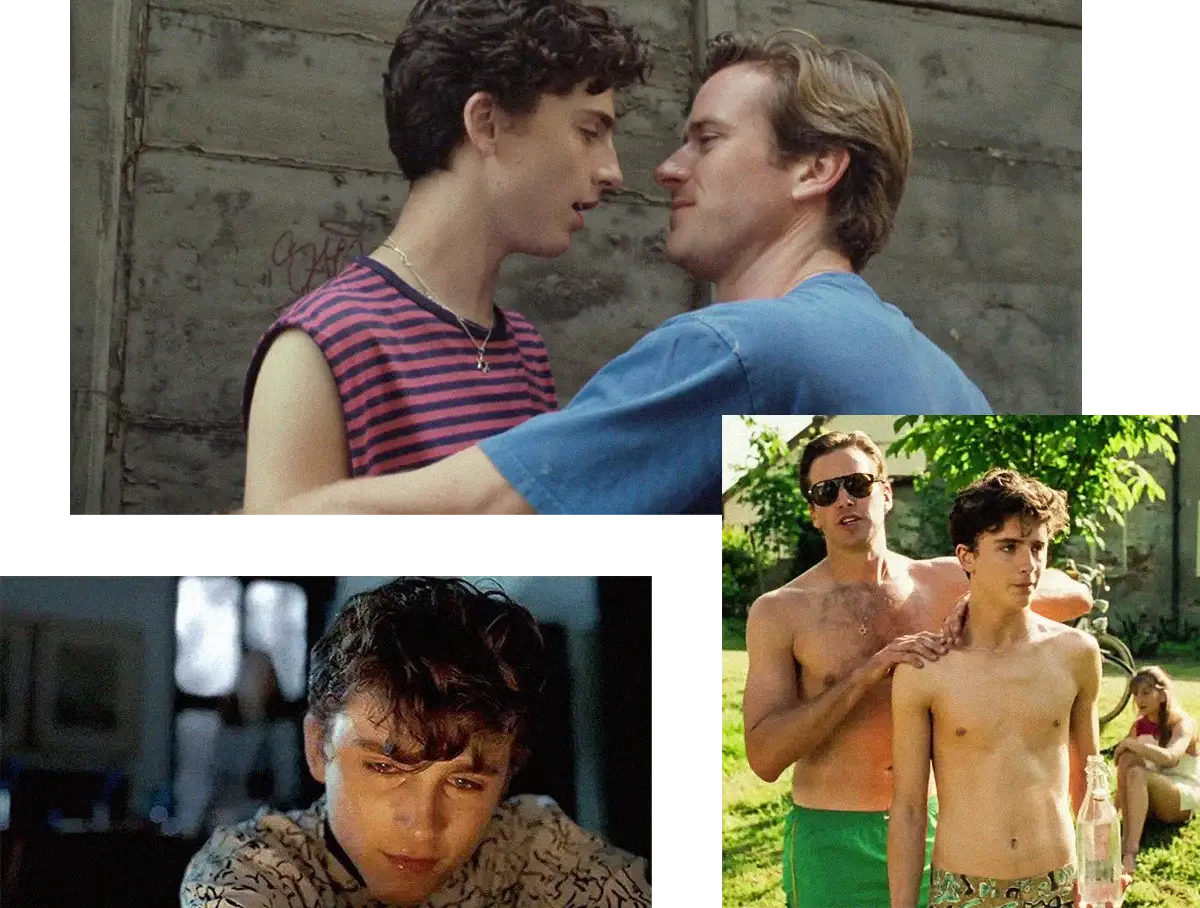
Unlike the restrained longing of Remains of the Day, Elio (Timothée Chalamet) wears his heart on his sleeve in the steamy 2017 queer romance, adapted from the André Aciman novel of the same name. During a romantic Italian summer in 1983, the 17-year-old becomes entranced by the older Oliver (Armie Hammer). Elio falls hard, but his feelings are reciprocated—at first. The fast intimacy and total vulnerability make for a devastating heartbreak when he finds out that Oliver has gotten married to a woman in America, proving that he’d rather live a life of conformity and comfort rather than fight through the complexity a same-sex relationship would present at that time. The scene of Elio crying silently in front of the fireplace while Sufjan Stevens’s “Mystery of Love” plays in the background became so iconic, replayed endlessly online as shorthand for first‑love heartbreak.
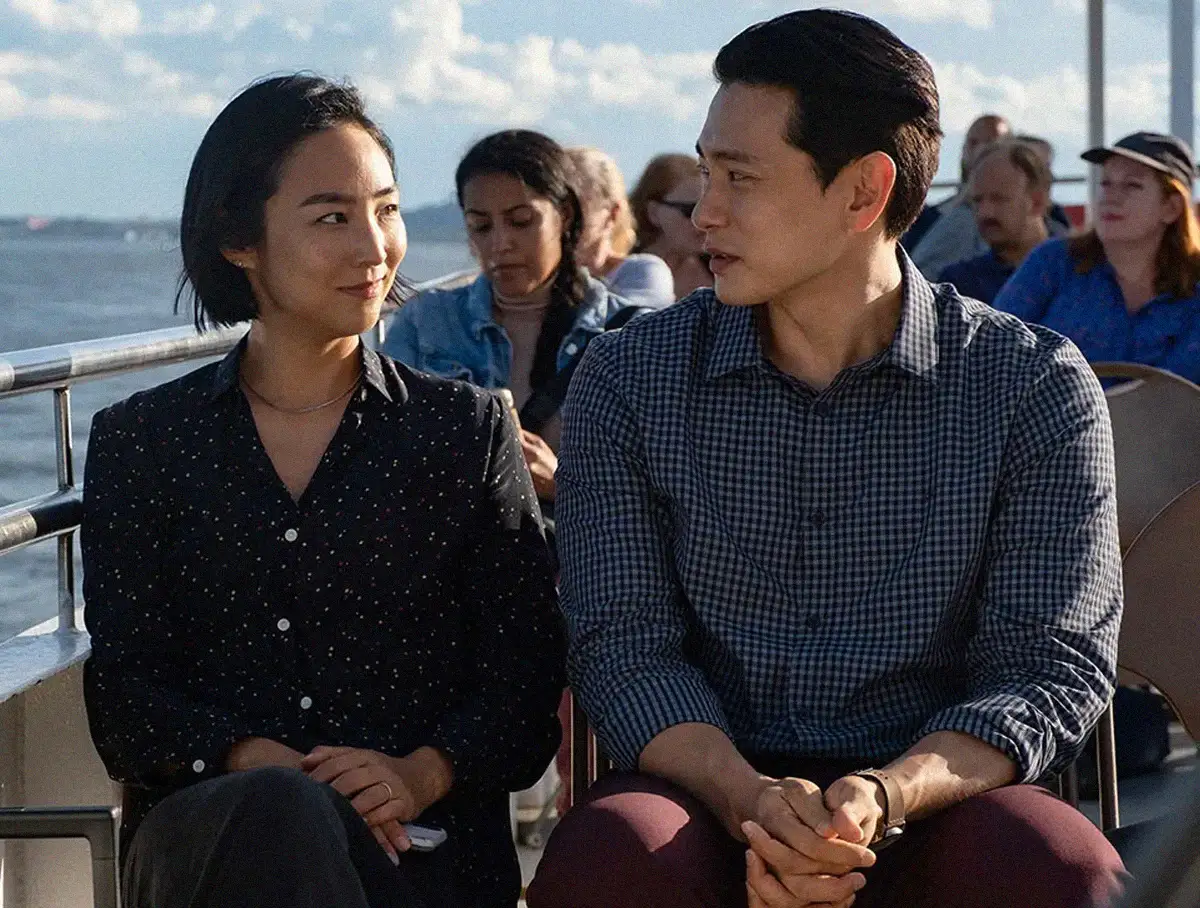
One of the largest obstacles, and thus greatest catalysts of yearning, is time. It’s crucial in manufacturing that “What if?” wistfulness, a kind of deep-seated, almost spiritual desire that we could spend our whole lives trying to understand. Whether that be the restrictive time period that the lovers are living during, like in Portrait of a Lady on Fire (2019), or that the timing was off, like in Past Lives (2023), filmmakers in the last decade have been exploring this idea of parallel lives and paths unfolding side by side. In Past Lives, Hae Sung (Teo Yoo) and Nora (Greta Lee) are best friends and burgeoning childhood sweethearts before she emigrates from Korea to Canada. Hae Sung finds Nora on Facebook and reconnects with her digitally, and after a break-up, decides to go to New York City to see her in person, despite the fact that she’s married. They both decide to close this chapter, mourning what could have been and the beautiful lives they could have led together.

Now, here is where we start to turn to the dark side. So far, I’ve mentioned movies where the feelings are reciprocated, where the break-ups are clean, or where no action is taken and the emotional pain becomes a fact of life. Yet a fourth scenario plays out in Wuthering Heights (2026), loosely based on Emily Brontë’s 1847 novel. Heathcliff (Jacob Elordi) and Cathy (Margot Robbie) are soulmates who meet as young teens, fated to be entangled in one another’s lives forever. She is cruel, he is obsessed, and they are both emotionally stunted and unable to communicate their feelings. After Cathy accepts a marriage proposal from a wealthy neighbor, Heathcliff disappears without a word. He returns a dubious gentleman of means with nothing but revenge on his mind. Although they finally admit their feelings and consummate their relationship (despite Cathy’s marriage), their toxic love is doomed to ruin them both.
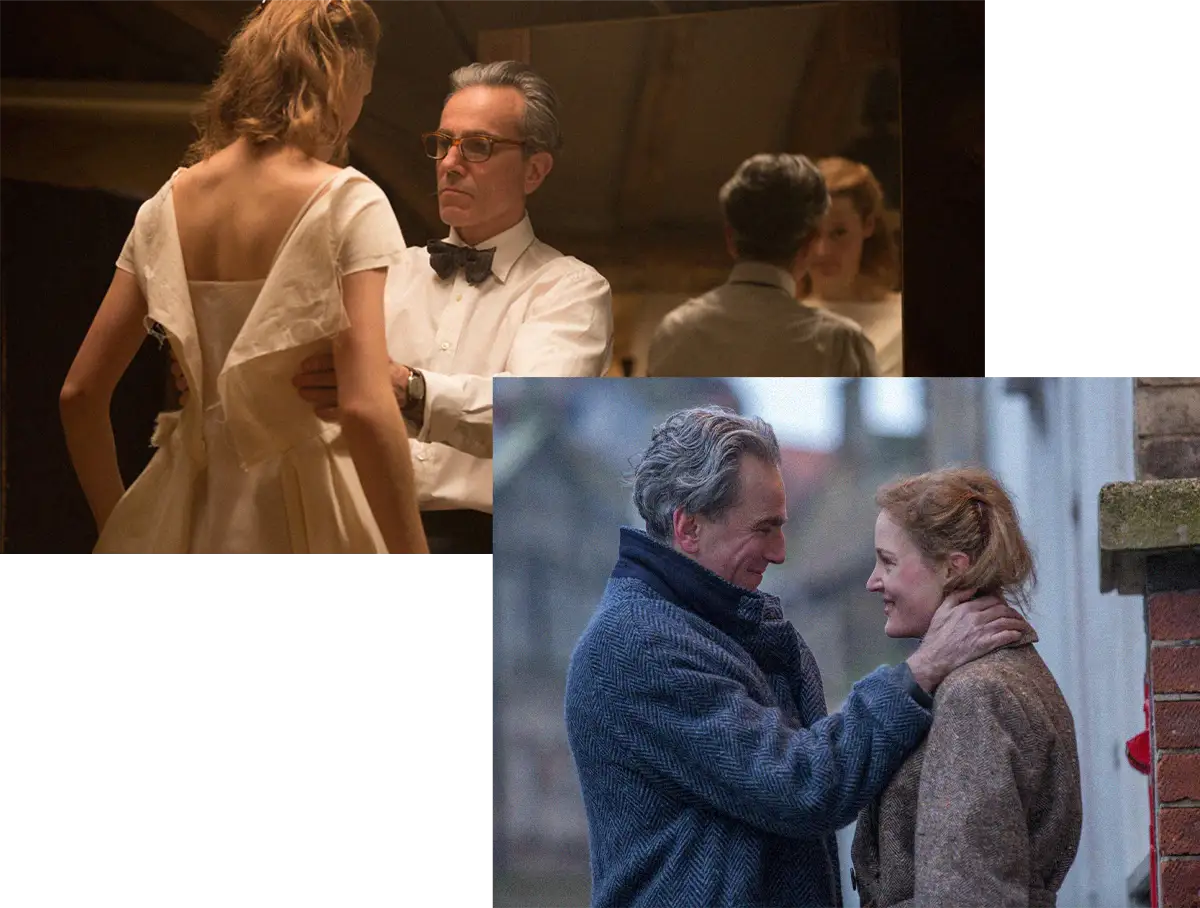
This kind of obsessive, all‑consuming, “drive me mad” love has become its own form of escapism, and the cinematic appetite for it probably tells us more about our current discontent than it does about Brontë’s original text. This toxic yearning finds its predecessors in Phantom Thread (2017), released in an age of MeToo headlines, Trump‑era whiplash, and collective burnout. Alma (Vicky Krieps) starts poisoning her lover and demanding British fashion designer Reynolds Woodcock (Daniel Day-Lewis) with hallucinogenic mushrooms to control him and make him vulnerable. During the second poisoning, he realizes what’s happening and takes it happily, realizing this is what his co-dependent partner needs out of their relationship.
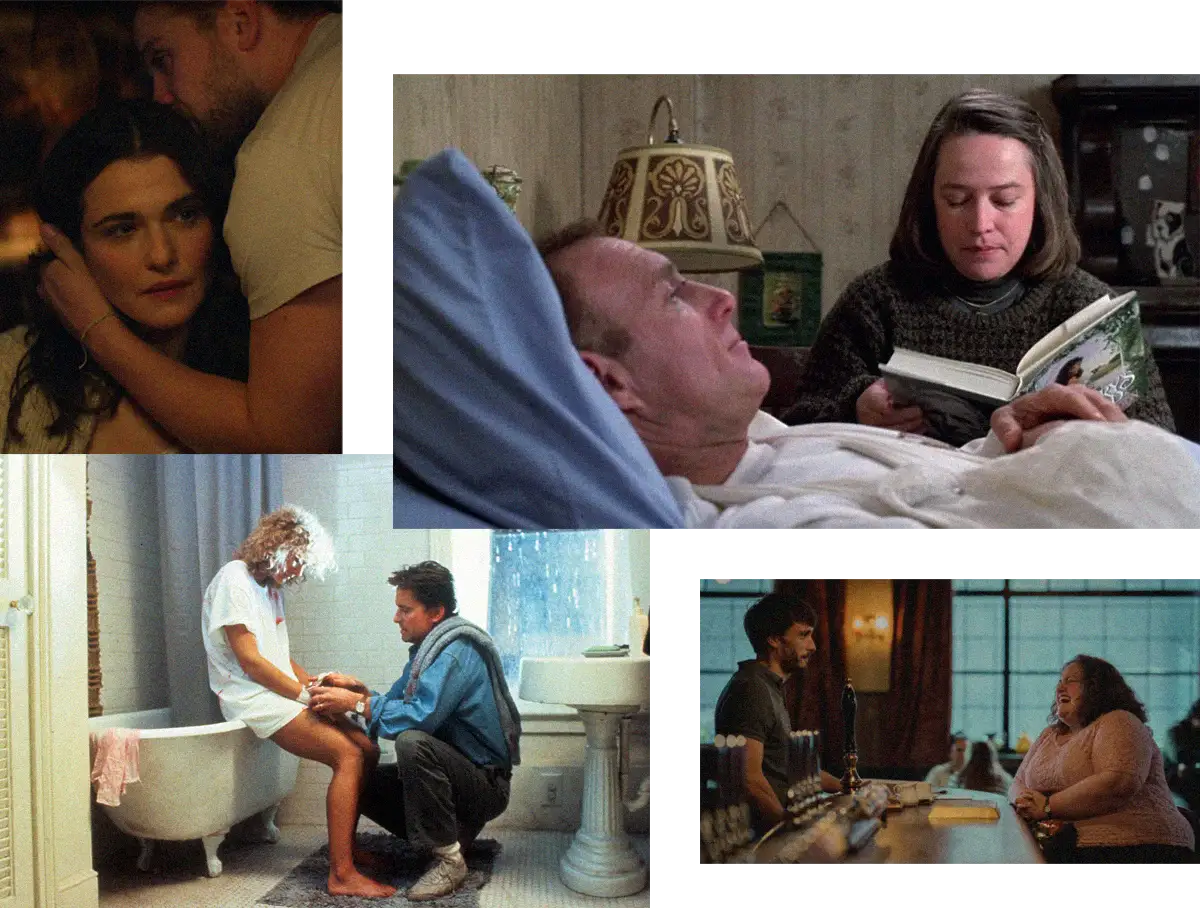
Sometimes, that hyper-fixation and romantic passion can become combustible. In Fatal Attraction (1987) and Misery (1990), and more recently, in the Netflix series Baby Reindeer (2024), and Vladimir (2026), obsessed antagonists become maniacal, going to extreme, often violent lengths—kidnapping, stalking, and even boiling a child’s pet rabbit—to force the object of their pathological obsession to bend to their will. Vladimir, a limited series based on a novel by Julia May Jonas, even introduced viewers to the concept of limerence this year, where the sufferer has maladaptive daydreams and visions of their future with unrequited love. This helps the obsession rise to a boiling point that pushes yearning, on occasion, straight into horror.
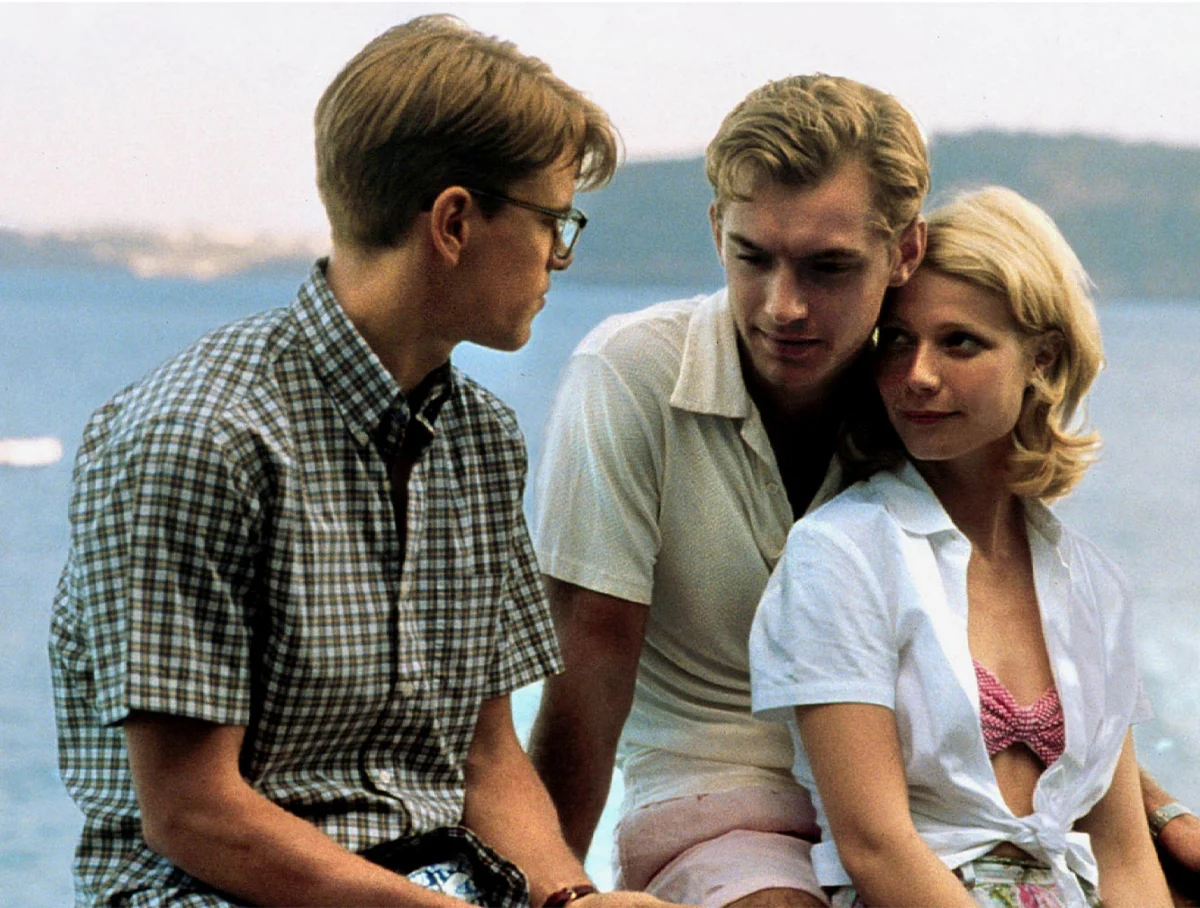
Of course, obsession doesn’t just apply to romantic relationships (though in some of these examples the line is undoubtedly blurred); it creeps into friendships and parasocial relationships as well. We may claim to valorize friendship now, but the stories that stick with us are increasingly about the kind of friendship that wants to devour you. The OG of this genre is The Talented Mr. Ripley (1999), based on the novel by Patricia Highsmith. In the 1950s, con-man Tom Ripley is mistaken for a close friend of trust-fund kid Dickie Greenleaf (Jude Law). Dickie’s father sends Tom abroad to convince Dickie to come home, but the plan backfires when Tom becomes fanatically obsessed with Dickie, and decides to take over his life—at the cost of his own. What starts as a need for Dickie’s attention devolves into Tom’s demise. Suspense-filled and full of male-on-male desire that lives somewhere between love, friendship, and fantasy, The Talented Mr. Ripley inspired a whole sub-genre of movies, including Ingrid Goes West (2017), Saltburn (2023), and Lurker (2024).
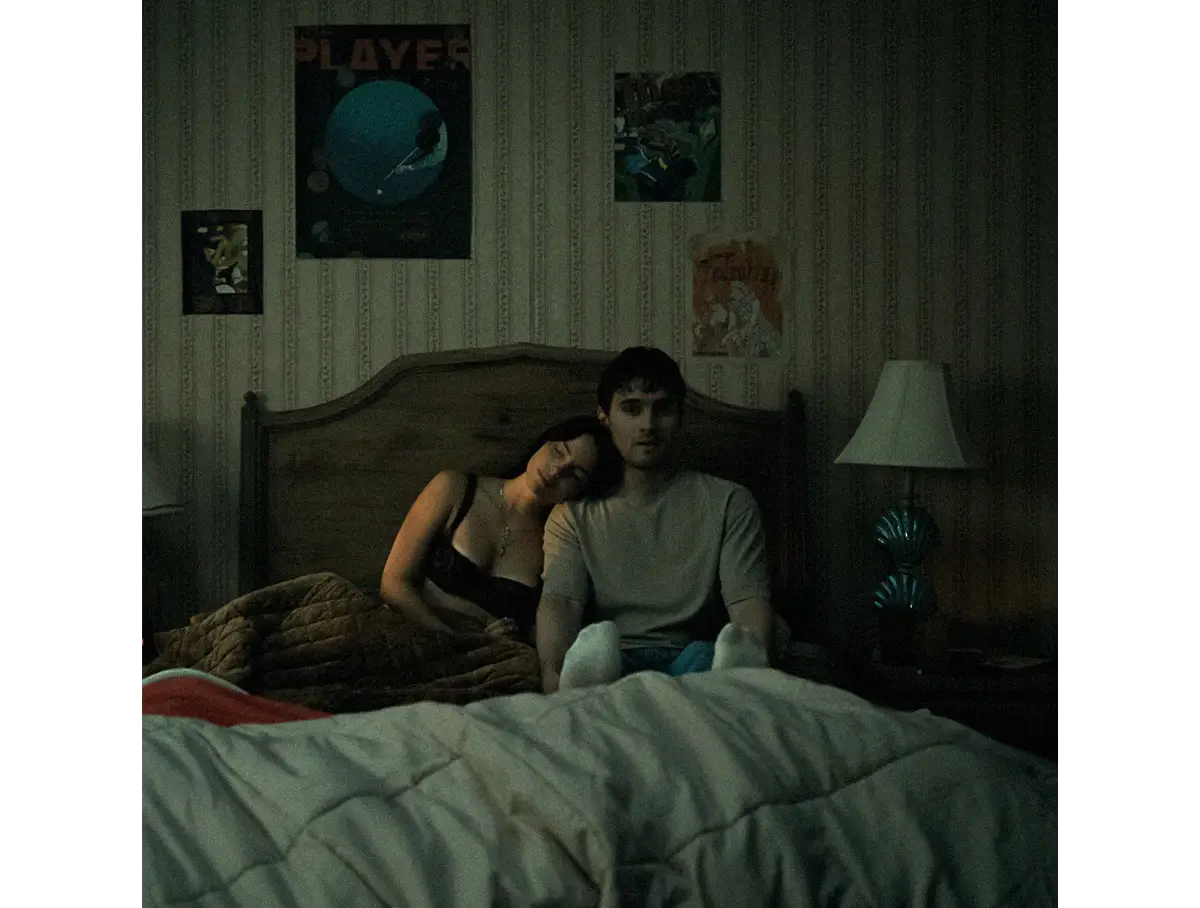
You may have noticed that many of the most memorable obsessive characters in these films are women. Think Alex Forrest in Fatal Attraction, Annie Wilkes in Misery, or Martha in Baby Reindeer. Curious, right? If you ask me, it’s because if men were the focus, it’d be too realistic, too true to real life—and true crime. No one wants to watch a man hunt a woman for 90+ minutes. That dynamic is on display in Obsession (2026), a new indie horror movie in theaters now, which takes the idea of wishful thinking, yearning, and possessiveness and once again casts the obsessive lover as a woman. Bear (Michael Johnston) makes a wish that his crush Nikki (Inde Navarrette) would “love him more than anyone else in the world,” but in a be-careful-what-you-wish-for twist, she becomes terrifyingly obsessed with him instead, behaving in disturbing ways. I won’t spoil it here, though.
Our society’s obsession with all-consuming love, whether it’s romantic or horrific, will remain a theme in movies, because this kind of irrational love feels rebellious today—even two centuries after Brontë’s Wuthering Heights put toxic love on full display. With our convenience culture, people are becoming friction-averse and insular, so the idea of consciously choosing a romantic situation that doesn’t have a 100-percent guarantee of success feels exciting, even defiant. Deep down, I think we are all drawn to the intensity of yearning—it’s thrilling to be crazy-in-love and to be loved crazily (though perhaps not like in Obsession). As moviegoers suffer through dating app fatigue and AI’s attempt to optimize our love lives, many viewers want to disappear into a yearning-heavy film for a few hours. At least, I know I do.








.webp)


