.webp)
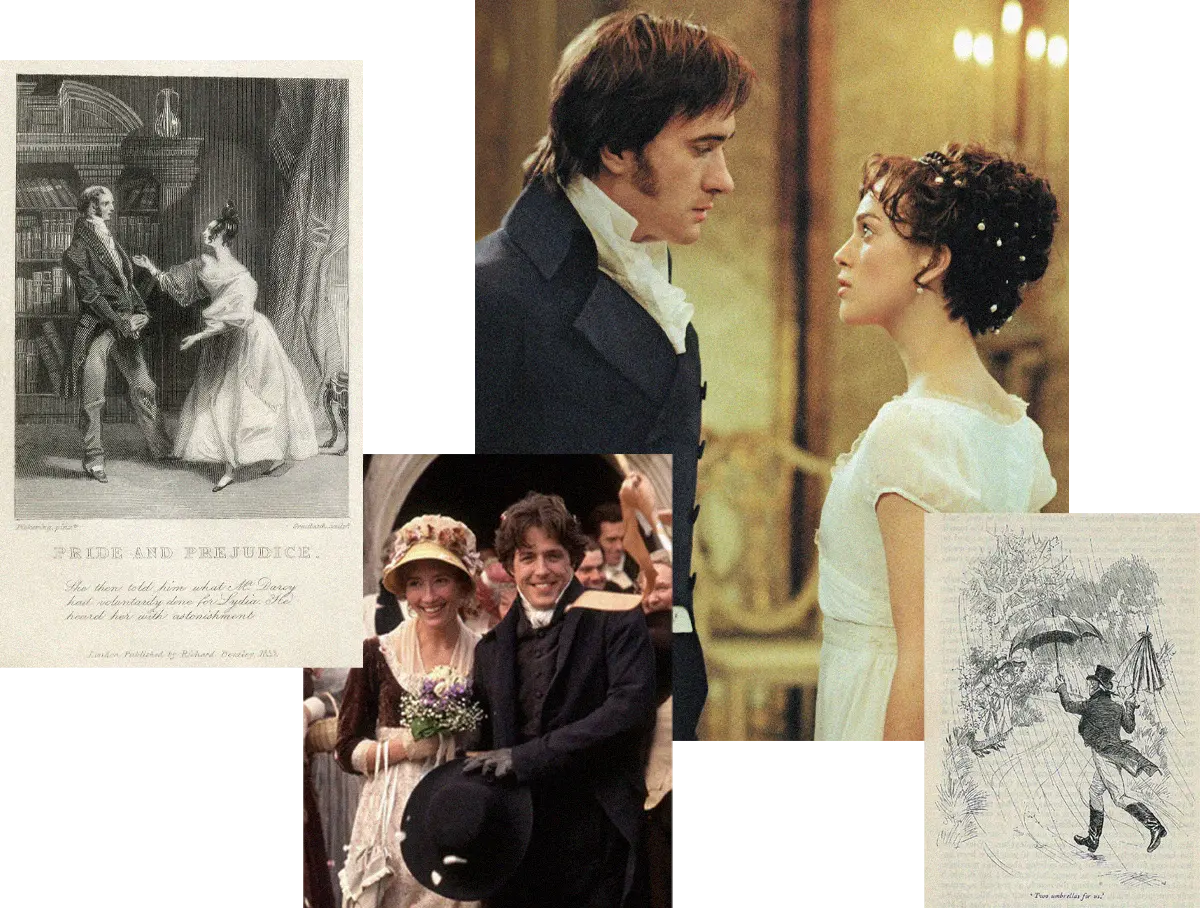
My boyfriend doesn’t understand Jane Austen. Well, it’s not exactly that he doesn’t understand her. He knows she’s an author who hails from some century that isn’t this one. She wrote at least one novel he’s heard of—because he’s been made to watch the miniseries and movie adaptation.
But he doesn’t really get the intrigue.
What’s Jane Austen’s vibe? Does she write smutty, corset-ripping sex dramas akin to the novels I’ve snatched up in beachside bookstores and giggled into amidst descriptions of girthy body parts? No, full stop, I tell him.
Austen to me, and so many Austenites and literary girlies like myself, is so much more than the sweeping period drama films and romantic hand flexes the author’s become contemporaneously synonymous with.
But my partner’s struggle to understand the hold Austen has on readers more than 200 years after her death has me wondering: How do I explain Jane Austen to my boyfriend?
Like so many heteronormative men of a certain age, my boyfriend has his own niche interests. Pokémon, celebrating its 30th anniversary this year, among them. Now, if my boyfriend can explain how these cute little creatures with magical abilities can teach audiences lessons about the power of community, teamwork, respect for nature, and the dangers of abuse and exploitation, then surely I can translate Jane Austen in the same terms.
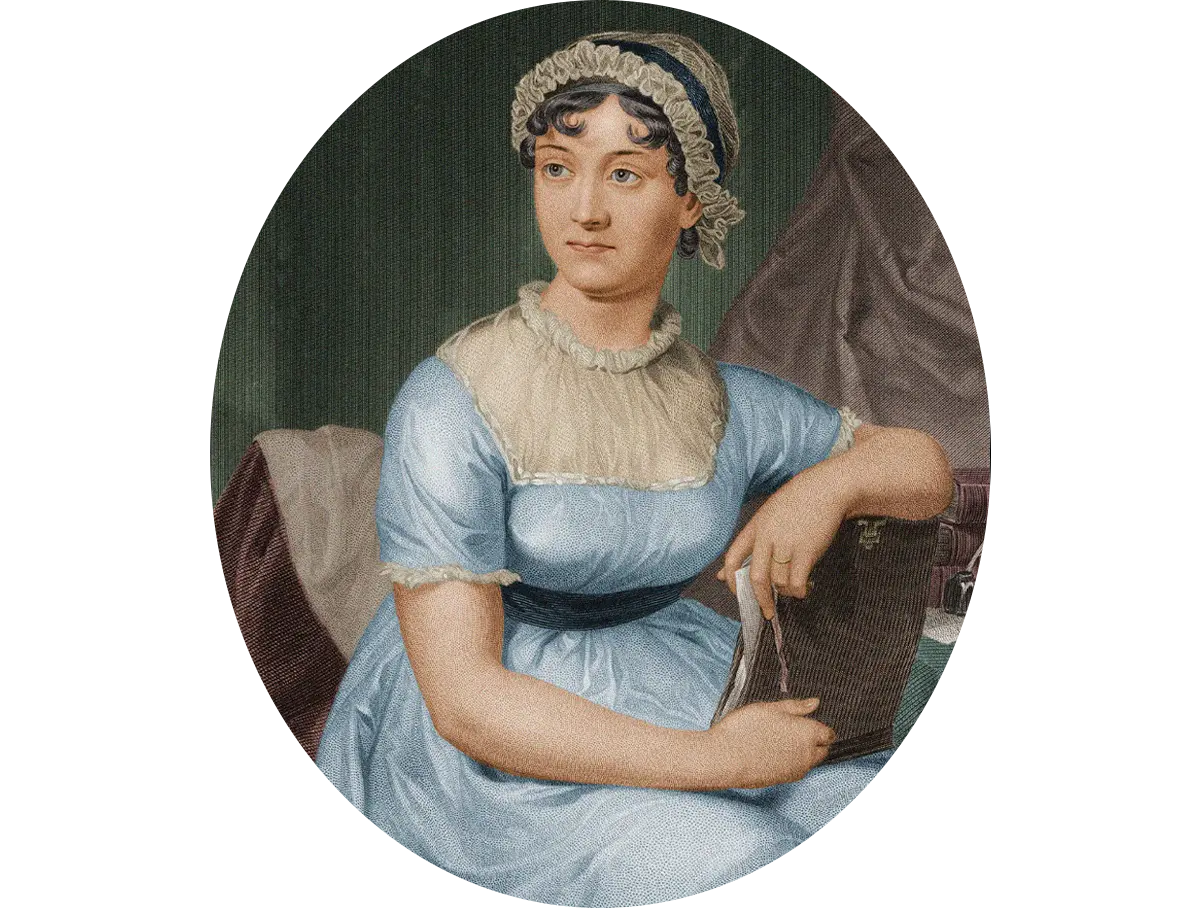
So, let me start with the basics: Jane Austen was a real woman. Born in 1775—yes, almost the exact same year the United States earned its independence. Great catch, sweetheart. Austen was a British writer who crafted some of the most scathingly funny critiques of English society, particularly the ways in which women had to navigate the marriage market.
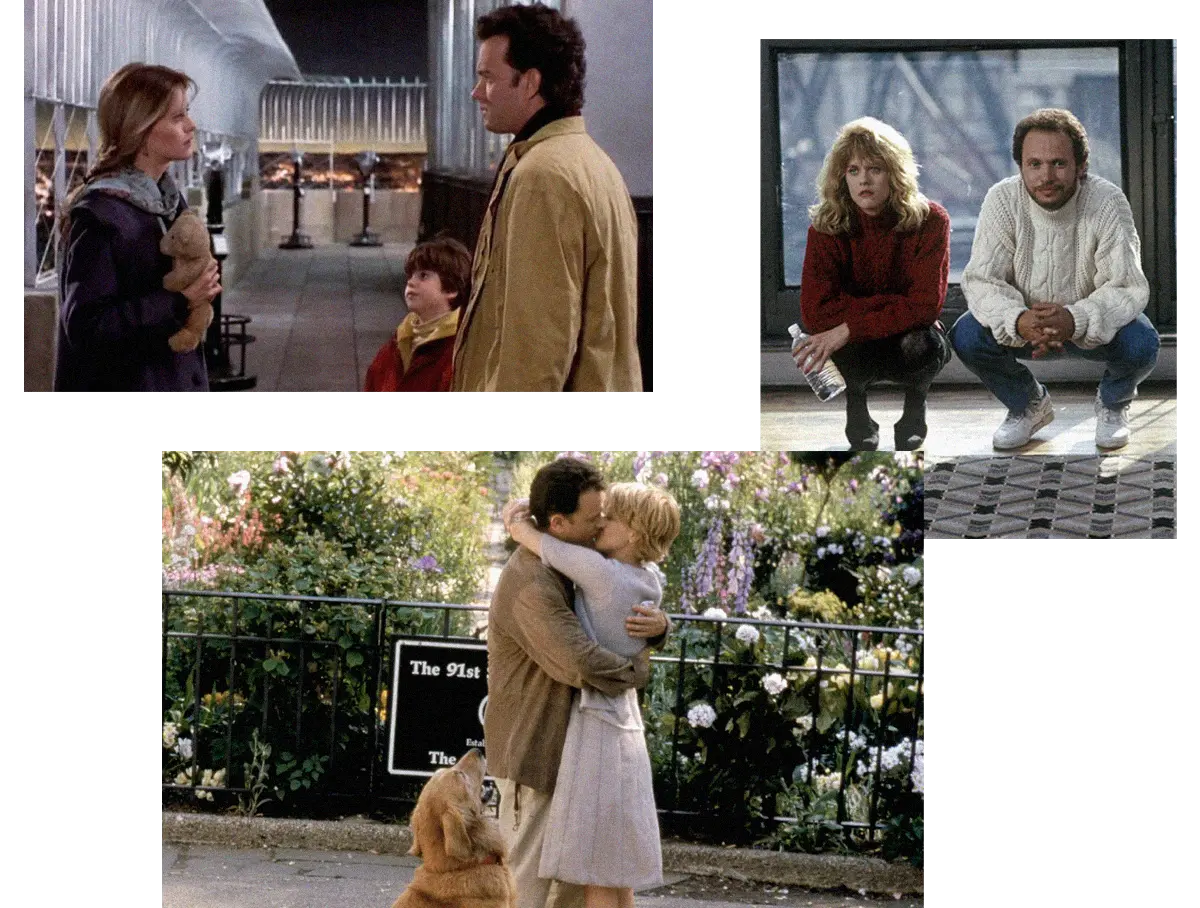
Ok, maybe that’s a bit heady. Let me try to ground this more. We have William Shakespeare’s comedies; then we have Jane Austen’s comedies; and then those Nora Ephron romcoms like Sleepless in Seattle, When Harry Met Sally, and You’ve Got Mail. So, consider it a domino effect; we wouldn’t have one without the other.
If we didn’t have Austen, the world of romantic comedies might very well be different. A string of films by Nora Ephron to Mira Nair, Nancy Meyers and Joan Micklin Silver tied cultural observations to the frustrations of dating and romance. Sure, the romcoms of 2026 don’t necessarily possess social conversations on the broader culture. But Austen laid the groundwork for what you, my dear, might refer to as a “Chick Flick.”*
*Worth noting, my partner would never use that epithet. He has more respect for the romantic comedy genre—a fan of What’s Up Doc, Nick and Norah’s Infinite Playlist, Married to the Mob, As Good as It Gets, Something’s Gotta Give, Working Girl, Broadcast News, 10 Things I Hate About You, Clueless, High Fidelity, Say Anything, Modern Romance, and Crossing Delancey.
In the same way that the world of Pokémon has its unwritten rules and regulatory social structures, so too does the English gentry Austen wrote about. Let’s try to build a firmer connection between Pokémon and Austen. Stay with me:
“Ok, you know how in the Pokémon theme song there’s that line, ‘You teach me and I’ll teach you, Pokémon?’”
“Yeah.”
“Well, that’s part of the gist of Austen’s work. See, she writes her characters in such a way, particularly between men and women—the main romantic interests, at least—where they each learn qualities about the other that either humbles them, asks them to be better, or makes them reflect on their own prejudices, shortcomings, shortsightedness.”
“Ok, yeah. And it’s like a mutual thing, right? Like, it’s pretty clear in the world of Pokémon that the trainers, the people, who only choose Pokémon to be advantageous and win, aren’t always the happiest pairs.”
“Yes! Remember the plot line in Pride and Prejudice? About Charlotte Lucas and Mr. Collins?”
“Is that Mr. Potato Guy? Never had a more exemplary vegetable in his life? You’ve sent me memes and reels based on that scene too many times for me to forget.”
“Yes! So he and Charlotte Lucas —”
“27-year-old who’s a burden to her parents?”
“Exactly; they get married after Lizzy turns down Mr. Collins. Charlotte marries Mr. Collins, as it’s explained in the novel and more explicitly in the film, because she doesn’t have the luxury of being romantic. She wants protection and a house of her own to run. Well, you can interpret from both the text and the miniseries and film adaptation that Charlotte and Mr. Collins, while not a love match, are an advantageous one. It makes their individual places in society strong, but does it make them happy?”
“I mean, it didn't seem that way.”
“Right. So, in a way, Pokémon and Jane Austen have something in common: the best matches, between a trainer and creature who mutually choose one another and two potential love matches who are able to belay the constraints, and frankly ridiculousness, of cultural expectations for men and women of certain social and fiscal backgrounds and focus more on their dynamic and mutual respect and desire, often are able to have the most fulfilling relationships.”
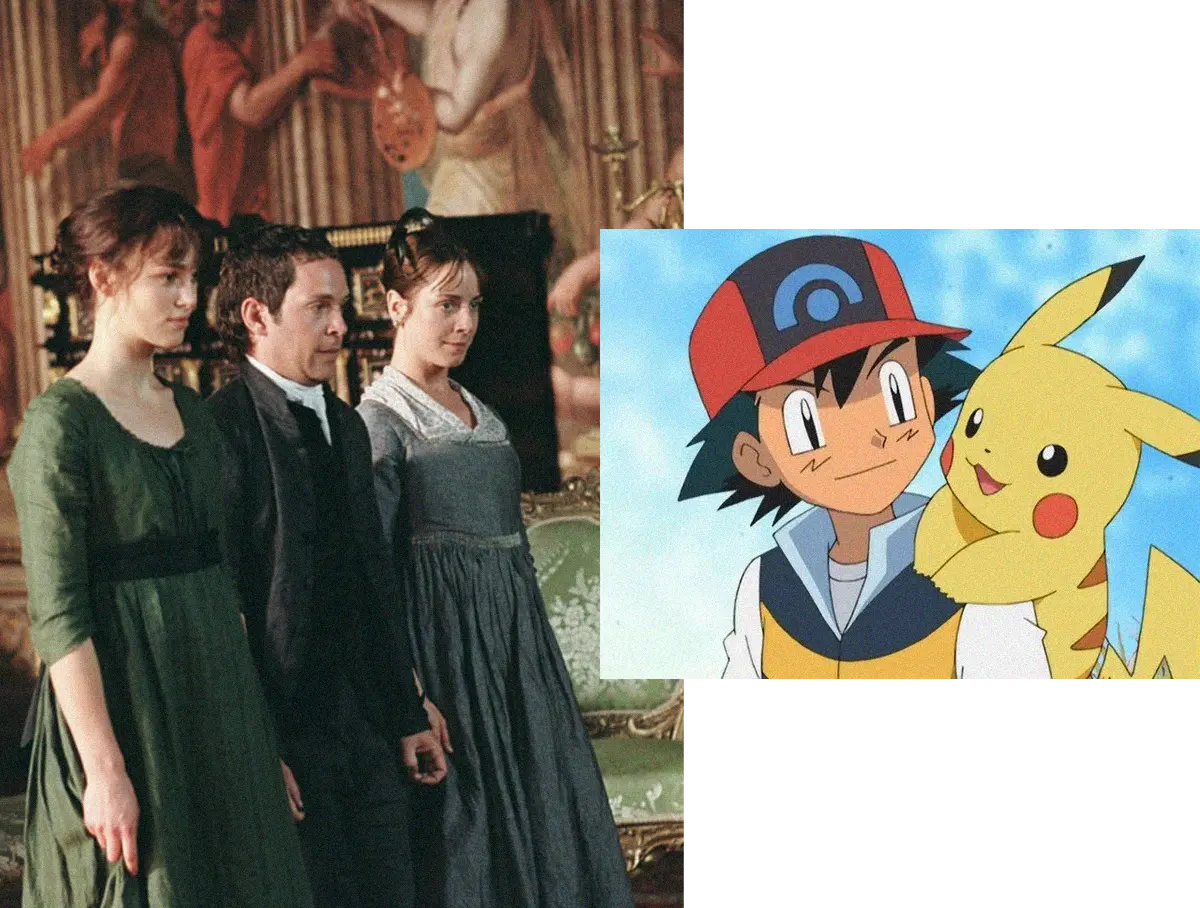
Now, this might be a more simplistic way to ground some of Austen’s more heady social commentary. After all, her novels, while retaining that contemporary romantic verve, were far more about social commentary at the time she was writing them, satire, really.
But for more than a century, the author’s enduring work has been able to both scrutinize the fallibilities and frustrations of the social structures women navigate, and also, by modern strokes, spotlight the lasting appeal of romantic yearning.
“I get it. So it’s way more about writing about the world she was living in, how stupid the unwritten rules are of that world, and creating stories that still, somehow, in all the movie and TV series adaptations make us believe in love built on respect and mutual admiration rather than proper placement in society. Just like in Pokémon it’s always better to center friendship and understanding if you’re going to make a Pokémon and trainer relationship successful.”
“Yes, hon. I think you’ve got it!”
“Cool…so, is Emerald Fennell’s take on Wuthering Heights as horny as the book?”