As America celebrates its 250th anniversary this month, the current reality undermines the proclaimed ideal of freedom in American life. In a time when there are rollbacks on the education of Black history, attempts to curb the Black vote, and restrictions on women's bodily autonomy, America is quickly regressing into an all too familiar rhythm that subjugates minorities and vulnerable communities to a state dictated by white patriarchal supremacy.
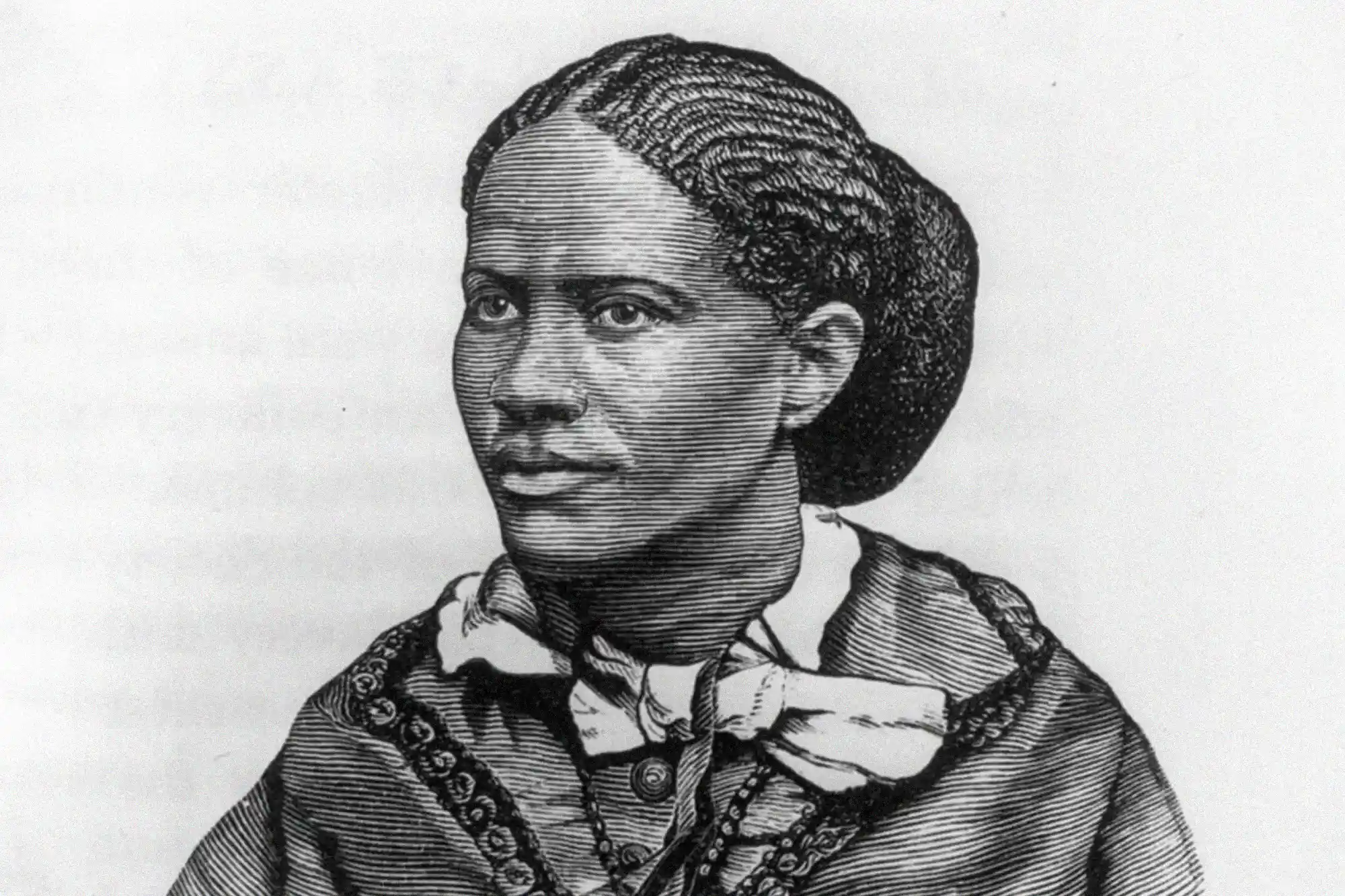
We, the people, have been here before. We have seen the fallout of oppressive systems that place people of color and minorities at the mercy of systemic inequity. And from history, we know that when unjust leaders—backed by powerful entrenched systems—oppress, the voices of the most affected groups inevitably get pushed into the shadows. This is where figures like Frances Ellen Watkins Harper step in, beckoning us to look to the past to create the future we want to see.
A mere 49 years after the Declaration of Independence was adopted, a fighter was born into a world whose injustices still reverberate today. Born in Baltimore to free Black parents, Frances Harper came of age in a country that denied Black people full citizenship yet relied on their labor. She lived to see slavery's abolition, the false promises of Reconstruction, and the backlash that sought to disenfranchise Black communities, and especially Black women, of long-deserved rights.
During Reconstruction, as efforts were made for racial uplift and women's rights, Black women were largely overlooked. Many reformers believed that the emancipation of Black men and the growing public attention to white women's rights would eventually benefit Black women; this framework sidelined their autonomy and specific needs, dehumanizing them in the process.
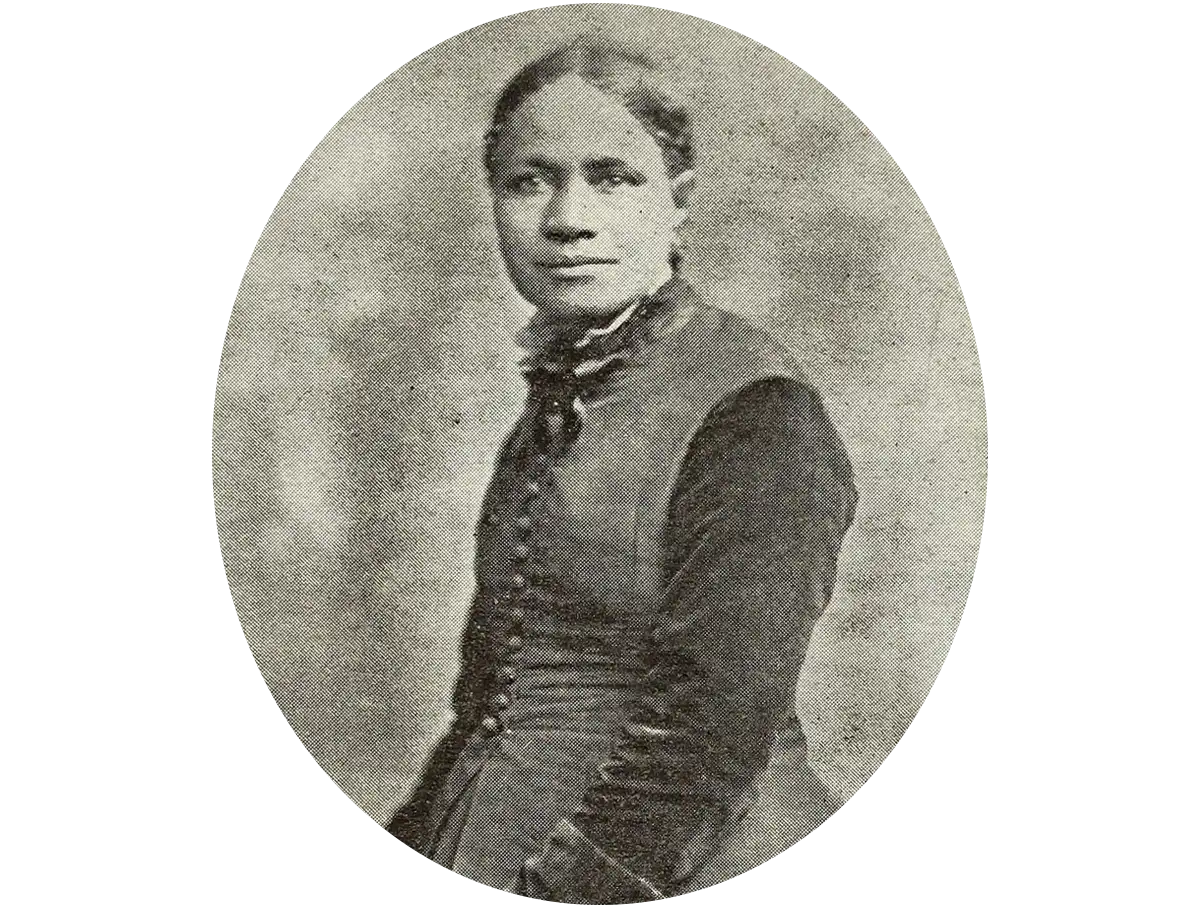
An abolitionist, suffragist, poet, and writer, Frances Ellen Watkins Harper became one of the key voices advocating for Black women’s rights during and after Reconstruction, ensuring that society acknowledged their struggles and experiences through decades of her work.
During my last spring semester, I had the pleasure of learning about her life and work through my African American Major Author course at Howard University. Harper was raised by her aunt and uncle, Henrietta and Reverend William Watkins, an anti-slavery minister and educator, who influenced her early embrace of activism. Growing into a passionate traveling lecturer and prolific writer, Harper championed abolition, civil rights, women's rights, and temperance, becoming one of the first African American women to publish a book of poetry and the first to publish a short story.
Harper did not sugarcoat issues to placate white sentiments, nor was she ever afraid to speak her mind, even while facing threats to her life. Rather than talk about these topics from a distance, she passionately traveled the country—even throughout the Deep South—speaking with vulnerable communities and listening to their plight, always gathering information to advocate for their rights and needs. Additionally, she used her writing, whether poems, stories, or lectures, to highlight the fight for freedom. While it is hard to know how much writing she produced in her lifetime, archives include at least seven books of poetry, three novellas, and one full-length novel.
Understanding Harper's life and commitment to justice thoroughly inspired me by demonstrating that it is possible to champion the liberation of others even while navigating the constraints of an unfree America. Indeed, her radical approach serves as an inspiring blueprint for navigating modern challenges, encouraging Black women and other marginalized communities to resist systemic oppression, reclaim agency, and transcend the status quo despite persistent social pressures.
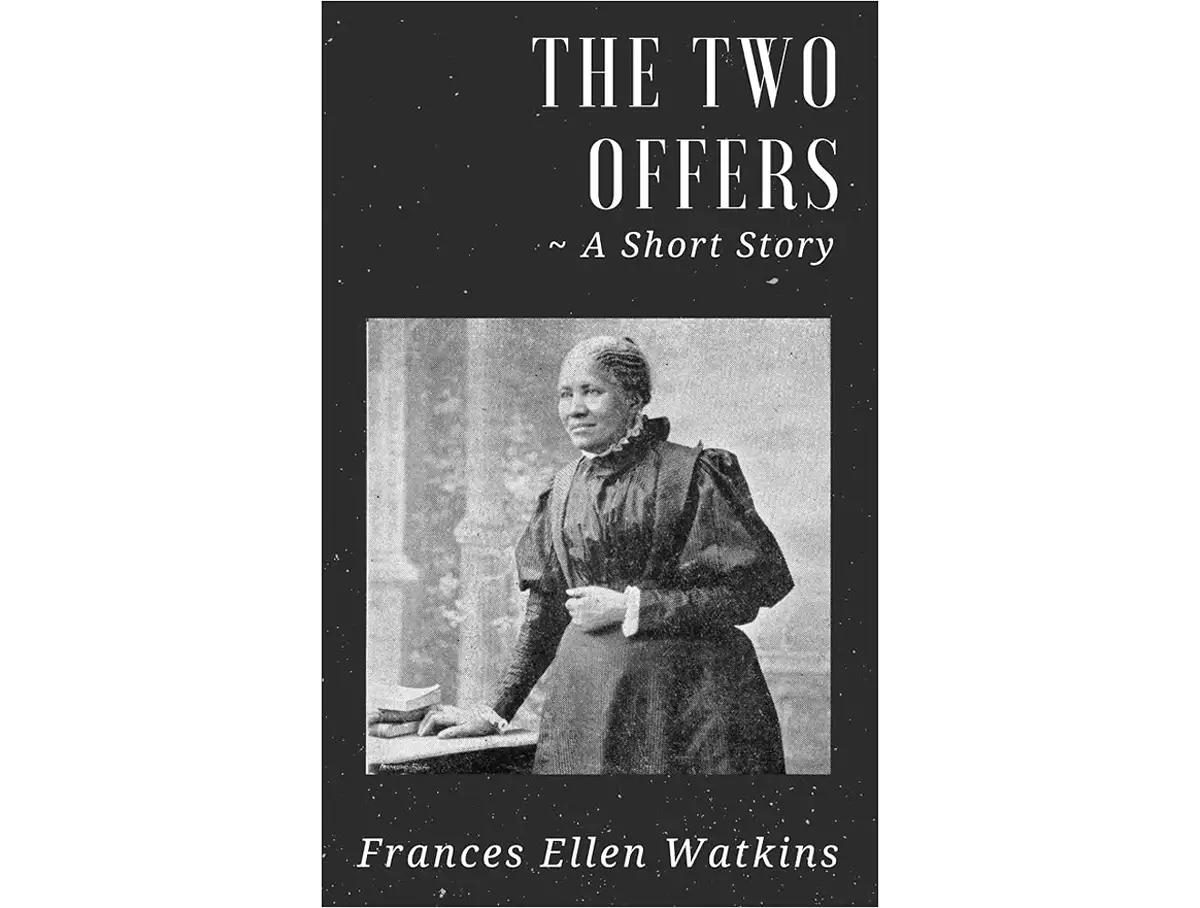
In an 1859 short story published in Anglo-African Magazine titled The Two Offers (the first known short story published by an African American author), Harper challenges the status quo regarding women and marriage by encouraging them not to fall into the trap of domesticity. Although the text does not specify the characters' race, the context of its publication, the intended audience, and the social environment at the time strongly suggest that the characters are Black women. Regardless, the racially ambiguous nature of the characters still serves as a backdrop to critique the subjugation of women more generally. The story follows two cousins, Laura and Janette; it opens with Laura mulling over two marriage offers. Laura does not want to marry either man, but "if [she refused], there is the risk of being an old maid, and that is not to be thought of." Janette tries to convince her that she does not have to choose either option, but to no avail, as Laura still accepts one of the offers. The story ends years later with Laura on her deathbed, and her husband nowhere to be found. Due to his alcoholism, emotional unavailability, and concern with appearances, he had been perpetually absent ever since the beginning of their marriage.
Harper uses this story to highlight the objectification of women, particularly in the context of societal pressure to marry, which often leaves them feeling unfulfilled and further marginalized. Through Laura's experience, Harper shows how societal expectations can stifle potential, as marrying is portrayed as the only acceptable option for women, a view still held by some conservative thinkers today. In contrast, Janette's journey exemplifies resistance to these norms; by choosing self-sufficiency over marriage, she cultivates a fulfilling life despite hardships. Ultimately, Harper argues that women, rather than idolizing marriage as an ultimate goal, should seek financial independence and personal interests. This message was not only powerful but genuinely radical in Harper's time, and remains empowering for contemporary audiences by urging them to challenge restrictive societal norms, especially in the face of growing red-pill rhetoric that seeks to undermine women's autonomy and demonize diverse identities.
After publishing The Two Offers, she spent the next sixteen years on the road and in print, lecturing across the North, publishing bestselling volumes of poetry, and honing the powerful political vision that would culminate in "We Are All Bound Up Together." Harper delivered the now-famous speech at the Eleventh National Women's Rights Convention in New York, where white women united to advance women's rights as the nation grappled with the aftermath of the Civil War and the challenges of Reconstruction. After the Civil War, the mainstream women's rights movement neglected the struggles of Black individuals—especially Black women—making Harper's speech, and even her presence at the convention, ever more powerful.
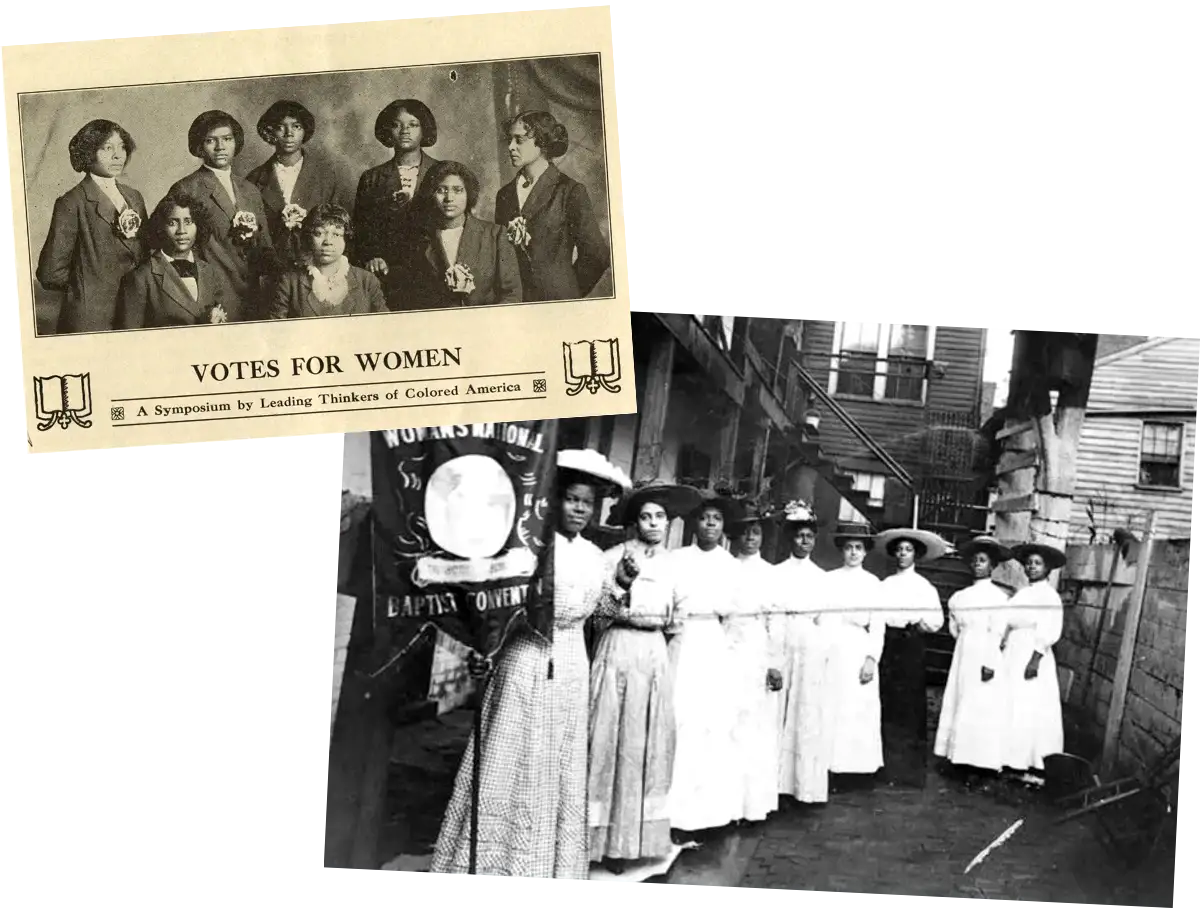
Within the speech, Harper states, "We are all bound up together in one great bundle of humanity, and society cannot trample on the weakest and feeblest of its members without receiving the curse in its own soul." Harper's statement emphasizes that all groups of people are interconnected. When one group faces difficulties, it affects everyone. Using this idea, she challenges the us-versus-them mentality that promotes group egoism, arguing that this mindset only intensifies perpetual oppression. Her call for unity and the recognition of shared humanity was a radical message, urging the women's rights movement not to overlook the intersecting oppressions faced by Black women and to work collectively toward a more inclusive and equitable society.
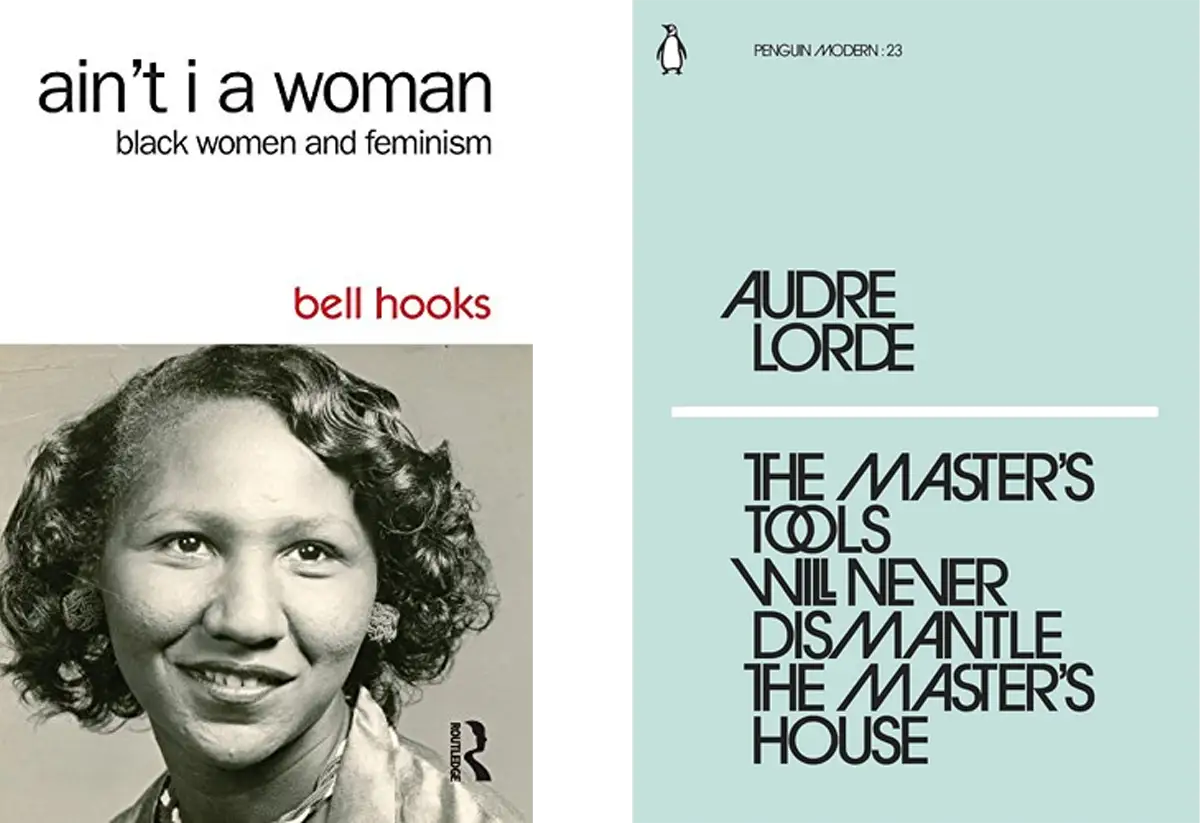
Harper's emphasis on the necessity of inclusivity in dismantling oppressive structures lays crucial groundwork within feminist discourse beyond her time. Black queer feminist Audre Lorde, for example, draws on Harper's ideas in her 1979 speech, "The Master's Tools Will Never Dismantle the Master's House." She argues that by creating spaces that define and empower people's differences rather than divide, vulnerable communities can not only thrive but inspire others to break free from the colonizing forces that constrain them. bell hooks, a Black American philosopher and social critic, also echoed Harper's idea in her 1981 book, Ain't I a Woman: Black Women and Feminism. She "re-appropriates" the term feminism, and thereby a feminist, to mean wanting "all people, female and male, liberation from sexist role patterns, domination, and oppression," aligning with Harper's warning to fight against oppression instead of simply serving one's own interests at the expense of upholding racist and discriminatory structures against other communities.
With the current administration considering labeling queer communities as nihilistic, violent extremists to fearmonger and disparage the existence of queer communities to "conquer" them, solidarity amongst marginalized communities becomes a form of necessary resistance, a sentiment Harper espoused in her works and writing over 150 years ago. All of these struggles against oppression, she reminds us, "are bound together."
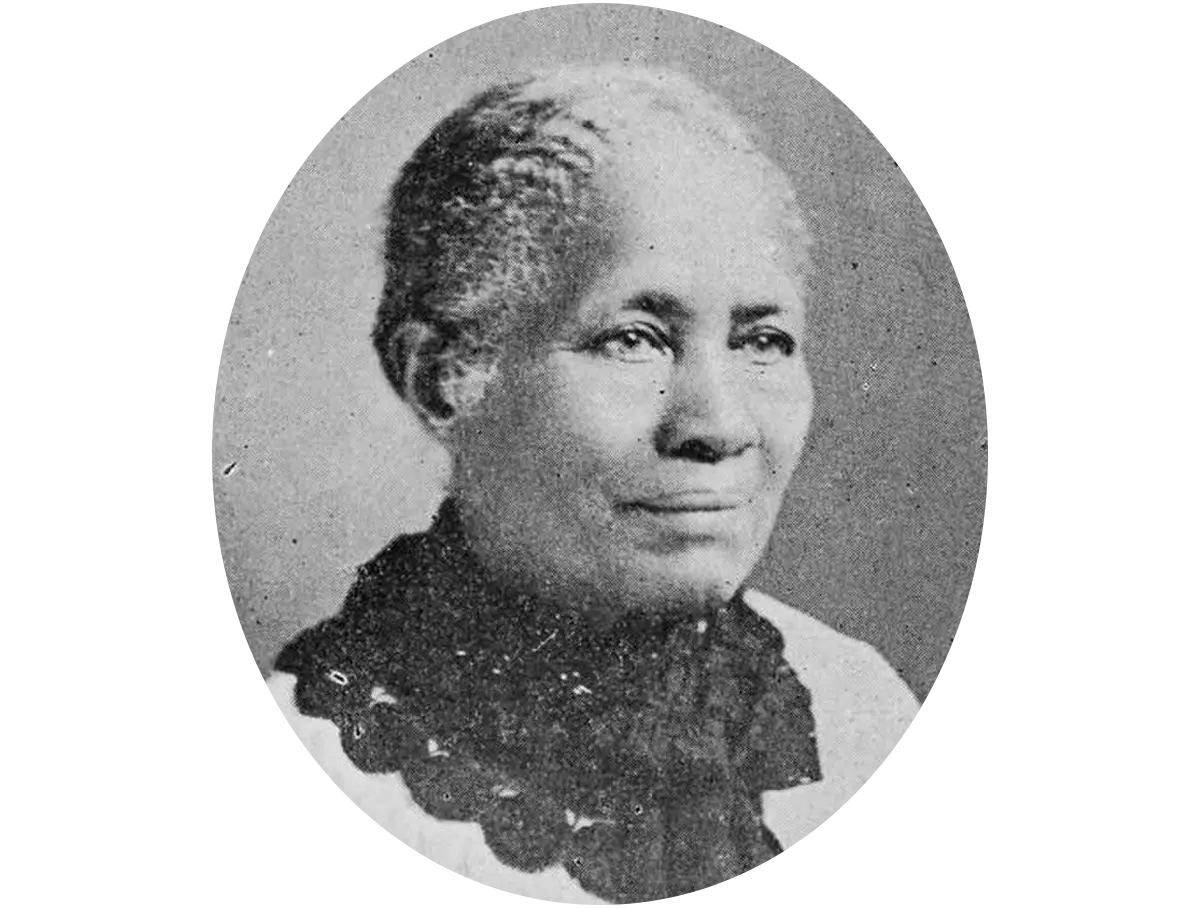
Ultimately, Frances Harper and her works transcend her own time, emphasizing the vital importance of maintaining personal autonomy and uplifting and supporting other communities in their struggles. The beliefs shown throughout her works show that even in the face of fascism, marginalized communities still can persevere and flourish. Harper never articulated that the work is easy, but that it is necessary; until such work is done, no one is truly free.
The author is deeply indebted to Dr. Sabrina Evans-Rangel for her guidance and insightful discussions regarding Frances Ellen Watkins Harper. If you would like to learn more about Frances Harper, you can view the Colored Conventions Project’s exhibit of Harper HERE.