As part of Lit Society’s Book Review Program, members are reading and reviewing books by independent writers we think deserve more attention. This review reflects one reader’s honest experience and aims to spotlight exciting new voices.
The ending alone makes this book club worthy! Ideal for someone who wants to take on the heavier issues without the flowery metaphors. The novel directly attacks the way generational trauma is magnified when left unexorcised.
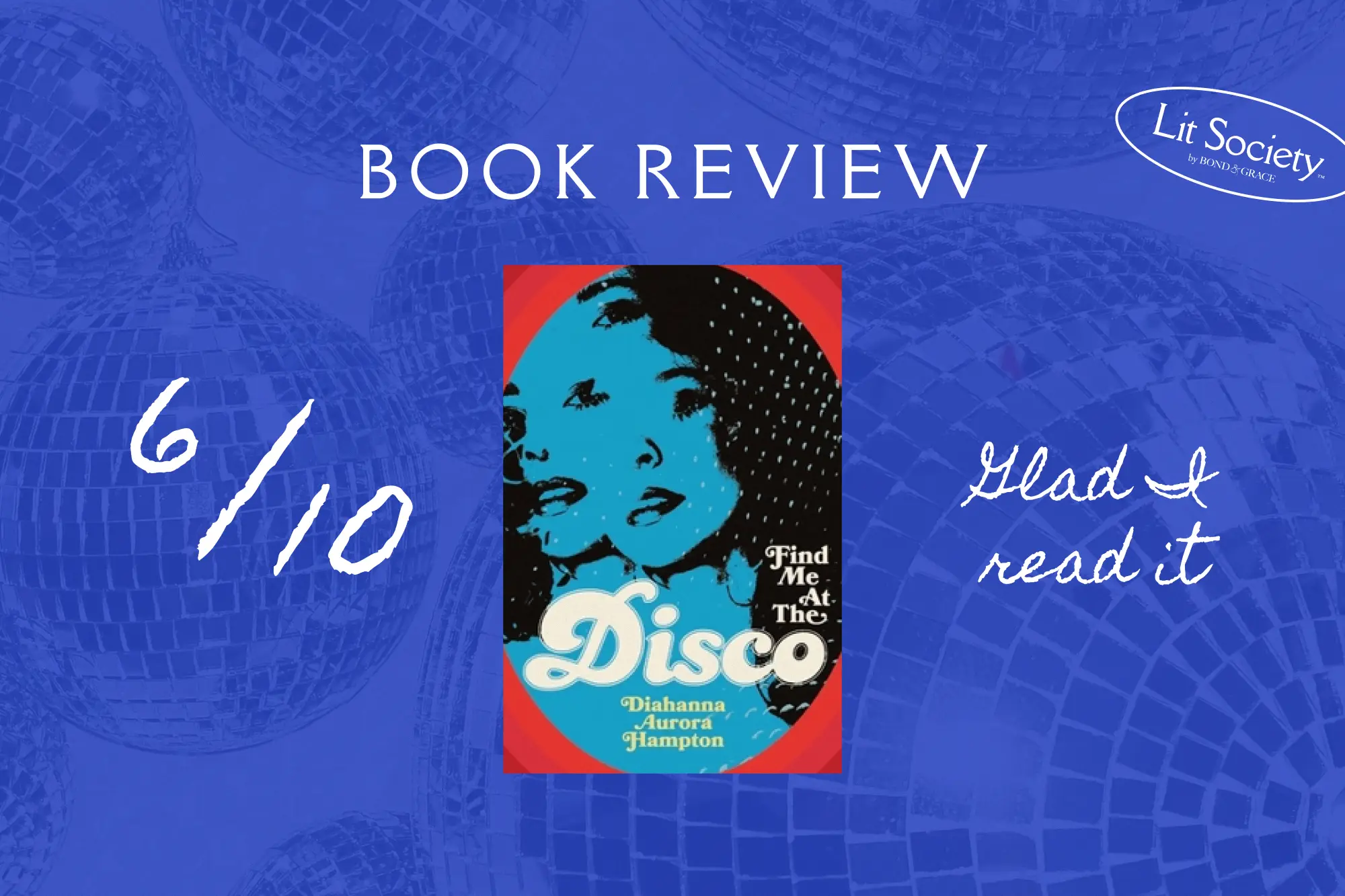
The Verdict? 6/10 Glad I Read It.
● Would You Recommend It? Yes, for the right person and with a trigger warning for heavier topics.
● Book Club Worthy? Yes
● Would You Read This Author Again? No, her style is not for me, personally. However, I enjoyed the story.
● Did It Change How You See Something? Not necessarily, but I did appreciate the connections she made between several societal issues.
● Is It More Plot or Ideas? Plot driven
● Pace: Steady
● Emotional Impact: Lingering and for many a reader, probably devastating as well.
● Best For: Vacation read for those of us who love to take a dark, twisty soap opera to the beach.
● Skimmable or Demands Attention? Skimmable due to repetitiveness
● Would You Reread It? No
While this book takes on several intense and relevant issues, it does so without nuance. In many ways, it could be a perfect read for someone craving something heavier than the average beach read without having to navigate the ambiguity and symbolism that often accompany hardier texts. Hampton does not shy away from topics that are difficult to discuss, such as race, sex, and identity. However, her narration and characters leave little up to interpretation.
Liza is a beautiful 18-year-old woman who is living in New York City and coping with an emotionally distant father who has told her almost nothing about her dead mother. 1970’s New York provides a colorful, queer, drug-filled background for her to work out her daddy issues while bumbling through a series of sexual relationships. Unfortunately, narrative moments, such as noting that Liza’s “priority was to have a better relationship with her father” make the novel feel almost as if it is YA. When Liza goes shopping, there is always a pause to tell the reader exactly where she places her purchases in the taxi. In every single bathroom scene we are told a character “relieved” themselves before leaving, as if that wasn’t implied. The clunky narrative style slows down the pace of what is a very full plot with sentences like “Liza agreed to wait for Ruby to get her things before they could walk to Ruby’s.” While these details add clarity, they may distract from a plot that is heading towards an explosive climax.
There are rarely any moments left up to the reader to decide how anyone might be feeling, and this style can make it difficult to connect with the characters, who are often stereotypes. The novel contains an evil step parent figure, a questionable male teacher, and benevolent godmother figure. The racism is not subtle, the sexism is blatant, and the language is fairly simple. One gay character is described as wearing “rainbow glitter” while we are told an actress has a haircut “that reminds Liza of Twiggy.” On almost every page there is a mention of Liza’s beauty and such descriptions feel static and a bit trite. In many ways, this reads more like a screenplay than a novel with the lack of depth that allows for almost no gray area or speculation. However, that may have been the intention as it is a clear morality tale with a pointed message and warning attached.
There are moments of surprise, where certain characters rise above their tropes, and the decision to flip the narration between Liza and her father, Will, means the writer is able to articulate the way generational trauma can feel impenetrable from multiple angles. Both characters end up being likable, despite their flaws and the structure allows us to see clear parallels between two people who cannot see them themselves. Most readers will appreciate the strong underlying messages about the dangers of poor communication with those we love and the way resentment can build up around the secrets we keep from one another, even if we think we have a good reason to do so. Additionally, the decision to set the narrative in the 1970’s creates great nostalgia around a time many of us never experienced and I, for one, now feel deep a yearning to slam a taxi door in the face of someone who deserves it.
Favorite Lines? The passage would have to be the final pages and The Epilogue.
Spoiling it would be worthy of criminal punishment, but it is a conversation starter that connects all the other issues Hampton attacks in the novel, specifically the way resentment and secrets can destroy even the most beautiful and privileged of families. I imagine the ending being book club fodder for days!
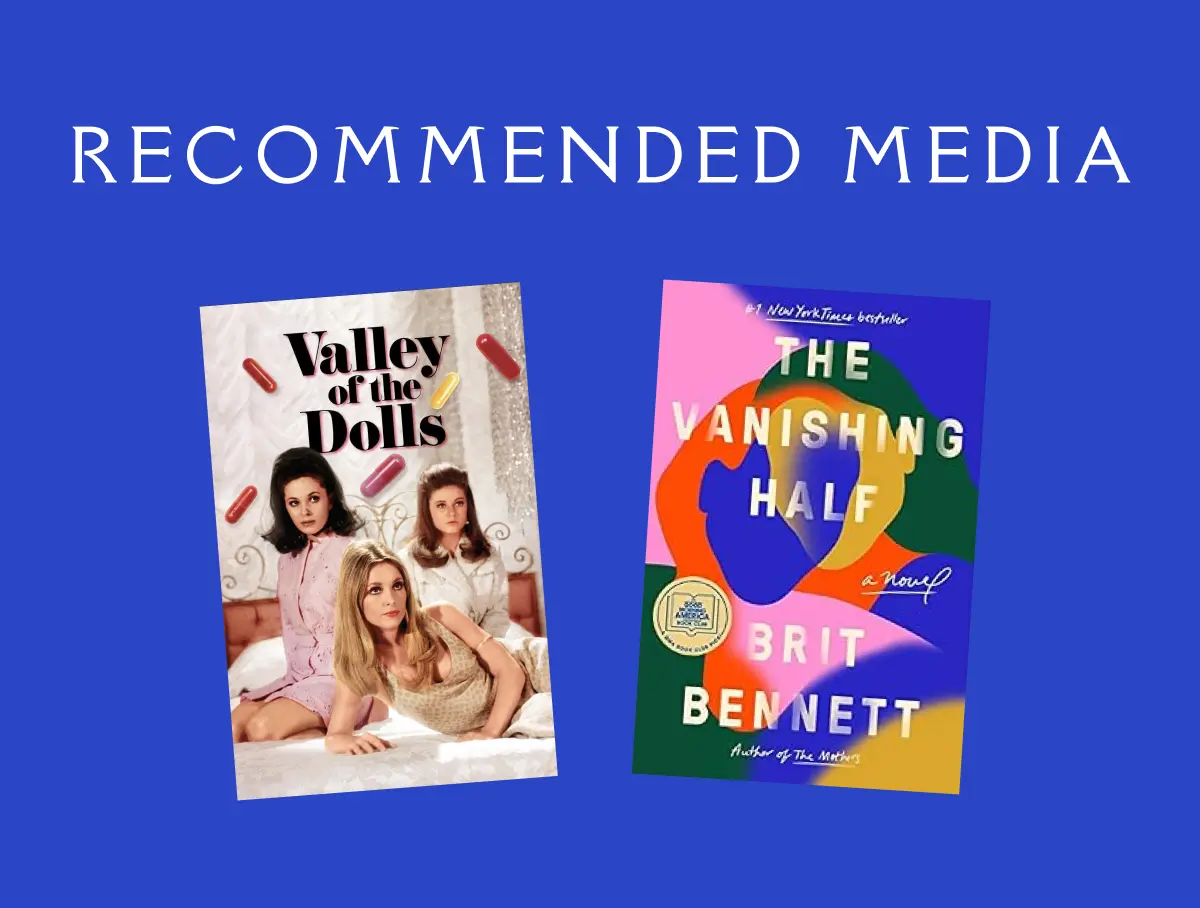
Recommended media? PS: This may be a spoiler
Valley of the Dolls meets The Vanishing Half
Interested in reviewing books for Lit Society? Join our growing team of member reviewers and help champion independent authors and unforgettable reads.