“Chivalry!—why, maiden, she is the nurse of pure and high affection… Nobility were but an empty name without her, and liberty finds the best protection in her lance and her sword.”
—Ivanhoe by Sir Walter Scott
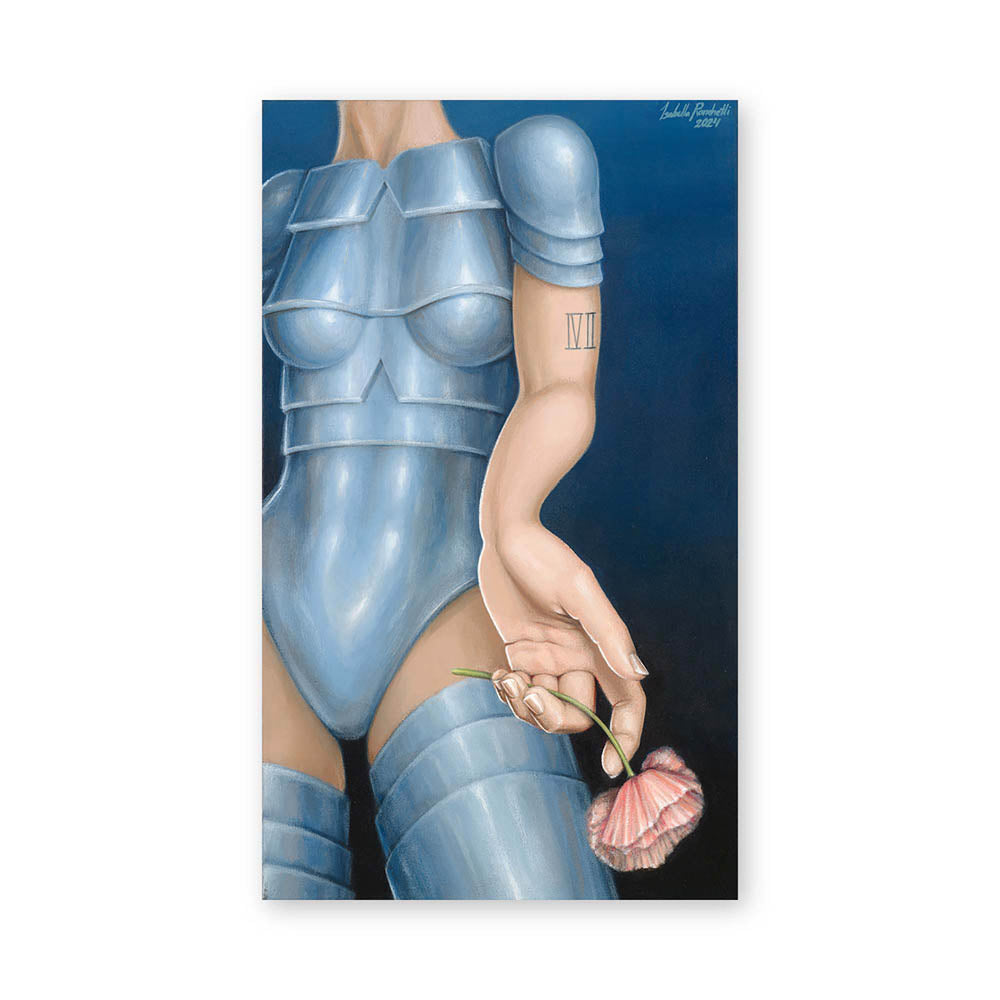
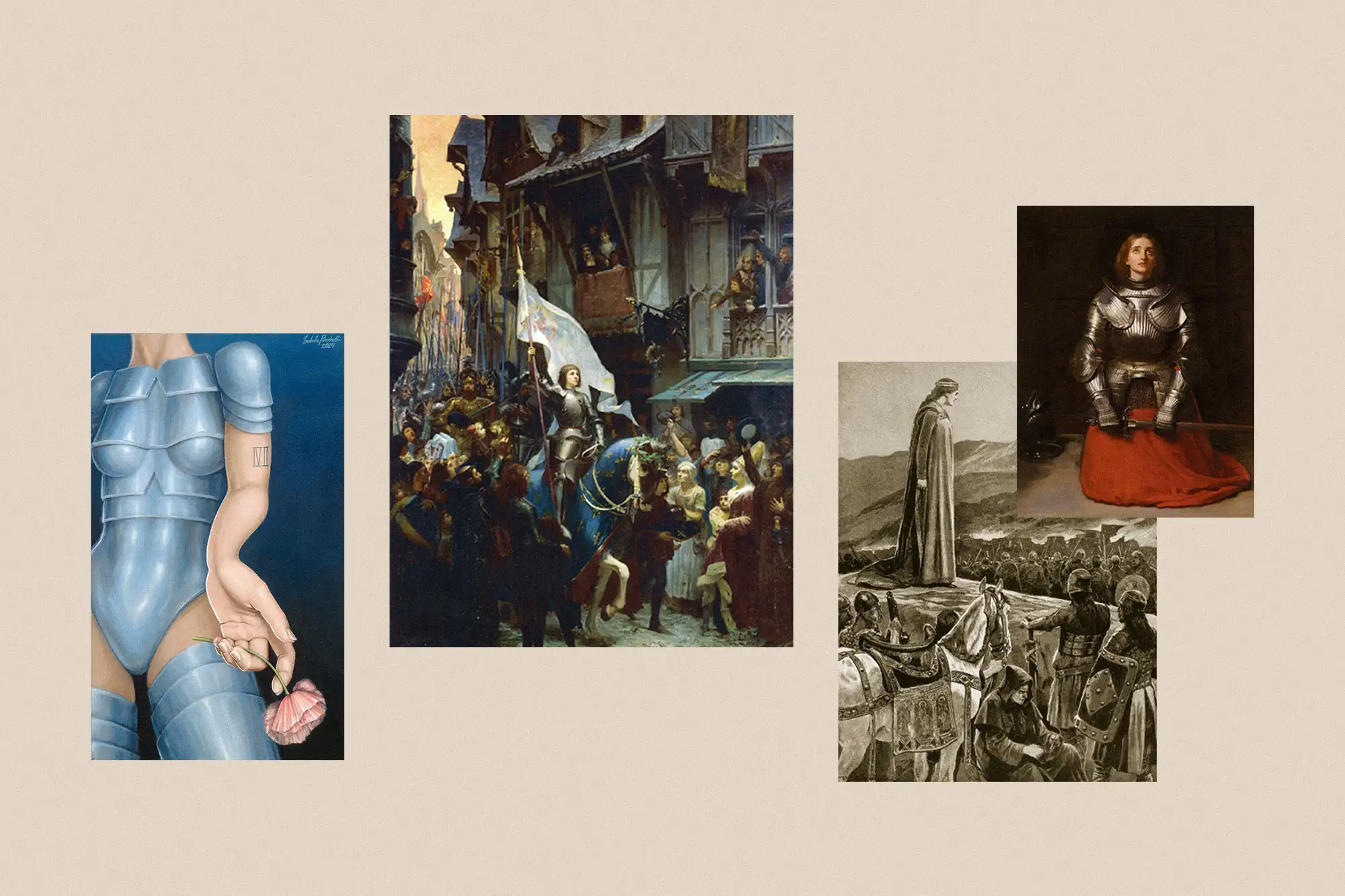
Apparently, chivalry is a woman. The “Lady Knight”—the armored woman who takes up the traditionally masculine codes of battle, honor, and chivalry—is having a moment in contemporary literature. From Brienne of Tarth in George R.R. Martin’s A Clash of Kings (1998) to V.L. Bovalino's The Second Death of Locke (2025) and Alix E. Harrow’s The Everlasting (2025), writers are returning again and again to an archetype with a long and complicated history—one perhaps most famously embodied by Joan of Arc.
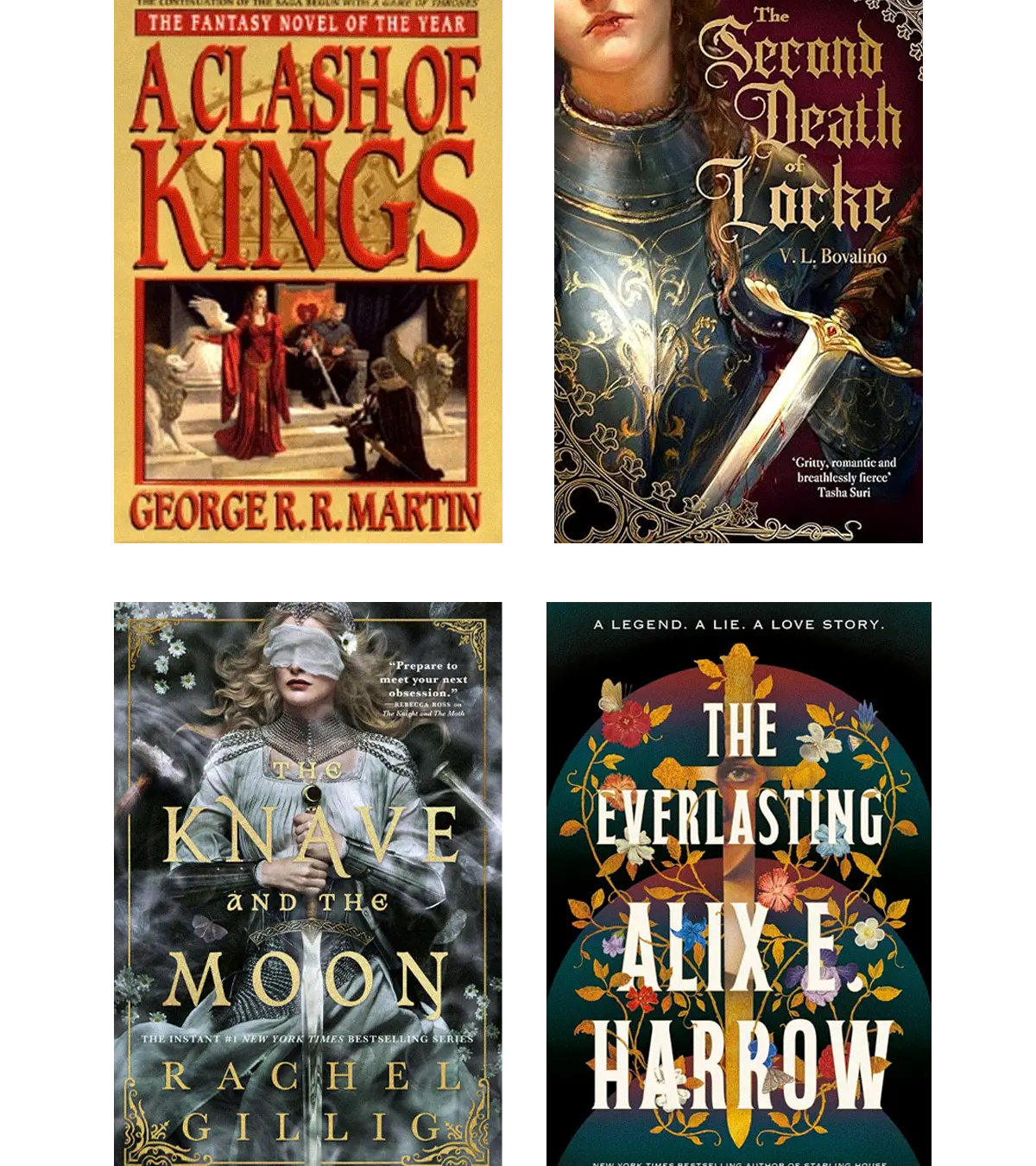
The recent publication of Rachel Gillig’s The Knave and the Moon (2026), the stunning second novel in her Stonewater Kingdom duology, offers yet another example of the archetype’s hold on our imagination and the many ways authors continue to reinterpret and transform it. Whether it's a story about a woman donning armor to take her father’s place, a soldier in a world where women naturally fill military ranks, or a figure caught between chivalry and patriarchy, the Lady Knight allows writers to explore—and subvert—the romanticized, deeply gendered codes of medieval knighthood.
But did lady knights actually exist?
Stories of warrior women have circulated across cultures for centuries: from the Greek Amazons and Norse shieldmaidens to the fierce women of the nomadic steppes. Knighthood, however, was a medieval institution embedded in a military class of mounted warriors in Europe and was overwhelmingly reserved for men.
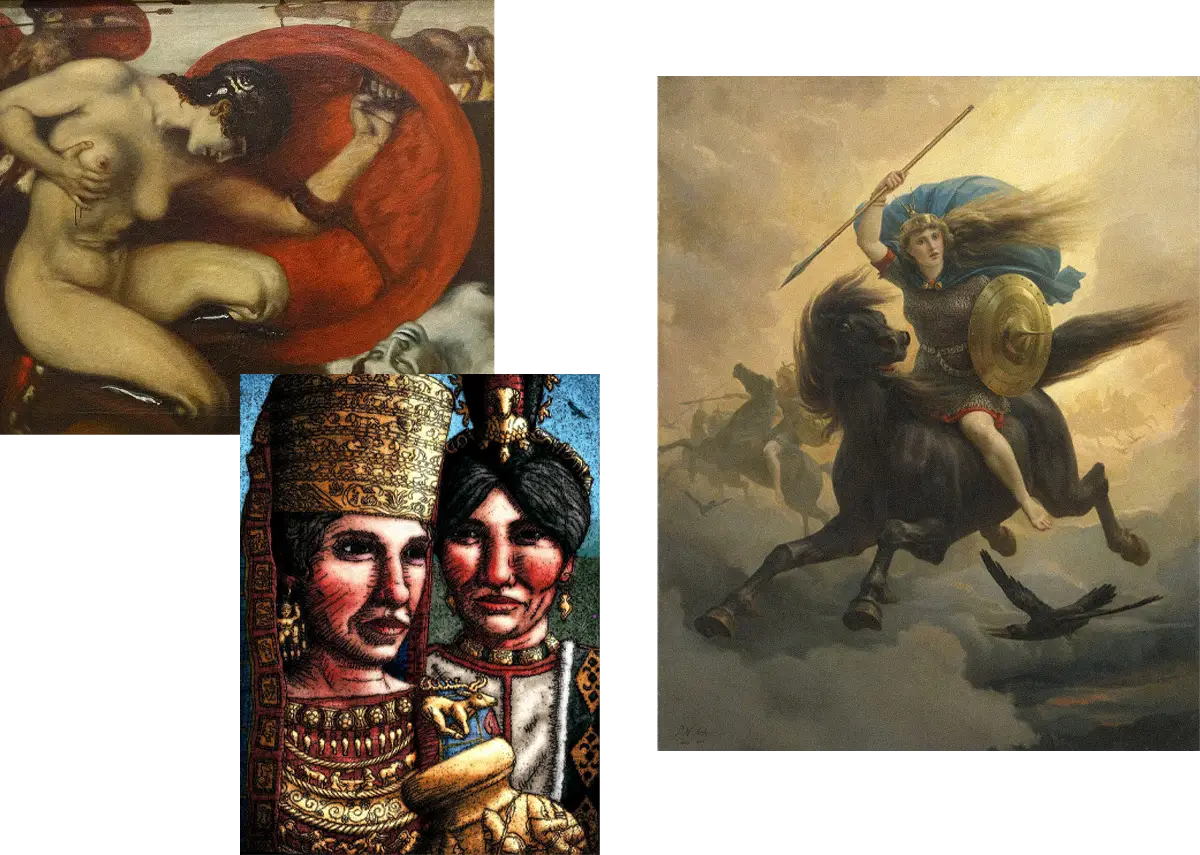
But taking part in warfare and holding the status of a knight were not the same thing. The women explored here are better understood as rulers and military leaders whose lives complicate the idea that medieval warfare belonged exclusively to men. Behind the female knights of our favorite stories are real historical women who defied the expectations of their time to don armor, command troops, and wield political and military power. Their stories are far less familiar than those of their fictional counterparts. So, as the Lady Knight rides once again through contemporary fantasy, it’s worth looking backward. Let's sharpen our pens—mightier than the sword—and look at the lives of three exceptional medieval female warriors.
Æthelflæd of Mercia
We begin in the 10th century with Æthelflæd of Mercia (ETH-ul-fled), also known as the Lady of the Mercians. The eldest daughter of Alfred the Great, King of Wessex, she famously defended her kingdom against Viking incursions and became one of the most powerful female rulers of early medieval England—more than 600 years before Elizabeth I.
After the death of her husband, Æthelred, in 911 CE, Æthelflæd became the ruler of Mercia, bearing the title Lady of the Mercians. The account of her life and military feats is recorded in The Anglo-Saxon Chronicle, a set of annals that recounts the early history of Britain. Her world was one of constant war and strife, as large parts of England, namely Northumbria and East Anglia, were under Danish Viking rule. She worked closely with her brother, Edward the Elder, their father’s successor, to develop a network of fortified settlements and reclaim English territory from Viking control. Their coordinated campaigns helped lay important groundwork for the later unification of England.
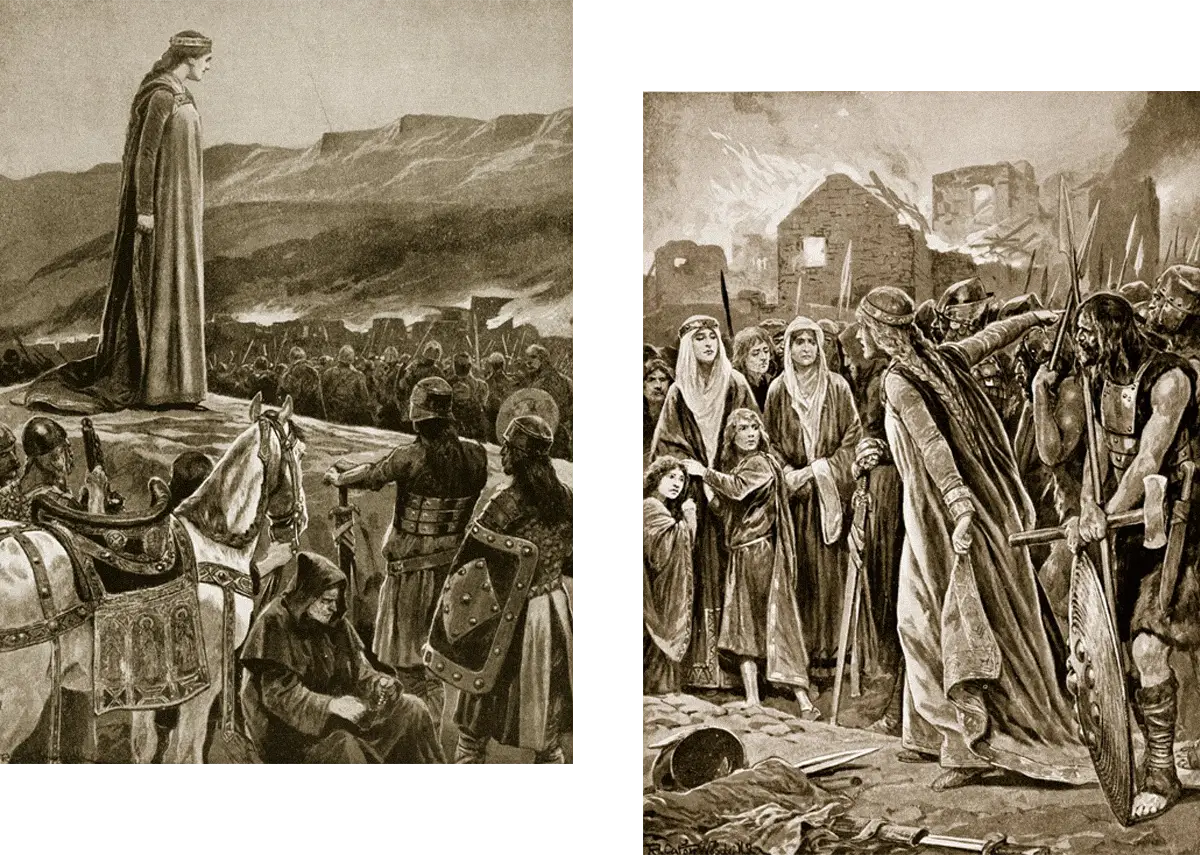
In 916, Æthelflæd sent her army into Wales in retaliation for the murder of a Mercian abbot, taking the king’s wife hostage along with 34 others. The following year, she sent an army to capture Derby, one of five Viking strongholds, an event that is described as her greatest victory. Her military renown allegedly grew so terrifying that the rulers of York offered her their complete submission in 918. She died that year before the agreement could be realized and was buried at Gloucester. She was briefly succeeded by her daughter, Ælfwynn, a rare instance of power being passed from woman to woman.
Æthelflæd’s rule was exceptional in Anglo-Saxon England, where independent female rulership was exceedingly rare. Henry of Huntingdon, a 12th-century English historian, celebrated her in strikingly gendered terms: “O mighty Æthelflæd! O virgin, the dread of men, conqueror of nature, worthy of a man’s name! Nature made you a girl, so you would be more illustrious; your prowess made you acquire the name of man.” More recently, Æthelflæd has been compared to J.R.R. Tolkien’s shieldmaiden Éowyn in The Lord of the Rings. Éowyn may be more familiar to modern readers, but her renown should not eclipse the extraordinary legacy, power, and bravery of Æthelflæd herself.
Duchess Sikelgaita of Lombardy
Another warrior woman emerges on the scene in the 11th century. Duchess Sikelgaita was a powerful Lombard princess who married the Norman conqueror Robert Guiscard, Duke of Apulia and Calabria, forging a political alliance in Southern Italy. Our most vivid account of her battle prowess comes from a text written several decades later, the Alexiad, by the Byzantine princess Anna Komnena. In this record, we see the complex portrait of a woman who was both a wife and a fierce warrior, described as “a towering, muscular figure with Herculean strength.”
Anna reports that Sikelgaita was a constant presence at Robert’s side, “like a second Athena,” during his campaigns against the encroaching Byzantines. “She went on campaign with her husband, and when she donned armour she was indeed a formidable sight.” Sikelgaita was described as having great military authority and influence over Robert’s actions; Anna famously details how the duchess, during the 1081 Battle of Dyrrhachium, “grasped a long spear [with a banner] and charged at full gallop,” rallying her fleeing soldiers and inspiring them to pick up arms and continue to fight. “‘How far will ye run? Halt! Be men!’” she shouted.
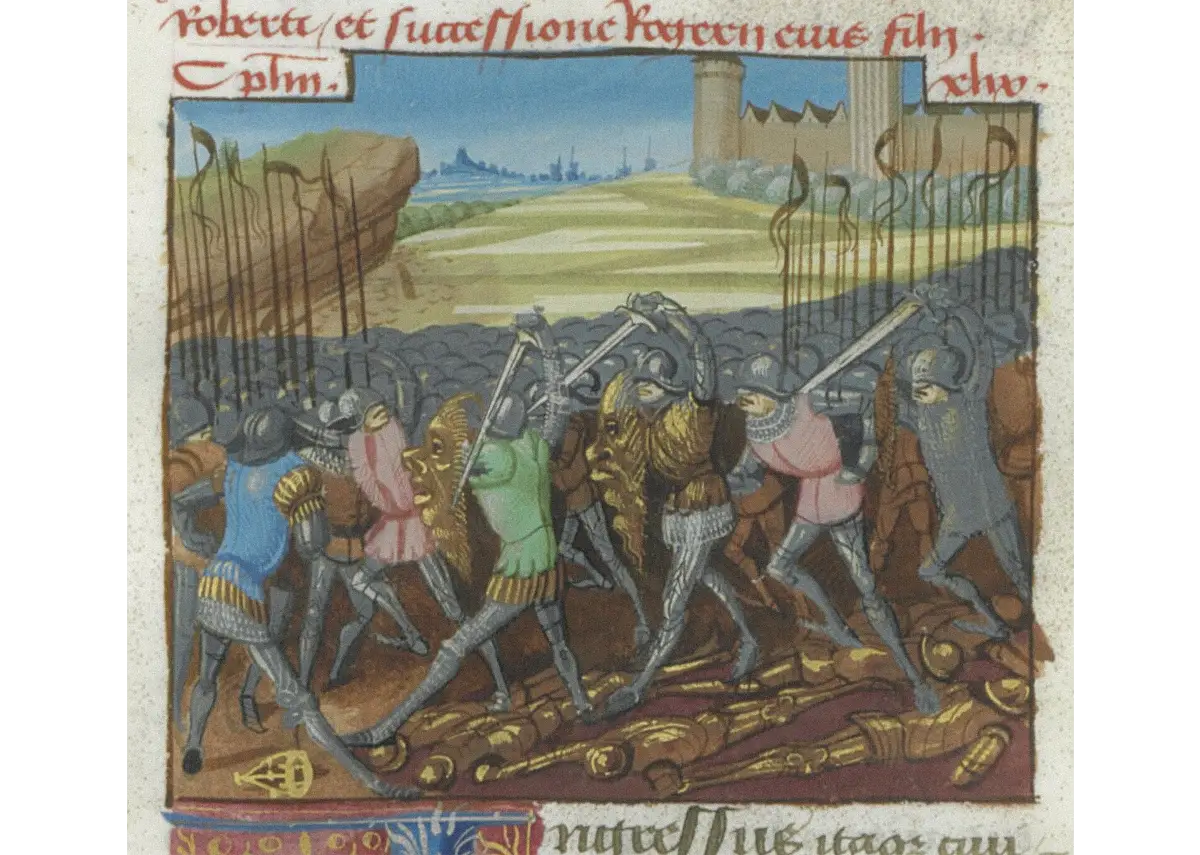
Many historians view Anna’s account as an exaggeration, and there is no way to know if Sikelgaita was ever actually active in combat. Anna may have included this episode to embarrass the Normans for needing a woman to fight for them. Whatever the truth of Anna’s account, Sikelgaita did hold genuine authority and was a formidable presence on military expeditions alongside her husband. After securing her son Roger Borsa’s succession, she died in 1090, five years after the death of her husband, and was buried at the Abbey of Montecassino in Italy. While not a household name, Sikelgaita’s story positions her as one of the most influential and unique women of her day.
Joan of Arc
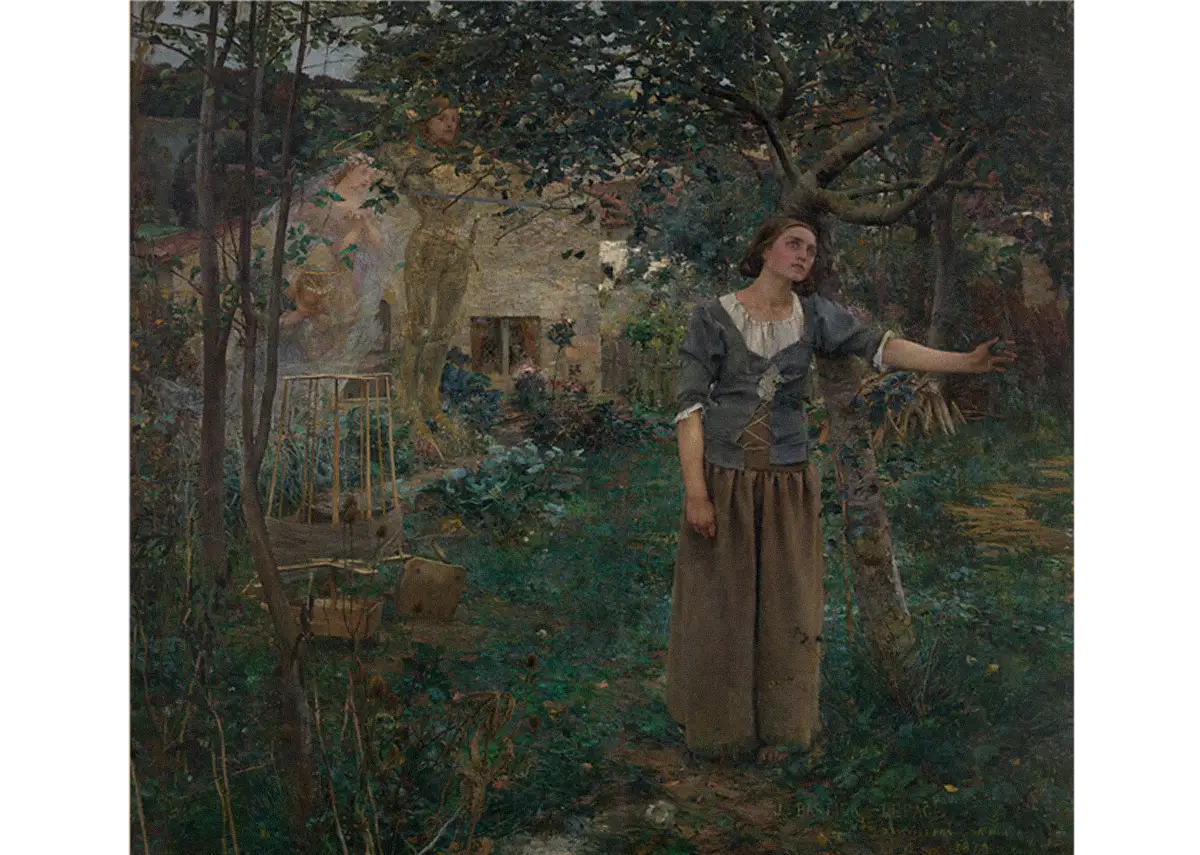
Our final historic “lady knight” needs no introduction. To me, the Maid of Orléans is the ghost behind every single woman-warrior in literature. She lives in the collective imagination as a symbol of female power, strength, and conviction. Possibly the most well-studied figure of the Middle Ages, Joan of Arc was born in the 15th century during the Hundred Years’ War (1337–1453) against the English in Domrémy, France. Illiterate and born into a family of propertied peasants, the account of her life and military campaigns comes from personally dictated letters and the detailed accounts of her trial and execution. A devout Catholic, Joan spent much of her childhood spinning wool and helping her father in the field and garden.
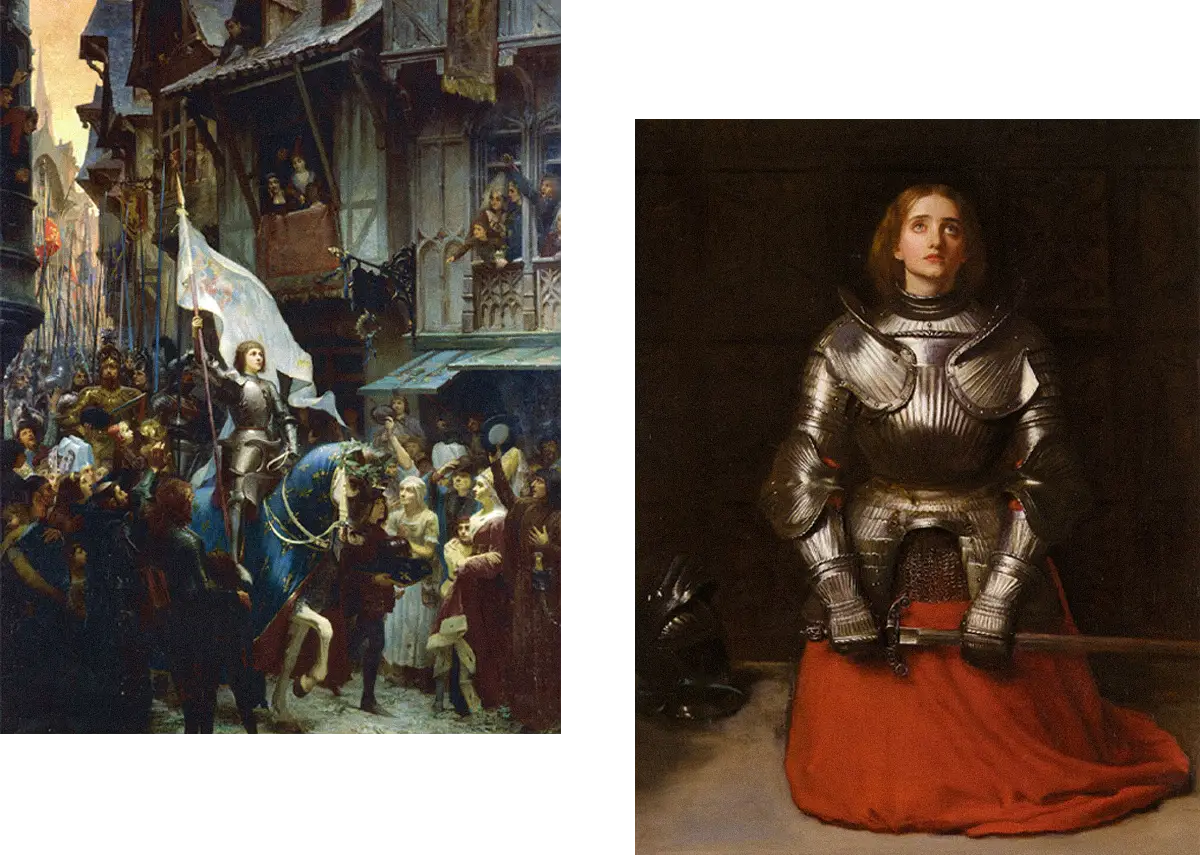
When she was 13 years old, she reported receiving visions of the Archangel Michael and other saints, who urged her to march on Orléans and liberate France from the English. This divine inspiration guided her to travel to the court of the Dauphin Charles VII in Chinon, ultimately convincing him of her mission. In 1429, she cut her hair short, donned armor, and accompanied French forces to the Siege of Orléans, quickly winning the respect of her fellow soldiers and playing a highly visible role in the campaign despite holding no conventional military command.
Stubborn, direct, and tenacious, Joan is said to have ridden out in full armor, banner aloft, and rallied the soldiers during the attack on the Bastille de Saint-Loup. This act allowed them to reclaim the fortress. She paved the way for Charles to be crowned king at Reims. In 1430, however, Joan was captured by the Burgundians and sold to the English. There is no evidence that Charles ever tried to recover her. She was put on trial and condemned for blasphemy, for wearing men’s clothing, and for heeding “demonic visions.”
Records of the trial portray Joan as prudent, composed, and unwavering in her convictions. Centuries later, French historian Pierre Champion drew on those records to describe her as embodying “all the courtliness and the grace of France; all the chivalry that one could possibly have found in her time,” along with “the prestige of a leader.” She was burned at the stake in 1431, at the age of 19. Her conviction was overturned in 1456, 25 years after her death. Nearly five centuries later, in 1920, she was canonized as a saint and is today recognized as one of the patron saints of France.
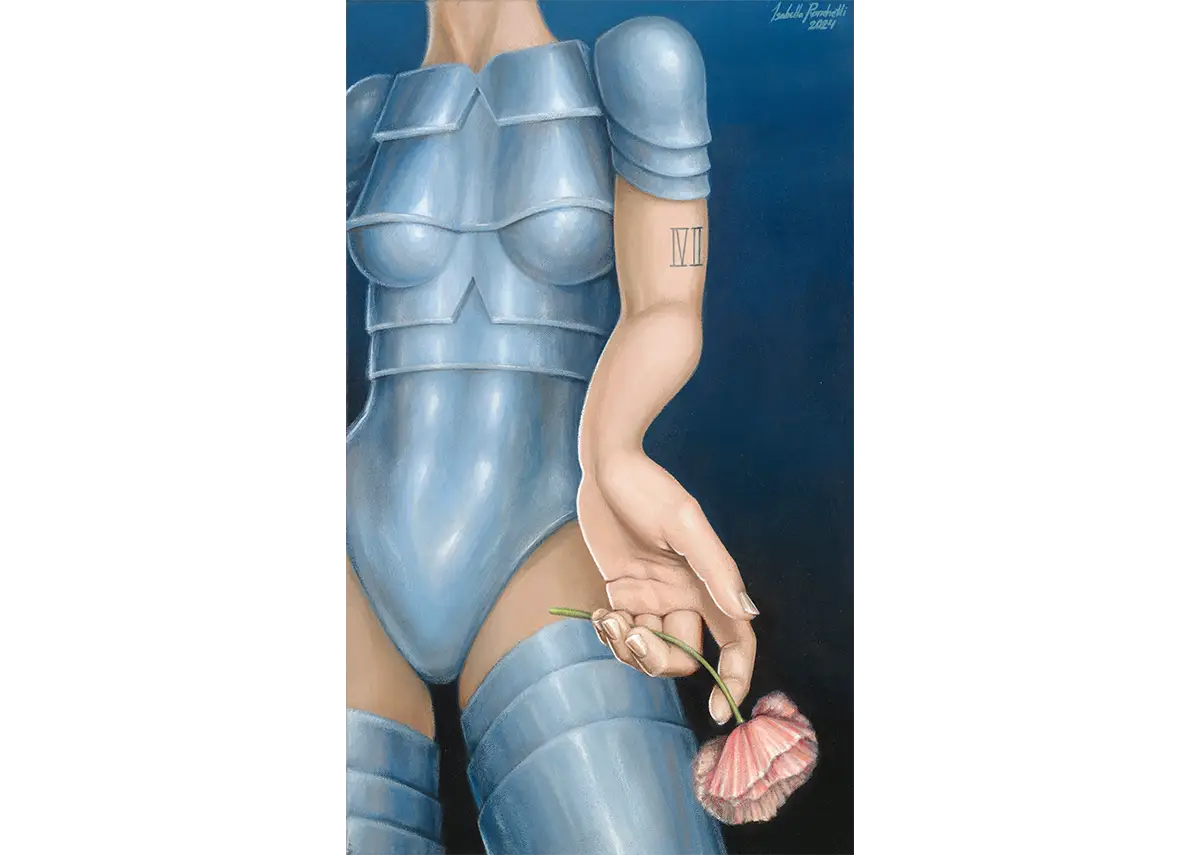
“My armor may dent, my sword may break, but I will never diminish,” Rachel Gillig writes in The Knight and the Moth (2025). I can’t help but think how perfectly this line captures Joan’s unwavering spirit in the face of adversity and even death.
Saint, soldier, wife, queen, woman. The legacies of these real, complex medieval women who took up armor and banners live on in the figures of contemporary fantasy. Their stories of bravery and perseverance have been retold, reinterpreted, and mythologized, providing a very real historical foundation for the female warriors who continue to populate fiction. Like their literary counterparts, these women overcame extraordinary hardships and challenged gender norms and rigid expectations for women, claiming power and authority in spaces normally dominated by men.
So, do me a favor: the next time a Lady Knight rides onto the page, take a gander through history and honor the real women who made these fantastical figures of female strength and power a fantasy rooted in truth.
For Further Reading
- Campbell, Gordon. “Joan of Arc.” The Oxford Dictionary of the Renaissance. Oxford University Press, 2003. Oxford Reference
- Champion, Pierre. On the Trial of Jeanne d’Arc and Dramatis Personae. Internet Medieval Sourcebook, Fordham University. Internet Medieval Sourcebook
- DeVries, Kelly. Joan of Arc: A Military Leader. Sutton Publishing, 1999.
- Hardie, Rebecca A., ed. Æthelflæd, Lady of the Mercians, and Women in Tenth-Century England. Medieval Institute Publications, 2023.
- Harrison, Kathryn. Joan of Arc: A Life Transfigured. Doubleday, 2014. Internet Archive
- Insley, Charles. “Southumbria.” In A Companion to the Early Middle Ages: Britain and Ireland c. 500–c. 1100, edited by Pauline Stafford, pp. 322–340. Wiley-Blackwell, 2009.
- Komnena, Anna. The Alexiad. Edited and translated by Elizabeth A. Dawes. Routledge, Kegan, Paul, 1928. Books I.15 and IV.6. Internet Medieval Sourcebook
- Norwich, John Julius. Byzantium: The Decline and Fall. Knopf, 1996, pp. 18–19.
- Skinner, Patricia. “‘Halt! Be Men!’: Sikelgaita of Salerno, Gender and the Norman Conquest of Southern Italy.” Gender & History, vol. 12, 2000, pp. 622–641. DOI
- The Anglo-Saxon Chronicle: Tenth Century. The Avalon Project, Yale Law School. The Avalon Project
- “Aethelflaed, Lady of the Mercians, Chosen by Tom Holland.” BBC, April 16, 2019. Podcast.