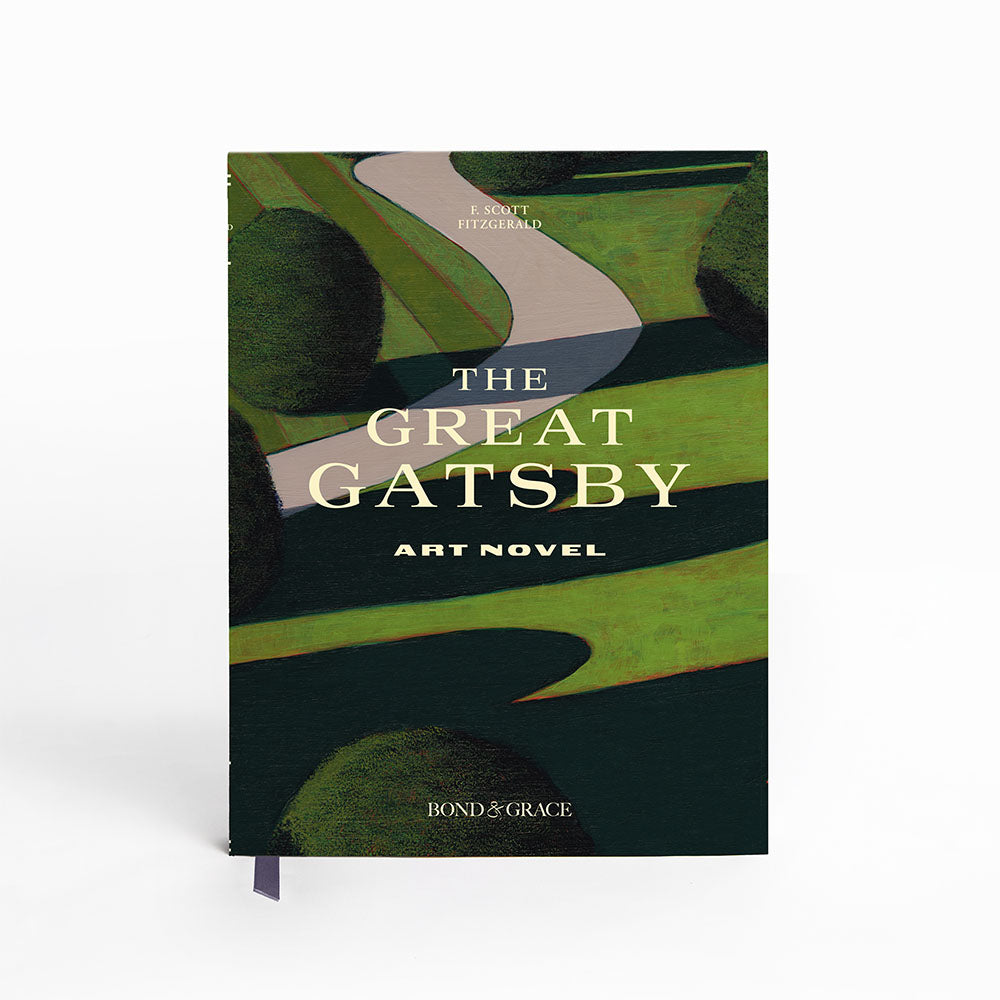
F. Scott Fitzgerald’s The Great Gatsby has enjoyed a year worthy of one of its own extravagant parties. One hundred years after its publication, the novel has been celebrated through a wave of centennial editions, the Broadway musical’s transfer to London’s West End, and a surge of new adaptations and cultural retrospectives around the globe—all reexamining Gatsby’s enduring legacy. And just because the year is drawing to a close doesn’t mean the celebration has to end. Whether you’re reinventing yourself like James Gatz or watching the drama unfold from the sidelines like Jordan Baker, here is a selection of books inspired by each character to help you ring in the new year.
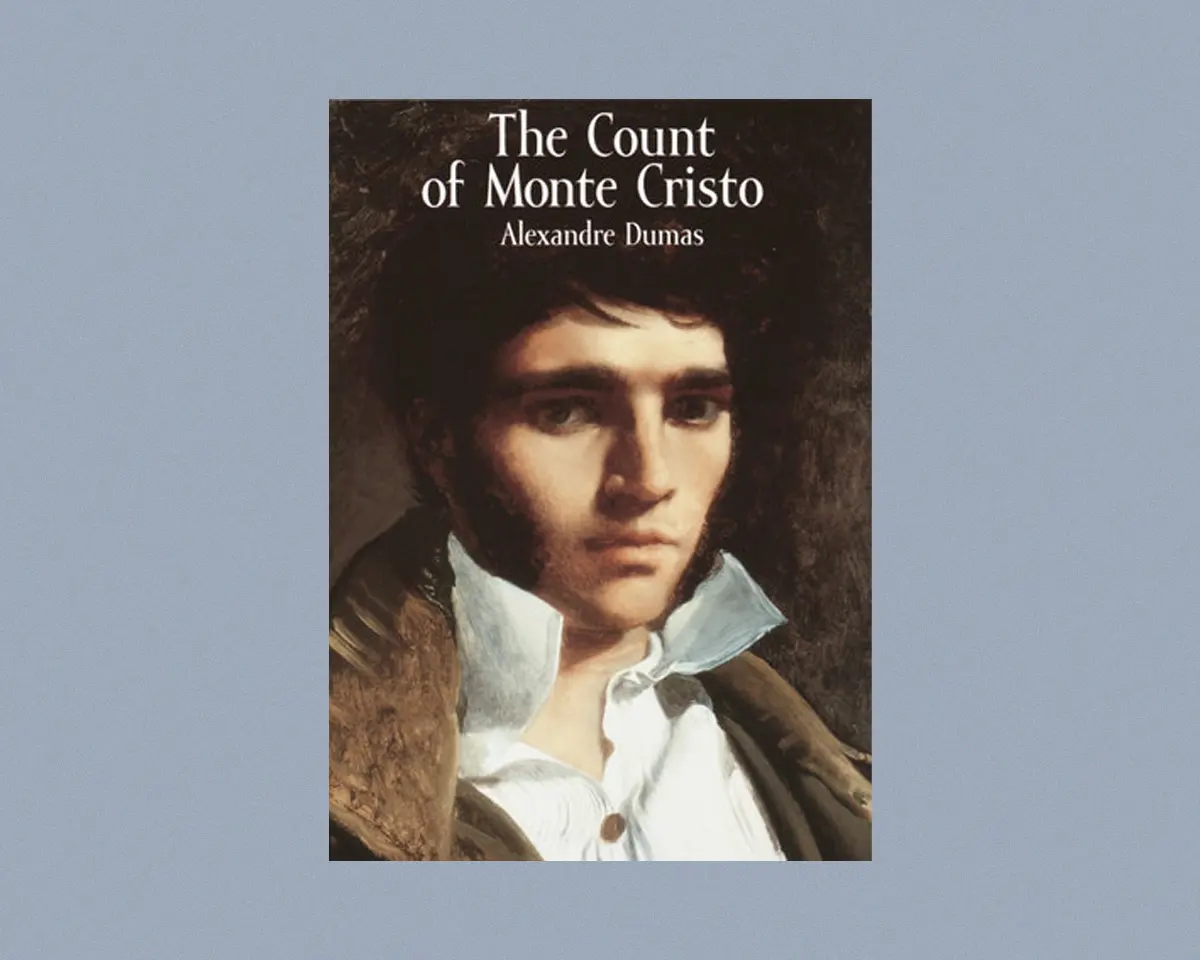
For Jay Gatsby, The Count of Monte Cristo (1844) by Alexandre Dumas
Byronic heroes Edmond Dantès and Jay Gatsby, driven by love, reinvent who they are as they take on new aliases. United in their obsessive pursuits of a lifestyle they cannot cling to, they realize they live in a reality structured against them. Alexandre Dumas’ The Count of Monte Cristo thematically encapsulates what it means to be Jay Gatsby.
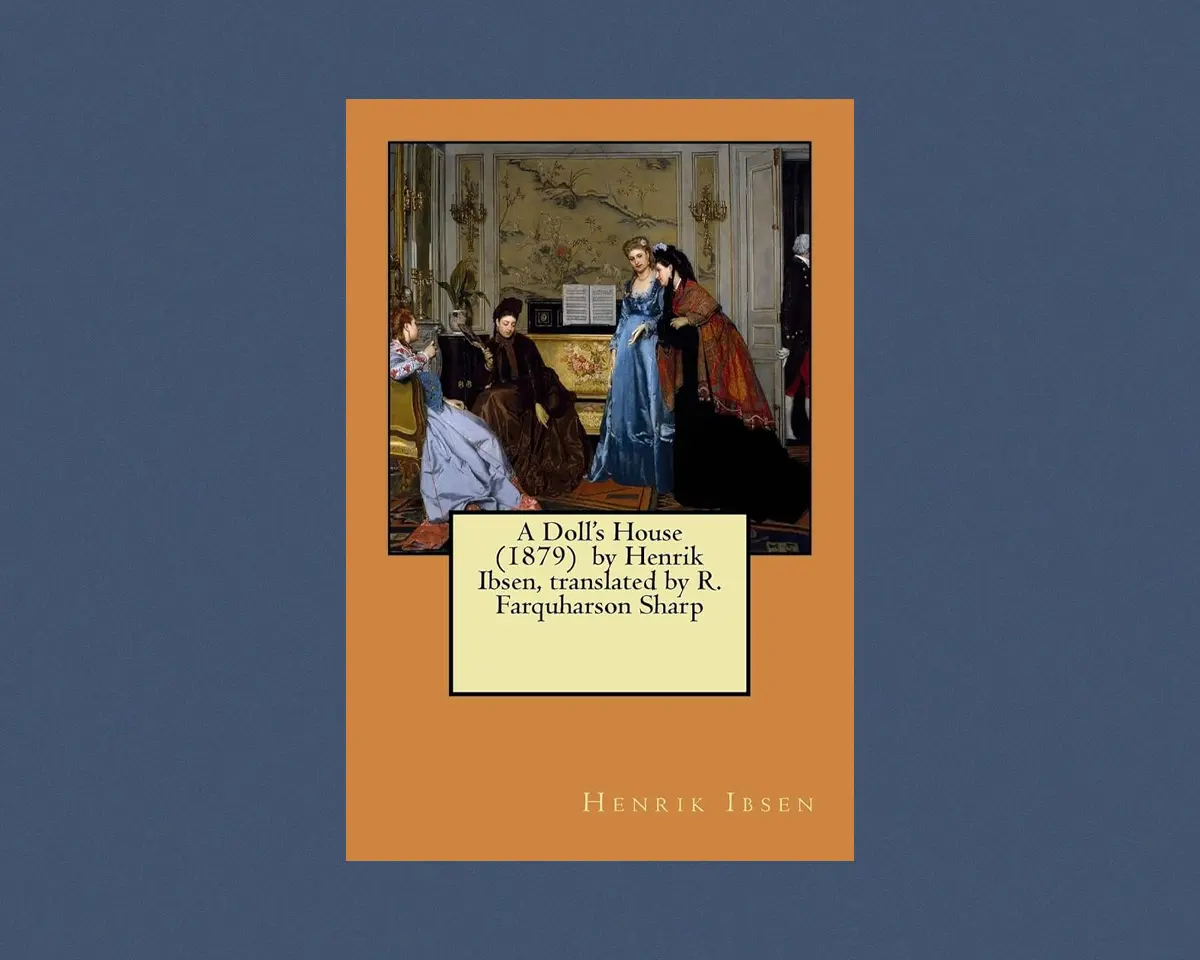
For Daisy Buchanan, A Doll’s House (1879) by Henrik Ibsen
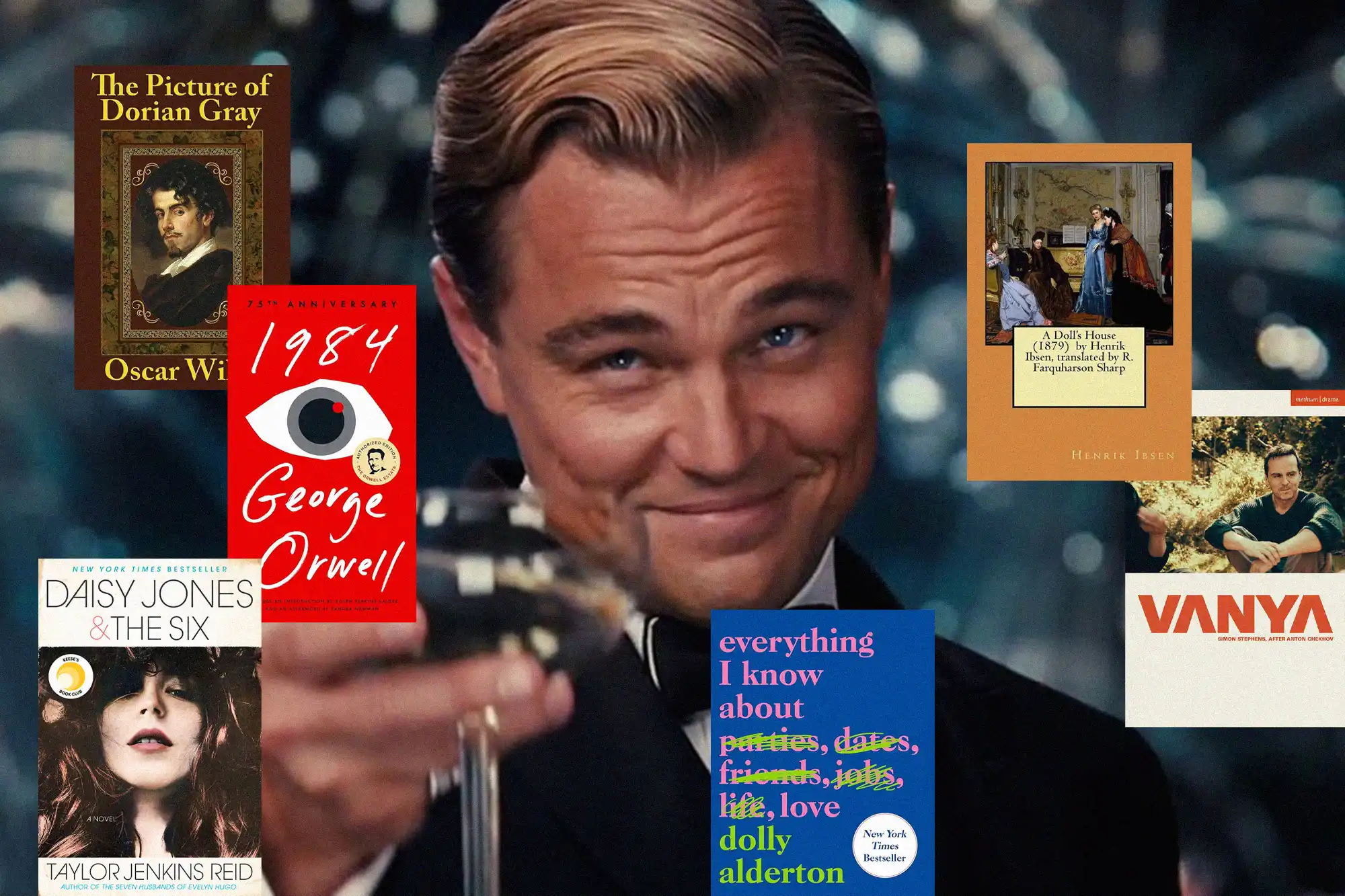
Henrik Ibsen’s play A Doll’s House follows Nora, a “doll” wife trapped in an unequal marriage. Tom’s attitude toward Daisy reflects Torvald’s treatment of Nora. From Norway to America, and separated by almost fifty years, the play highlights high society’s inability to change. The play’s sanitized ending, in which Nora decides to go back on her decision to leave her marriage and asks Torvald to forgive her, reflects Tom and Daisy going “back into their money or their vast carelessness.” One can only hope that Daisy follows Ibsen’s true ending, with Nora walking out.
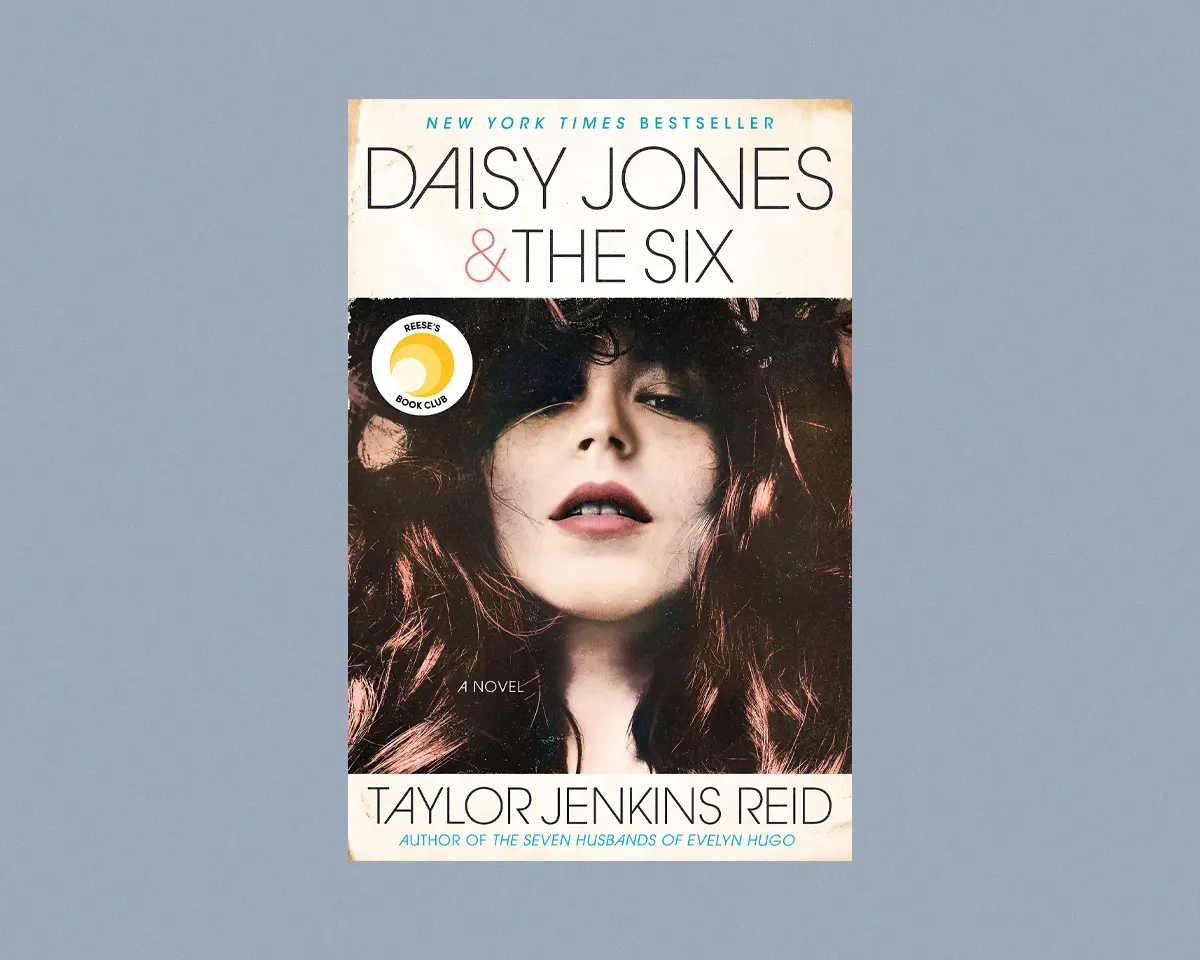
For Jordan Baker, Daisy Jones & The Six (2019) by Taylor Jenkins Reid
On the surface, Taylor Jenkins Reid’s Daisy Jones & The Six seems like a superficial retrospective on a rock band’s rise to fame. Delve further and it becomes an exposé packed with drama. Raw and flawed, everyone is hurting, much like the characters in The Great Gatsby, and Jordan’s final encounter with Nick feels reminiscent of the novel’s bittersweet ending. And of course, it wouldn’t be a Jordan Baker pick if it didn’t include a few parties.

For Pammy Buchanan, The Secret Garden (1911) by Frances Hodgson Burnett
The idea of giving Pammy Buchanan The Secret Garden may seem like offering her a place of her own to retreat into her parents’ “vast carelessness.” Frances Hodgson Burnett’s novel, however, allows Mary a space for self-discovery, overcoming passivity and personal struggles, and cultivating emotional regulation. With a father like Tom, whose emotions make him manipulative and distant, and a mother like Daisy, whose emotions are scattered and flighty, The Secret Garden would be the perfect book to teach Pammy how to metamorphose into a better person.

For Nick Carraway, Vanya (2012) by Simon Stephens (adapted from Anton Chekhov’s Uncle Vanya (1899))
Throughout The Great Gatsby, we have front-row seats to Nick’s mind, from his thoughts on others to what makes him tick. Stephens’ one-person adaptation of Vanya offers insight into each character as we watch their lives unfold through a single actor. This intimate examination emphasizes the messiness of human nature and the interconnectedness of lives. Both Vanya and The Great Gatsby represent everyone’s pursuit of meaning.
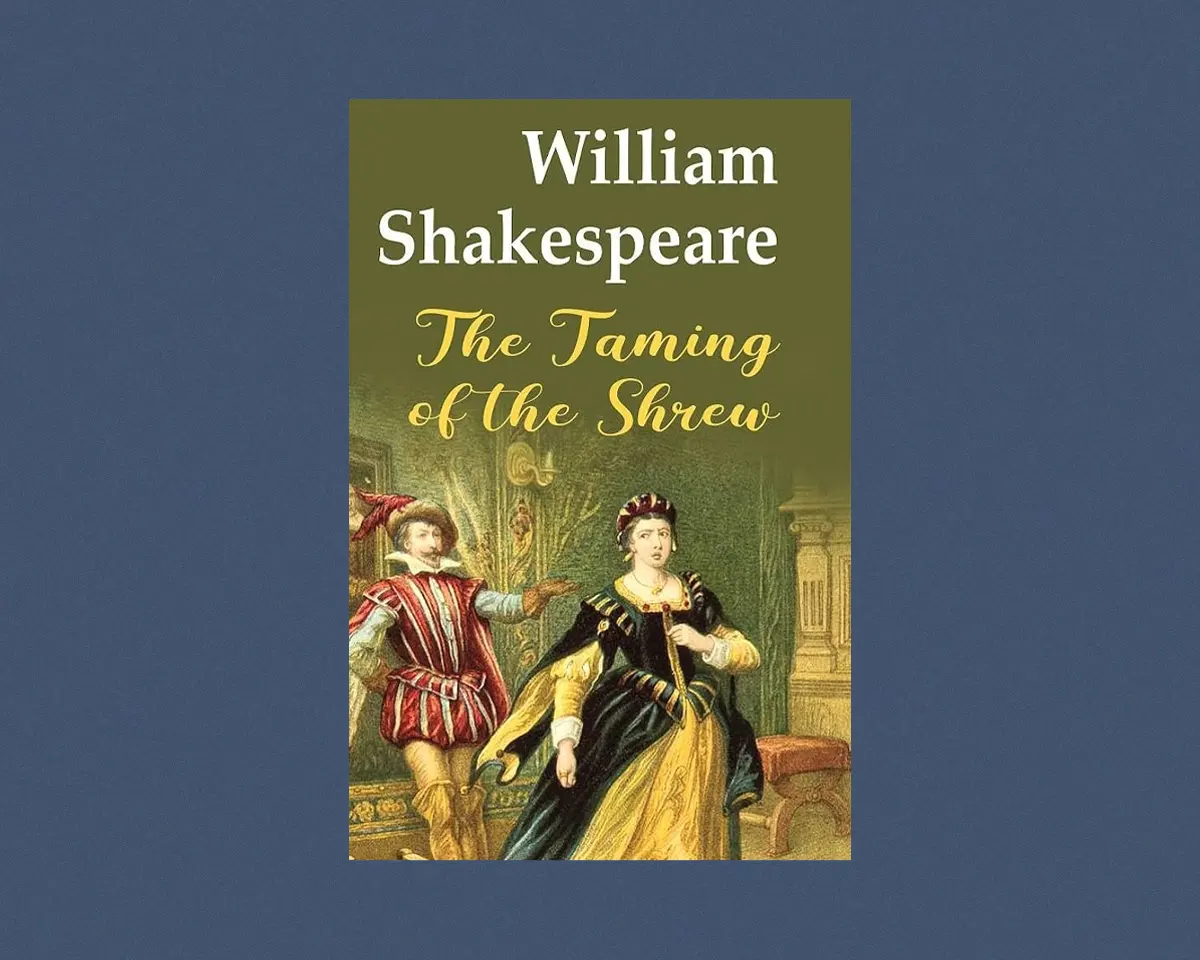
For Tom Buchanan, The Taming of the Shrew (c. 1590–1592) by William Shakespeare
Shakespeare’s The Taming of the Shrew explains the duality and manipulative nature of Tom Buchanan. The protagonist, Petruchio, claims he can “tame the shrew” Katherina and spends the play proving it. His egocentric, selfish behavior epitomizes Tom and the way he carries himself and treats others. If Tom ever picked up the play, he would be the type to root for Petruchio—even though it’s clear he’s making Katherina’s life miserable.
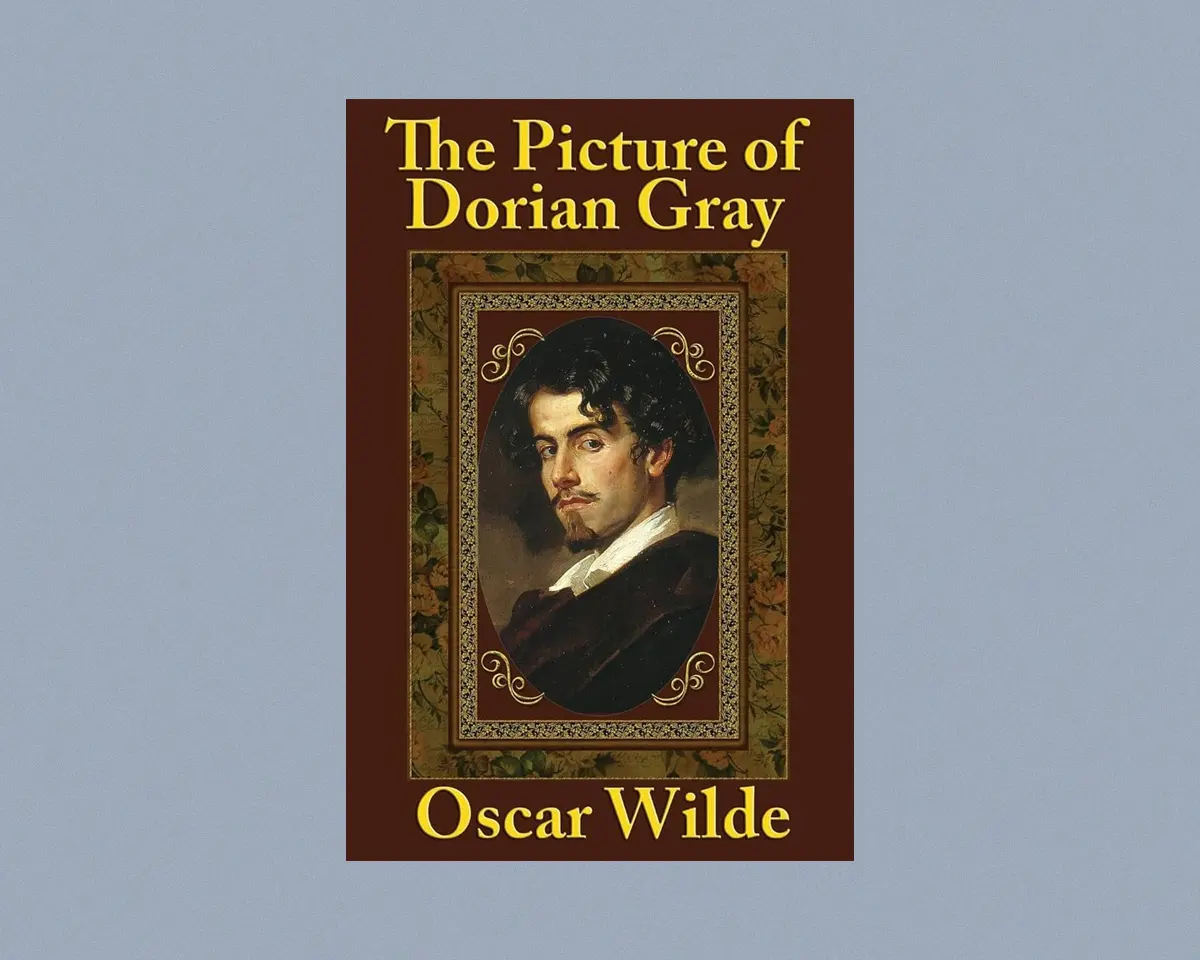
For Meyer Wolfsheim, The Picture of Dorian Gray (1890) by Oscar Wilde
Dorian Gray’s insatiable lust for power and money may seem like the perfect portrait of Wolfsheim. But Wolfsheim feels more akin to Lord Henry Wotton, influencing Dorian and his eventual downward spiral. Without Henry’s magnetic charm, Dorian may never have fallen from grace. The same can be said of Wolfsheim’s partnership with Gatsby. The downfall of many characters in the novel can also be traced back to Wolfsheim.
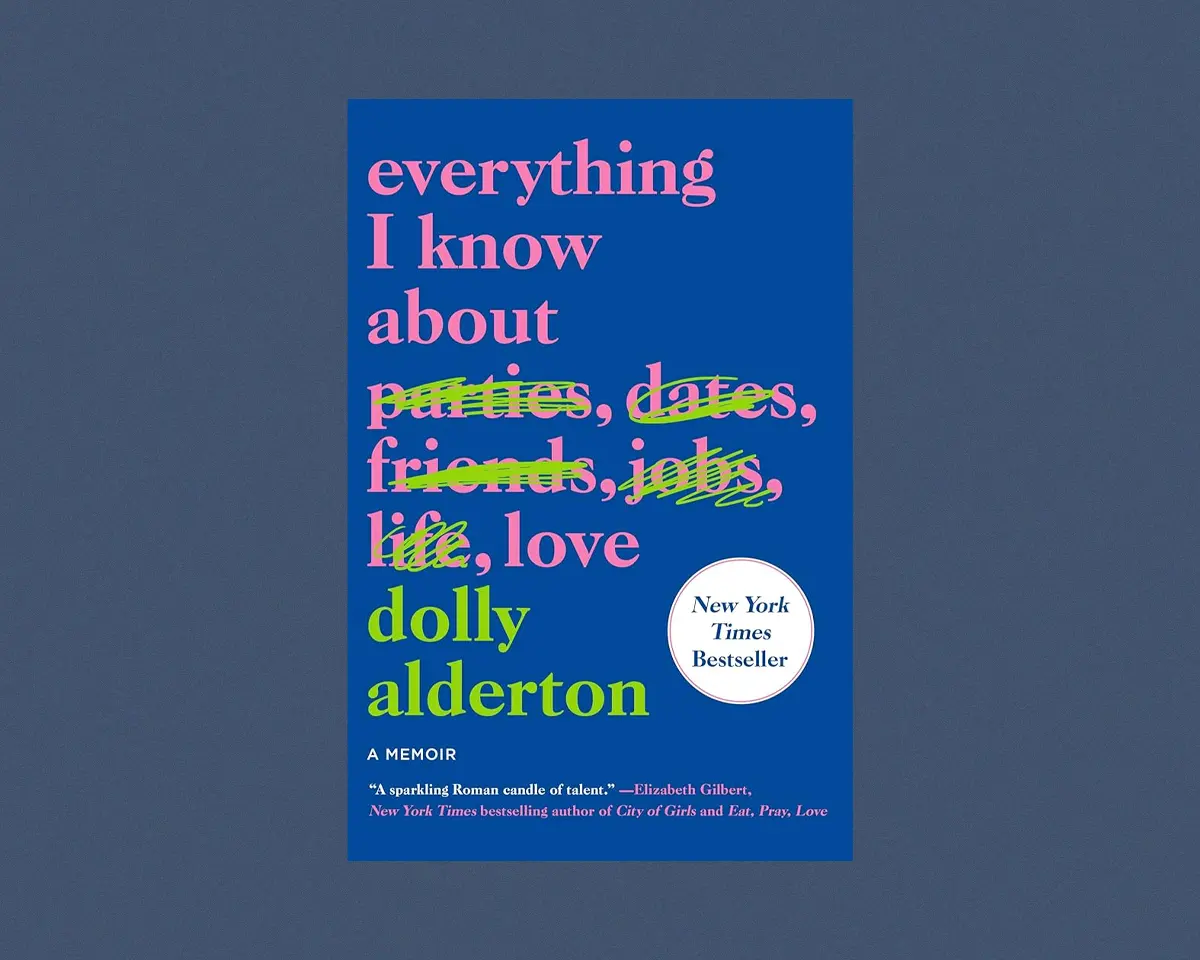
For Myrtle Wilson, Everything I Know About Love (2018) by Dolly Alderton
In her memoir Everything I Know About Love, Dolly Alderton reflects on familial, friendship, and romantic relationships. If Myrtle had a better relationship with her sister, or if she had met George at a different time in her life, perhaps her story would have looked different. Both Alderton and Fitzgerald examine relationships up close, evaluating what experience teaches us.
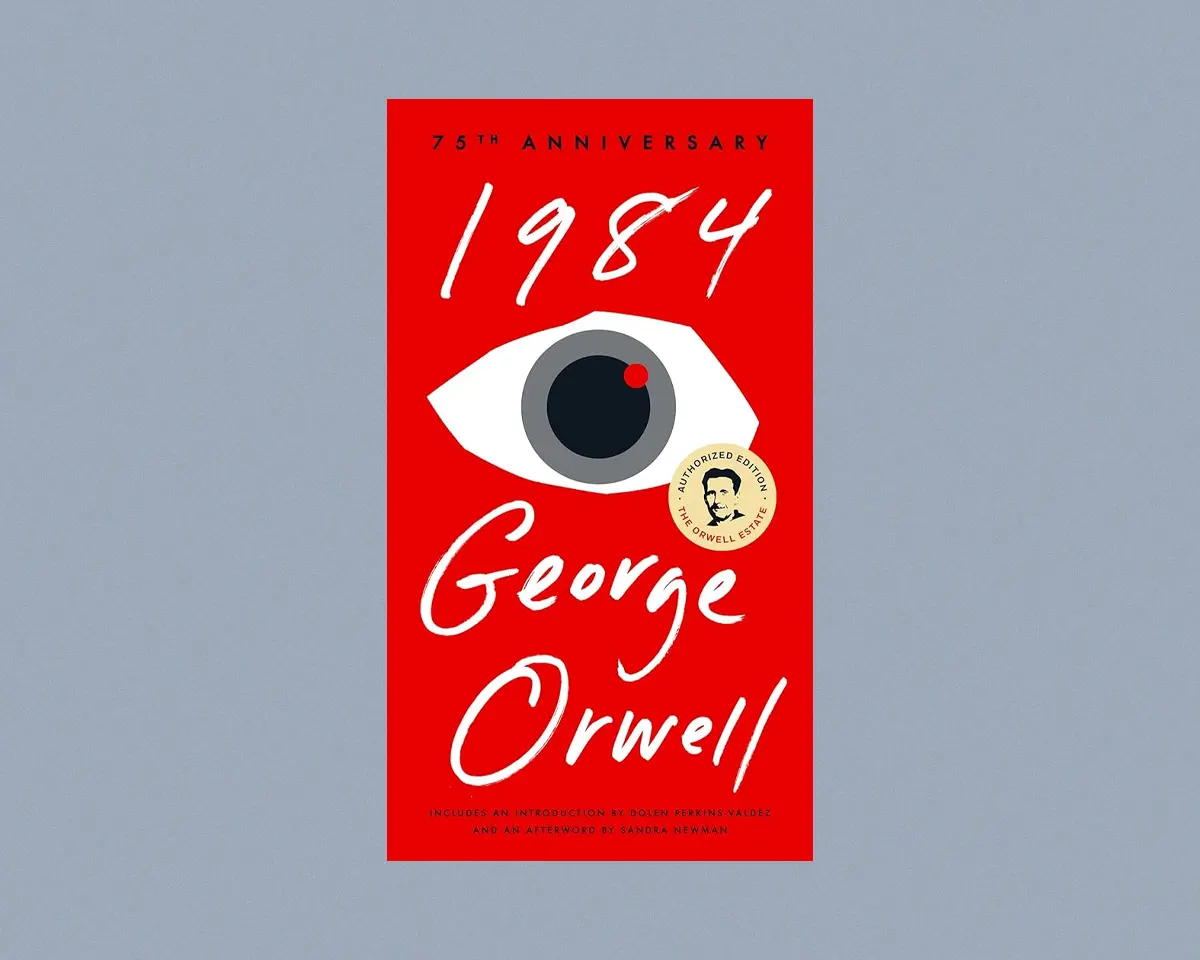
For George Wilson, 1984 (1949) by George Orwell
Looming billboard eyes and an invisible overseer? George Wilson’s reverence for Doctor T. J. Eckleburg’s billboard as a stand-in for God mirrors the citizens of Oceania’s blind loyalty to Big Brother. George’s suppressed individuality, as he works like a cog in a machine in his garage, reflects the oppression of Orwell’s citizens. While it wouldn’t alleviate his hopelessness, the novel might prompt him to think critically and realize there is more to life than repetition.
As the year comes to an end, hopefully this list will inspire you to pick up a new book—or revisit a favorite. Let’s keep a party that Gatsby himself would be proud of roaring into the new year. And finally, in the words of Nick Carraway:
“Gatsby believed in the green light, the orgastic future that year by year recedes us. It eluded us then, but it’s no matter— tomorrow we will run faster, stretch our arms out farther… And on one fine morning—So, we beat on, boats against the current, borne back ceaselessly into the past.”