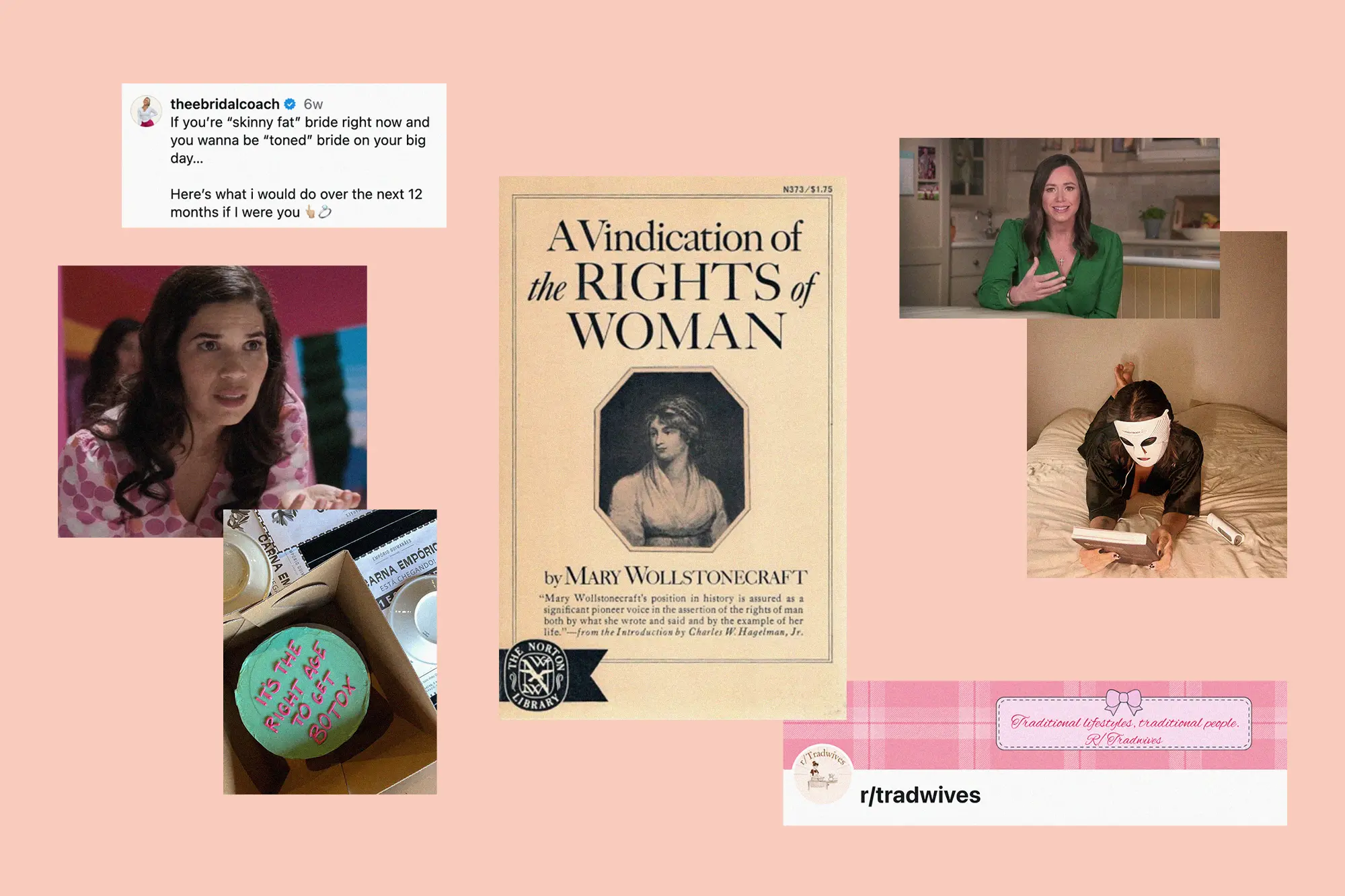
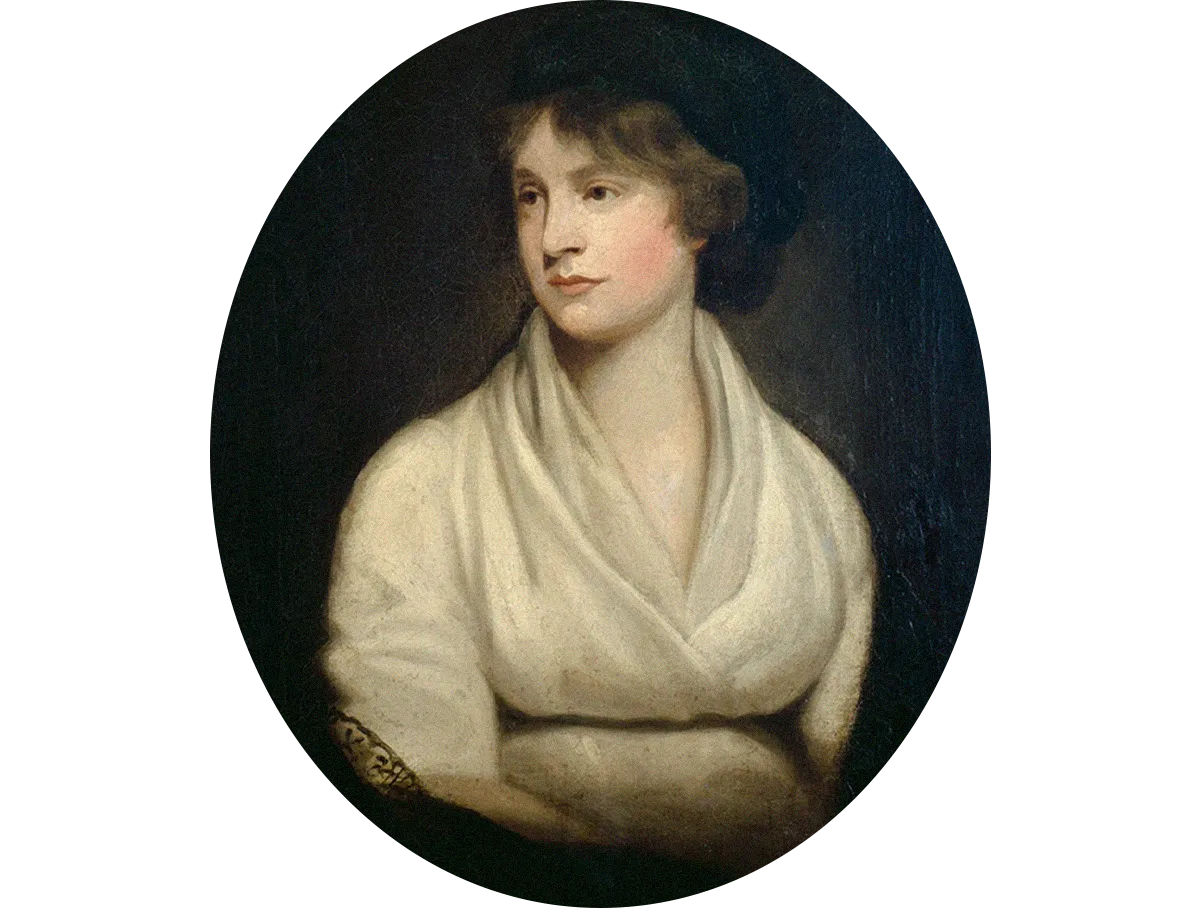
A Vindication of the Rights of Woman, published in 1792 by the brilliant writer and philosopher Mary Wollstonecraft, should have had its full cultural moment long ago. Spanning nearly 87,000-words, it’s a fiery, fearless, foundational text of proto-feminism—arguably the foundational text of feminism itself—echoed in the rallying cries of the suffrage movement, invoked in debates over women’s education and autonomy throughout the nineteenth century, and later reclaimed by second-wave feminists as a cornerstone of feminist thought. And yet, reading it now for the first time voluntarily (after never studying it during six years of higher education), I’m stunned by how startlingly relevant it remains more than two centuries later.
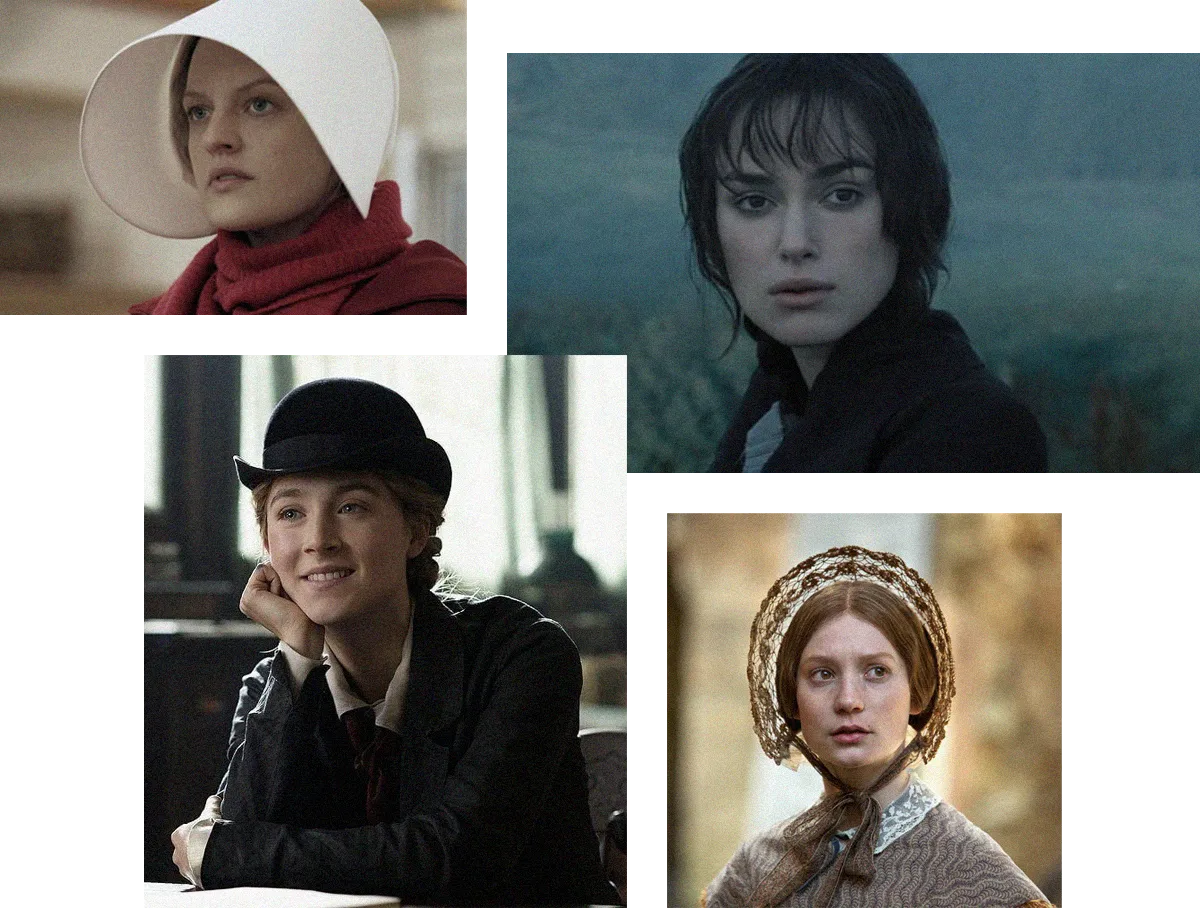
Its impact is immeasurable. There would be no Jo March, no Elizabeth Bennet, no Jane Eyre without Mary Wollstonecraft. When Virginia Woolf argues that a woman needs financial and intellectual freedom in A Room of One’s Own; when Offred in The Handmaid’s Tale is reduced almost entirely to her reproductive organs; when Esther Greenwood in The Bell Jar crumbles beneath the weight of societal expectations—Woolf, Margaret Atwood, and Sylvia Plath alike are grappling with the same question Wollstonecraft posed centuries earlier: What happens when a woman is treated not as a fully realized human being, but as a piece of clay to be shaped, restrained, and molded by men?
I’ve studied feminist theory, feminist art movements, the schisms, the backlash. I thought I understood the language of feminism inside and out. But to witness Mary Wollstonecraft identify and dismantle the logic behind the subjugation of women with such razor-sharp clarity—more than two hundred years before women could vote—feels almost surreal, like hearing the modern feminist consciousness speak before the modern world had caught up to it.
It’s tempting to dismiss the text as antiquated, to assume its ideas have already been absorbed into the social fabric—that Wollstonecraft’s argument that women are trained into docility, ornamentalism, and dependence through social conditioning and male subjugation now registers as self-evident truth. But all one has to do is look at the cultural landscape around us: the resurgence of tradwife ideology, attacks on DEI and gender studies, escalating threats to reproductive autonomy, and our obsession with “coquette core” and sayings like “I’m just a girl” and fanatical self-maintenance routines, to see that the culture is deeply confused about femininity. To top if off, as Caro Claire Burke, author of the viral tradwife satire Yesteryear, wrote last month, “In 2026, there is no coherent symbol of feminist resistance.”
Wollstonecraft’s defense of women’s physical and intellectual strength, our worth beyond domesticity, our capacity for reason and independence, even her critique of chivalry—the absurdity of treating women as fragile when a woman can open a door just as easily as a man—still feels startlingly polemical 234 years later. Needless to say, you owe it to yourself to read A Vindication of the Rights of Women. If you remain unconvinced, I’ve outlined 12 ways Wollstonecraft’s arguments continue to echo through contemporary culture, online aesthetics, and pop media.
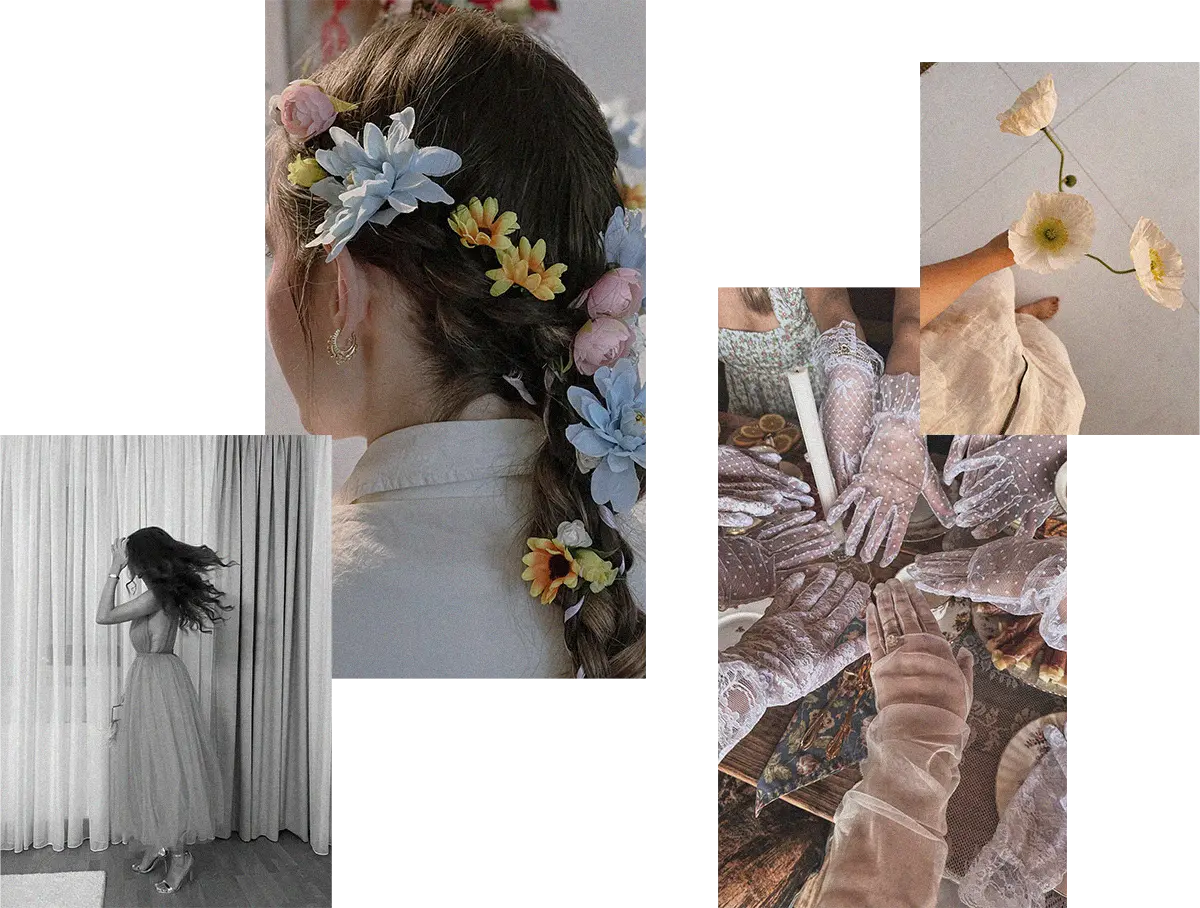
1. Femininity Has Become a Brand
Radical in 1792: “Taught from their infancy that beauty is woman’s sceptre, the mind shapes itself to the body, and roaming round its gilt cage, only seeks to adorn its prison.”
2026: The internet has transformed femininity into a content category. Entire industries now exist around teaching women how to look, speak, decorate, flirt, age, eat, dress, date, mother, and exist correctly.
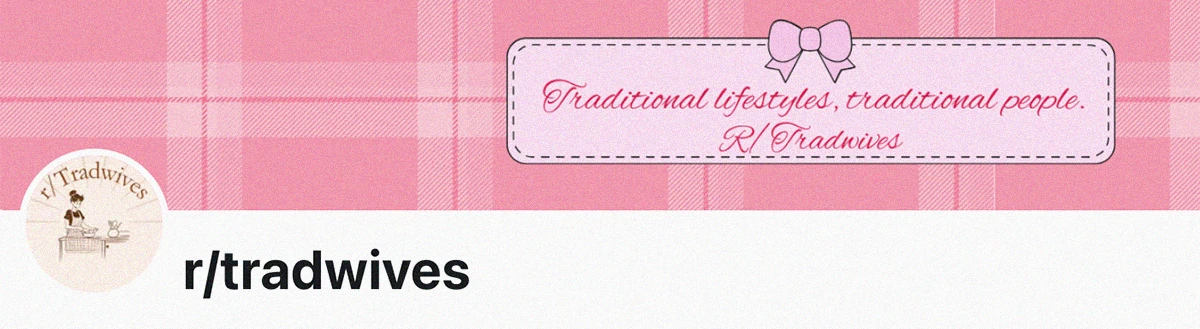
2. Tradwives Are Having A Moment
Radical in 1792: If a woman’s only goal is dependence on man, then let her “grovel contentedly.” But if she seeks her “high calling,” Wollstonecraft argues, she should pursue her own intellect rather than shape herself around the husband she hopes to obtain.
2026: Tradwives… need I say more? (“All I want in life is to be the best wife, mother, home maker.” — a real post from r/tradwives.)
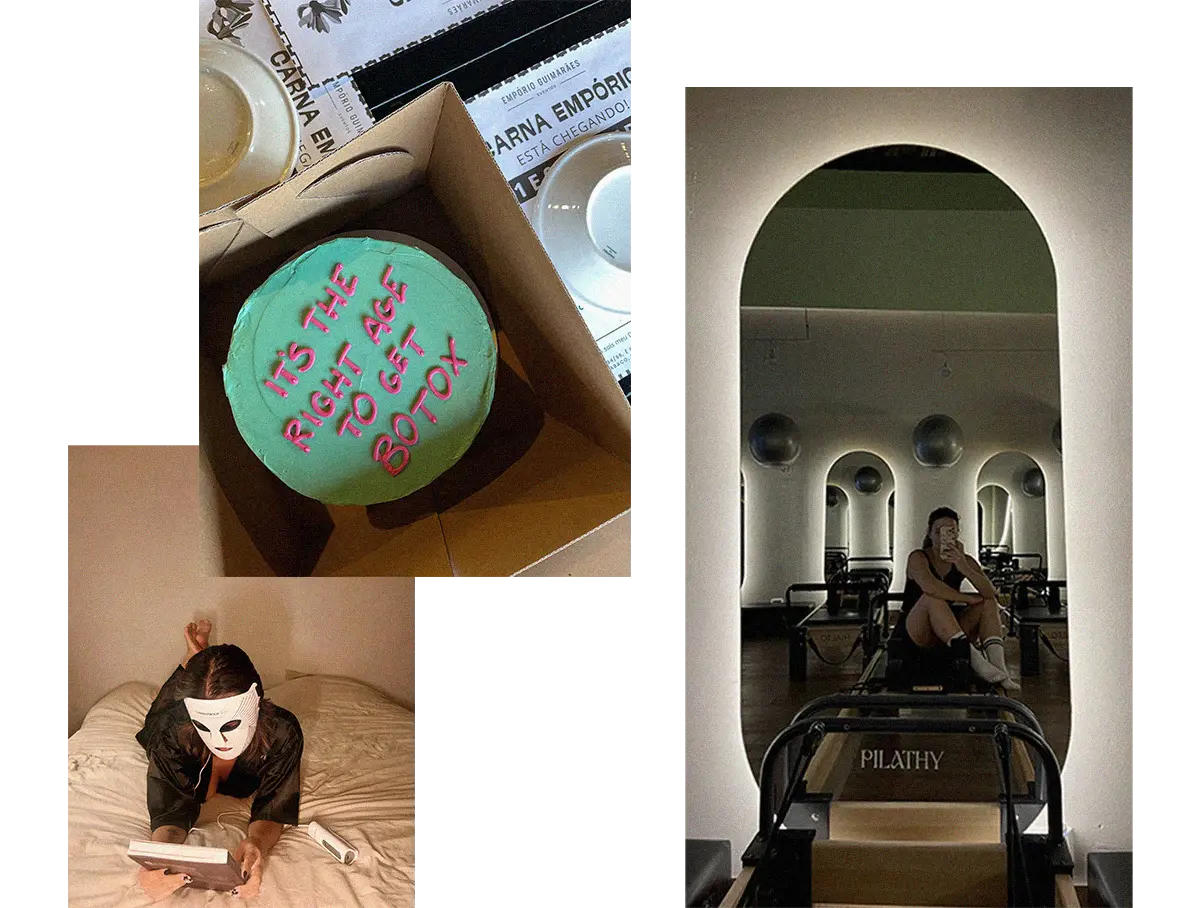
3. Wellness Has Become a Full-Time Job
Radical in 1792: “Confined then in cages like the feathered race, they have nothing to do but plume themselves…”
2026: “Maintenance routines.” Lymphatic drainage, ice rollers, reformer Pilates, supplements, red-light masks, hair oiling, preventative Botox, etc.

4. Soft Life Is Still Trending?
Radical in 1792: Wollstonecraft criticizes women for being trained into “softness of temper, outward obedience, and a scrupulous attention to a puerile kind of propriety.”
2026: Coquettecore romanticizes hyper-feminine fragility: bows, blush, ballet flats, baby voices, Lana Del Rey lyrics, “girlhood,” softness, sweetness. Women are being rewarded for appearing delicate, desirable, and non-threatening.
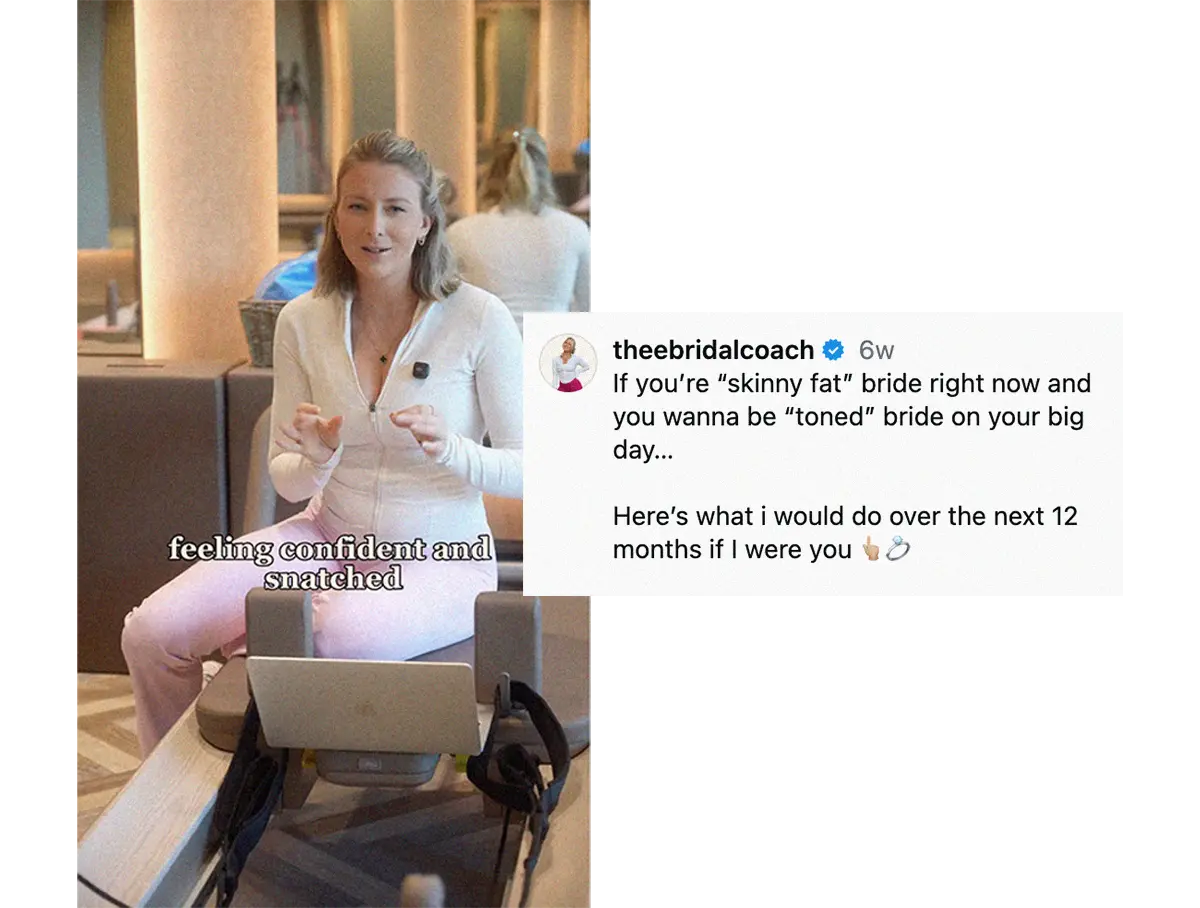
5. Making Yourself Physically Disappear is Still in Style
Radical in 1792: “Is a woman to feign a sickly delicacy in order to secure her husband’s affection?”
2026: Because you would never want to risk being a #skinnyfat bride….

6. The Female Body Is Still Public Property
Radical in 1792: Wollstonecraft argues women are treated as bodies first and human beings second.
2026: From abortion legislation to Ozempic discourse to celebrity body scrutiny to TikTok beauty fads, women’s bodies remain in constant public debate.
7. Intelligence in Women Still Makes People Uncomfortable
Radical in 1792: Wollstonecraft argues that if society expects women to raise good citizens, women themselves must be educated, politically engaged, and treated as citizens capable of independent thought.
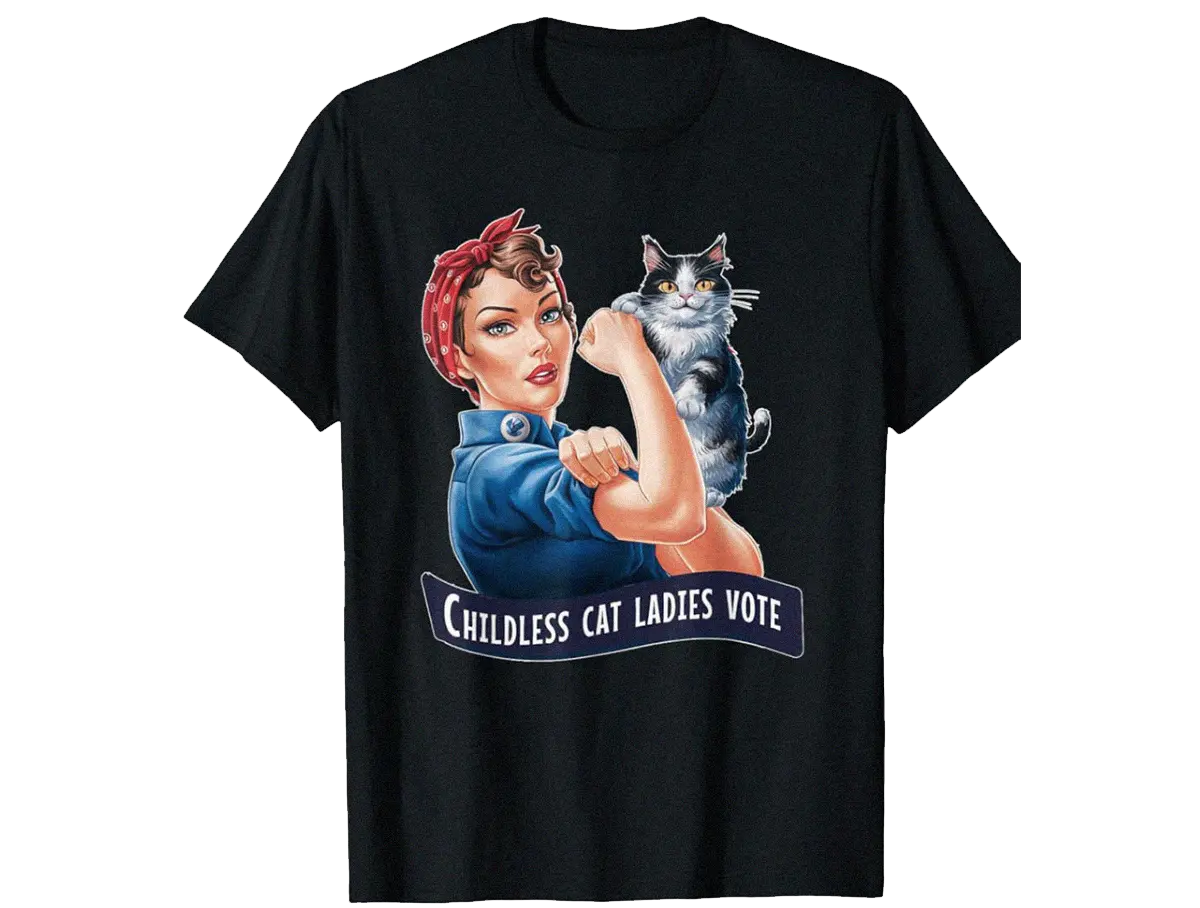
2026: Politicians are still suggesting hardworking women without children “don’t really have a direct stake” in America’s future. And we’re still having to flaunt those damn Childless Cat Lady T-shirts and bumper stickers.

8. We’re Not Sure if Men and Women Can Just Be Friends
Radical in 1792: “Why must the female mind be tainted by coquettish arts to gratify the sensualist, and prevent love from subsiding into friendship, or compassionate tenderness, when there are not qualities on which friendship can be built?” In other words, why are women taught to charm men sexually instead of developing the intellectual and moral qualities that create friendship and lasting love?
2026: Two centuries later, the internet still erupts into debate every few months over whether straight men and women are even capable of platonic friendship at all.

9. Women Can Lead—But Preferably From the Kitchen
Radical in 1792: Wollstonecraft believed women deserved intellectual and civic participation beyond the home.
2026: Katie Britt hasn’t left her kitchen since her shocking (and frankly, embarrassing) State of the Union response in 2024.
10. It’s the Age of Kings
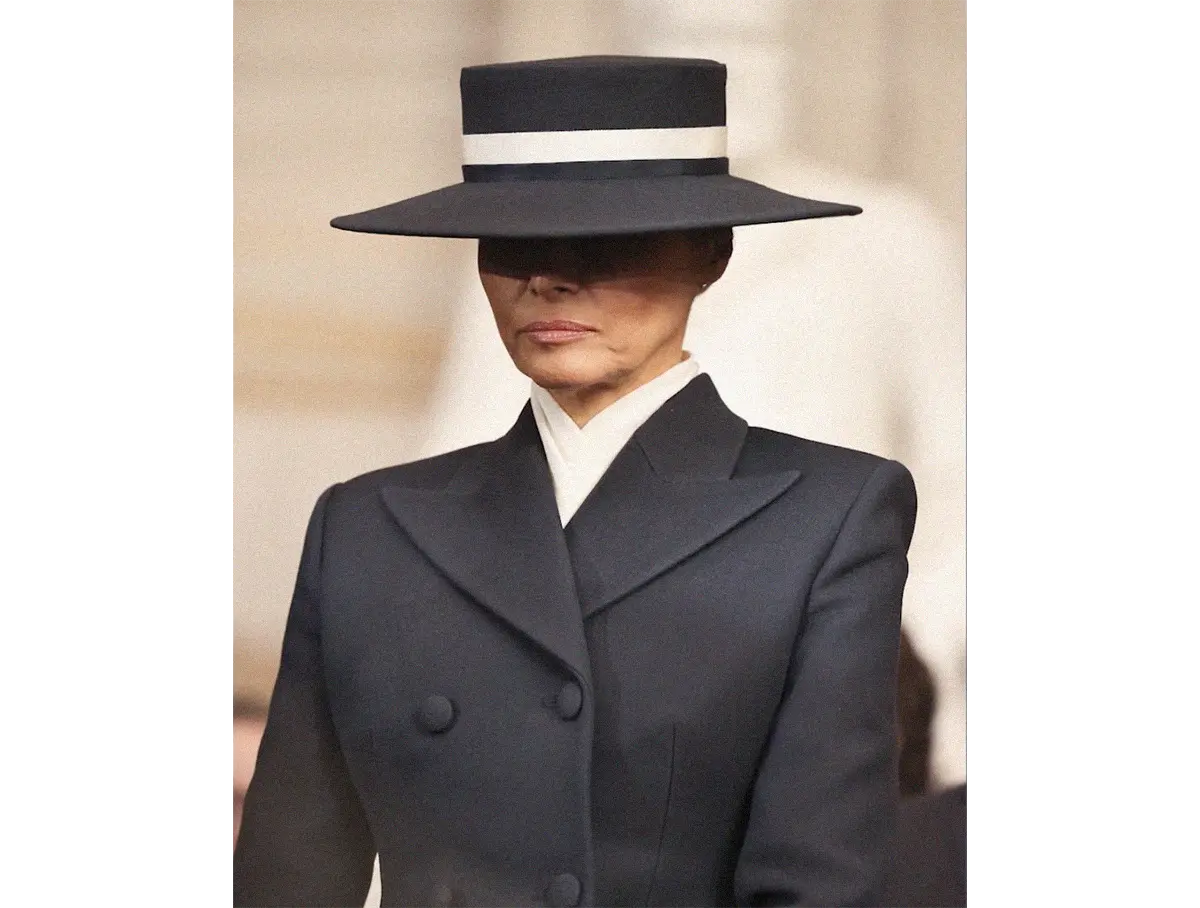
Radical in 1792: Wollsontecraft argues that aristocratic society feminizes everyone (not just women) by encouraging vanity, delicacy, theatricality, and dependence instead of strength and reason. Kings, nobles, and pampered women alike are thus ornamental creatures shaped by luxury and flattery.
2026: Melania Trump’s hat.
11. Yesteryear is Going Viral
Radical in 1792: "...every being may become virtuous by the exercise of its own reason"
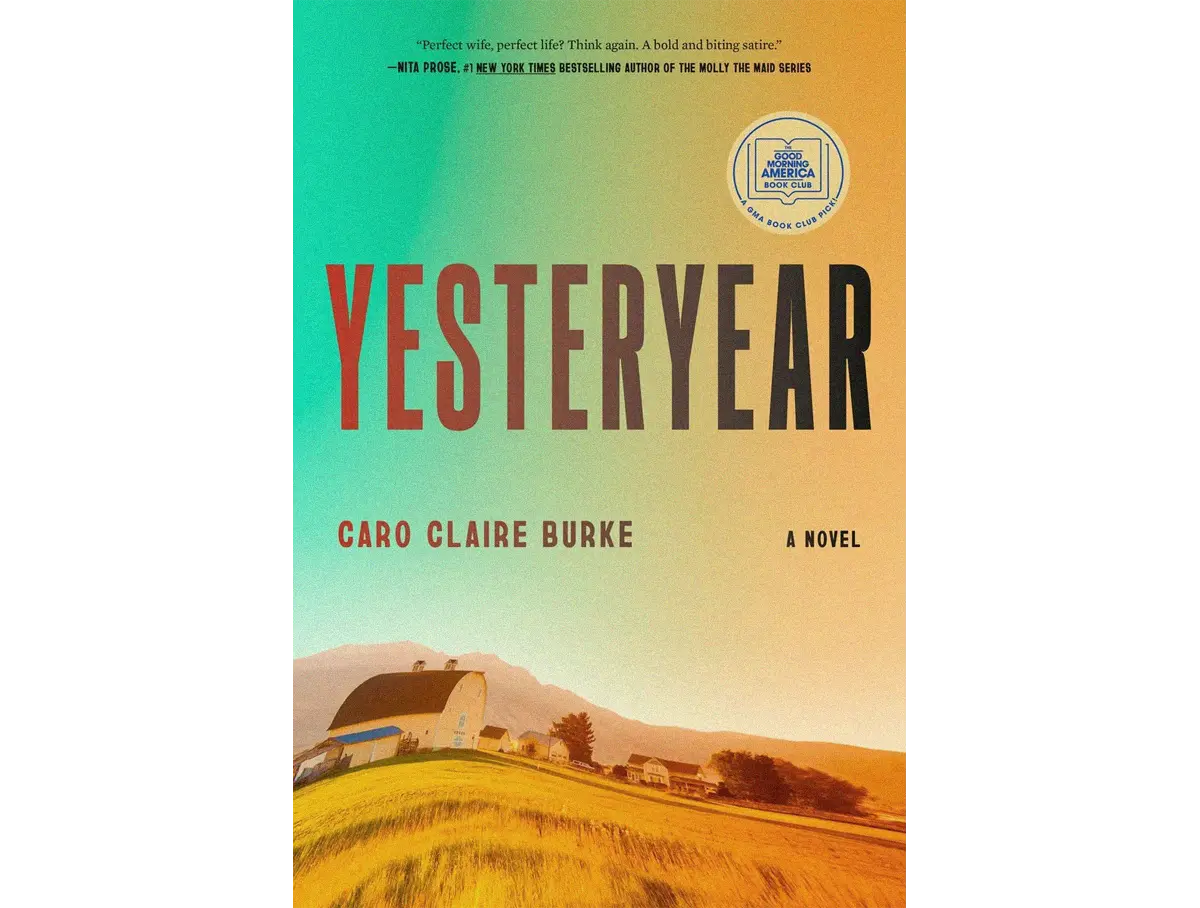
2026: Yesteryear’s protagonist, Natalie, is instantly recognizable—but not for exercising her own reason. Brilliantly executed, she reminds us of every other traditionalist performing the same carefully curated version of femininity online. As much as we may love to hate on the tradwife, they’ve figured something out: rinse and repeat versions of aestheticized domesticity sell.

12. We Identify with Barbie
Radical in 1792: “Truth is hidden from them [women] and they are made to assume an artificial character before their faculties have acquired any strength.”
2026: America Ferrara’s monologue in Barbie: “I'm just so tired of watching myself and every single other woman tie herself into knots so that people will like us. And if all of that is also true for a doll just representing women, then I don't even know.”
A Mary Wollstonecraft Biopic, “If Love Should Die” featuring Renate Reinsve is slated for release in 2027, so join the conversation now. On Lit Society, I’m co-hosting a mini-lecture on A Vindication of the Rights of Woman with Romanticism scholar Sharon Ruston on May 29 at 12PM, you won’t want to miss it! If you’re not already a Lit Society member, click here to purchase access to the event.