Today, Zora Neale Hurston is considered one of the great documentarians of African American life. Her exploration of early 20th-century Black life, particularly in the South, is honest, complex, and meticulous in its detail.
She employed her skills as an anthropologist to not only document Black life, but give it a texture, tone, and dialect that accurately represented the communities she had grown up in. However, the perception of Zora’s work was not always this positive, and much of her written legacy came dangerously close to extinction shortly after her death. This is the mighty, if oft-misunderstood, legacy of Zora Neale Hurston.
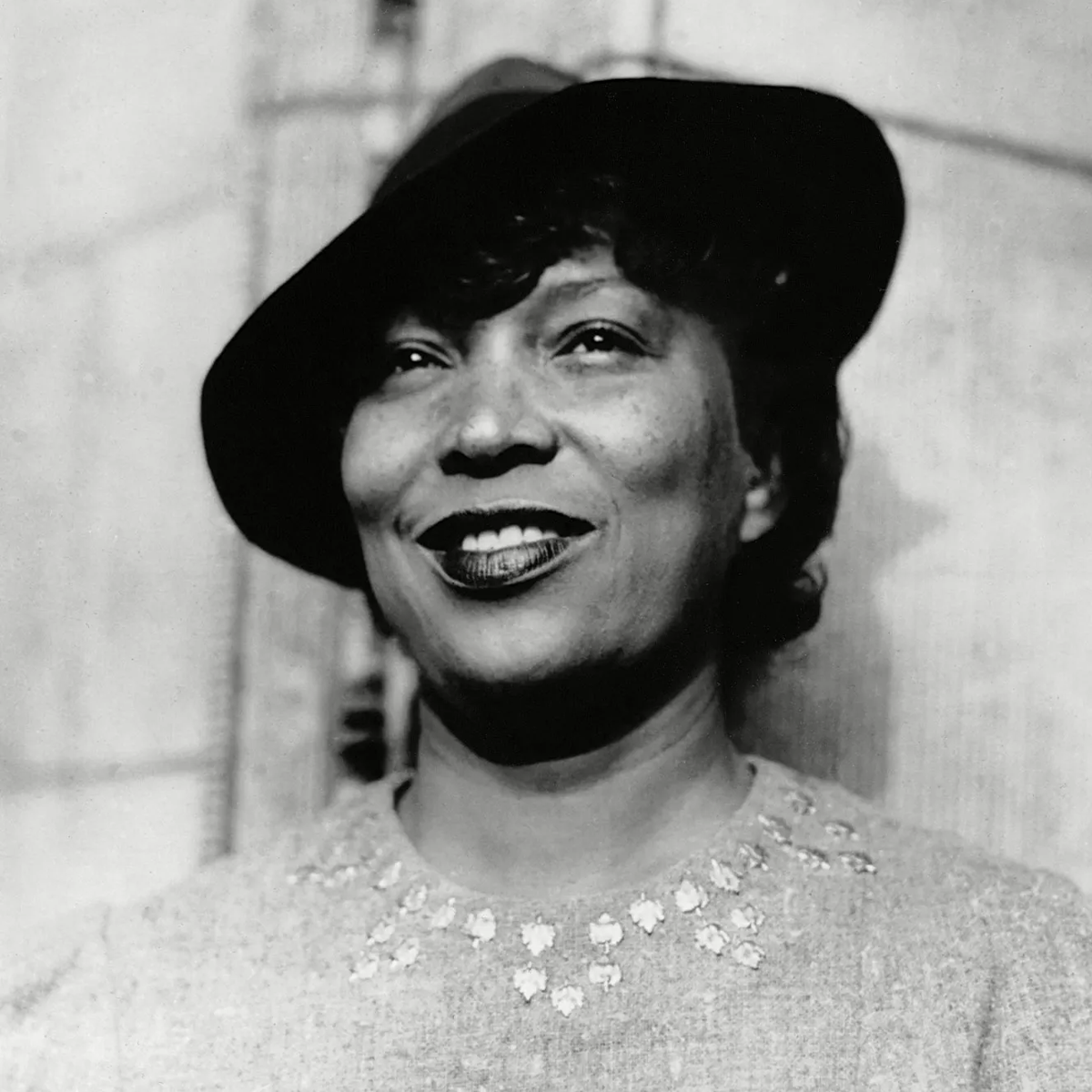
Hurston was born in 1891 in Notasulga, Alabama, although all her formative childhood experiences took place in Florida. Both her parents were formerly enslaved and looking for a better life for themselves and their daughter. When Hurston was young, the family moved to Eatonville, Florida. Eatonville was the nation’s first incorporated Black township, and Hurston’s father would go on to become one of its earliest mayors.
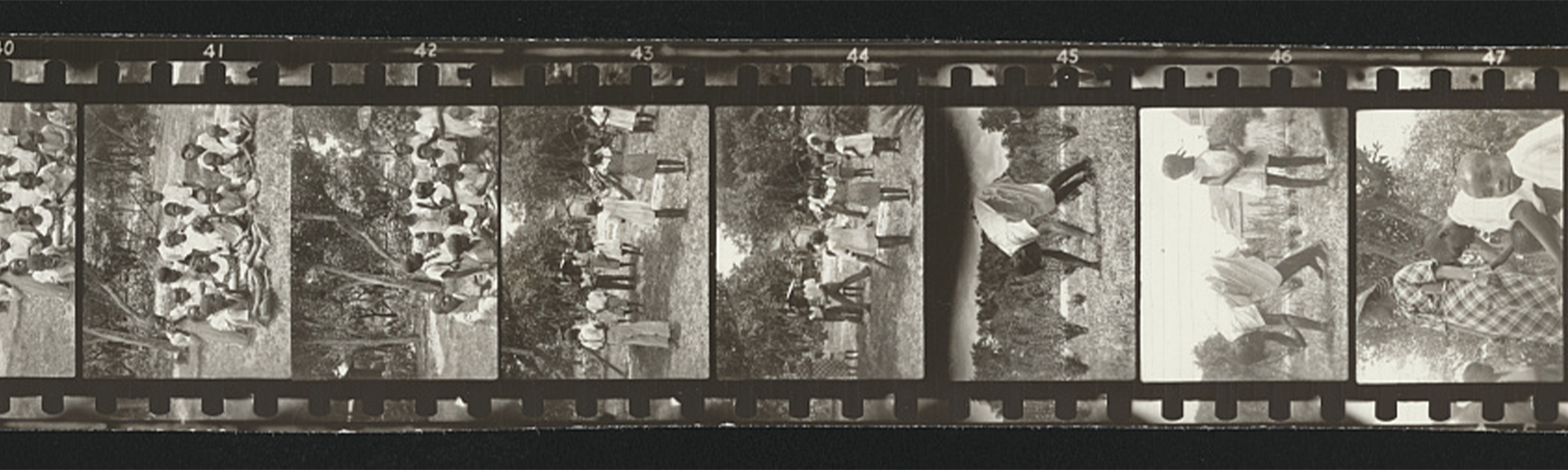
Hurston loved Eatonville and the peaceful, prosperous, and communal picture of Black life it painted. This community would go on to deeply influence her work, and Hurston speaks of Eatonville with clear reverence. Hurston describes her hometown as “A city of five lakes, three croquet grounds, 300 brown skins, 300 good swimmers, plenty guavas, two schools, and no jailhouse.”
When Zora was 13, her mother died, and her father quickly remarried a much younger woman. This, in combination with his refusal to fund her education, left her estranged from her father. Hurston had a notorious temper, and once nearly killed her step-mother in a fistfight. Looking for a way out, Hurston began working odd jobs to support her dream of going to school. One such job was with a traveling Gilbert & Sullivan musical troupe, in which Hurston was employed as a maid.
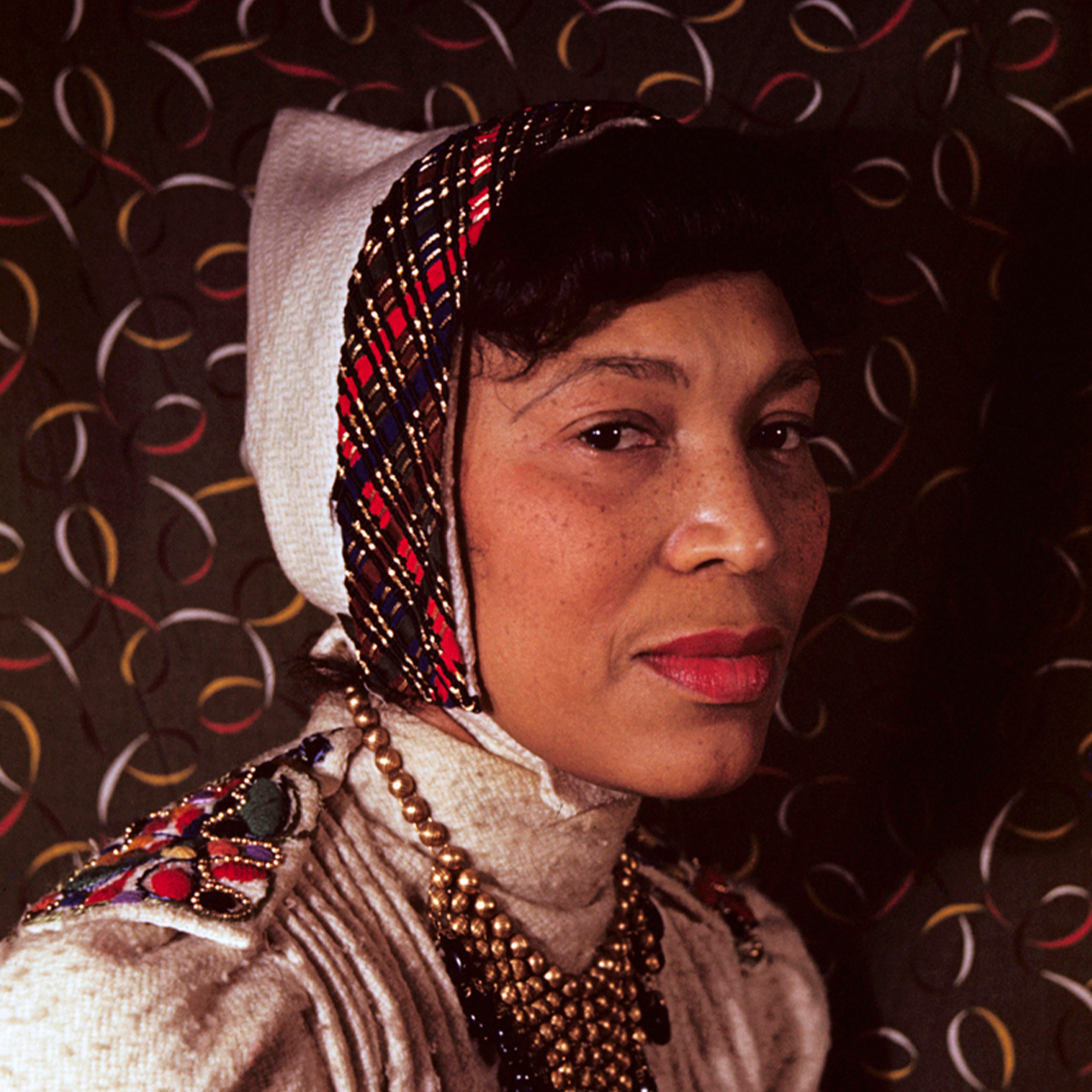
While in New York, Hurston became friends with Langston Hughes, with whom she founded the short-lived literary magazine Fire!! and became the “Queen of the Harlem Renaissance.” She was beautiful, charming, and fiercely intelligent, winning the community’s hearts and minds alike. Hurston was known to throw lively gatherings at her apartment, and despite the fact that she rarely drank and would sometimes spend these gatherings writing in her room, fellow writer Sterling Brown said, “When Zora was there, she was the party.”
Hurston began publishing her writing in 1920. One of her early short stories, which won her some acclaim, was "Sweat" (1926), the story of a woman and her thieving, unfaithful husband who eventually gets his comeuppance. Hurston also got attention for her autobiographical essay "How It Feels to be Colored Me" (1928), in which she recounted her childhood in Eatonville and the shock of moving to an all-white area. While Hurston gained a significant Black readership, she was largely neglected by mainstream literary authorities.