Every morning, the headlines about Iran seem to tell a different story. Ceasefire. Negotiations have ended. War is back on. Peace deal imminent. Peace deal dead.
What's striking isn't just how quickly the headlines change. It's how difficult it has become to answer a basic question: Why is America involved in Iran in the first place?
Recent polling suggests many Americans aren't sure either. A CBS/YouGov poll found that 68% of respondents said the administration had not clearly explained its goals. A Washington Post survey found that Americans gave dramatically different answers when asked what they believed those goals actually were.
Many Americans are trying to understand Iran at the same moment they are trying to understand why their own government is involved.
The problem is that headlines can tell us what is happening, but they rarely explain how we got here.
The best books about Iran don't explain the country through ideology. They explain it through people. Through revolutionaries and reformers, poets and prisoners, women fighting for freedom, and ordinary citizens navigating extraordinary circumstances.
Each of the books below answers a different question about Iran's past, present, and future. Together, they offer a deeper understanding of a country far more complicated, and far more human, than the headlines allow.
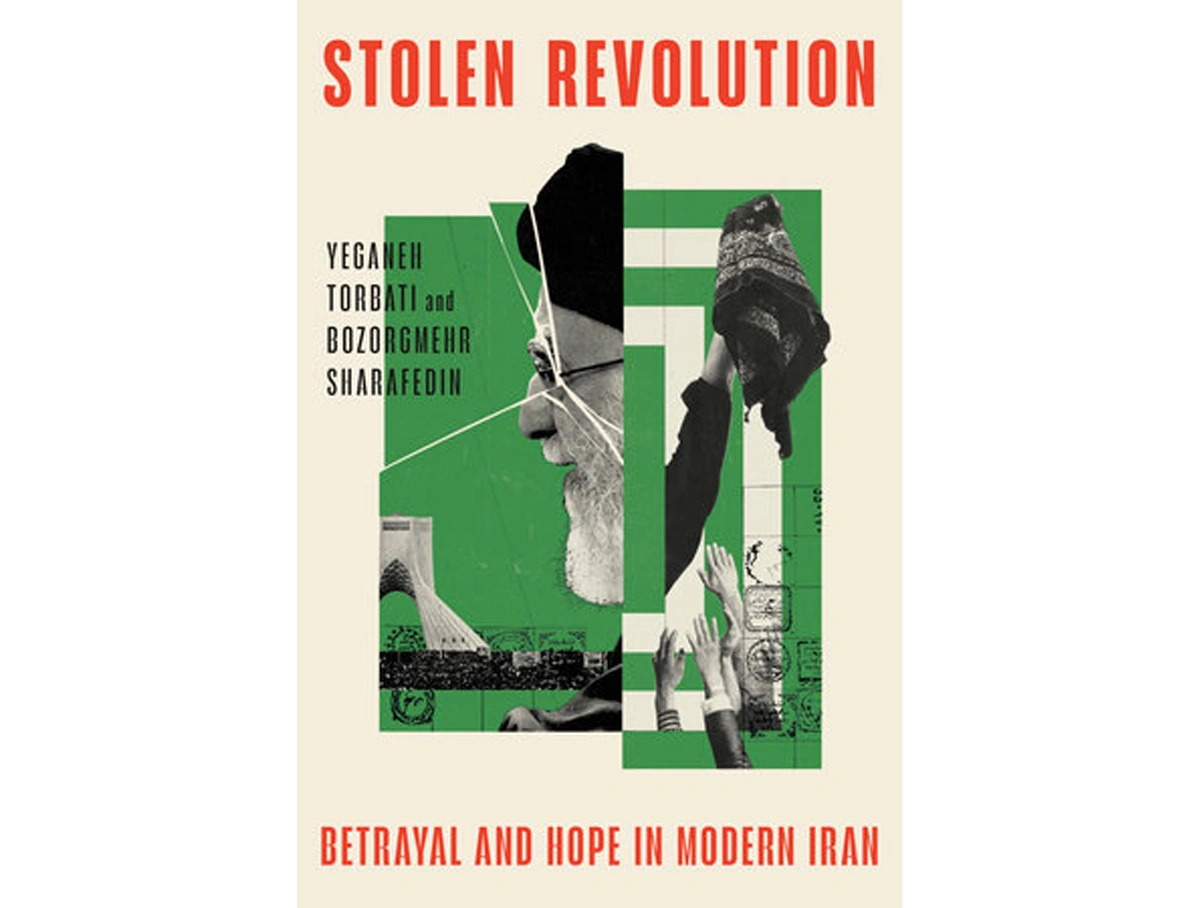
1. How did Iran become the country it is today?
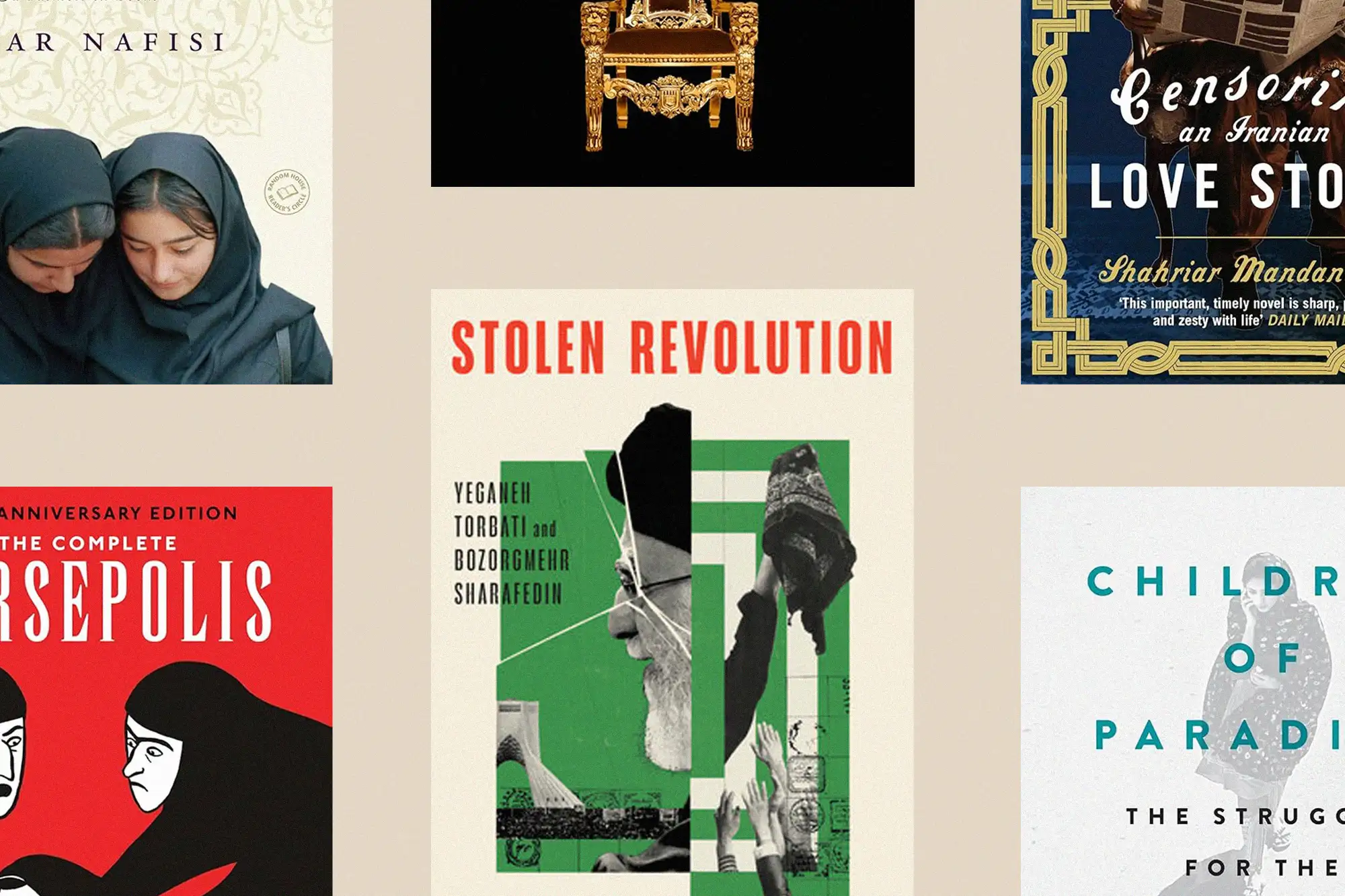
Read: Stolen Revolution (2026) by Yeganeh Torbati and Bozorgmehr Sharafedin
Through the intertwined stories of six Iranians whose lives span the arc of the Islamic Republic, Stolen Revolution, just released this month, traces how a popular movement fueled by hopes for justice and freedom evolved into something many participants never imagined.
Rather than offering a simple political history, the deeply reported book by two award-winning journalists reveals how ordinary people experienced the revolution's promises, betrayals, and consequences across generations.
Why read it now: Because it explains modern Iran through people, rather than ideology.
From the New York Times Book Review: “Those of us who have spent years studying modern Iran understood that this was always the more likely outcome. Again and again, moments that seemed poised to break the system instead became the conditions through which it adapted and endured. It is a recurring pattern that the New York Times journalist Yeganeh Torbati and the veteran Iran correspondent Bozorgmehr Sharafedin trace in ‘Stolen Revolution,’ their deeply reported and quietly devastating account of half a century of upheaval in the country. The result is one of the most perceptive books on modern Iran in years, capturing not only the machinery of repression but the fragile forms of hope that survive beneath it.”
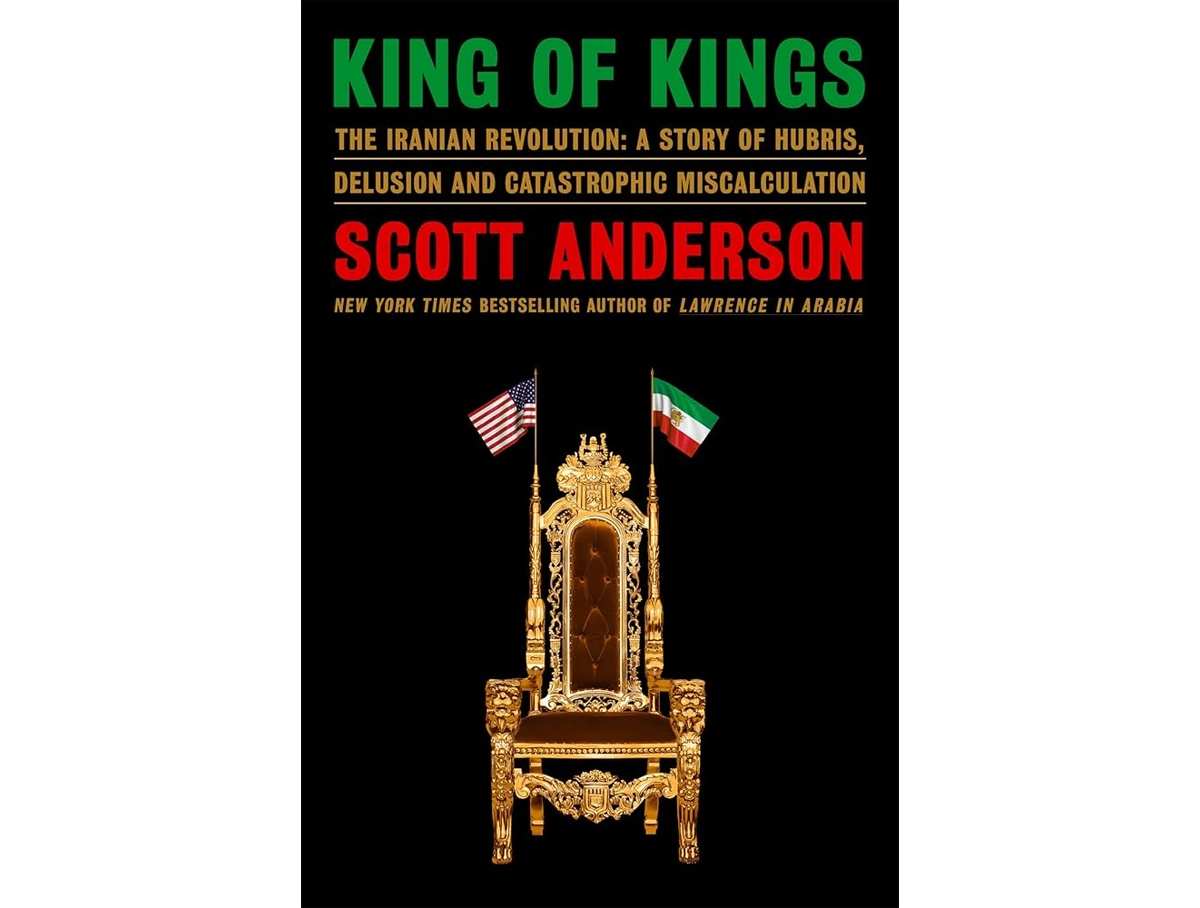
2. What did the United States misunderstand about Iran before the 1979 revolution?
Read: King of Kings (2025) by Scott Anderson (Pulitzer Prize Finalist)
To understand modern Iran, it helps to begin before 1979. Scott Anderson's sweeping history examines the final years of the Shah's rule and the forces that led to the Iranian Revolution. Along the way, it reveals how American policymakers misunderstood both the monarchy they supported and the revolutionary movement gathering strength beneath the surface.
Why read it now: Because many of today's tensions between Iran and the West have roots that stretch back decades before the Islamic Republic existed.
According to Pulitzer.org: “This groundbreaking work exposes the jaw-dropping stupidity of the American government.”
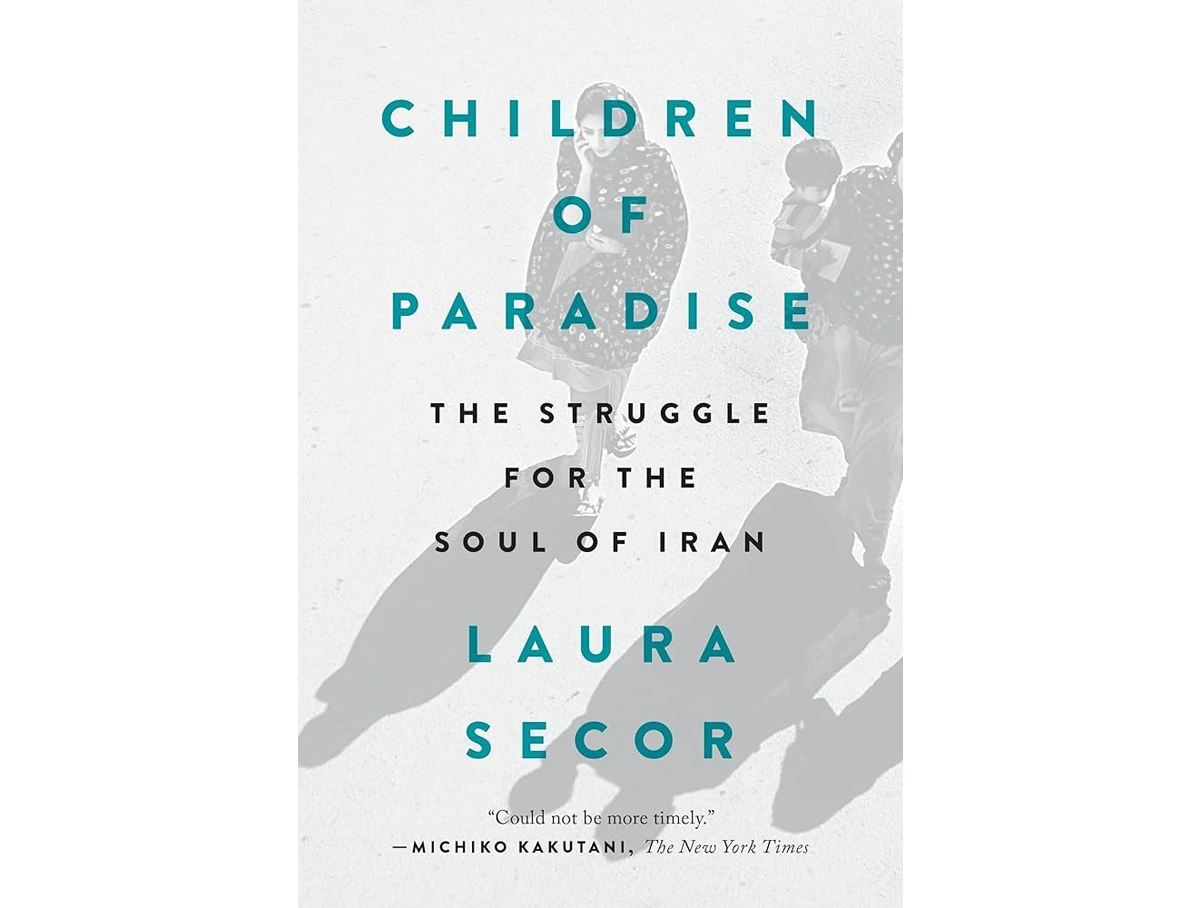
3. What traditions, ideas, and debates shaped modern Iran?
Read: Children of Paradise (2016) by Laura Secor
Iran's story is often told through wars, sanctions, and political leaders. Laura Secor instead focuses on the writers, intellectuals, reformers, clerics, and dissidents whose debates helped shape the country's future.
Part political history, part intellectual biography, Children of Paradise explores the competing visions of modernity, religion, democracy, and freedom that continue to influence Iran today.
Why read it now: Because understanding Iran requires understanding the ideas that animate it, not just the governments that rule it.
Quote from the New York Times book Review: So many “enemies of God” were executed in the summer of 1988, following a fatwa issued by the Ayatollah Khomeini, she writes, that “executioners complained of overwork and asked to use firing squads,” but “silence and secrecy were of the essence.”
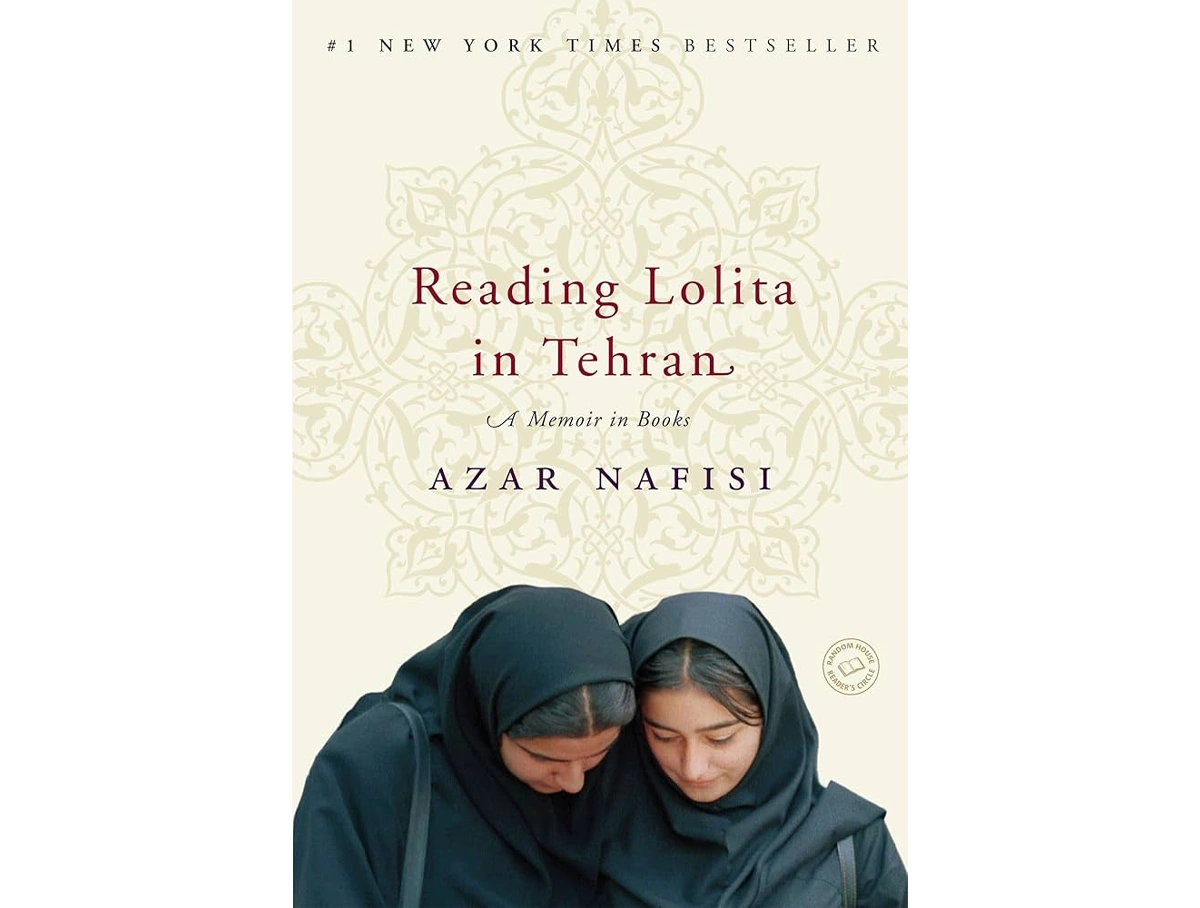
4. What did life feel like in the years following the revolution?
Read: Reading Lolita in Tehran (2003) by Azar Nafisi
Part memoir, part literary criticism, Azar Nafisi's classic work recounts the secret book club she hosted for female students in Tehran after the revolution.
Through novels by Nabokov, Austen, Fitzgerald, and others, Nafisi explores how literature became a refuge for imagination, individuality, and resistance in a society increasingly defined by restriction and surveillance.
Why read it now: Because politics can tell us what happened; literature can help us understand what it felt like.
The most telling quote I underlined from the novel was Nafisi’s comparison of the Iranian Regime’s impact to Austen: “The elusive goal at the heart of democracy: the right to choose.”
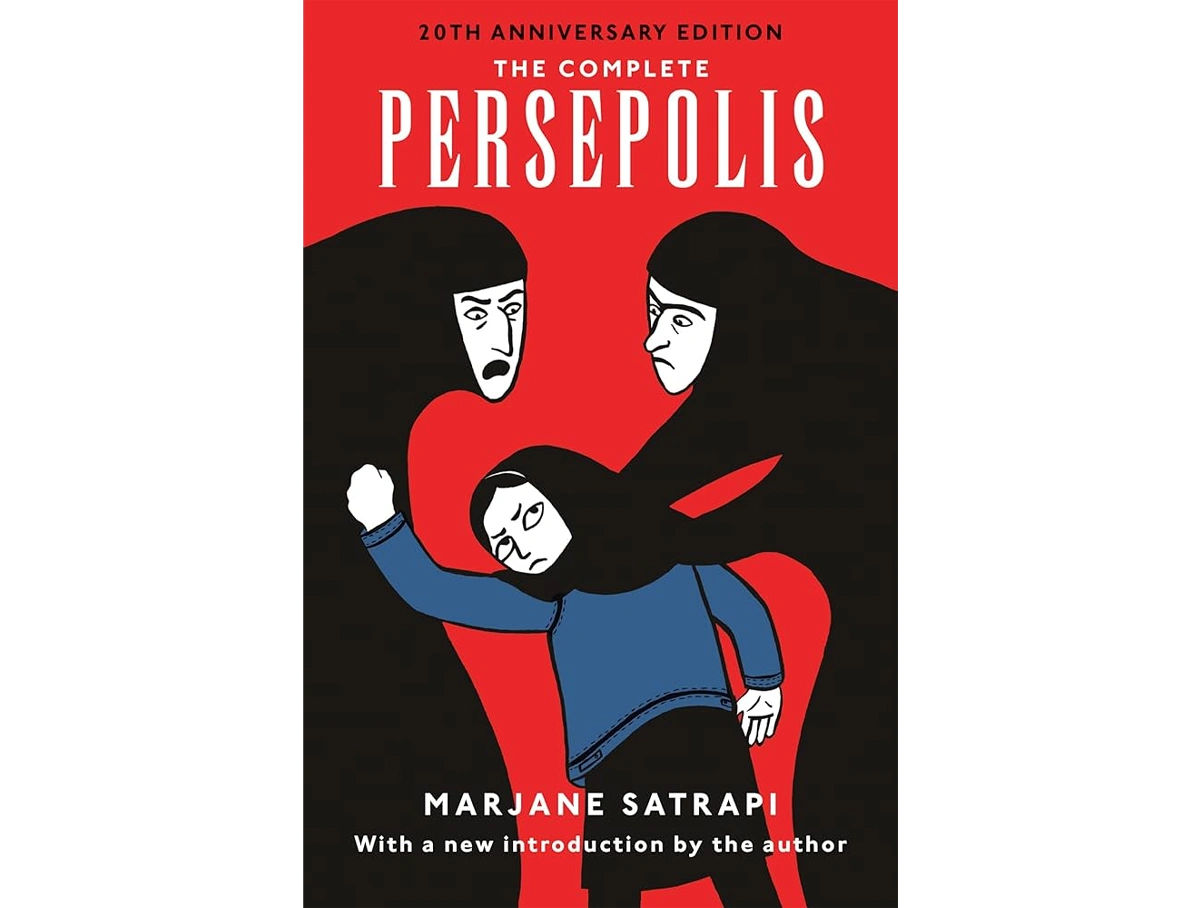
5. What was it like to grow up during the revolution?
Read: The Complete Persepolis (2007) by Marjane Satrapi
Marjane Satrapi's graphic memoir follows her childhood and adolescence during and after the Islamic Revolution. By turns funny, heartbreaking, rebellious, and deeply human, it captures the everyday realities of growing up amid political upheaval.
Few books do a better job of reminding readers that history happens to families, children, friendships, and ordinary lives.
Why read it now: Because it offers one of the most accessible and personal entry points into modern Iranian history.
From a New York Times review: “A memoir of growing up as a girl in revolutionary Iran, Persepolis provides a unique glimpse into a nearly unknown and unreachable way of life…. That Satrapi chose to tell her remarkable story as a gorgeous comic book makes it totally unique and indispensable.”
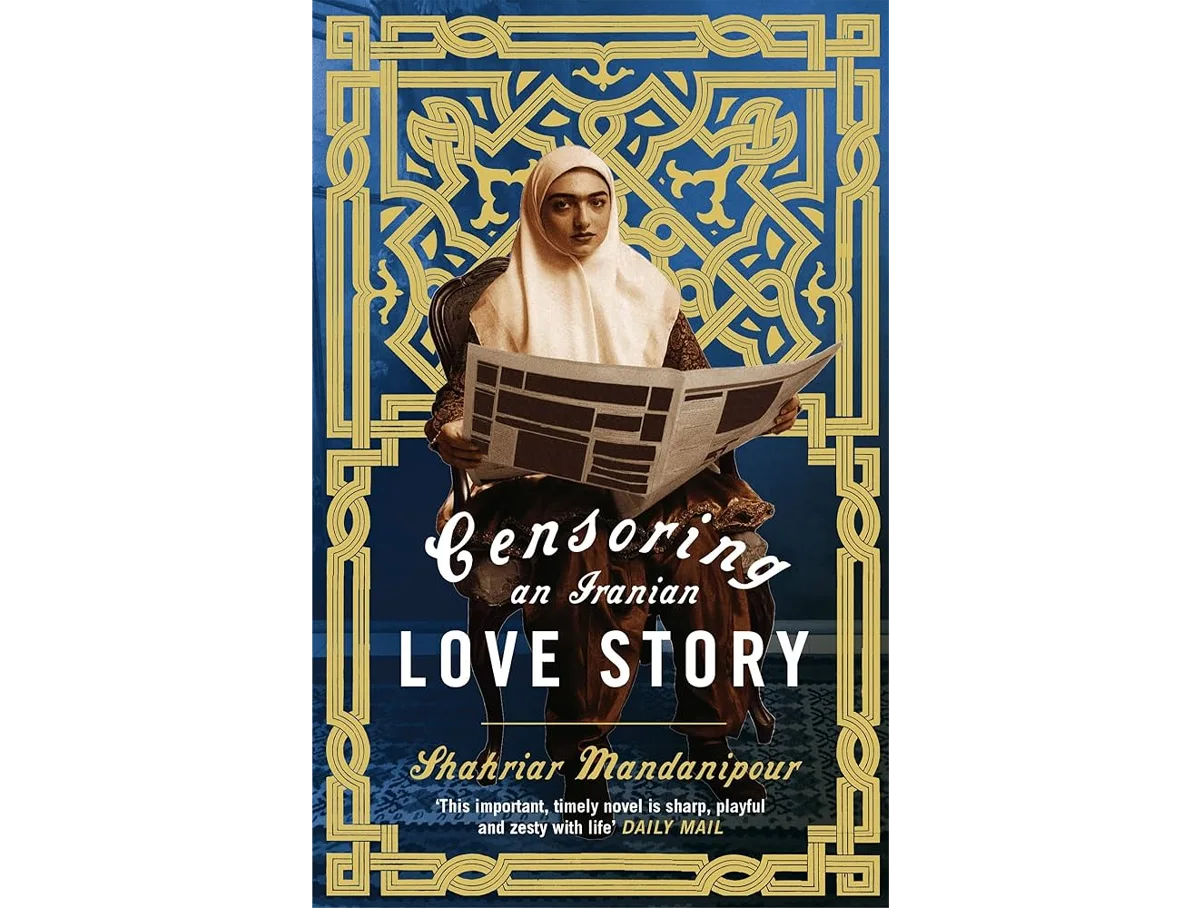
6. What is it like to fall in love in a country where words are considered crimes?
Read: Censoring an Iranian Love Story (2009) by Shahriar Mandanipour
Unlike the other books on this list, this is a novel, but it may reveal truths that history alone cannot.
Mandanipour tells the story of two young lovers while simultaneously showing the reader how the state's censorship apparatus shapes, distorts, and limits what can even be written. The result is both a love story and a meditation on art, power, and freedom.
Why read it now: Because it explores how political systems reach into the most intimate parts of human life.
From The Guardian's review: “Censoring an Iranian Love Story is a brilliant novel about the complexities of writing and publishing in Iran. It will help to further understanding of the frustrating and sometimes perilous situation of the book industry in a country where copyright is not respected, where writers struggle desperately to publish and can be jailed simply for exercising their imaginations.”
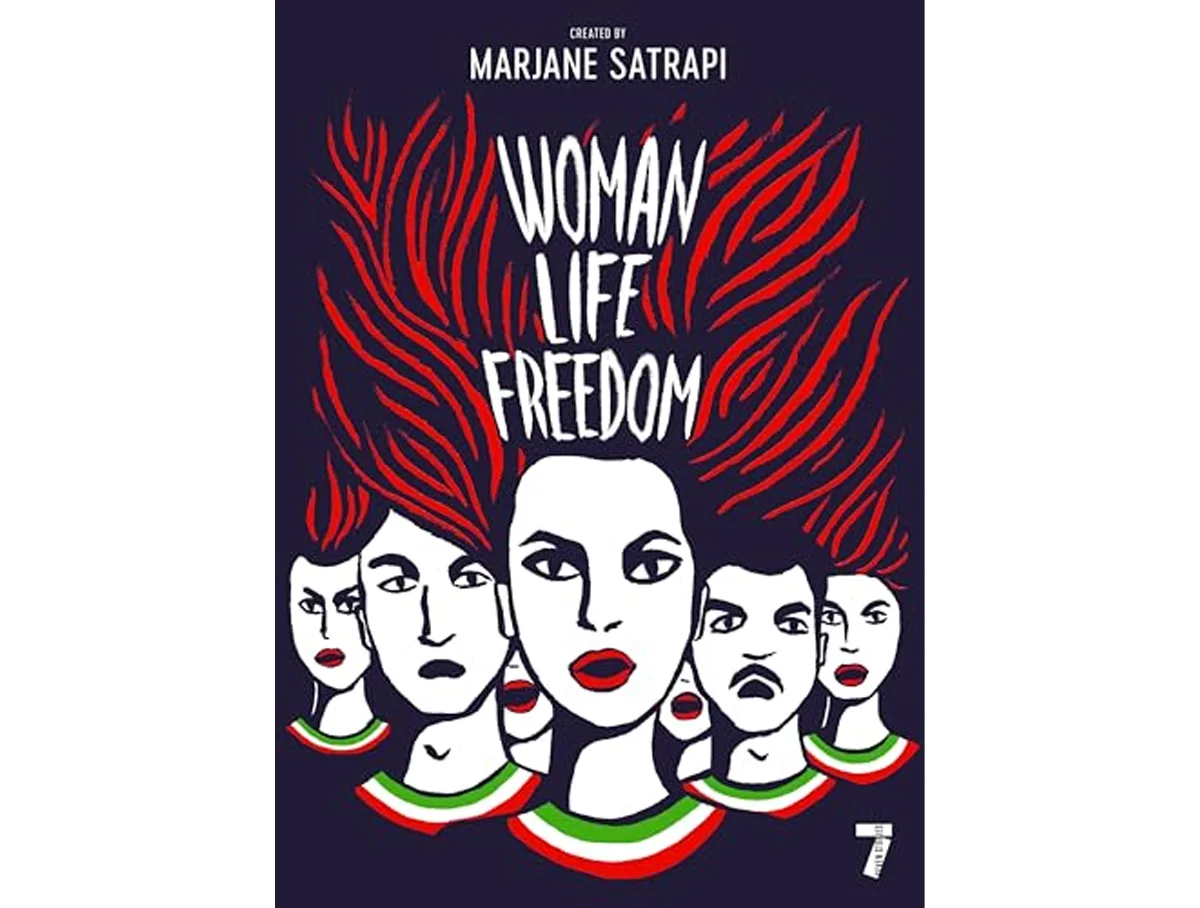
7. Why are Iranian women at the center of today's struggle for change?
Read: Woman, Life, Freedom (2024) edited by Marjane Satrapi
Created in response to the protests that followed the death of Mahsa Amini in 2022, this collection brings together artists, writers, scholars, and activists to examine the movement that captured global attention.
The book places recent events within a much longer history of resistance and reveals why the fight for women's rights has become inseparable from broader questions about freedom and political change in Iran.
Why read it now: Because it helps connect today's headlines to the generations of people who paved the way for them.
From an NPR review: "These adolescents are like, 'Stop, we want another world,'" she says, speaking of the massive protests begun by young Iranian women and joined by young men. "If it was only young girls, I would be extremely scared. But the girls were carried by the young guys. This is the difference. A real feminist revolution cannot succeed until men understand that equality between them and women is also good for them!"
***
The challenge of understanding Iran is that there is no single Iran to understand.
There is the Iran of revolutionaries and reformers. The Iran of poets and prisoners. The Iran of women fighting for freedom and clerics fighting to preserve power. The Iran remembered by those who left and the Iran imagined by those who stayed.
These books reveal a beautiful, complicated portrait of Iran, offering not a single answer but a layered portrait of a country—and a relationship with the United States—that move far beyond the headlines.
**Join Lit Society for access to Jacqueline’s conversation with Stolen Revolution author and award-winning New York Times journalist Yeganeh Torbati.