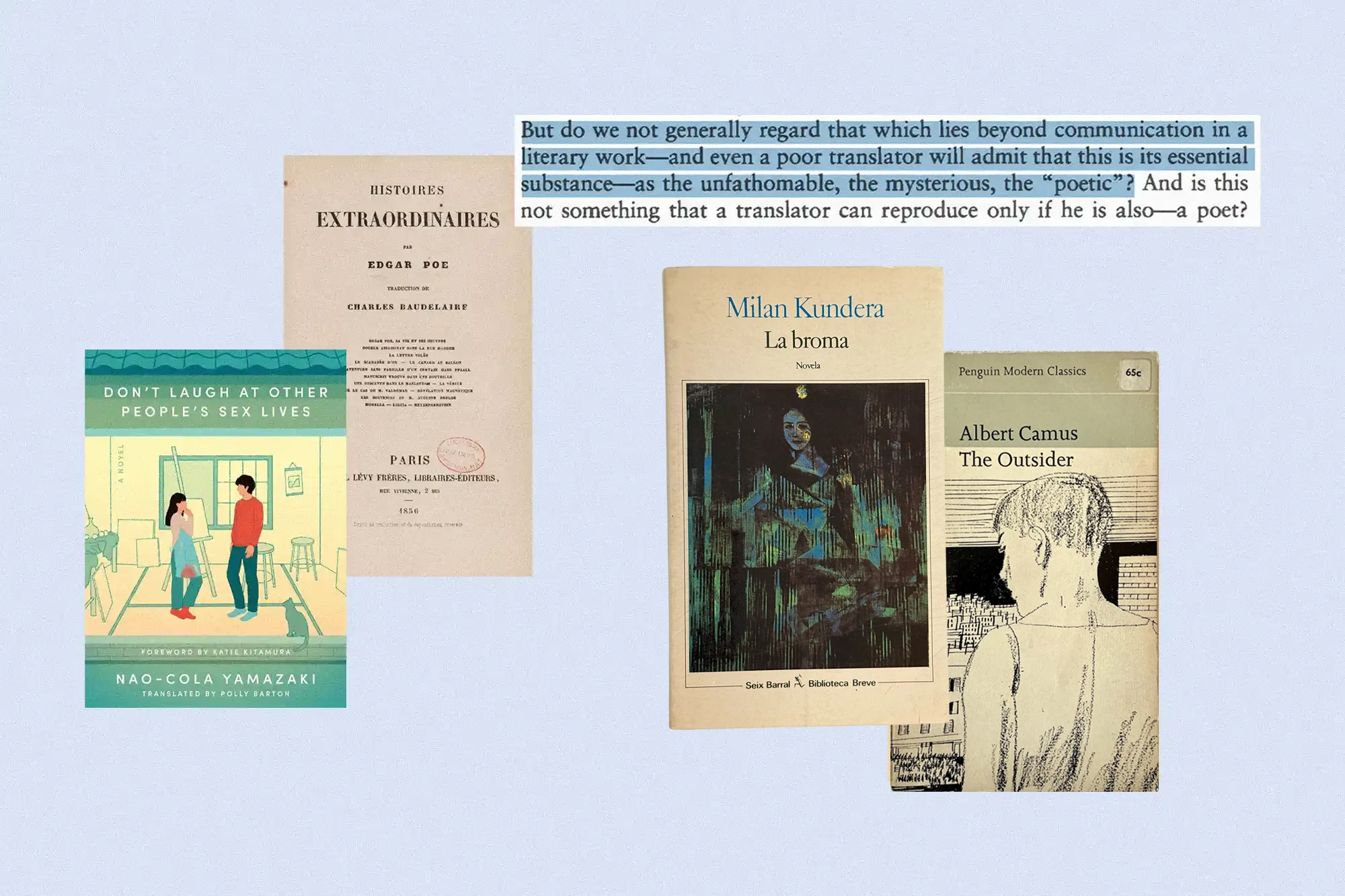
“Winter arrived again. I put my navy duffel coat away in the back of my wardrobe and bought a new chocolate-brown coat with a fur trim. I went about feeling a bit more grown-up.” This passage in Nao-Cola Yamazaki’s Don’t Laugh at Other People’s Sex Lives captured an experience of youth that I knew and remembered well but had never seen articulated so compellingly before. Feeling transformed by a garment into a more sophisticated person, momentarily concealing, at least to our eyes, our immaturity and insecurity. Of course, that very wording is not by Yamazaki, but by the talented Japanese-to-English translator, Polly Barton.

The evocative power of Barton’s sentences beautifully exemplifies the artistry of translation. In his 1923 essay, “The Task of the Translator”, Walter Benjamin asked whether what lies beyond communication in a literary work—“the unfathomable, the mysterious, the ‘poetic’”—could be reproduced by a translator who is not also a poet. And it is true: a good translator must not only convey the meaning of words but also, ideally, replicate the sense, the voice, and the rhythm of the writing to recreate the mood of the text in a different language. This requires as much knowledge as creativity, and a devotion to the original work that renders translation a labor of love.
In a recent episode of The Writing Life, a podcast by the United Kingdom’s National Centre for Writing (NCW), Barton explained how Don’t Laugh at Other People’s Sex Lives was one of the first books she read in Japanese and the first novel she decided to translate. She and fellow Yamazaki translator and mentee, Charlotte Goff, discussed discovering the author’s work and being captivated by Yamazaki’s ability to show, through the “episodic nature” of the novels, life and relationships “glimpsed through fragments,” at times when they feel most ephemeral: a young art student’s love for his married teacher, twenty years his senior, in Don’t Laugh at Other People’s Sex Lives, and a man’s visits to his terminally ill wife in the hospital in Beautiful Distance, which Goff translated. For Goff, the latter also exemplifies the power of translated literature: the idea that a couple might find moments of happiness in the last days of a terminal illness is not a thought most readers would easily encounter on their own, and perhaps not even in English-language literature. Barton and Goff were so compelled by Yamazaki’s writing that they began to translate the books as personal projects, championing each title with support from NCW until they found publishers in the United Kingdom and the United States.
One of the most celebrated examples of a translator’s devotion is that of French poet Charles Baudelaire with the work of Edgar Allan Poe. Baudelaire discovered Poe’s writing in 1847, when he was about 26 years old, and experienced an extraordinary sense of recognition. In an 1864 letter to the critic Théophile Thoré, Baudelaire recalled the “terror and delight” of finding in Poe thoughts he had already conceived. He spent almost the entire rest of his life promoting Poe in France, publishing five volumes of translations and arguing for his genius in his critical essays. Fittingly, Baudelaire would in turn be translated by Benjamin, whose essay on the translator’s task first appeared as the preface to his own German translation of Tableaux parisiens: one translator reflecting on the craft while carrying another’s poems into a new language.
The devotion of translators is, in many ways, the foundation of world literature. Susan Sontag called translation “the circulatory system of the world’s literatures,” and she prized it for giving readers access to other cultures, as much as for bringing them into contact with foreignness itself. Without translators, much of the world’s literary achievement would remain inaccessible beyond the countries that produced it.
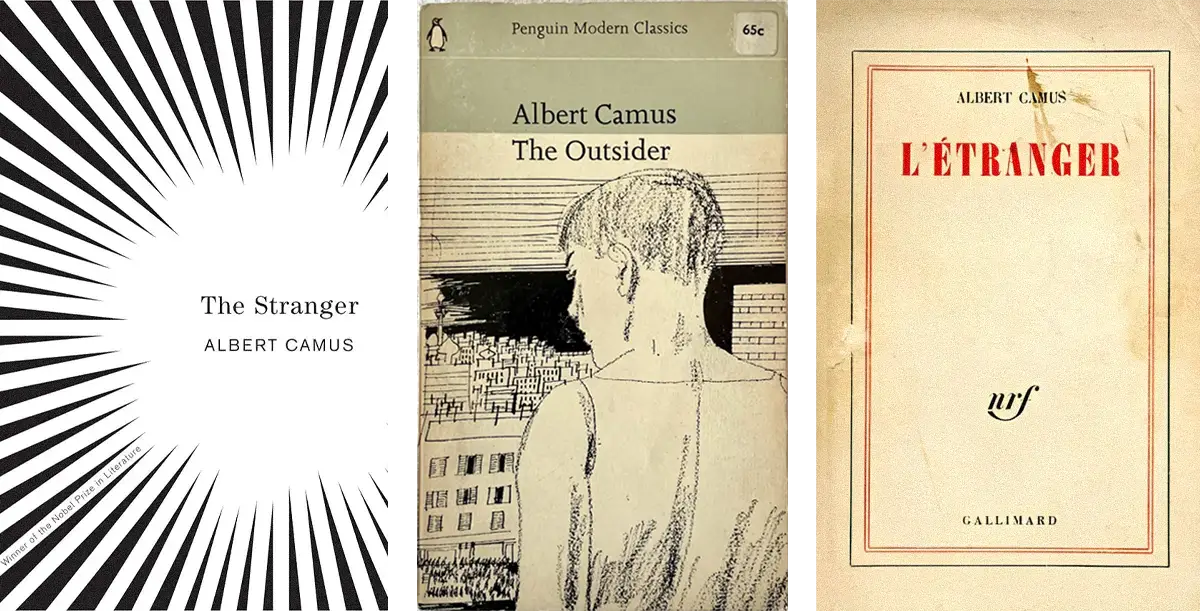
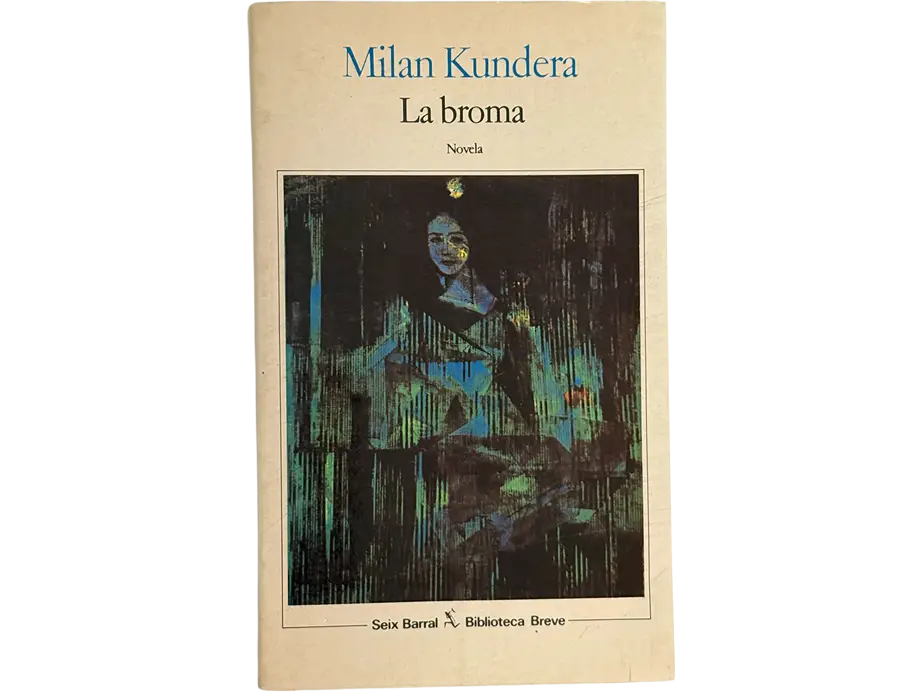
I know this firsthand. Growing up in Mexico during the last years of one-party rule, I felt like some of the truest descriptions of the strange world around me came from foreign writers. At fourteen, I read Albert Camus’s The Outsider and was struck by its depiction of a disaffection I recognized but never had the words for. A novel written in French, set in Algeria, and encountered in Mexico through translation. And the translated title mattered. Camus called the novel L’Étranger, and American editions have generally used The Stranger, while British ones have opted for The Outsider, which to me better captures the novel’s sense of alienation and made it resonate all the more. Other translated works would become similarly important to me, such as Kafka’s novels and Kundera’s, particularly The Joke. It was no coincidence. Kafka’s unanswerable authorities and Kundera’s account of a life undone by a political joke didn’t feel entirely foreign. Their settings were different from my surroundings, but I still found in them eerie echoes of the oppressive weight of bureaucracy and the arbitrary exercise of authority that were so characteristic of my own country.
Perhaps the greatest gift of translated literature is that it can illuminate our own world as much as those remote from us. And we owe much of that gift to the erudition and passion of translators. Their work shapes not only how we encounter foreign voices, but whether we encounter them at all, allowing them to become part of literary and cultural traditions far beyond their own.