Despite the fall foliage and delicious food, Thanksgiving is, well, a complicated holiday. The speed at which you can go from sharing heartfelt expressions of gratitude with family to arguing about politics with Uncle Brad is enough to give anyone emotional whiplash. The feelings of warmth and celebration, paired with discomfort over the origins of Thanksgiving, are ones we know well.
But maybe that’s the beauty of the holiday, that it allows us to hold multiple truths in the palm of our hands. We love this holiday of food and festivity, and we’ve long since stopped believing in the story where the pilgrims and the Native Americans all sat happily around the table.
This year, bring some literary reflection to your Thanksgiving feast with 12 books written by Native authors. These stories, from novels to poetry to memoir, investigate the multitude of experiences that come with being Native in the United States. Despite a fraught and painful history, Native communities remain diverse and vibrant today, and are worthy of a spot on our reading list.
We promise the turkey will still taste just as good.
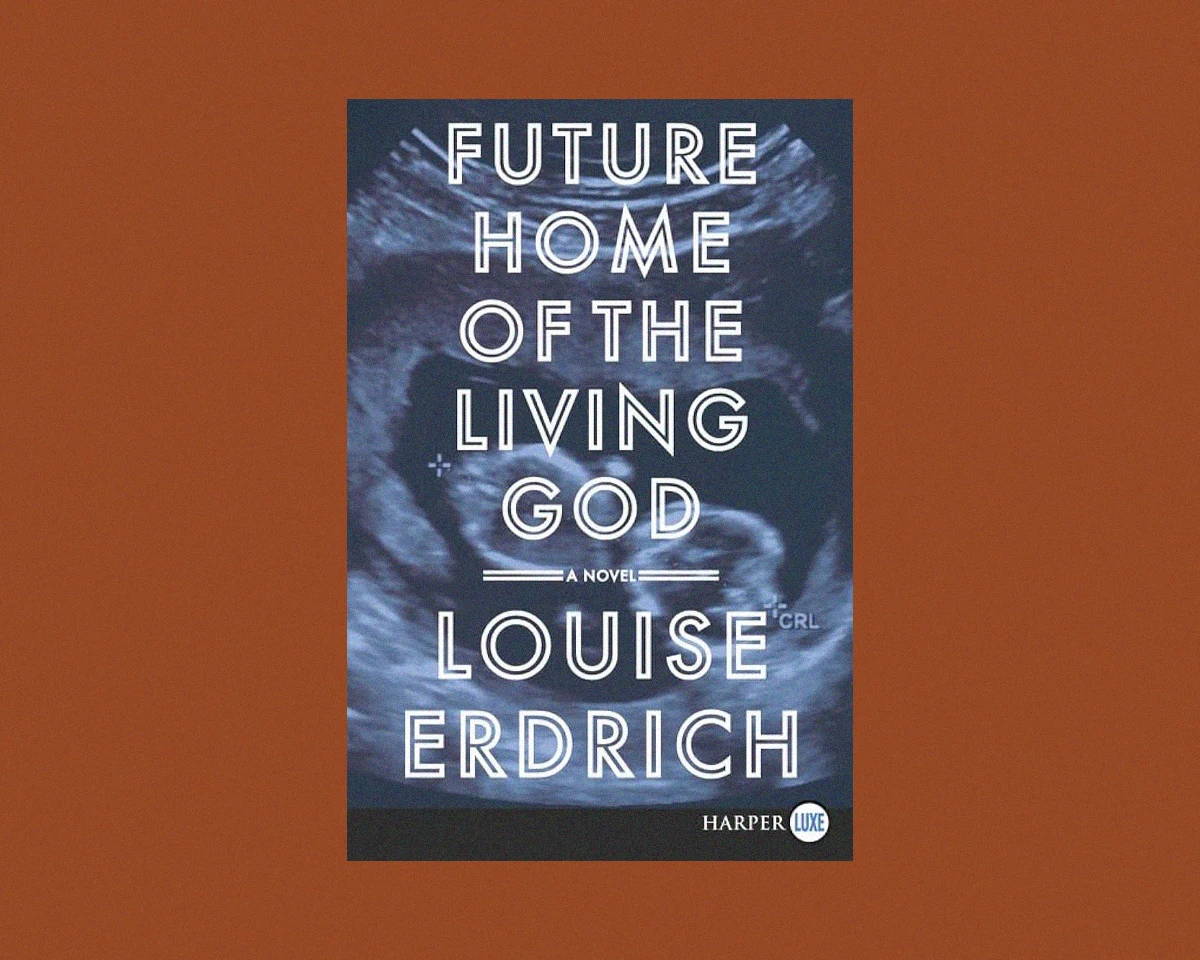
Future Home of the Living God by Louise Erdrich (2017)
This New York Times notable book by National Book Award-winning author Louise Erdrich paints the dystopian story of a planet teetering on its axis as humankind faces the horrific threat of evolution happening in reverse. As pregnant Ceder confronts the chilling chance that she might give birth to a primitive infant, she must grapple with the unknown—and the unthinkable—ahead.
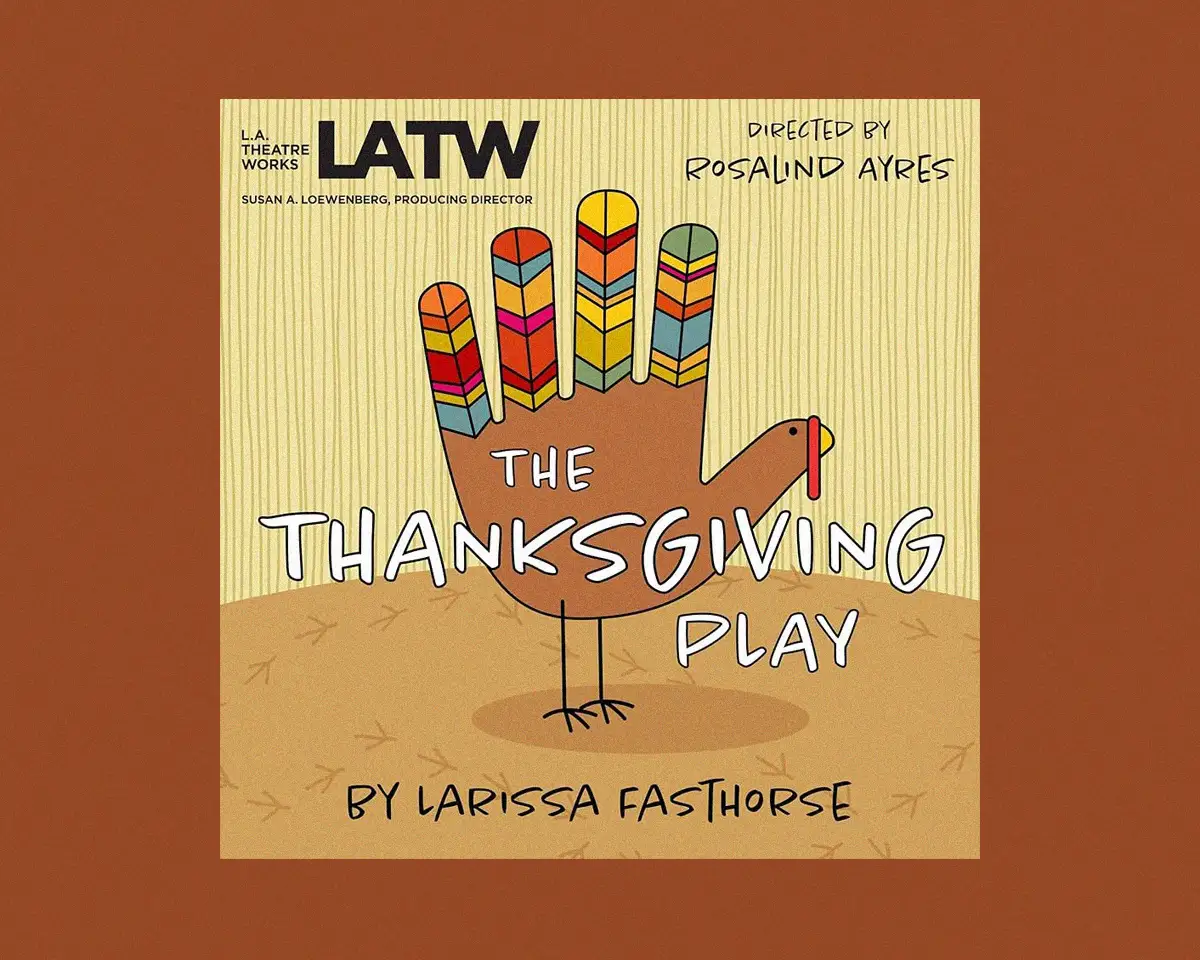
The Thanksgiving Play by Larissa Fasthorse (2018)
A group of white elementary school teachers stage a retelling of the first Thanksgiving in this biting comedy that comments on the culturally insensitive antics of well-meaning people who get caught up in political correctness. The play subtly critiques historical and ongoing misrepresentation of Native Americans while poking fun at mainstream culture’s attempts to redeem itself.
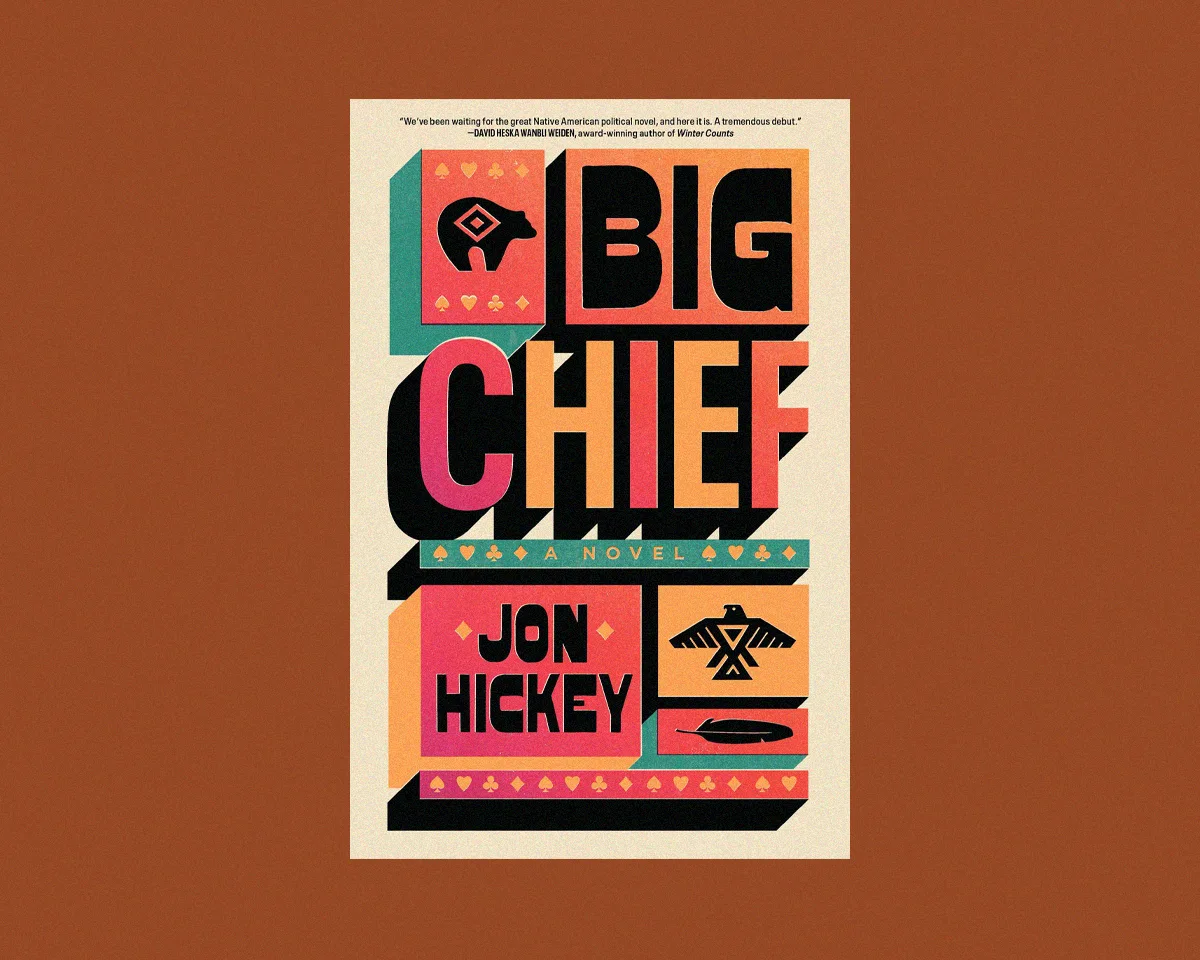
Big Chief by Jon Hickey (2025)
Named a Most Anticipated Book of 2025 by The Washington Post and other major outlets, this debut novel put its author on the literary map with a gripping story of community, belonging, and the fight for sovereignty. Mitch Caddo, a rising political fixer, is swept into a brutal election battle on his Anishinaabe homeland, and a volatile fight for power ensues. Amid chaos on the reservation, Mitch joins forces with the woman he once loved, even if it means betraying the family he has left.
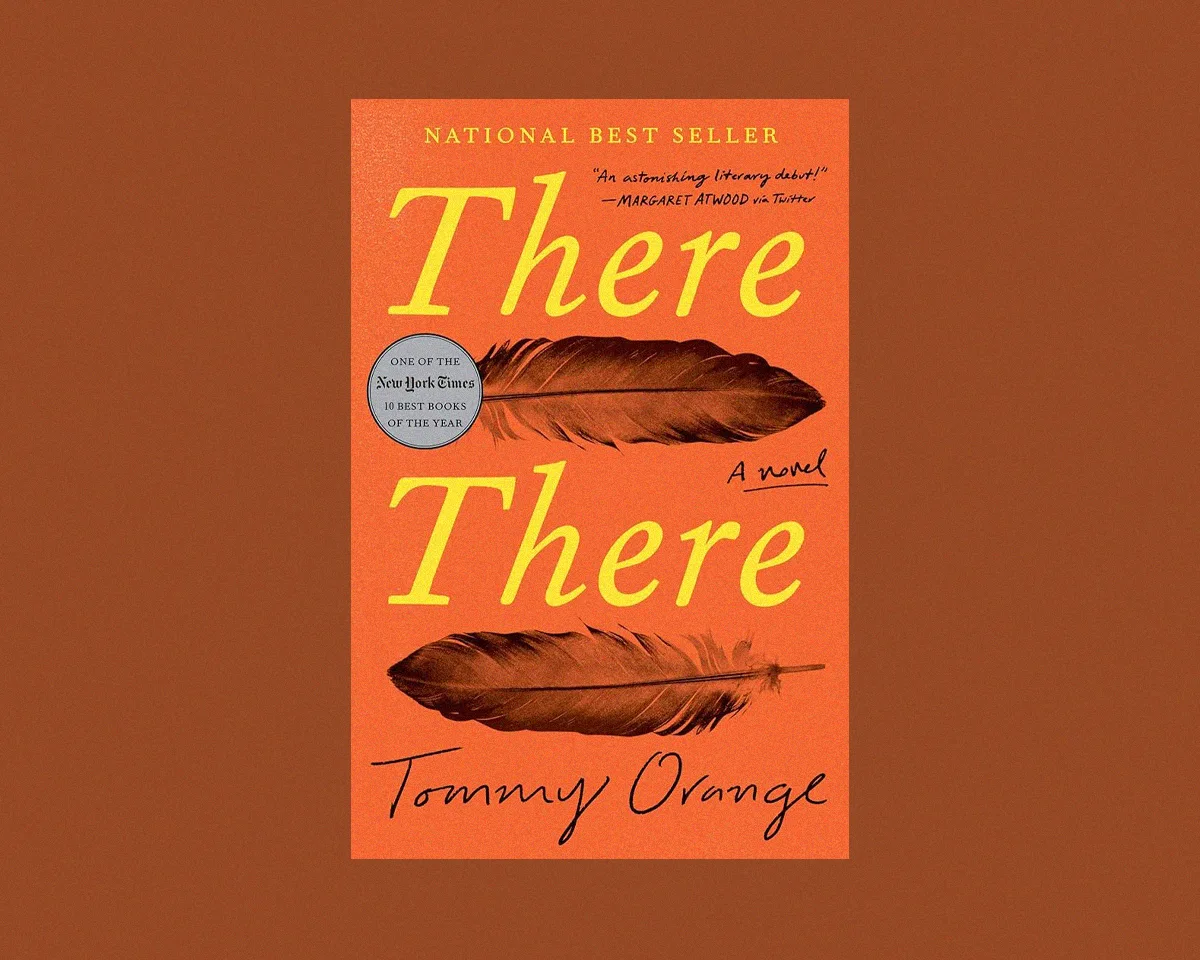
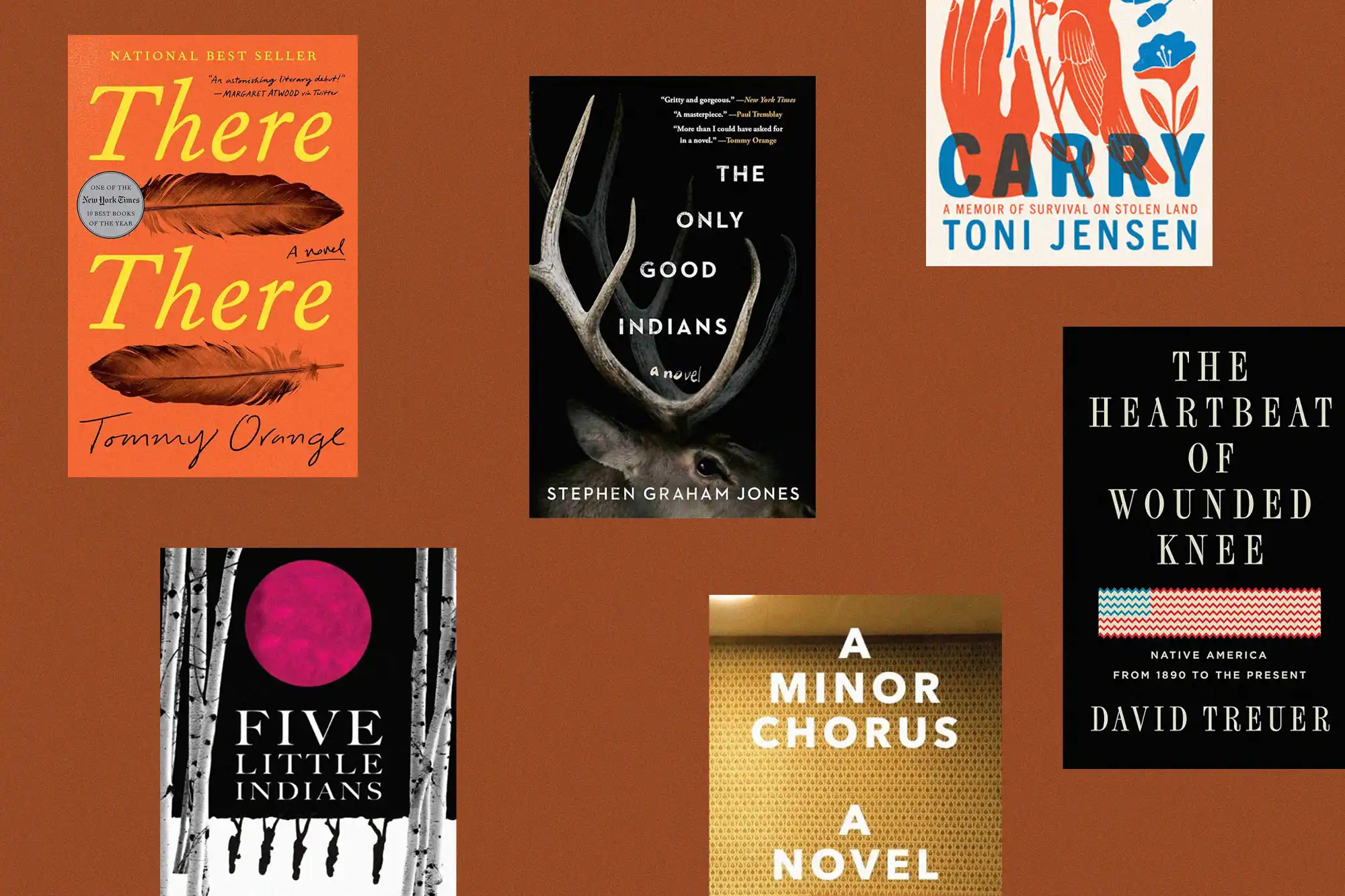
There There by Tommy Orange (2018)
A Pulitzer Prize Finalist, There There follows 12 Native characters living in Oakland whose lives converge at a community powwow, revealing intersecting stories of identity, trauma, resilience, and what it means to be Indigenous in a modern American city.
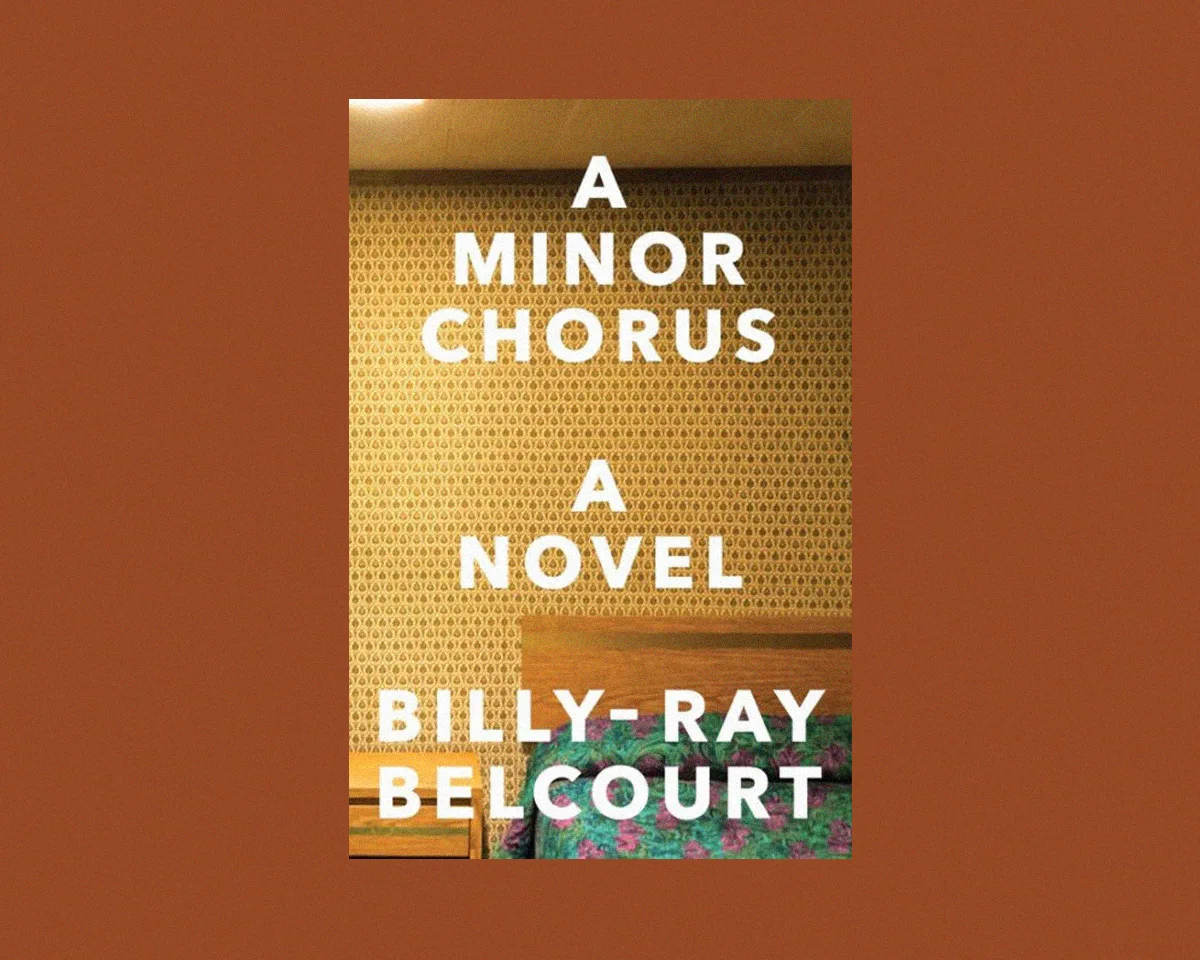
A Minor Chorus by Billy-Ray Belcourt (2022)
A queer Cree poet leaves academia to write a novel about the lived experiences of people in his northern Alberta hometown. As our unnamed narrator seeks source material for the story, we are pulled through a beautiful exploration of intimacy, longing, and the politics of Indigenous survival.
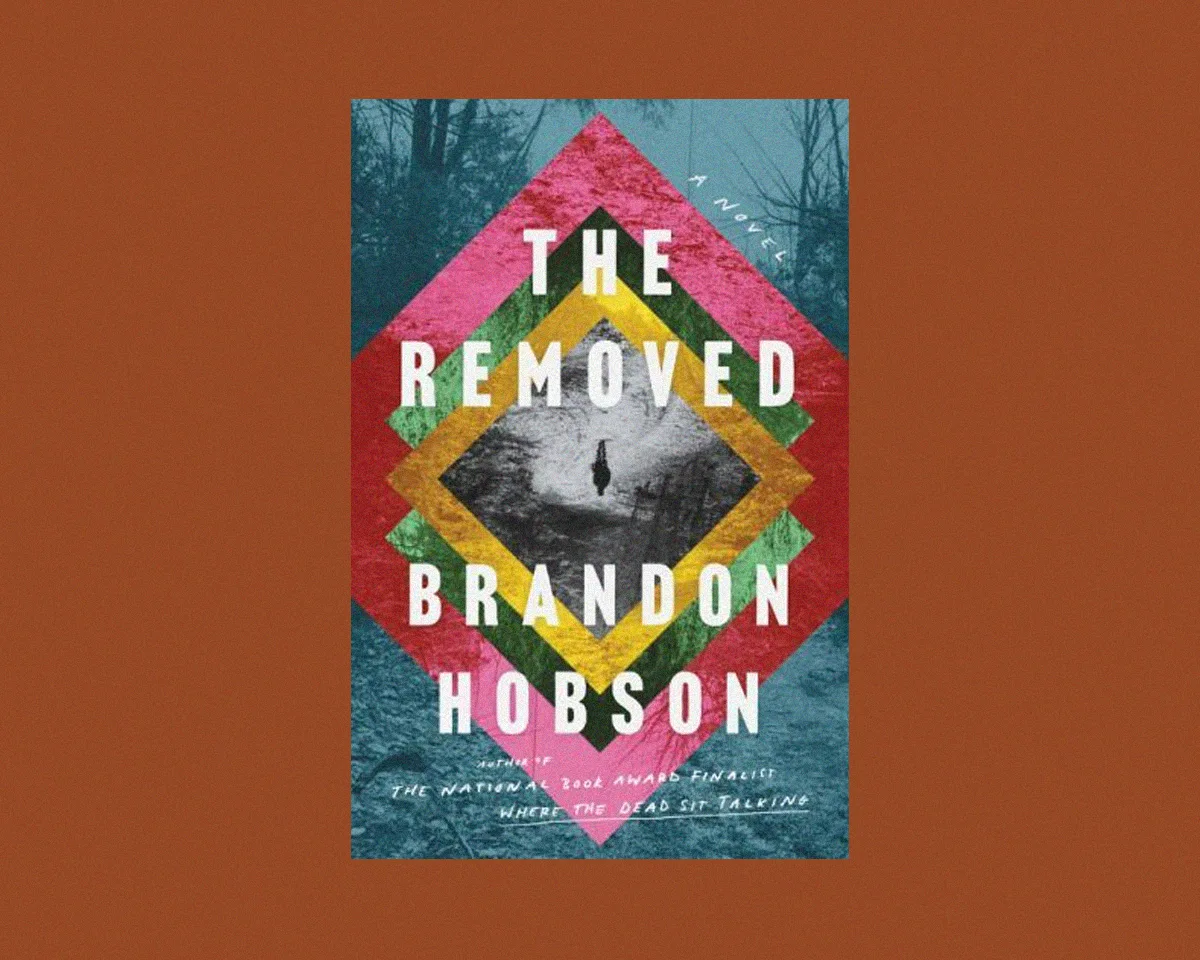
The Removed by Brandon Hobson (2021)
Part folklore, part family drama, this painfully beautiful novel uses Cherokee myths and history to tell the story of a family reckoning with the tragic death of their son.

The Absolutely True Diary of a Part-Time Indian by Sherman Alexie (2007)
This classic coming-of-age story follows Junior, an aspiring cartoonist growing up on the Spokane Indian Reservation who moves to an all-white high school where the only other Indian is the school mascot.

The Only Good Indians by Stephen Graham Jones (2022)
A modern horror novel and future classic, this beautiful and unsettling story follows the lives of four American Indian men and their families as they are haunted by a disturbing, deadly event that took place in their youth.
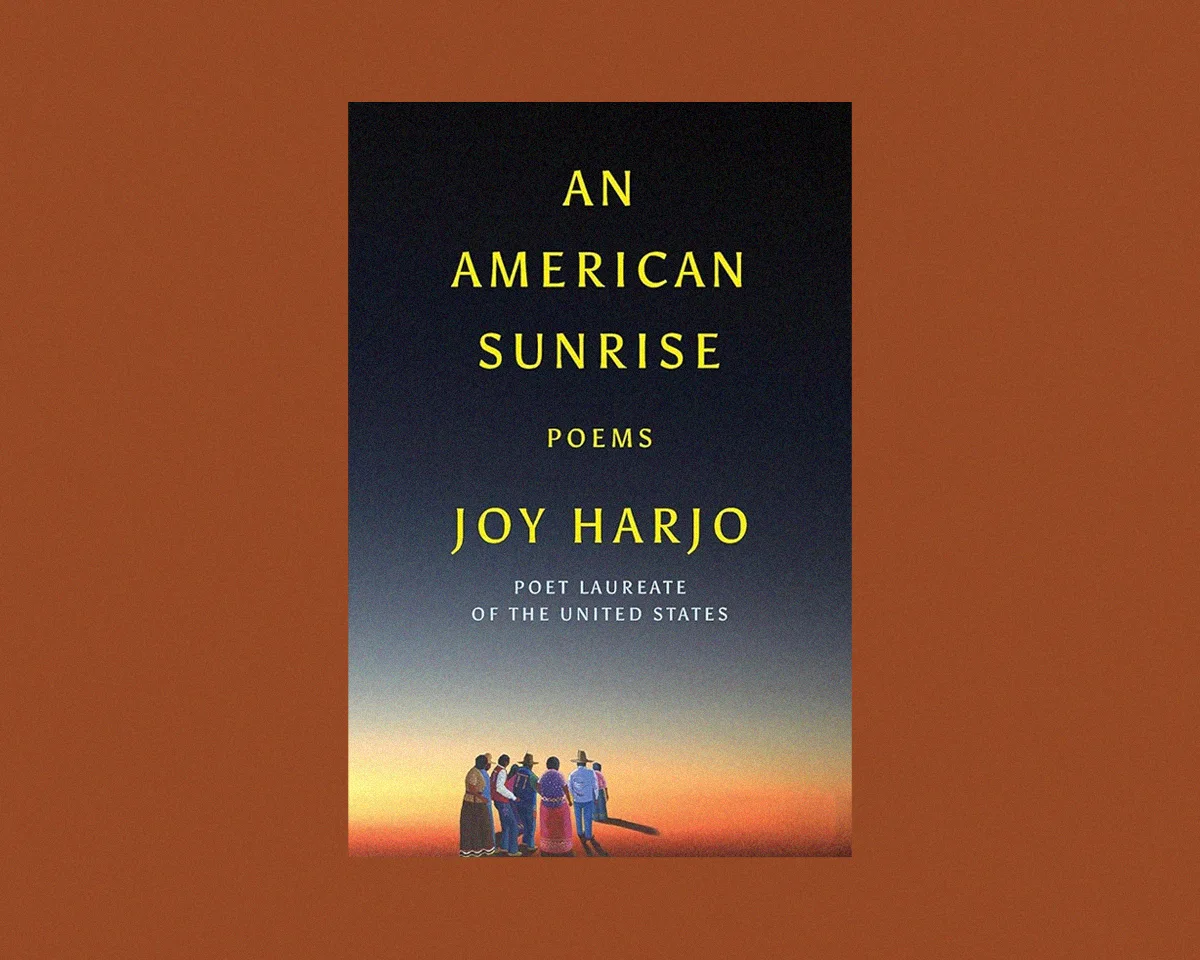
An American Sunrise by Joy Harjo (2019)
Joy Harjo was the first Native American Poet Laureate of the United States, and the title is well-earned in this gorgeous collection that recounts the author’s return to her family’s ancestral lands in Mississippi.
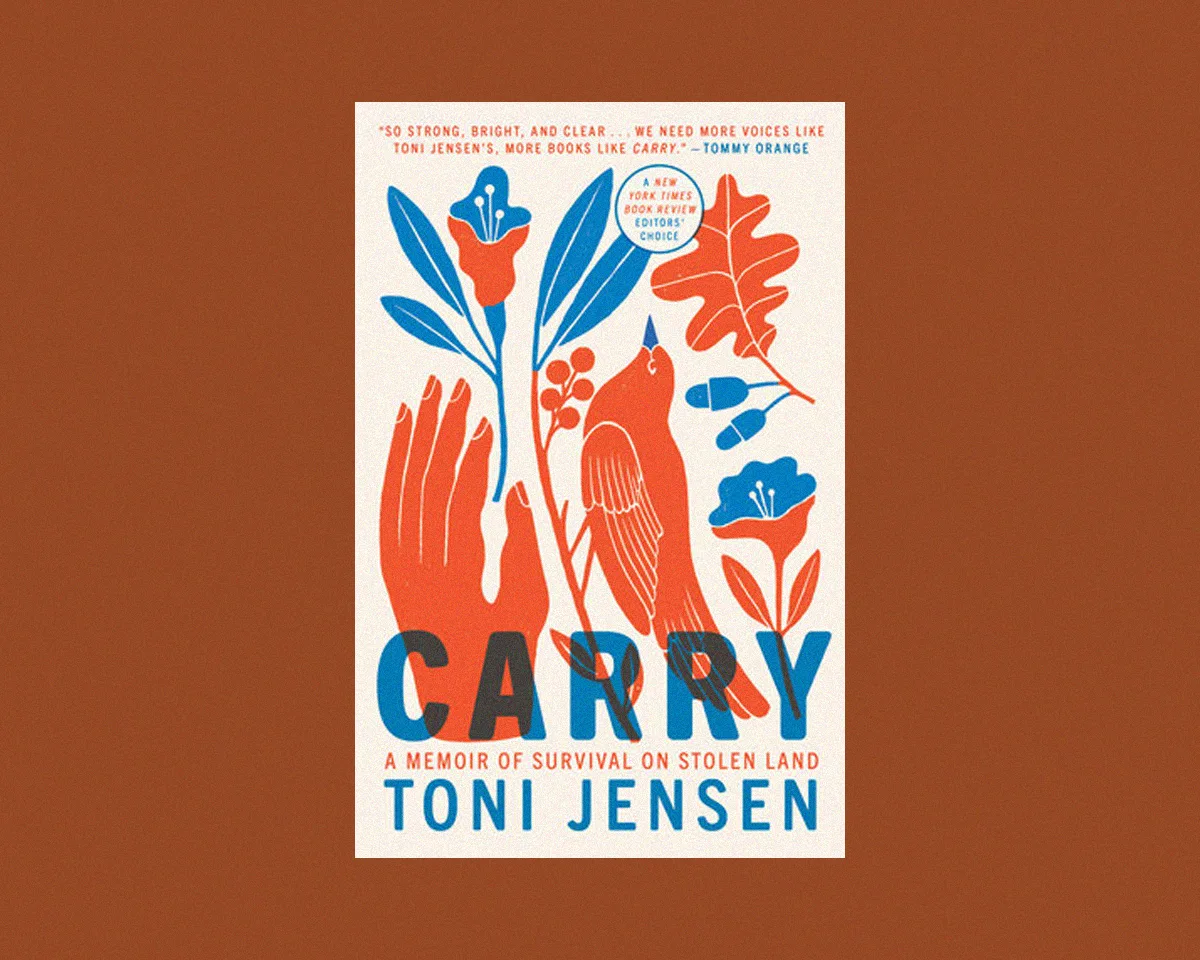
Carry by Toni Jensen (2020)
This gripping memoir charts the author’s relationship to guns and violence, from growing up shooting in rural Iowa to protesting at Standing Rock, Jensen seamlessly merges the personal with the political and the past with the present.
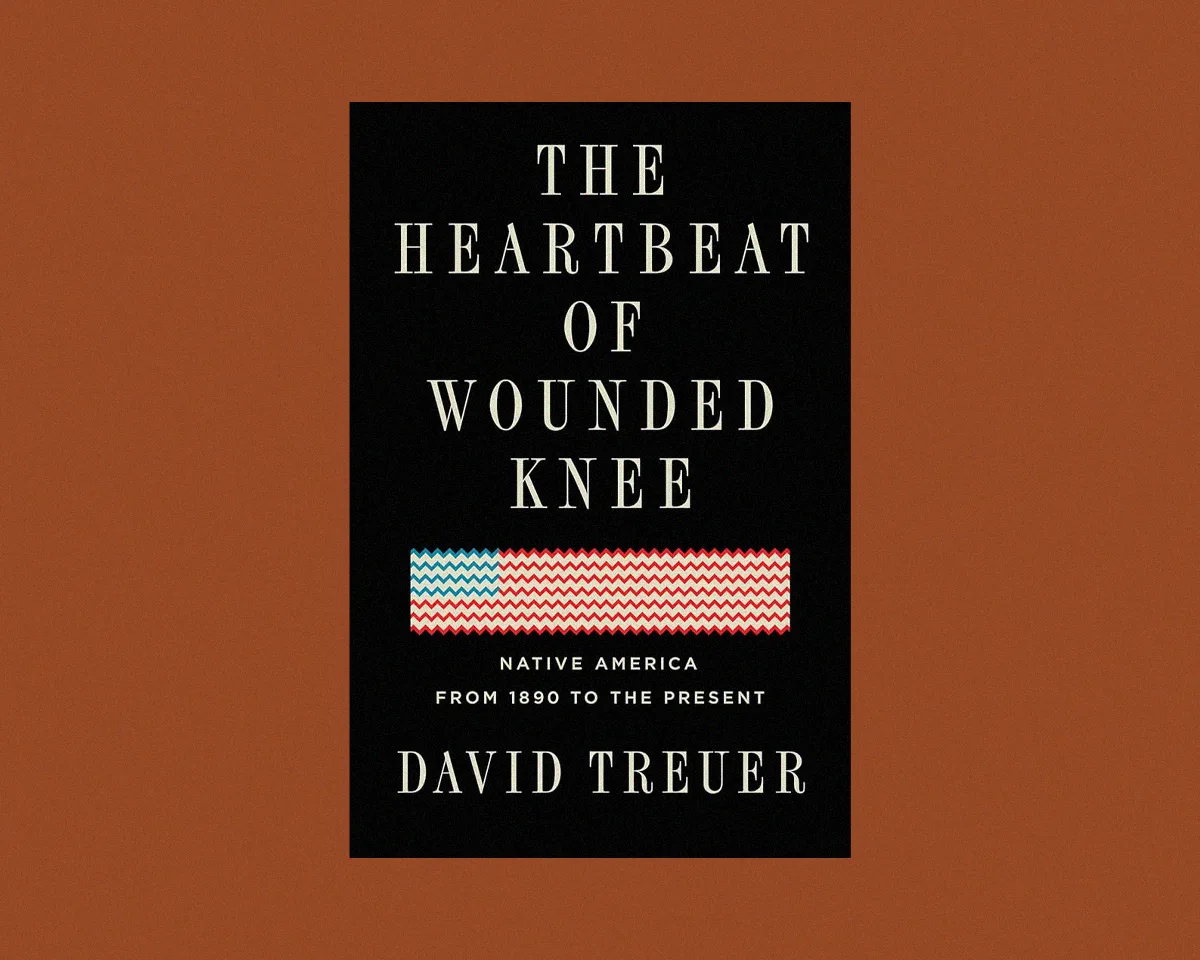
The Heartbeat of Wounded Knee by David Truer (2019)
In this critical work of nonfiction, David Truer disproves the idea that Native American history ended in 1890 with the massacre at Wounded Knee. Truer, the son of an Ojibwe mother and Jewish Holocaust-survivor father, uses brilliant scholarship to uncover a different narrative.

Five Little Indians by Michelle Good (2020)
This novel follows five friends who survive a brutal church-run residential school over decades as they come of age and struggle to find their place in the world among the trauma inflicted upon them.