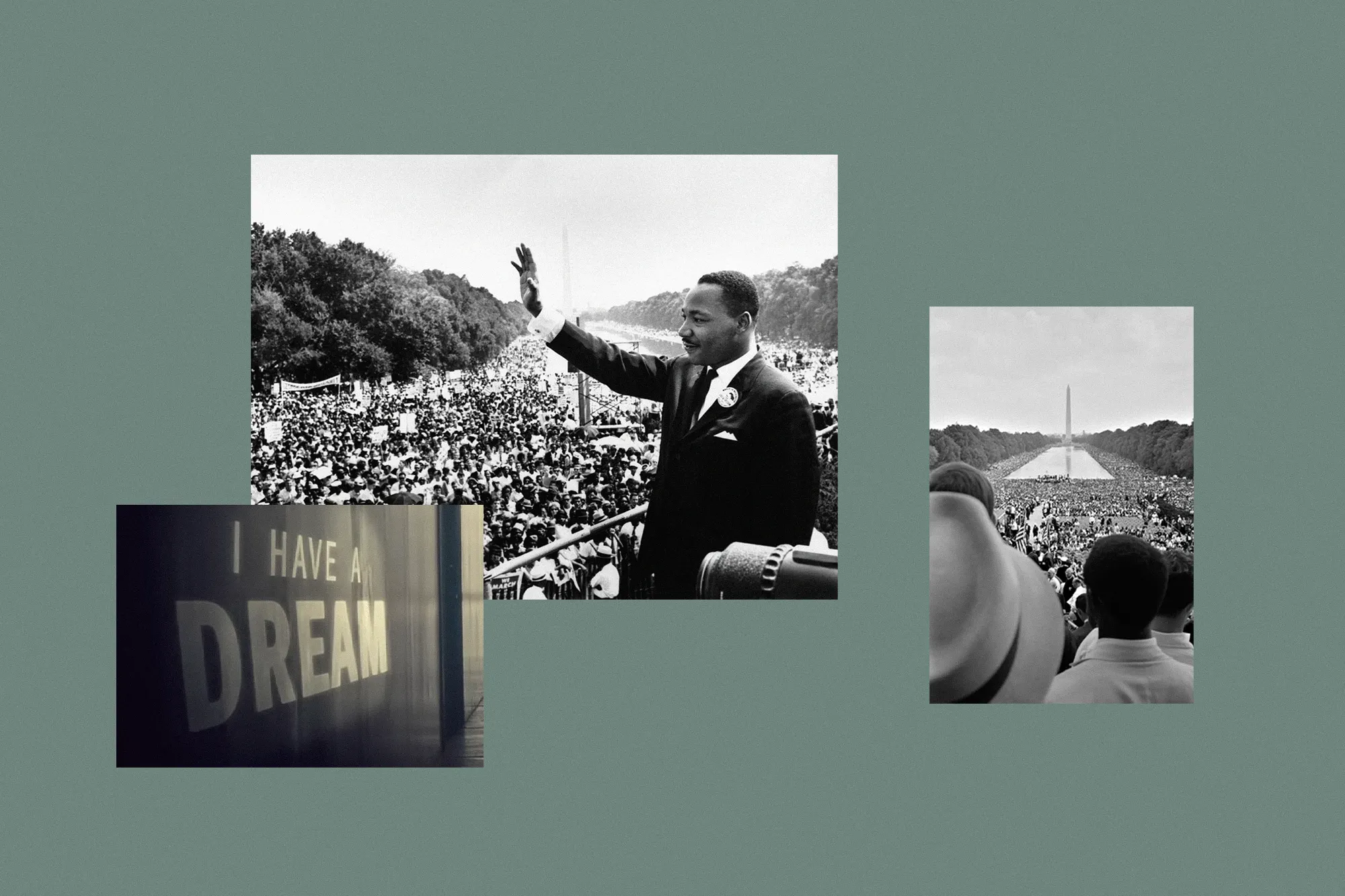
In April 1963, Dr. Martin Luther King Jr. sat in jail after his arrest for peacefully protesting segregation in Birmingham, Alabama. On scraps of paper passed to him by a sympathizer of the cause, he wrote, “freedom is never voluntarily given by the oppressor; it must be demanded by the oppressed.”
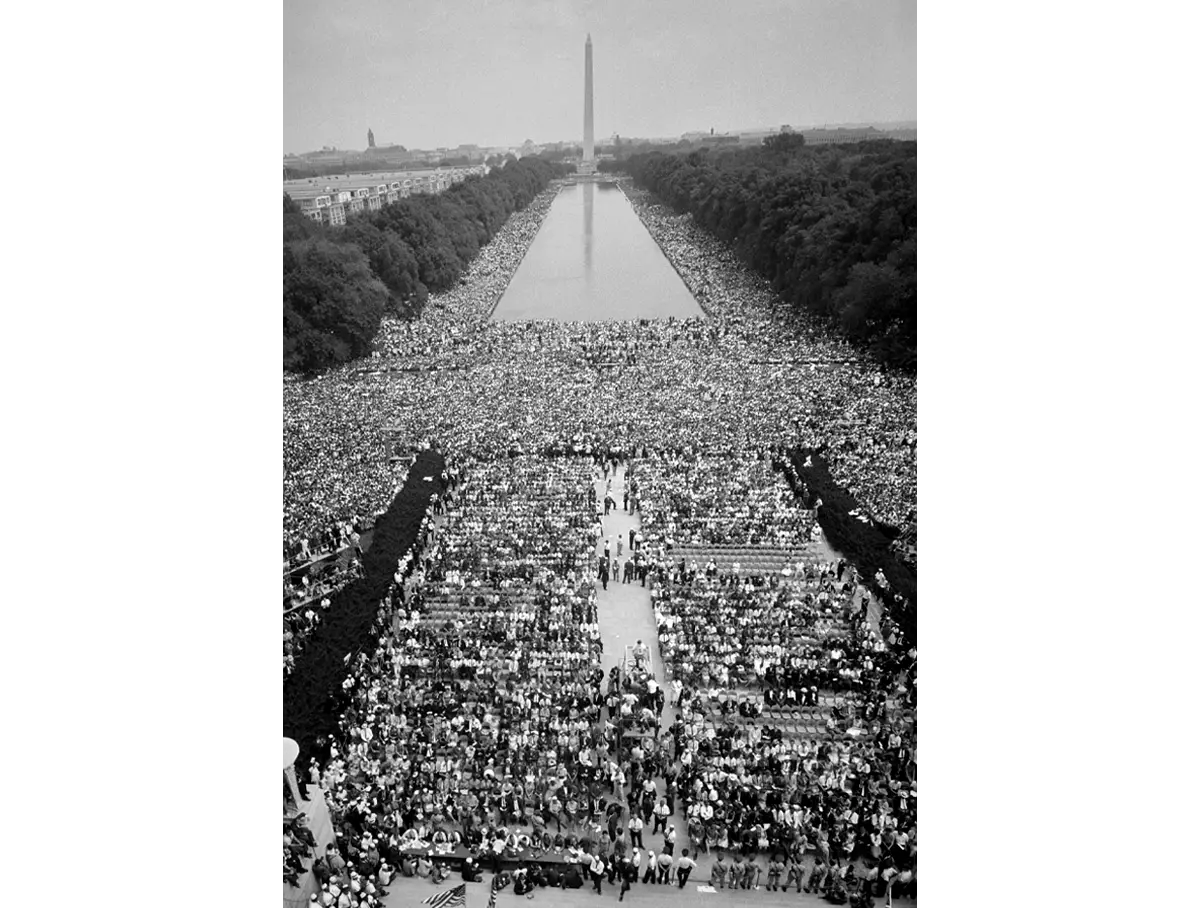
On August 28 of that same year, King was free and speaking to 250,000 people at the Lincoln Memorial in Washington, DC. His speech that day—63 years ago today—became one of the most consequential pieces of rhetoric in human history, so famous that a sample of its most well-known line topped the Billboard charts of numerous European countries over forty years after the speech was given, remixed into a house DJ set.
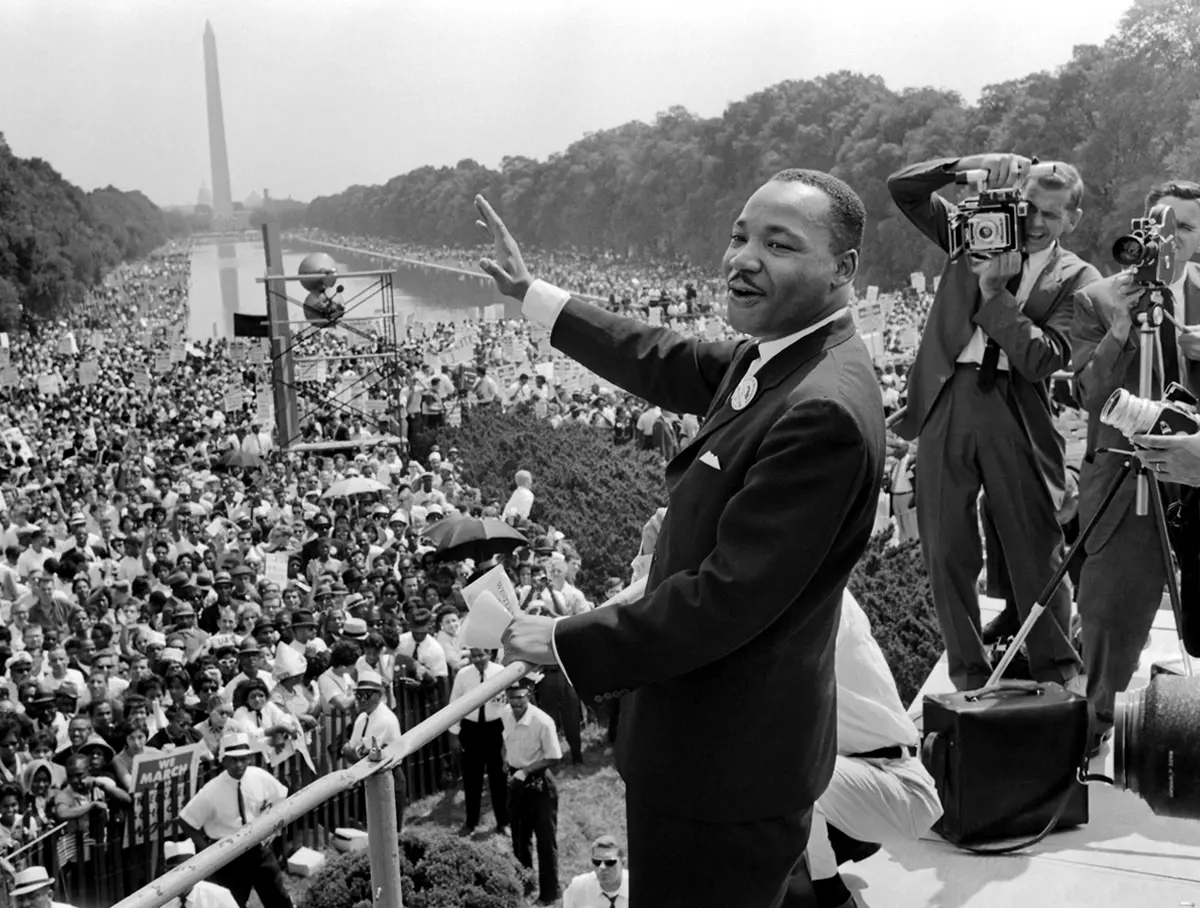
“I have a dream that one day this nation will rise up and live out the true meaning of its creed: ‘We hold these truths to be self-evident, that all men are created equal.’”
Thousands of European festivalgoers bopped along to Bakermat’s tune and King’s voice decades after he gave his speech. King would, I imagine, be proud that his message carried that far and that long. The song is titled “One Day (Vandaag).” Is this one day King dreamt of forty years prior any closer now than it was then? Or does the fact that the dream still exists and inspires suffice?
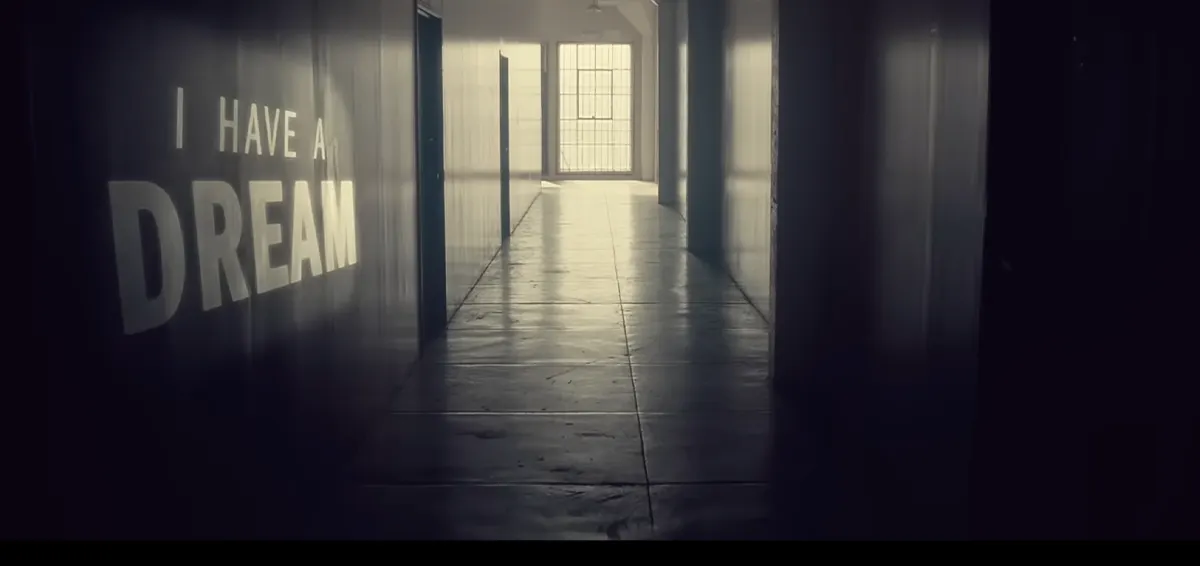
And what means justify the achievement of that dream? As long as the oppressor is comfortable with the status quo, they have no real incentive to make a change. The reality of matters of war and peace is that they are to a certain extent beyond the morality of human rights, and that most states or governments will not change their ways if they are not pushed to do so by internal or external pressures of some sort. King understood this. His dream included an understanding that people will revolt against unjust systems of oppression, that they have the right to do so, and that they may be crushed with further violence in response: “The whirlwinds of revolt will continue to shake the foundations of our nation until the bright day of justice emerges.” If freedom is to be demanded by the oppressed, the goal of the oppressed is to make the oppressor perceive giving them freedom more viable and attractive than depriving them of it.
MLK’s dream does not deny that the dream might include violence to become a reality, but that faced with that violence, he would offer a different response: mass non-violent action as doctrine. King chose to respond with the opposite, trusting that this choice would gain enough visibility, that the sheer number of people marching with him would be too high for the state and its monopoly on power to ignore without losing some of its legitimacy. At some point, King trusted, the scales would tip, and the benefit of giving King (part of) what he demanded would outweigh the advantages of trying to silence him.
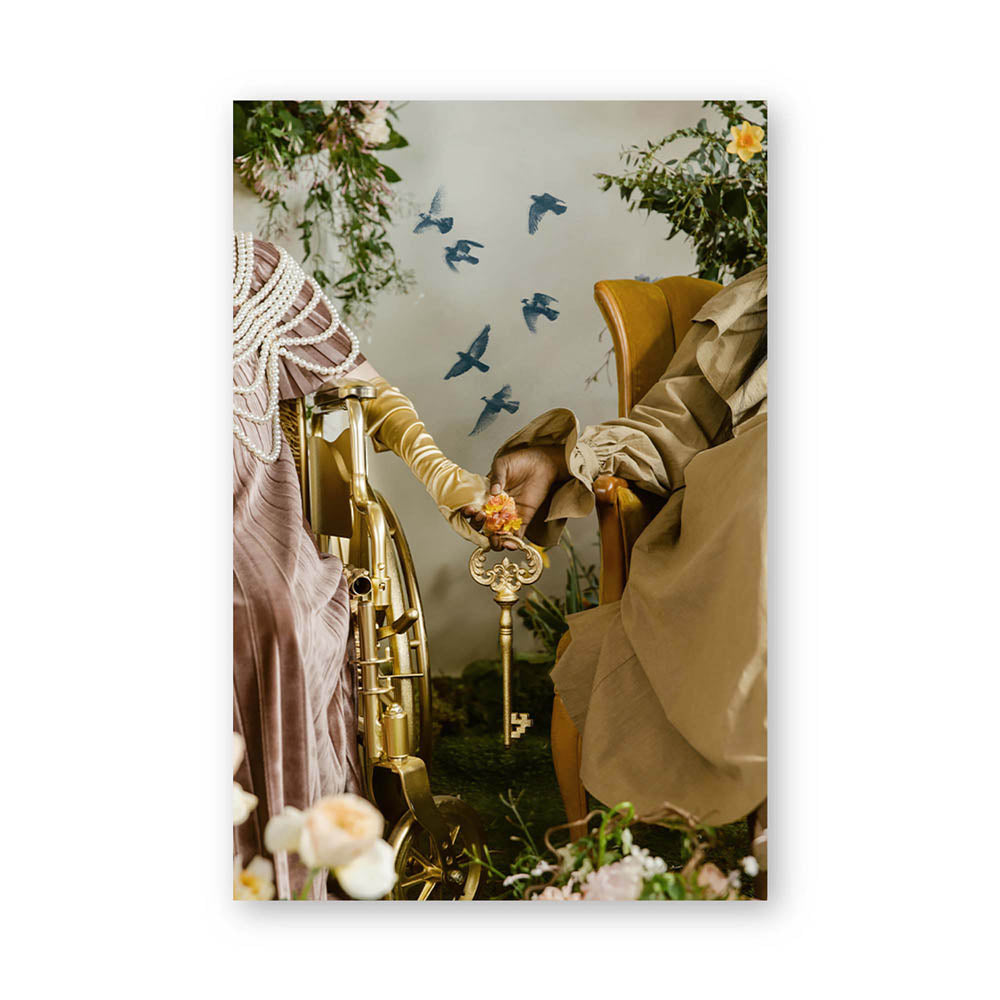
“Let freedom ring. And when this happens, and when we allow freedom ring — when we let it ring from every village and every hamlet, from every state and every city, we will be able to speed up that day when all of God’s children — black men and white men, Jews and Gentiles, Protestants and Catholics — will be able to join hands and sing in the words of the old Negro spiritual: “Free at last! Free at last! Thank God Almighty, we are free at last!”
Does dreaming of something greater, something different, inherently mean you maintain hope for it to actually happen? Or does the dream include imagining an impossibility, a mirage that you can never attain? A dream is a faraway ideal. To fight for it requires one to have hope that a part of it is actually attainable. Hope is the motor that drives the path towards the dream; a path that to develop and to walk on takes careful planning. The dream, on the other hand, is not as concrete; it’s effervescent, removed, and changeable.
What is the difference between hoping and dreaming? One cannot exist without the other, yet their relationship is not always symbiotic. King’s dream was larger than the hope. Dreams are more aspirational, less concrete, and harder to pin down. King used the language of dreams to evoke a certain emotion, but his strategy was clearer than what dreams can provide.
The dream is collective; it’s what the 250,000 people at Lincoln Memorial and the festivalgoers in 2016 felt was possible standing in the crowd. Hope, on the other hand, happens on the individual level; as long as enough people have hope that this dream can be real, they will work to make that dream happen, or at least try to inch closer to it. The dream cannot survive if the individual hope dissipates.
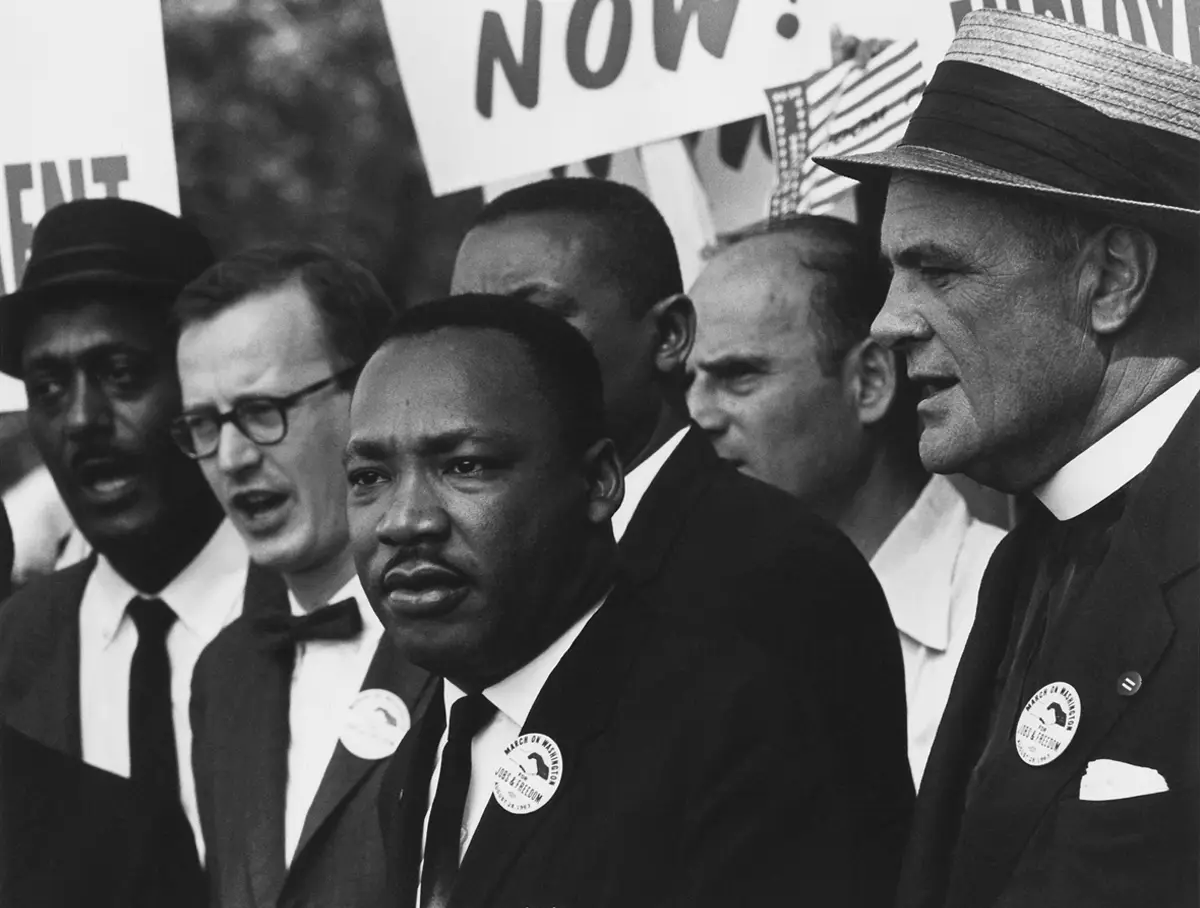
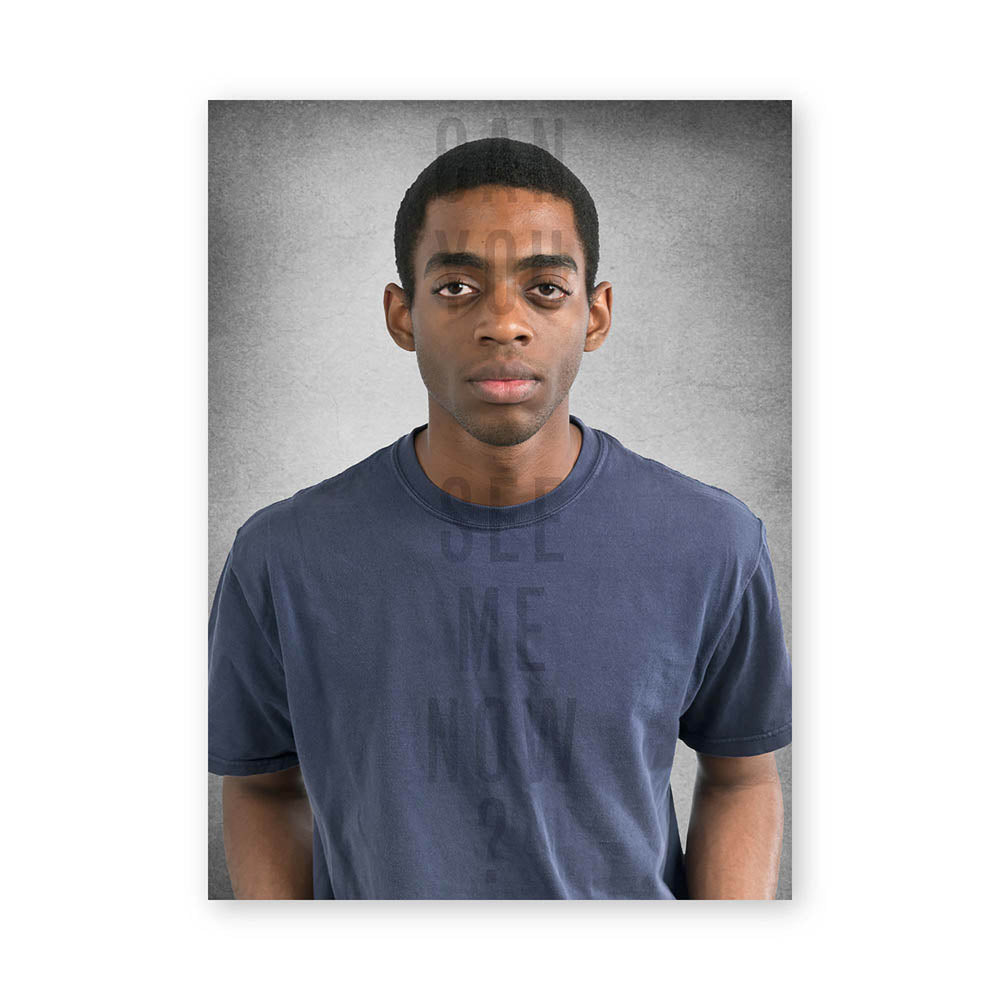
A nation where people are treated as full and equal citizens regardless of race, where “black men and white men... join hands,” is far removed from reality today. Some might call this big a dream, this large an ideal, delusional. King would respond that to fall into such a trap of despair is not an option. Each of us has a personal responsibility to keep hoping, so that the collective dream continues to be. Without it, there is only revolution without actual progress.