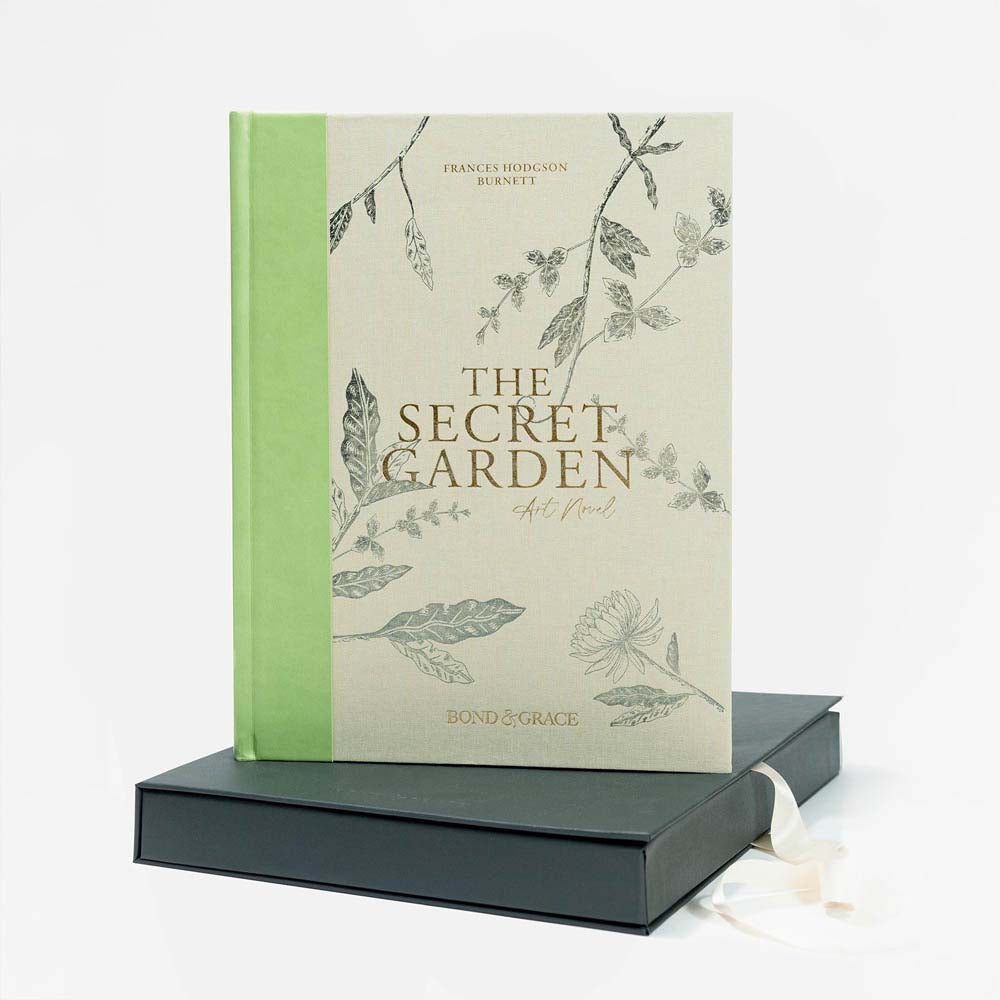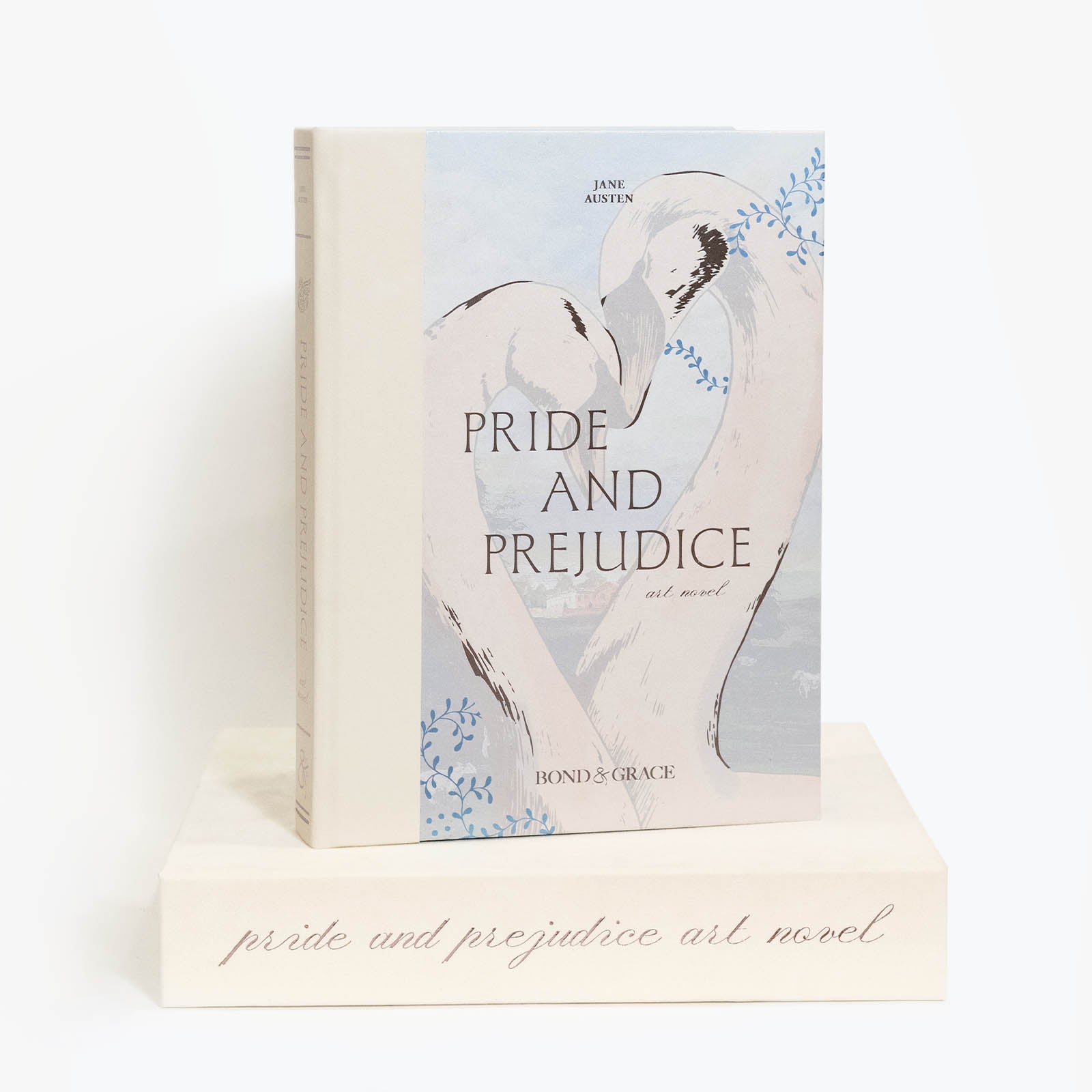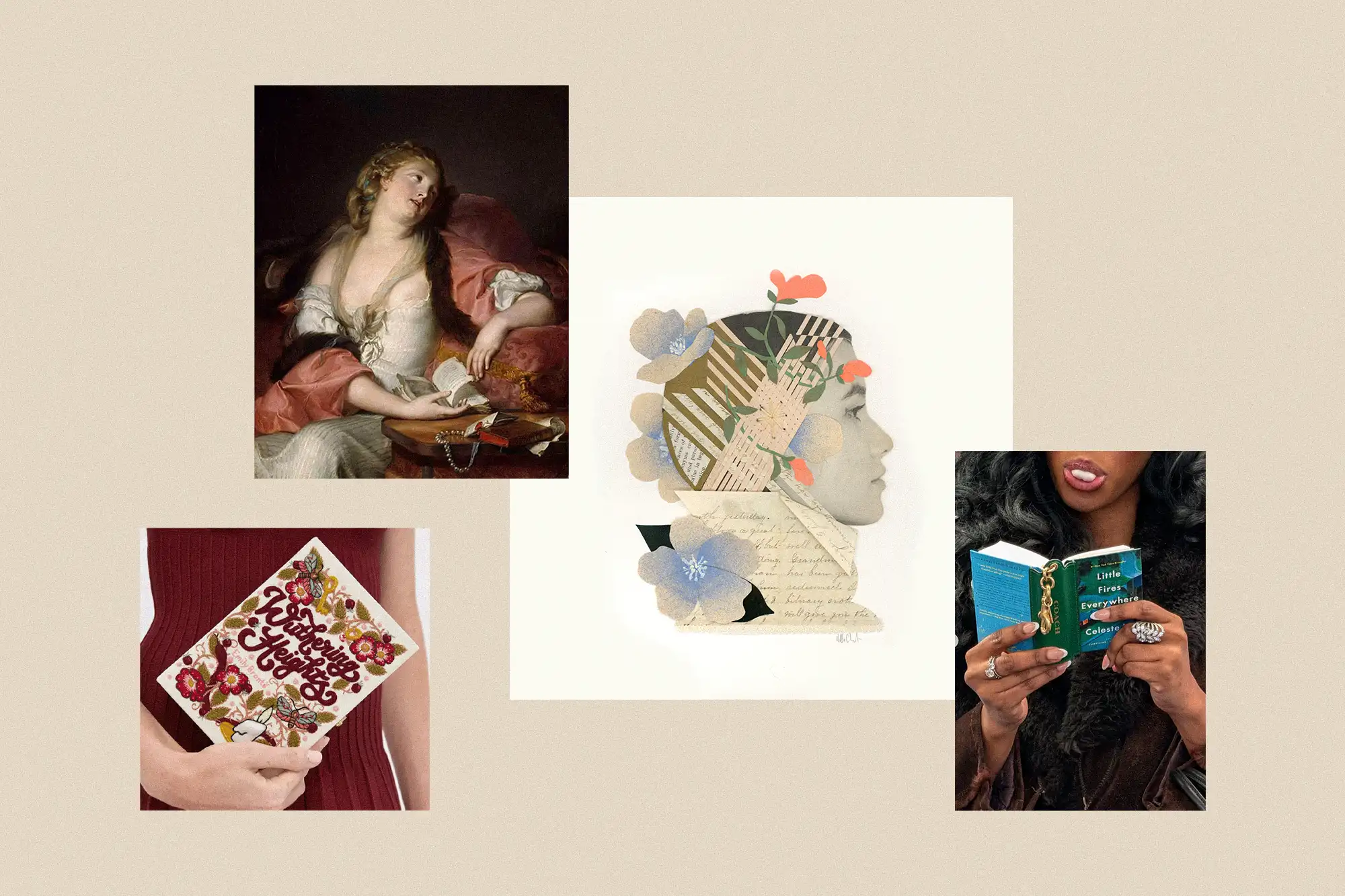
While classic titles like Pride & Prejudice, Dracula, and The Great Gatsby line the walls of public libraries, they also line the warm, lighted shelves of Louis Vuitton, Dior, Loewe, and other luxury brands. It’s quite the dichotomy: one is free and accessible to all, while the other is displayed behind glass and comes with a hefty price tag. The irony? The library contains the actual story, while luxury brands sell the idea of the story — often through a thoughtfully designed handbag with a hefty price tag.
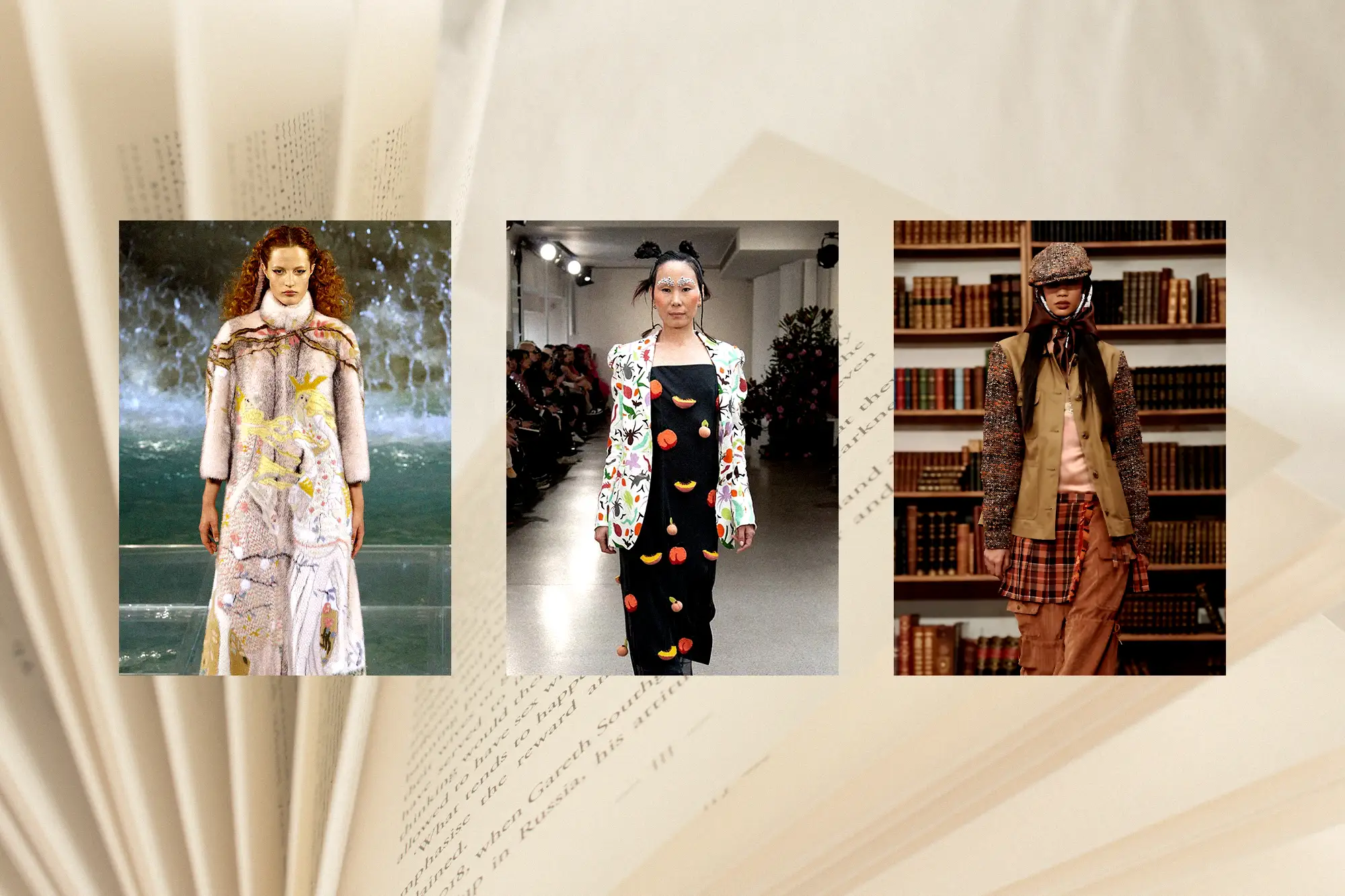
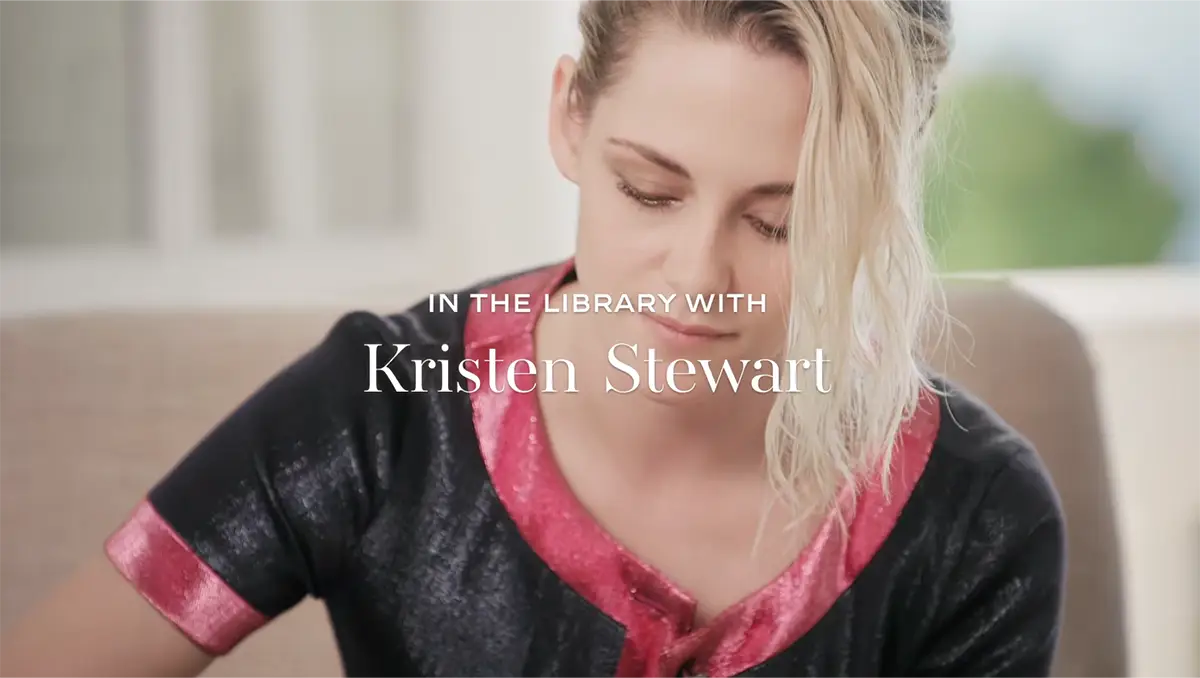
Luxury brands have long dabbled in literature, using it as both inspiration and a way to target a particular audience. Take Burberry’s Fall 2016 Ready-to-Wear collection, which paid homage to Virginia Woolf’s Orlando: A Biography, or Chanel’s In the Library mini-films, in which celebrities discuss the books that have profoundly impacted them. Notably, nearly all of them mention at least one classic title.
While luxury’s fixation with the literary world may seem very of the moment, it is, in fact, a classic case of brand building: by aligning themselves with literature, brands signal to consumers that they possess expertise in subjects associated with a certain kind of cultural status. That expertise is then imaginatively woven into everything from the silver casing of a lipstick to the thread of a cashmere scarf. The message is subtle but clear: if our brand understands this world, then some of that knowledge, taste, and cultural capital must be embedded in what we sell.
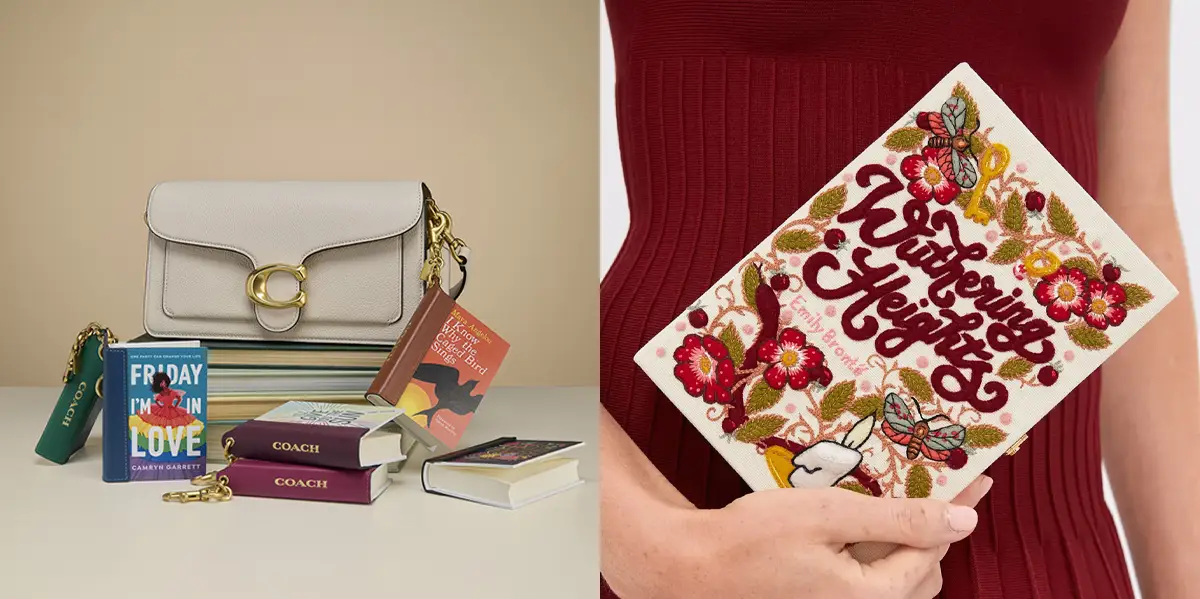
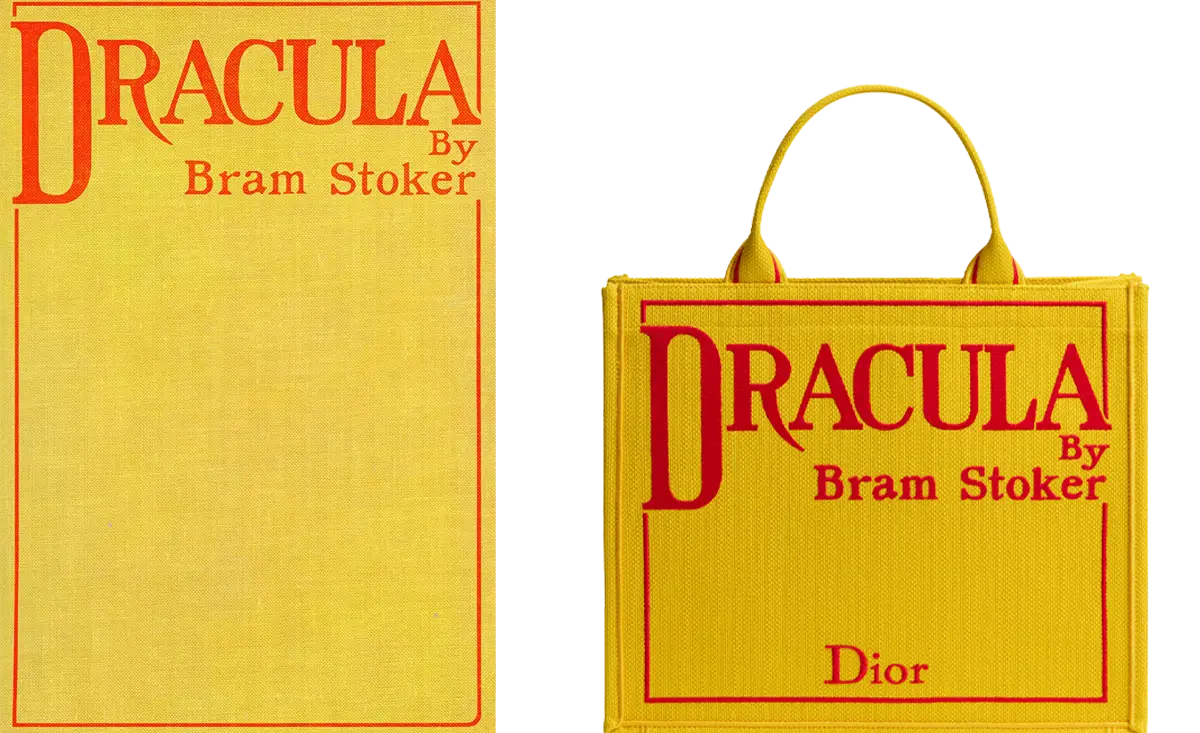
But more recently, for luxury brands, the mere reference to classic literature isn’t enough. Certain titles have become selling points in their own right. Whether it’s Dracula on Dior’s Book Tote, Wuthering Heights on an Olympia Le-Tan clutch, or Sense & Sensibility transformed into Coach bag charms, these literary references are carefully chosen and tastefully executed — allowing the consumer to signal that they have good taste not only in fashion, but in literature, too. And it feels like, as consumers, we can’t get enough. The book becomes more than an inspiration or even just a trend; it becomes part of the product’s value.
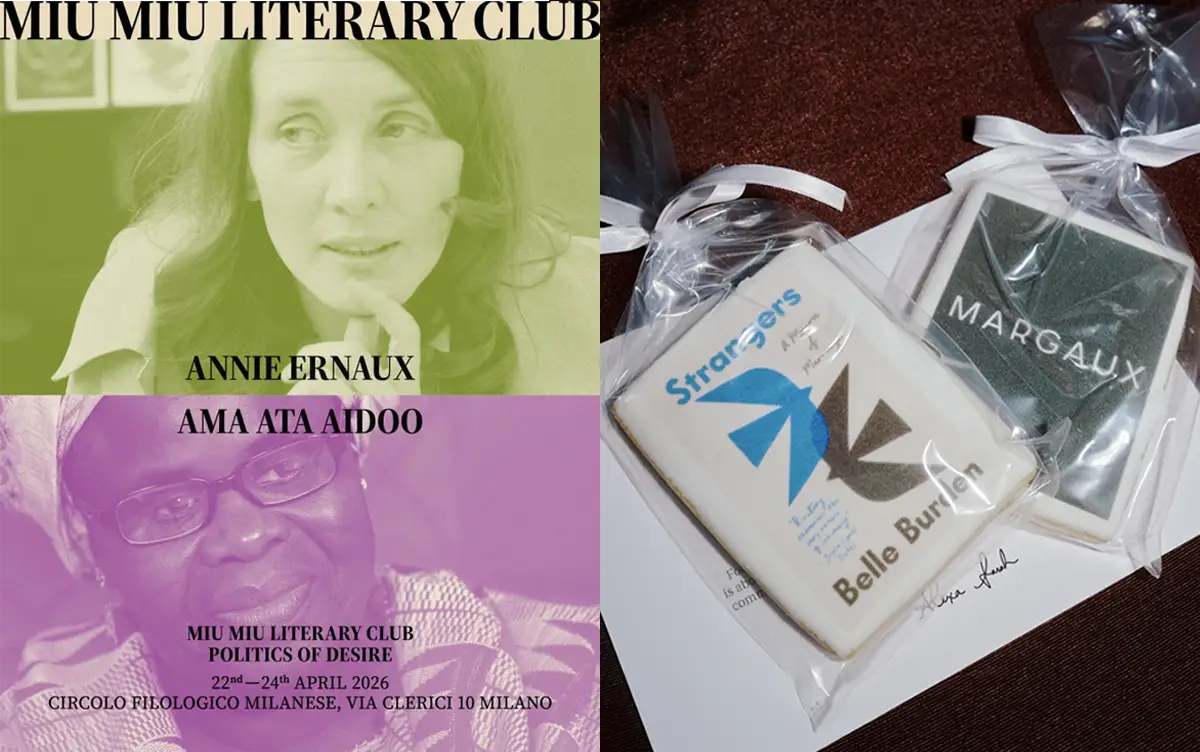
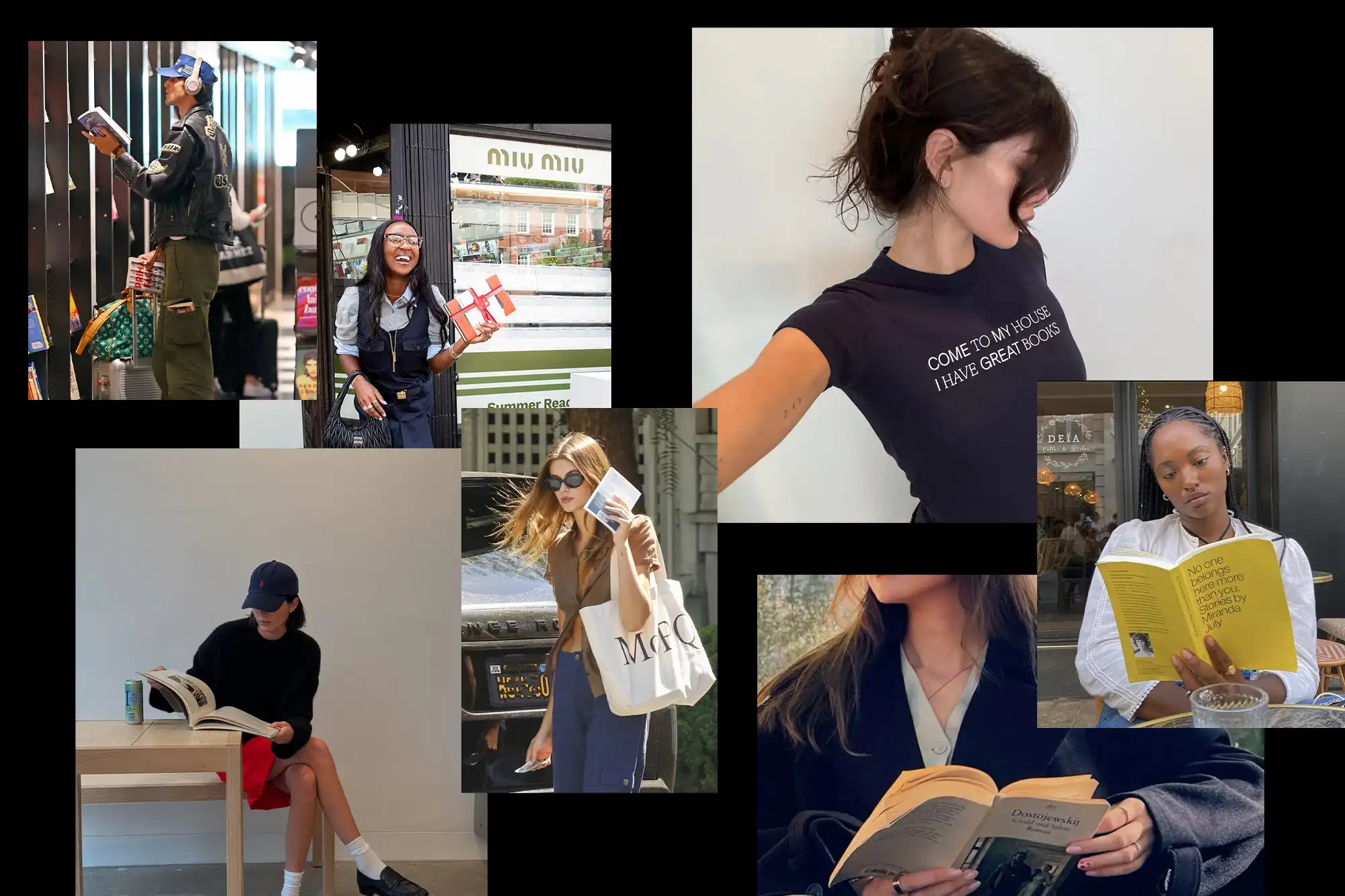
Which is why I wouldn’t necessarily consider luxury’s fascination with literature a fad. It’s becoming deeper than a product itself, and brands are investing in communities centered around a shared love of literature. For instance, look at Miu Miu’s Literary Club — an annual two-day event hosted in Milan inspired by literary salons and the brand’s “commitment to contemporary thought.” Or Margaux, which launched its book club, “Footnotes,” in 2020, with quarterly events and monthly book picks. It’s becoming clear that luxury’s embrace of literature signals a cultural shift—one in which the worldbuilding, imaginative expansion, and cultural capital literature offers have become integral to the values modern brands seek to project.
Keyword — project. If we begin to unpack why luxury is so obsessed with literature (us too!), it’s because both offer a version of the same promise: fantasy. When you open a bestselling novel in the park on a Sunday afternoon, where are you hoping to go? Somewhere that feels like a departure from here. The same can be said for a one-of-a-kind Kelly Hermés bag — or whichever designer bag you covet. Just slinging it over the shoulder gives you a glow-up, bringing you a step closer to the aspirational self you imagine becoming.
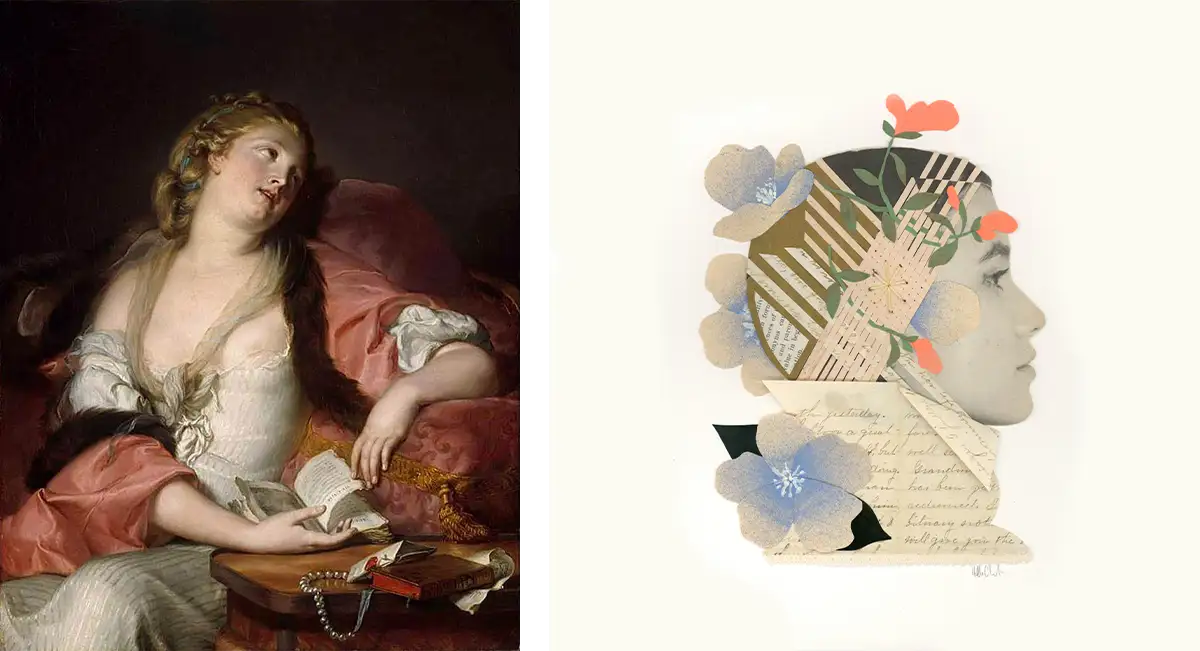
Of course the fantasy is worth far more than the objects themselves — whether a paper-bound novel or a piece of Italian leather. Both literature and luxury have long been experts at building this kind of desire. But capitalism isn’t the only system to sell a fantasy — and then tell women they can’t have it. Women’s access to pleasure, imagination, and private interiority has often been treated as socially dangerous.
In the 17th and 18th centuries, women’s indulgence in novels was seen as a threat, something that could “distract” them from the duties of being a wife and mother — or even give them a gateway to imagine a different life, or even a different spouse. In reality, literature, as we know, was broadening their horizons beyond their drawing rooms and domestic spaces, supporting higher expectations for love, marriage, and life at large. And to society, the threat lay in the power of that fantasy over the female intellect — or over what they dismissed as “fragile minds” — an anxiety that still persists in many pockets of our society today. In 2025, 5,668 books were banned from libraries, many of which focused on topics of diversity, including LGBTQIA+ identities, people of color, and feminist studies. While book banning may be at its highest point in the 21st century, we’ve also never seen more of a commodification of books than we are now. If luxury brands are capitalizing on the fantasy of literature, is it their responsibility to help combat this wave of censorship and the literacy crisis?
Even if luxury brands decide to focus more of their energy on “memifying” books through luxury goods — for instance, Maya Angelou’s powerful autobiography reduced to a charm dangling from a Coach bag — there is still a benefit to it. Coach’s charms are actual miniature hardcover books, produced with Penguin Random House and priced at $95. Consumers may even read the title of the book they are carrying around. And passersby may be compelled to at least Google the title, and grasp the AI summary if unfamiliar. Joking of course, I certainly can only pray that more and more of us are taking the extra leap to buy the actual book, support print media, and spend time in the liminal space of sustained reading. I mean, it’s certainly chic to think that way. Carrying around an item that celebrates classic literature feels especially relevant while we suffer through the attempted decimation of critical thinking. Maybe keeping these stories visible, even in the form of a handbag, is exactly what we need.
The way fashion, literature, film, and art are bleeding into one another right now may be less about trends and more about necessity. We are hungry for stories — for something that allows us to pour our love, rage, and anguish into. Or, more importantly, finding something that allows us to escape. Luxury may be selling the fantasy of literature, but perhaps that’s not such a bad thing. If a handbag can make someone curious enough to pick up a book, then maybe the story is still doing what it has always done: finding a way to be carried forward.